


















A Monday Muse Spotlight on How Ian Curtis’ Death Set the Stage for New Order’s “Blue Monday”
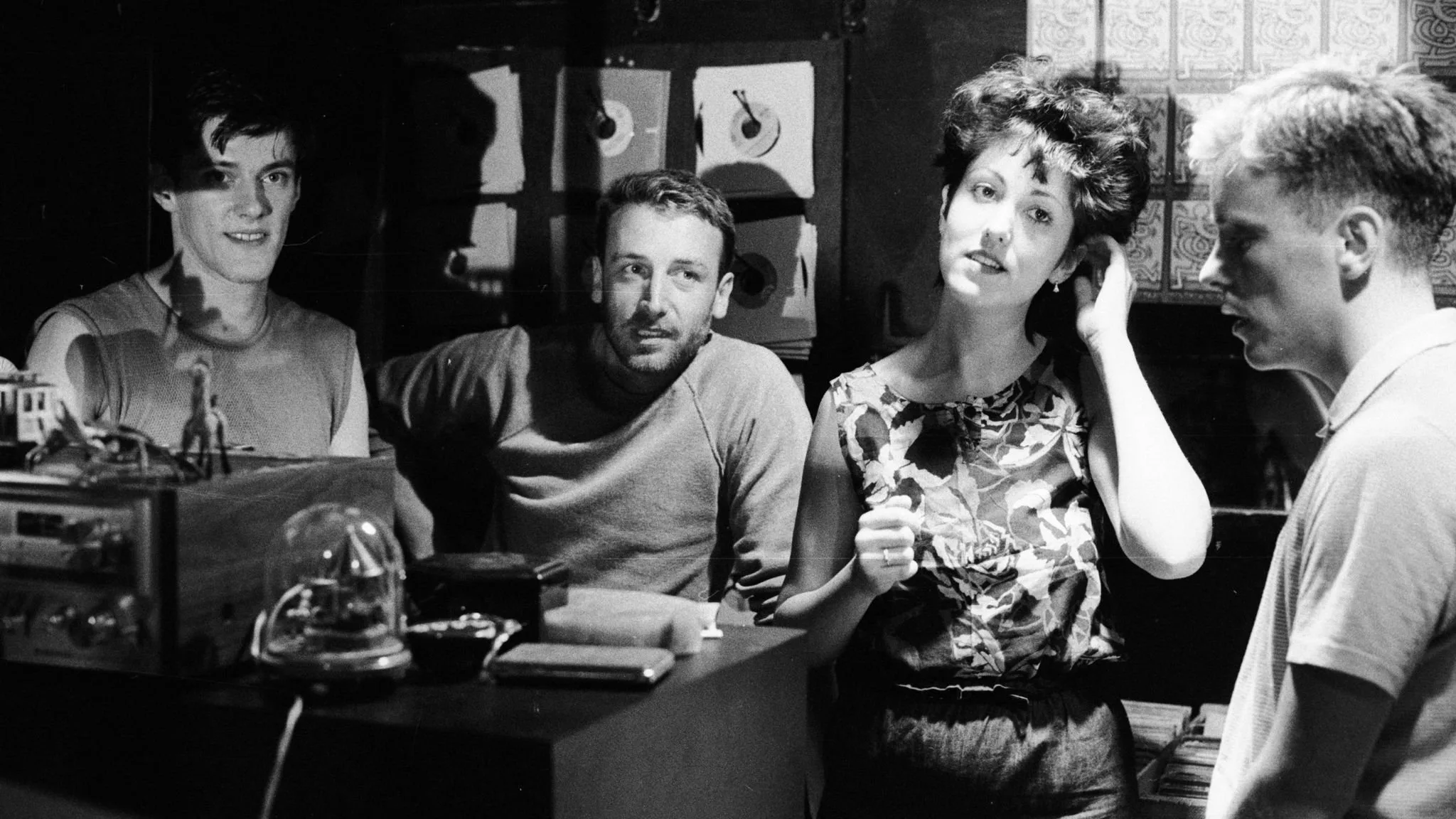
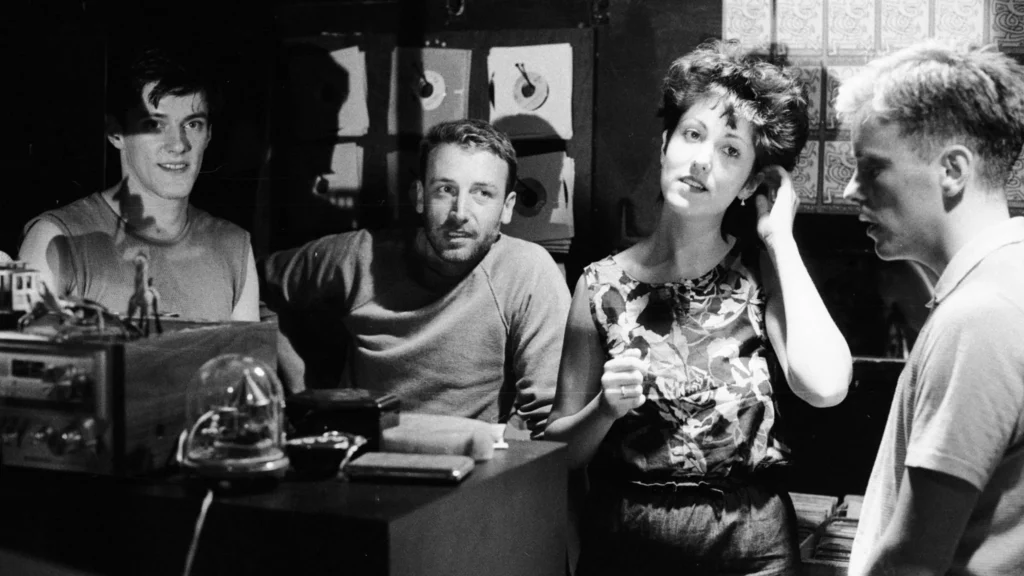
Today’s “Monday Muse” features the incomparable band New Order and their creation of the classic tune “Blue Monday.”
A nod to the iconic synth‑pop pioneers. New Order.
New Order made “Blue Monday” feel like the future learning how to dance
Synth pulse, post-punk cool, Factory Records mystique, and that machine-heart rhythm — “Blue Monday” still sounds like a nightclub computer booting up and changing music history.
As an Amazon Associate, I earn from qualifying purchases.
“Blue Monday” stands as the best‑selling 12‑inch single of all time, a dance‑floor detonator that reshaped electronic music and rewired club culture forever.
And today, May 18, 2026, marks 46 years since the day everything changed.
On May 18, 1980, Ian Curtis died — and with him, Joy Division as the world knew it. The very next day, Bernard Sumner, Peter Hook, and Stephen Morris gathered in grief to dissolve the band. And on that Monday — the saddest Monday of their lives — New Order was born.
Three years later, on March 7, 1983, they unleashed “Blue Monday,” a track that didn’t just define the 1980s dance scene — it became its pulse.
A Machine With a Heartbeat
As the band has described over the years, “Blue Monday” wasn’t conceived as a traditional song. They saw it more as a machine, with each rhythm acting like a gear cog — the beep, the bassline, the sync, the pulse — all locking together in perfect mechanical harmony.
It was engineered for the club. For the floor. For the bodies moving under strobe lights.
They were listening to early electro, gay disco, and the pounding energy of Heaven’s fourth floor — and they wanted their own track to live in that world.
Related Story: Fresh New York Exhibit Showcases New Ian Curtis (Joy Division) Insight
A Guaranteed Dance‑Floor Filler
Decades later, “Blue Monday” still guarantees a dance‑floor reaction. Every DJ — from Carl Cox to Skrillex — has told them some version of:
“Blue Monday, man. That made me. That inspired me.”
It’s a strange legacy to carry, they admit — but what a compliment.
One band member recalls being in a Berlin club: Techno pounding, bodies moving — and then “Blue Monday” dropped. Everyone got up. He nearly broke his leg in the chaos.
A Hit With Zero Promotion
Their manager Rob Gretton heard it early and declared, “This is going to be a hit.”
They didn’t believe him.
There was no promotion, no radio push, no marketing. They joke they couldn’t “promote a bring‑and‑buy sale,” let alone a record.
And yet — it exploded. Everywhere. Instantly.
Still Fresh. Still Eternal.
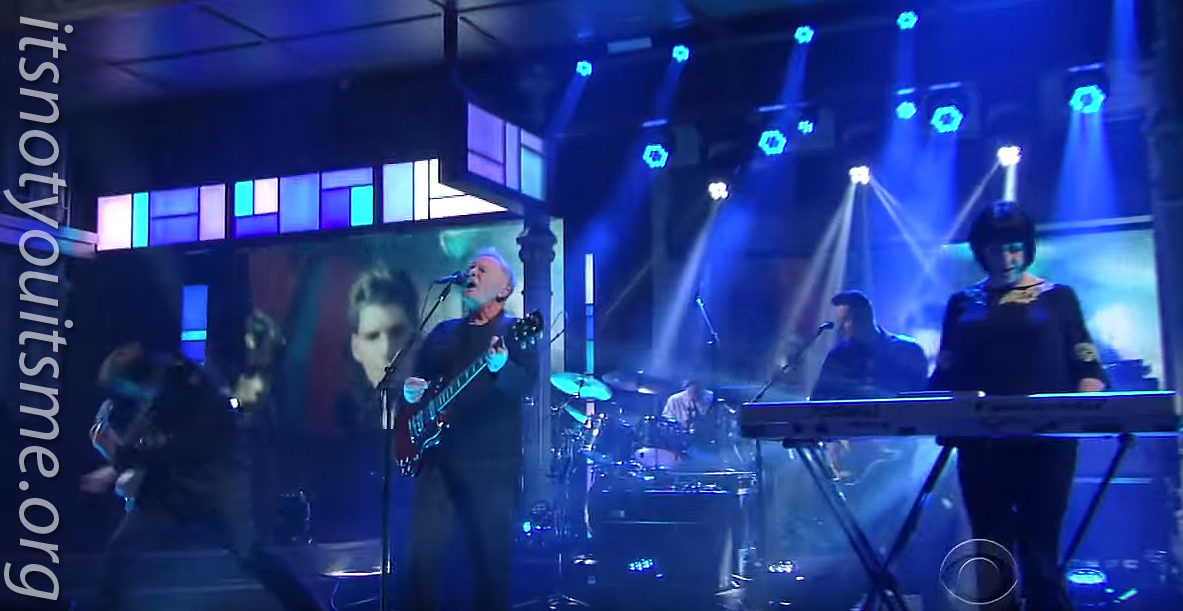
Even now, when they play it live, it still sounds fresh, still hits, still moves audiences with the same force it had in 1983.
A machine. A Monday. A masterpiece.
“Blue Monday” remains the beat that changed music forever — and today marks 46 years since the moment that made its creation possible.