















This Bird Is Half Tree Stump, Half Midnight Sound Effect
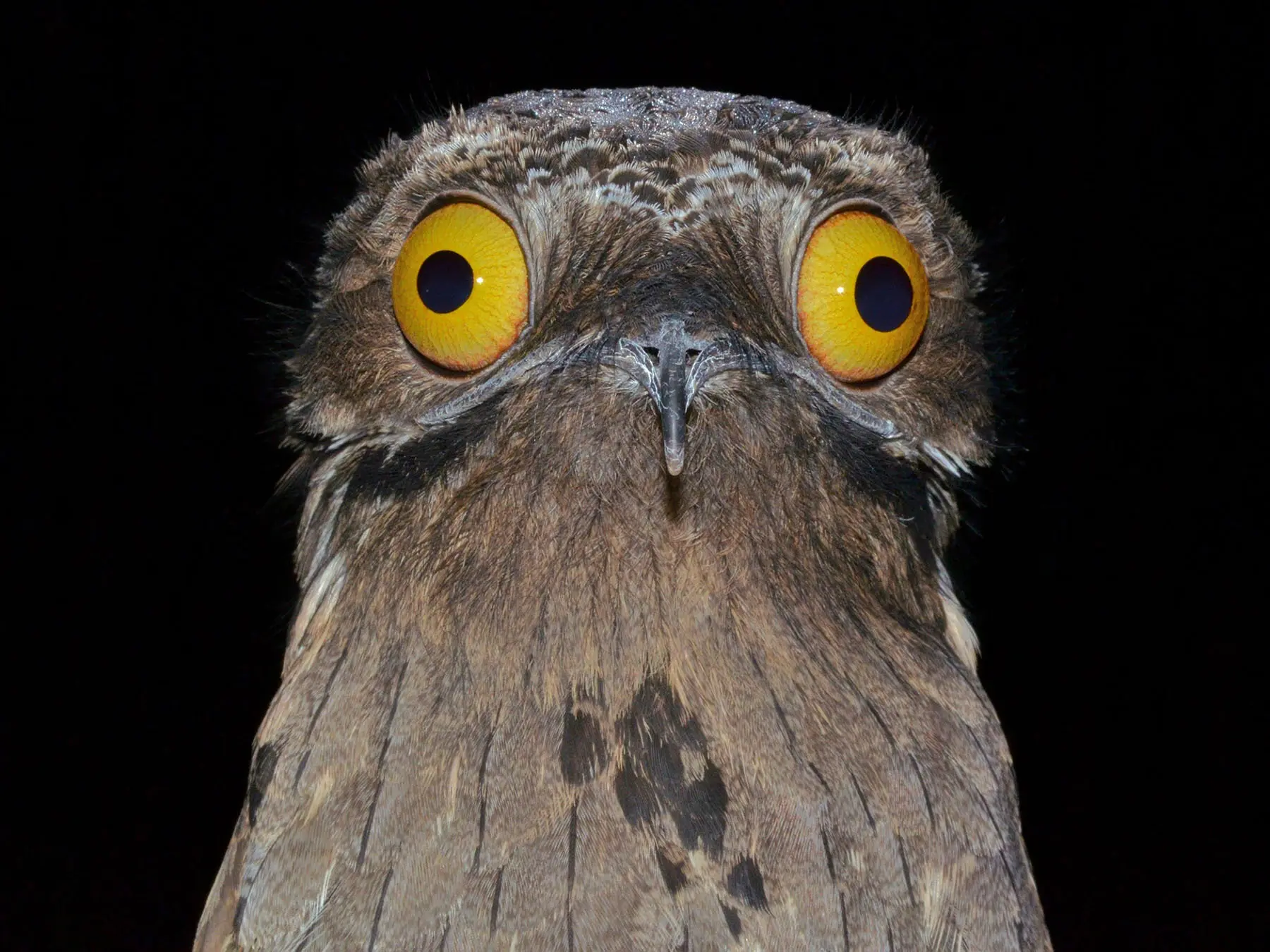
Meet the potoo: the nocturnal bird that spends daylight hours pretending to be a broken branch, then waits until nightfall to release a call that sounds like the forest has developed feelings.
Pronounced POE-too, these gloriously peculiar birds live across Mexico, Central and South America and the Caribbean. Their enormous eyes and permanently startled expression may suggest an owl caught reading its own search history, but potoos are not closely related to owls.
They belong to the family Nyctibiidae, a small group of seven species built around three major talents: staying completely still, hunting after dark and making sounds nobody expects from something pretending to be lumber.
Discover More
Find the Bird Before It Finds You
Learn more about potoos, sharpen your birdwatching setup and keep a field guide close for the next suspicious-looking tree stump.
Some links may be affiliate links. INYIM may earn from qualifying purchases.
The Potoo’s Greatest Trick Is Becoming Part of the Tree
During the day, potoos perch upright on branches and broken stumps, stretching their bodies vertically until their mottled gray-and-brown feathers merge with the bark. They do not merely blend into the scenery. They commit to the role.
When a potential threat approaches, a potoo can freeze, raise its bill and compress its feathers to look even more like a snapped branch. Slits in its eyelids allow it to keep watching while its eyes appear closed, because apparently becoming invisible was not enough.
The bird is resting. The bird is monitoring. The bird would prefer that everybody keep walking.
The illusion works so well that a motionless potoo can remain overlooked in plain sight. Then dusk arrives, the tree stump opens its eyes and the entire situation changes.
Those Giant Eyes Are Built for the Night Shift
Potoos are nocturnal insect hunters. They wait on exposed perches, scan the darkness and launch into the air when flying prey passes nearby. Their wide mouths help them scoop up moths, beetles and other insects before returning to a perch to continue the night watch.
The oversized eyes that make the potoo look so wonderfully alarmed are part of a serious nighttime toolkit. In daylight they can disappear into bark. After dark they become sharp-eyed aerial hunters with the mouth of a very small feathered trapdoor.
Its Peculiar Peep Depends on Which Potoo Is Calling
“Peep” is the polite umbrella term. Potoo calls change dramatically by species: the Great Potoo produces a reverberating roar, the Common Potoo gives a melodic descending song and the Northern Potoo is known for a more guttural shriek.
That means the same bird family can provide a mournful rainforest melody, a monster sound effect or something resembling a haunted door hinge with excellent breath support.
You may struggle to see a potoo, but once one starts calling, the forest suddenly has a very specific opinion.
No Nest, One Egg and Another Excellent Disguise
Potoos do not build traditional nests. A female lays a single egg in a small depression, knot hole or crevice on a branch, where both parents help incubate it and care for the chick.
The camouflage lessons begin early. Young potoos learn to stretch upright and imitate the branch beneath them, joining the family business of looking like absolutely nothing worth investigating.
Potoos in Full Tree-Stump Supermodel Mode
The supplied gallery pairs a Northern potoo photographed in Belize with a second potoo image from the original post.
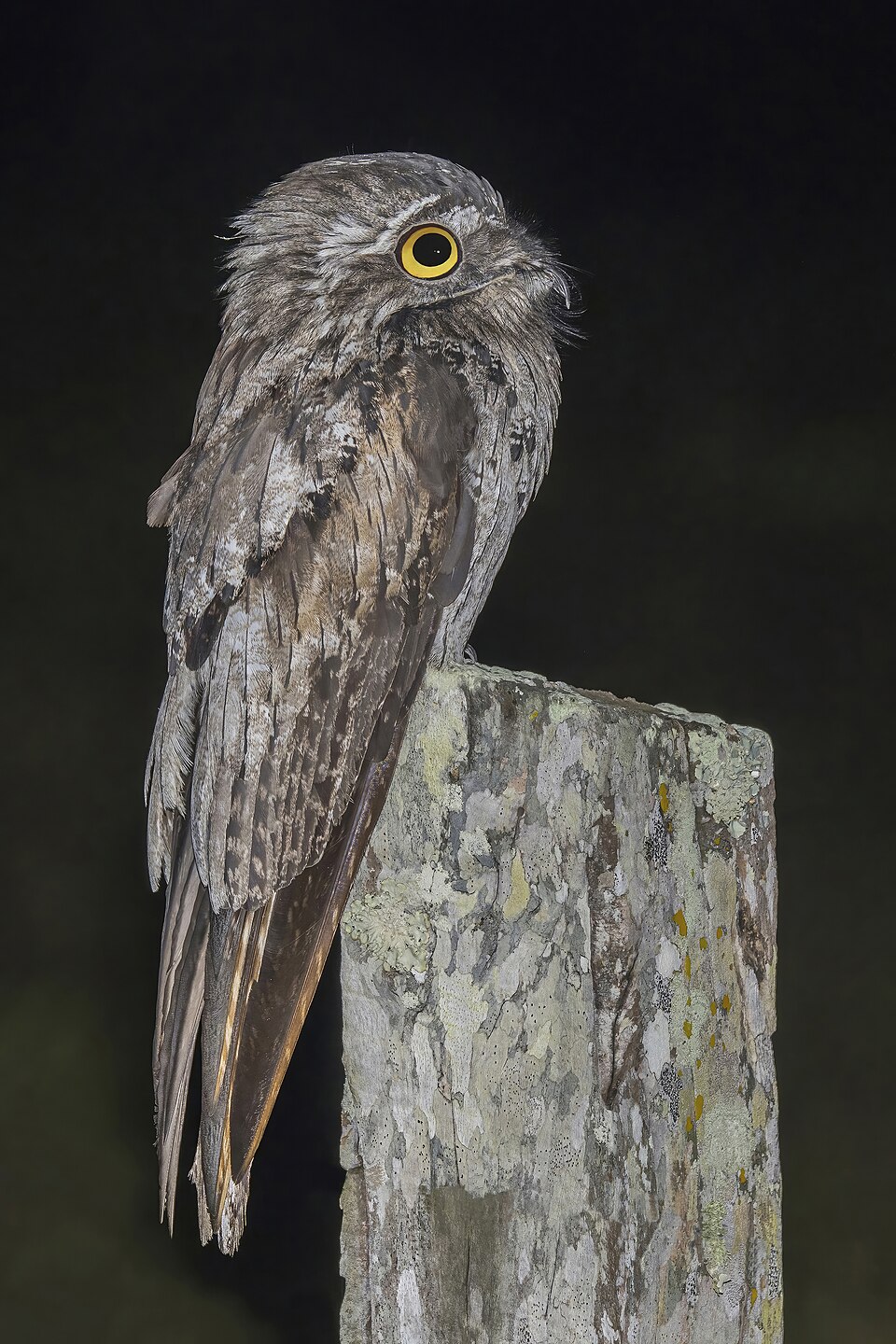
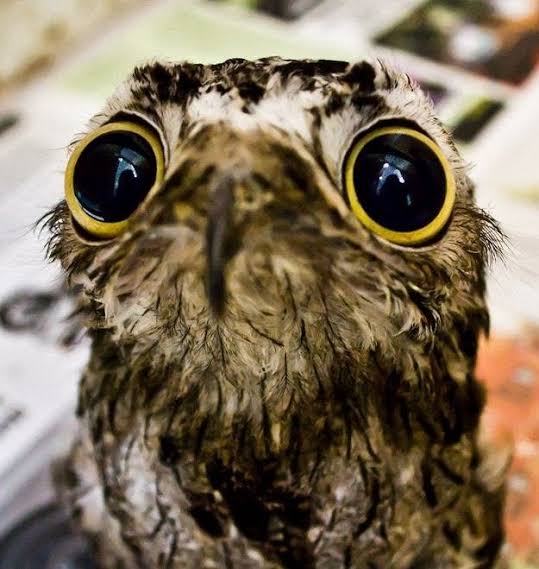
A Northern potoo photographed in Orange Walk, Belize, appears alongside another potoo. First image: Charles J. Sharp / Wikimedia Commons, CC BY-SA 4.0.
The photographs make the disguise easier to appreciate. Bark-colored feathers, a vertical posture and an almost unreasonable commitment to stillness allow the potoo to vanish without actually going anywhere.
Watch “Meet the Potoo: The Bird That Masters the Art of Disguise!”
The supplied YouTube video introduces the potoo’s branch-like camouflage and nocturnal life.
Hear the Potoo’s Peculiar Peep on INYIM Media
The INYIM Media TikTok introduces the bird and the peculiar sound that inspired the original post.
Don’t have TikTok? See this on Instagram.
Sources: American Bird Conservancy; Wikimedia Commons; supplied YouTube and INYIM Media videos.