

















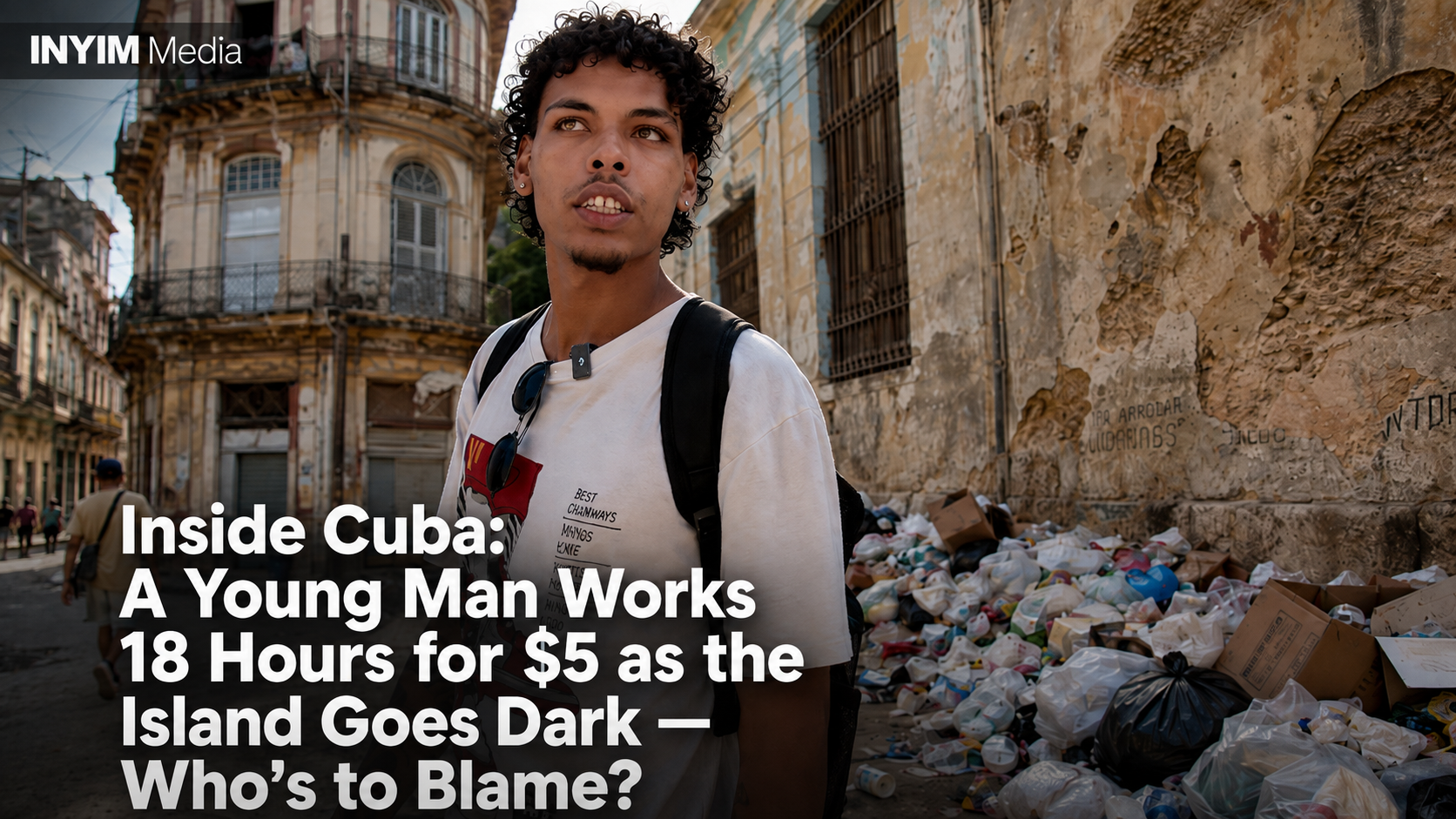
Arvin Jassir takes us inside Anthony’s Cuba as the lights disappear.
There are stories that arrive as statistics, sanctions and speeches. Then there are the stories that walk you through somebody’s front door.
Brooklyn photographer and visual artist Arvin Jassir is doing the latter in Old Havana, giving the rest of us a true inside look at Cuba’s worsening humanitarian crisis. What he finds is not an enemy population or some leftover Cold War caricature.
He finds people trying to work, keep water running and sleep through suffocating heat when the power disappears.
More of Jassir’s photography and work can be found at ArvinJassir.com.
Discover More
See Cuba through Arvin Jassir's lens.
Explore more work from the Brooklyn photographer and visual artist documenting people and places around the world.
Some links may be affiliate links. INYIM may earn from qualifying purchases.
Meet Anthony: 18 hours of work for $5
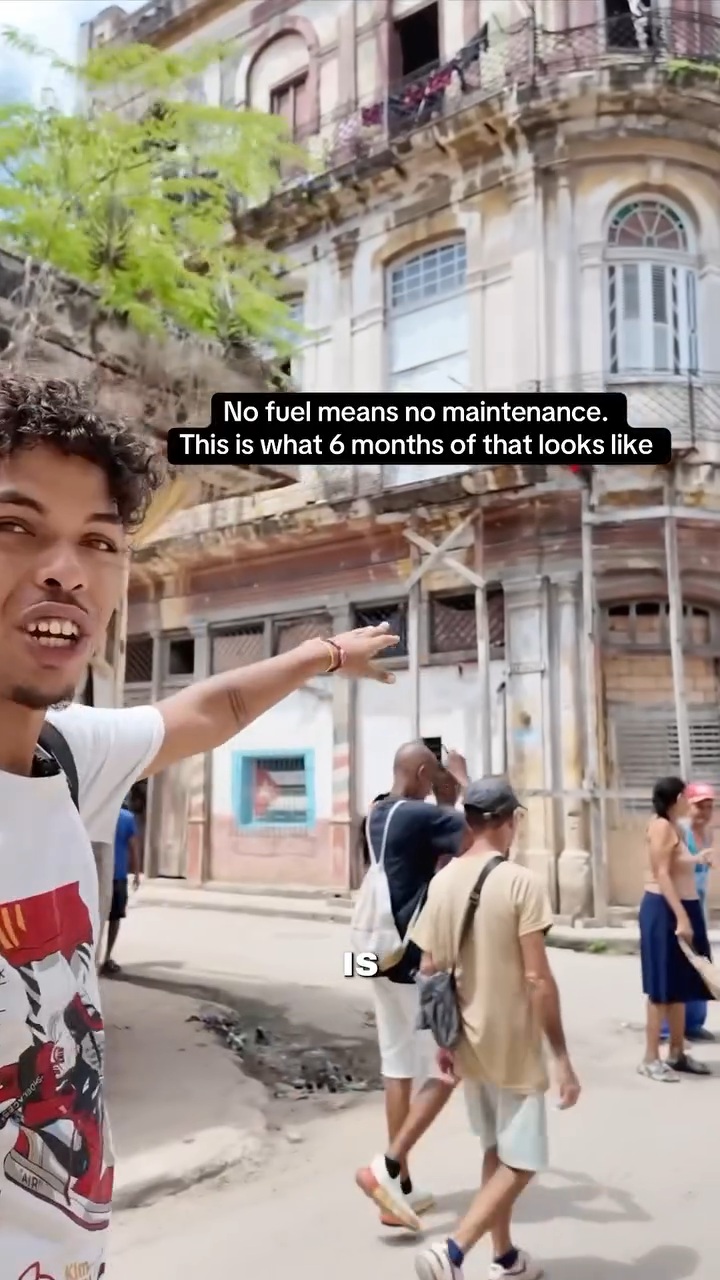
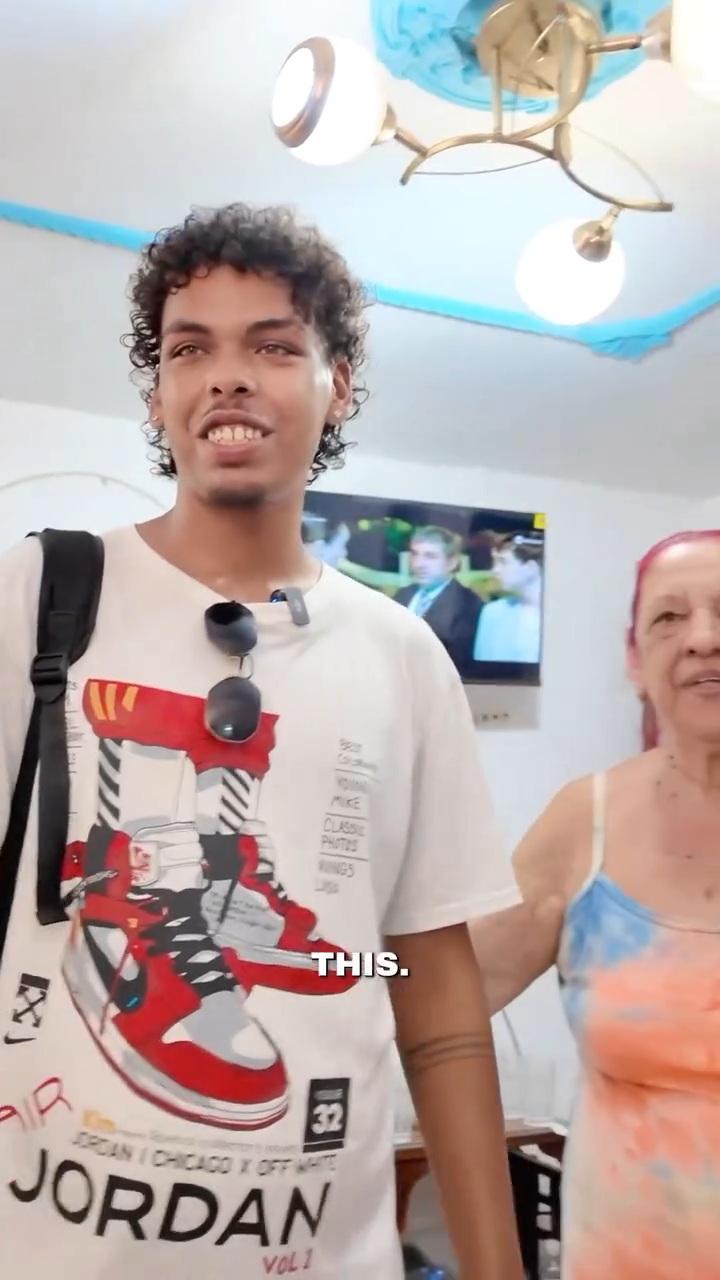
In the reel, Jassir meets a young Cuban man named Anthony by chance on the street. Anthony brings him home, introduces his grandmother and shows him what daily life looks like from the inside.
Anthony tells Jassir he worked an 18-hour day for a $5 salary. He says his home has gone 20 days without water. The reel explains that some days electricity arrives for only two hours; other times it can disappear for three straight days.
Video still: Arvin Jassir / Instagram
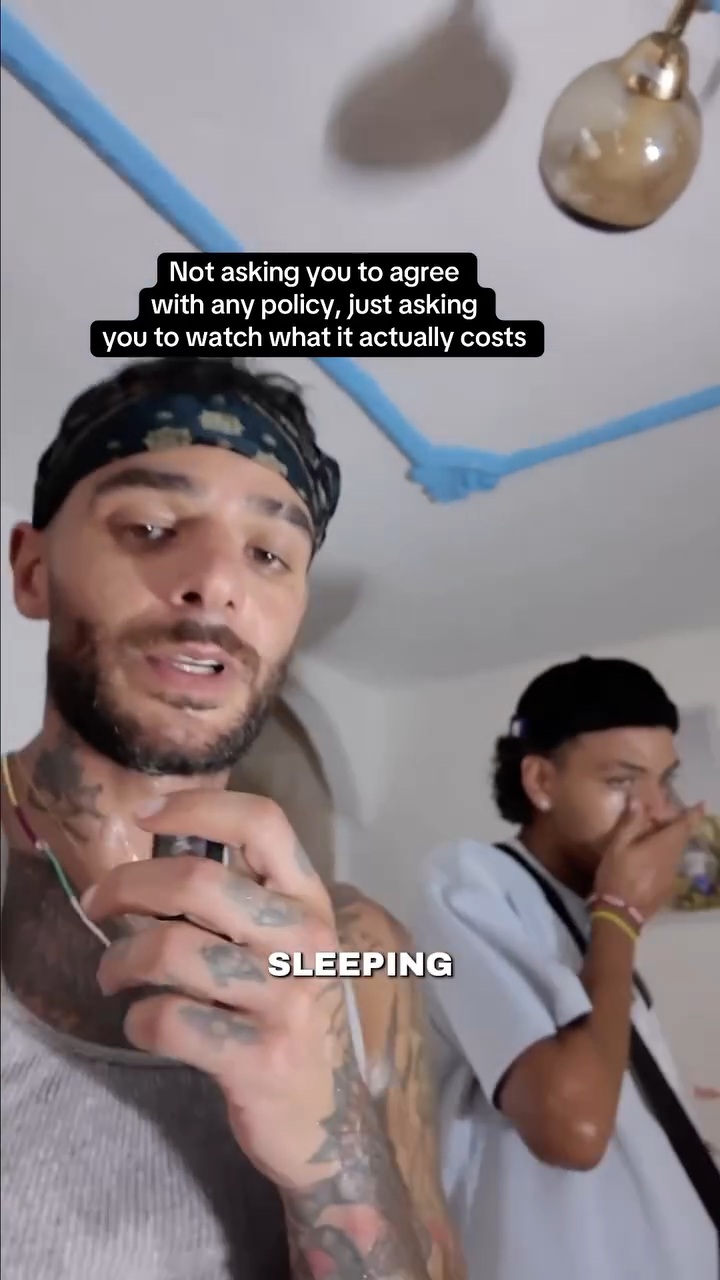
Then, while they are inside Anthony’s apartment, the electricity shuts off.
The temperature shown in the video: 104 degrees Fahrenheit — 40 Celsius.
Video still: Arvin Jassir / Instagram
Jassir explains that Anthony’s grandmother tries to sleep during the brief periods when electricity is available. At night, when there is no fan to move the air, they may simply stay awake.
“It’s very unfair that people have to live in these circumstances,” Jassir says. “It’s really inhumane.”
“Not asking you to agree with any policy, just asking you to watch what it actually costs.”
There it is.
You do not have to defend the Cuban government, agree with communism or pretend Cuba’s own leaders have not made devastating mistakes.
You just have to use your brain long enough to separate a government from the human beings living underneath it.
Cuba was already struggling. Then the fuel disappeared.
Cuba’s problems did not begin in 2026. The island has spent years battling an aging electrical grid, chronic underinvestment, economic dysfunction, shortages and the consequences of a heavily centralized system. The Cuban government also continues to face legitimate criticism over political repression and restrictions on dissent.
But an already fragile country has been pushed into something considerably worse this year.
Reuters reported on August 13 that Cuba is living through one of the most severe economic and political crises in its modern history, exacerbated by Washington’s oil embargo and hardened sanctions. In many provinces, power outages now exceed 20 hours a day, crippling food production, transportation and tourism.
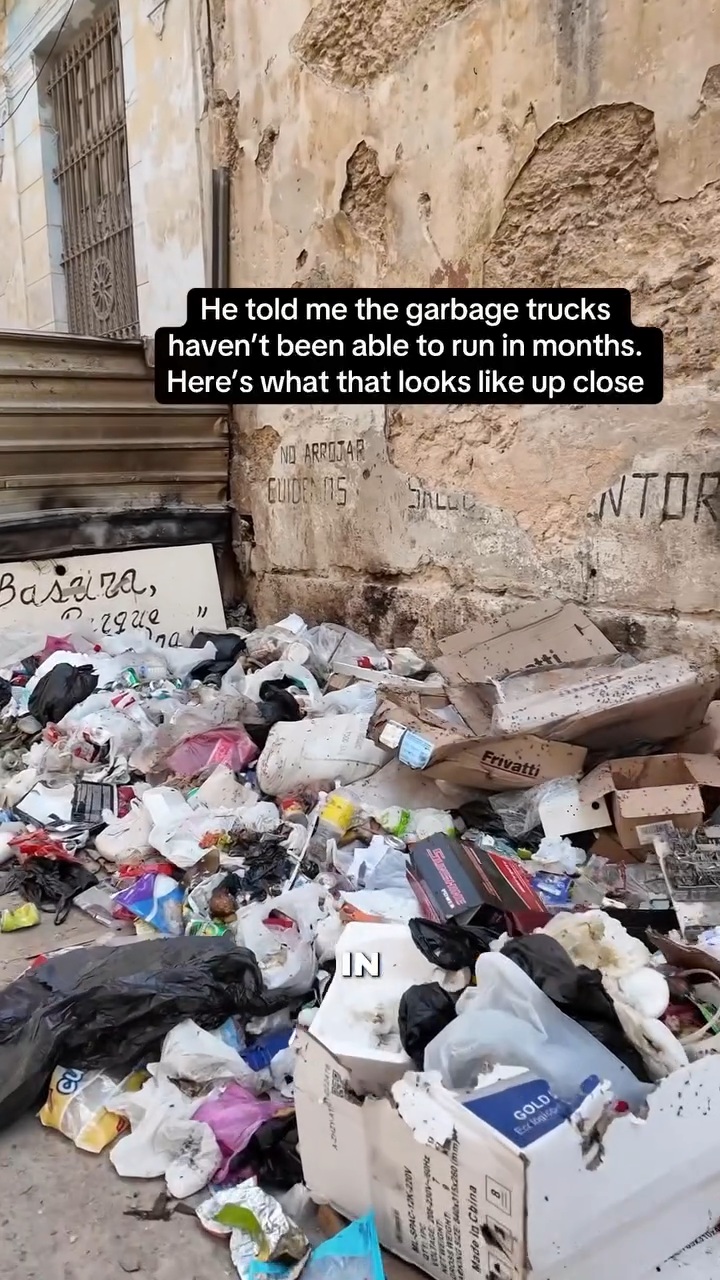
In May, Cuba’s energy minister said the country had no reserves of diesel or fuel oil as Havana neighborhoods endured outages lasting 20 to 22 hours.
That matters when you watch Anthony show Jassir a dry home and an overheated grandmother. These are not separate stories. The policy is becoming the living condition.
Video still: Arvin Jassir / Instagram
Venezuela fell away — and Cuba lost an energy lifeline
For more than two decades, Venezuela was one of Cuba’s most important oil suppliers. In 2025, Venezuelan shipments were covering roughly half of Cuba’s oil deficit, according to Reuters.
After U.S. forces captured Venezuelan President Nicolás Maduro on January 3, Washington cut off Venezuela’s oil exports to Cuba. Mexico, another crucial supplier, subsequently halted shipments as the Trump administration threatened tariffs against countries that continued providing Cuba with oil.
On January 29, President Donald Trump signed an executive order establishing a process for additional tariffs against goods from countries that directly or indirectly supply Cuba with oil. The White House said the policy was intended to protect U.S. national security and foreign policy by increasing pressure on the Cuban government.
Washington later sanctioned Cuba’s state-owned oil company Unión Cuba-Petróleo, or CUPET, creating even more obstacles for the country to import fuel.
The administration says its target is the Cuban state, not Cuban civilians. But you cannot remove fuel from a country’s electrical grid, buses, water pumps, hospitals, farms and food-delivery system and expect the consequences to stop at the doors of government offices.
Maximum pressure has to land somewhere.
Arvin Jassir is showing us where it lands.
America has tried another road before
Beginning in 2014, President Barack Obama pursued normalization with Cuba. His administration restored diplomatic relations, reopened embassies, expanded authorized travel and commercial ties and restored direct flights and mail service. Authorized U.S. travel to Cuba rose more than 75% between 2014 and 2015, according to the Obama White House archive.
Obama did not eliminate the longstanding U.S. embargo, and ordinary American tourism was still restricted. But the direction had changed. The theory was engagement: more contact, more travel, more business and more opportunities for ordinary Cubans to interact with the outside world.
Today, that opening feels very far away.
So who benefits from maximum pressure?
This is where INYIM is going to ask the impolite question.
What exactly does the United States expect to gain?
We cannot responsibly claim Washington created Cuba’s oil crisis simply so American companies could take over the island’s fuel market. We do not have evidence proving that motive.
What we can see is a deeply transactional policy.
Washington has choked off or discouraged the large state-level fuel flows Cuba historically depended on while encouraging the growth of a Cuban private sector independent of government control.
And yet American companies are allowed to export fuel to private Cuban businesses.
Reuters reported this week that an estimated 900,000 barrels of U.S. fuel entered Cuba through private-sector channels between February and May. Those imports have provided some relief, but they have also helped create a private market where fuel can cost far more than many Cubans earning state salaries can afford.
That does not prove an American corporate takeover is the plan. But it does show that this is also about who controls the energy, who is allowed to supply it and what kind of Cuba Washington wants to emerge on the other side.
The economic pain is part of the leverage.
A vote is not a blank check for everything afterward
Cuban Americans were an important part of Donald Trump’s winning coalition in Florida. AP VoteCast found roughly two-thirds of Cuban voters in Florida backed Trump in 2024, while Florida International University’s Cuba Poll found 68% support for Trump among likely Cuban-American voters in Miami-Dade.
But a vote for Trump was not necessarily an informed vote for 20-hour blackouts in Havana. It was not necessarily a vote for somebody’s grandmother to spend the night awake in a 104-degree apartment.
For many Cuban Americans, opposition to the Cuban government is rooted in family history — exile, confiscated property, political repression and generations of anger toward the Castro system. A promise to be “tough on Cuba” can sound very different on a campaign stage than it does once maximum pressure becomes a family member calling from an apartment without electricity.
We have already seen some voters confront that gap on other issues. Reuters reported in April that an immigration attorney described Cuban-American clients affected by the administration’s deportation crackdown saying, “I never thought this would happen to me,” with some adding, “I regret my vote.”
Those comments were about immigration, not Cuba’s fuel blockade. But they illustrate something important:
People can vote for a promise without understanding every consequence that will arrive with it.
Cuba has not been formally declared to be experiencing a famine, and we are not going to throw that word around for drama. But food production is already being crippled by the energy crisis while medicine and fuel shortages remain severe.
If conditions ever cross that line, will “maximum pressure” still sound like a winning policy to families watching relatives go hungry?
We do not know. But it is a question worth asking before we reach that point.
Cuba is not its government. Cuba is people.
And now we arrive at the part that should not require an international-relations degree.
Use your head.
The Cuban people are not the Cuban government. They are not Fidel Castro, communism, a Cold War argument, a Florida voting bloc or a bargaining chip between governments.
They are mothers, fathers, grandparents, kids, workers and artists trying to create an ordinary life under extraordinary circumstances.
Video still: Arvin Jassir / Instagram
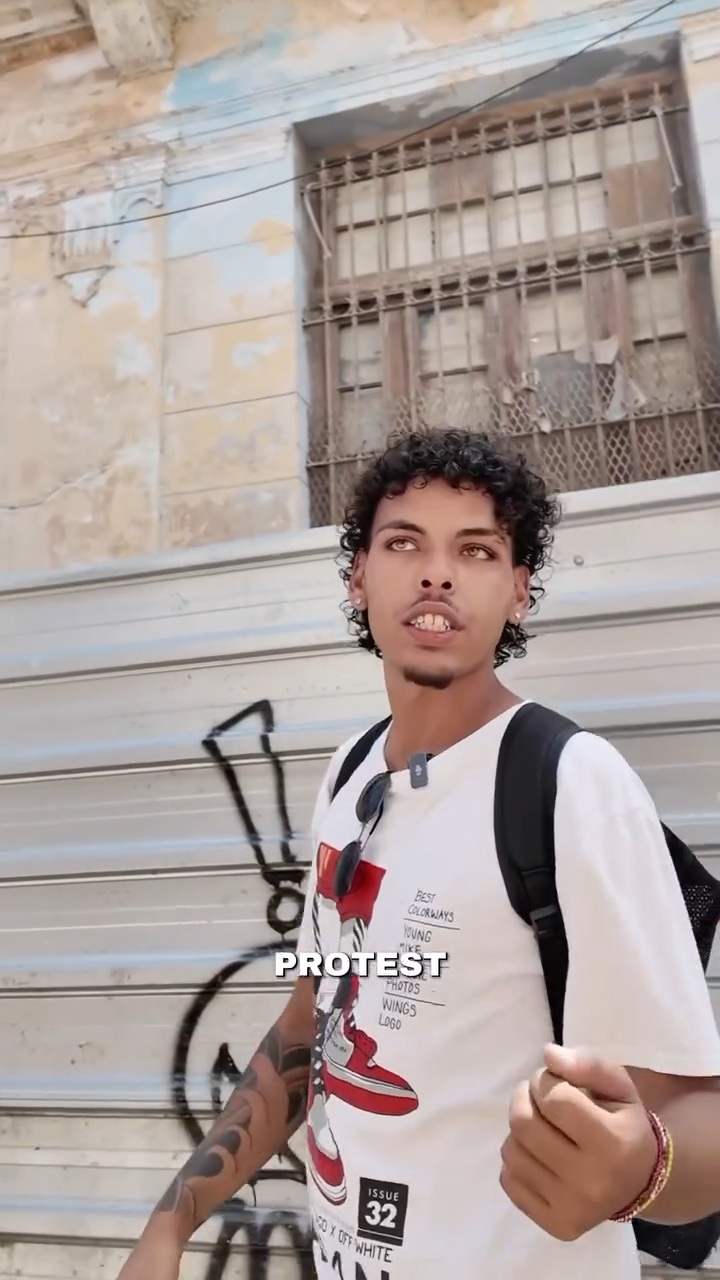
Jassir says that despite visiting Cuba in the middle of a crisis, his personal experience has been that the country remains very safe. He met Anthony completely by chance while looking for someone who could help distribute supplies and says the locals he encountered were overwhelmingly receptive to being helped.
“If you guys can come, please just bring supplies. People are very nice. They’re gonna show you where to go. They’re gonna show you a lot of love.”
That may be the most important correction of all.
Cubans are not bad people who need to be punished until their government changes.
They need food, medicine, water, energy, humanitarian help and international attention.
And they need the rest of us to stop acting as though human suffering becomes acceptable the moment we dislike the government above it.
Yes, criticize Havana. Criticize Washington too. Argue about capitalism and socialism until everybody is exhausted.
When you finish, Anthony’s grandmother is still sitting in that apartment waiting for the electricity to come back.
An artist can make it harder to look away
That is why this story begins and ends with Arvin Jassir.
Governments give us policy. Politicians give us slogans. News reports give us the scale.
An artist can give that scale a face.
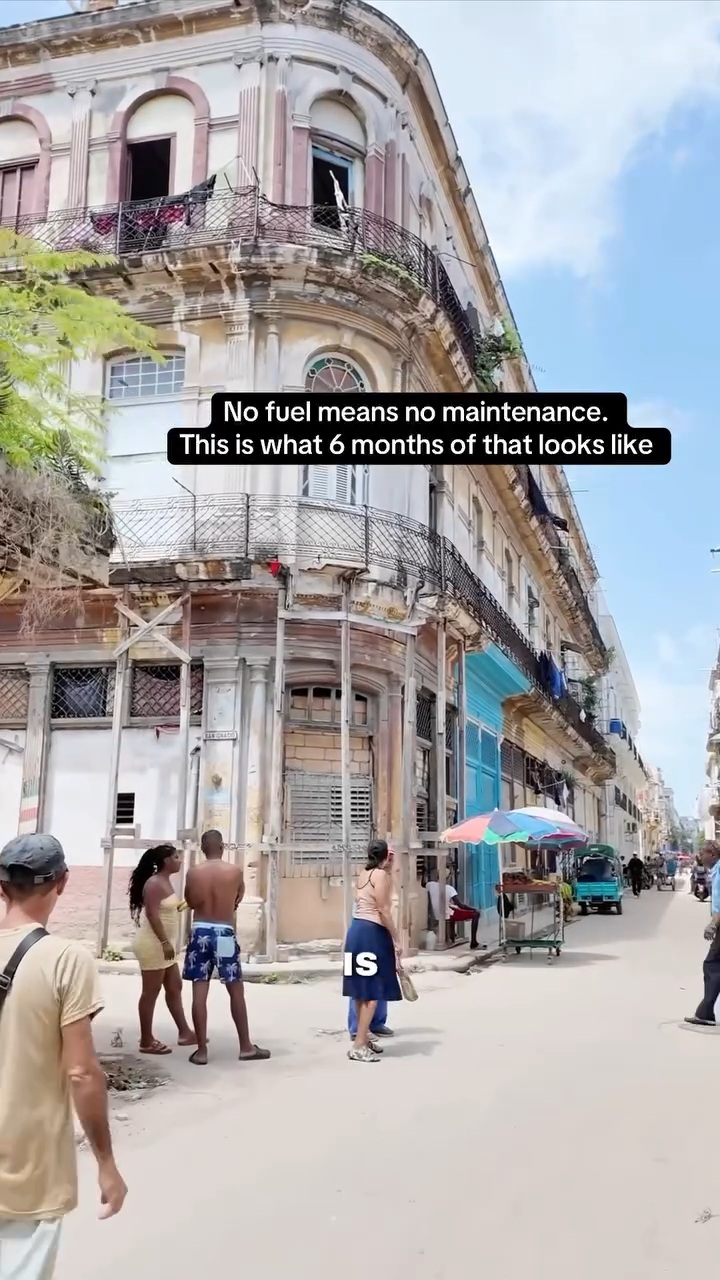
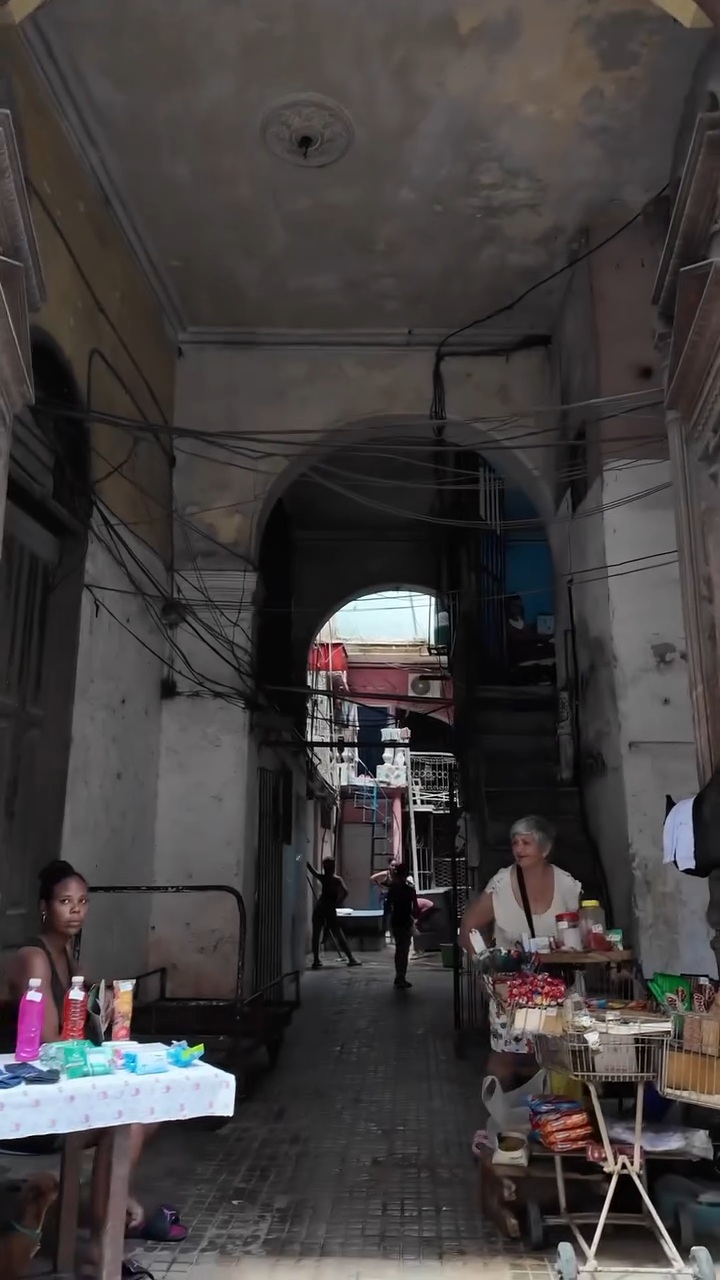
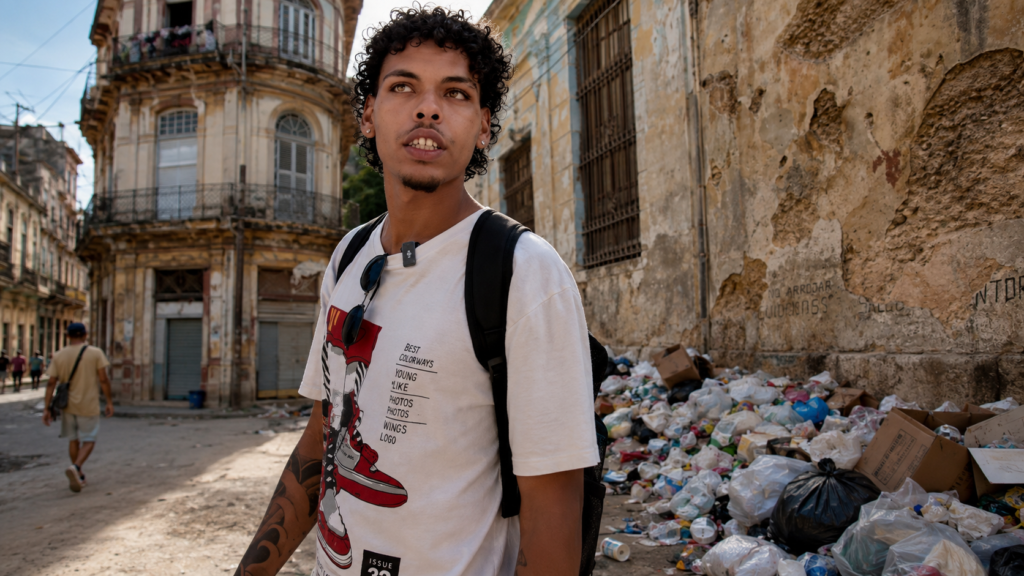
Jassir takes us through a Havana doorway and lets Anthony explain his own life. He shows us the deteriorating buildings, the heat and the moment the electricity vanishes. He does not need to tell us what political party to join.
He asks us to look at what this costs.
Cuba sits roughly 90 miles from the United States. This is not some unknowable tragedy happening at the edge of the world.
It is happening next door.
Human beings should not have to be pushed toward hunger, darkness and desperation so somebody else can win a political argument.
Arvin Jassir is showing us the people underneath that argument.
The least we can do is stop ignoring them.
Inside Old Havana Through Arvin Jassir’s Lens
More scenes from Jassir’s walk through Havana show the city and the people living through a crisis that is too often discussed without ever seeing who carries it.
Video still: Arvin Jassir / Instagram
Video still: Arvin Jassir / Instagram
Video still: Arvin Jassir / Instagram
Watch Arvin Jassir take us inside Old Havana
Jassir’s dispatch puts faces, homes and voices behind a crisis too often reduced to politics. Watch his full reel below, and visit ArvinJassir.com for more of his work.
Sources: Arvin Jassir / Instagram and ArvinJassir.com; Reuters reporting on Cuba’s August 2026 economic and energy crisis, Venezuelan and Mexican fuel supplies, U.S. oil restrictions, CUPET sanctions and U.S. private-sector fuel exports; White House Cuba policy statements and executive actions; Obama White House archive on U.S.-Cuba normalization; AP VoteCast and Florida International University’s Cuba Poll on the 2024 Cuban-American vote.