













Straight Out of “Back to the Future”: How a Once‑Stinky Medieval Town Became the Perfume Capital of the World
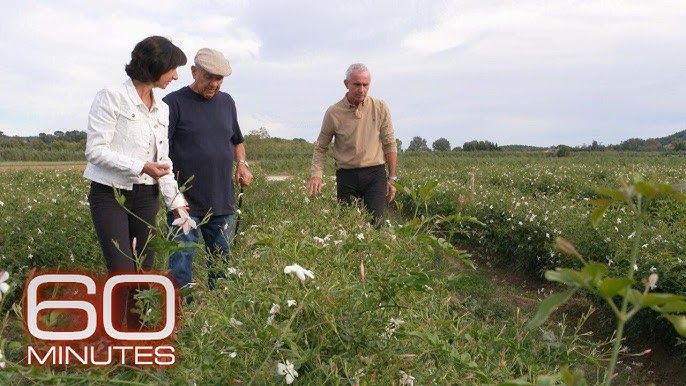
Get this, gals and gents — straight out of the pages of “Back To The Future.” Centuries ago, the medieval French town of Grasse smelled… well, not delightful. The booming leather‑tanning trade left the air thick with strong, stinky, ungodly odors. As the transcript notes, “the medieval town of Grasse had a problem. It reeked of dead animals from its booming leather trade” .
Chanel No. 5 begins in the flower fields of Grasse
Before it becomes one of the world’s most famous scents, Chanel No. 5 starts with handpicked jasmine, rose fields, and more than a century of French perfume craft.
Then came a clever fix: gloves infused with local flowers to mask the stench. That tiny idea sparked a full‑blown revolution. Flowers were planted. Techniques invented. And what began as a cover‑up blossomed into an art form, establishing Grasse as the perfume capital of the world — a legacy still alive today .
Now, more than a century later, the fields of Grasse are experiencing a revival — and this is where the world’s most iconic fragrance, Chanel No. 5, begins its journey.
The May Rose & Jasmine: The Heart of No. 5
The video takes us into the fields where the legendary rose centifolia, nicknamed the May rose, blooms in rows of soft pink. As the transcript describes, “12 of these roses go into a bottle of Chanel No. 5” .
But the true star? Jasmine from Grasse — delicate, nocturnal, and harvested at dawn. “1,000 jasmine flowers go into a bottle of No. 5” and give the perfume its unmistakable floral signature .
A Fragrance That Depends on Place
Chanel’s master perfumer Olivier Polge explains that jasmine grown elsewhere simply wouldn’t smell the same. Grasse jasmine is described as “grassy and fruity with a note of green tea, delicate like the flower itself” .
This is terroir — but for perfume.
A Family That’s Been Growing Jasmine for Six Generations
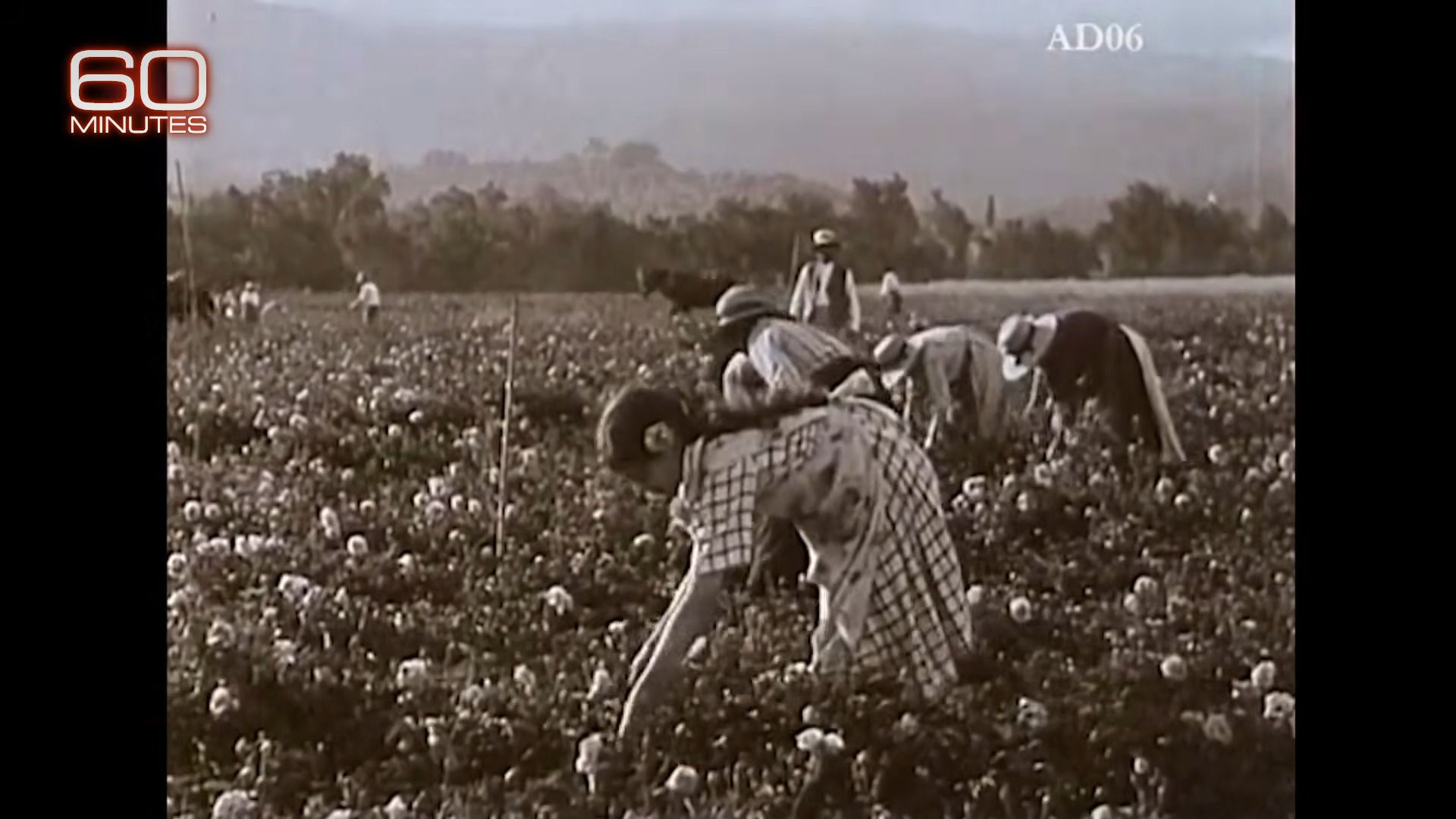
The Mul family has farmed these fields since the 1800s. Once, Grasse had 12,000 acres of flower fields; today, only 124 acres remain. And where 2,000 tons of jasmine were harvested each year, now fewer than 15 tons survive — mostly from this single family’s land .
In 1987, Chanel struck a historic deal with them to grow flowers exclusively for the house — the first luxury brand to partner directly with Grasse farmers.
A Revival in Bloom
The mayor of Grasse has helped spark a renaissance: • Thousands of pink umbrellas fill the streets as a tribute to the rose • The town is now a UN cultural heritage site • Development was blocked on 170 acres to protect future flower fields • Luxury houses like Lancôme, Louis Vuitton, and Dior have invested heavily in the region’s revival
The Magic Behind the Scent
The jasmine harvest is a race against time. Each flower is picked by hand at dawn, kept cool under wet cloths, and rushed to an on‑site factory where a 150‑year‑old extraction technique transforms millions of blooms into the concentrated essence used in No. 5. As the transcript notes, “35 million jasmine flowers” are needed to produce a single 22‑lb tub of jasmine wax .
A few drops of that essence go into every bottle.
From Stench to Scent: A Full‑Circle Transformation
What began as a medieval odor problem has become a global luxury empire. Grasse — once reeking of leather — now perfumes the world.