


















From Generation X to MTV, Billy Idol Still Refuses to Play Nice
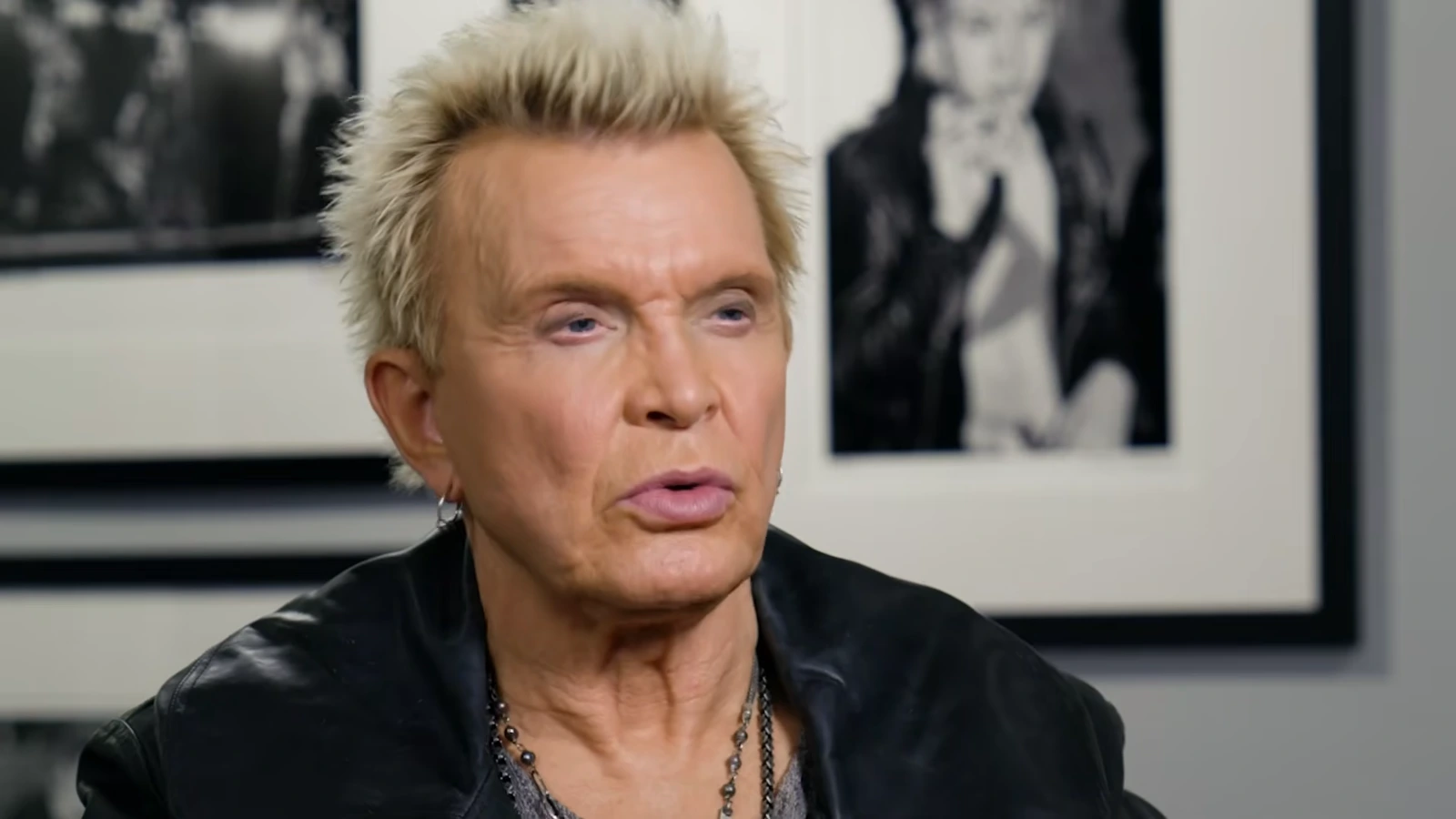
The sneer, the platinum hair, the leather, that voice. Billy Idol has spent nearly five decades making rock and roll look like an invitation to misbehave. Now, as he prepares to enter the 2026 Rock & Roll Hall of Fame, the former Generation X frontman is retracing the music, rebellion and sheer nerve that made him one of the defining faces of the MTV era.
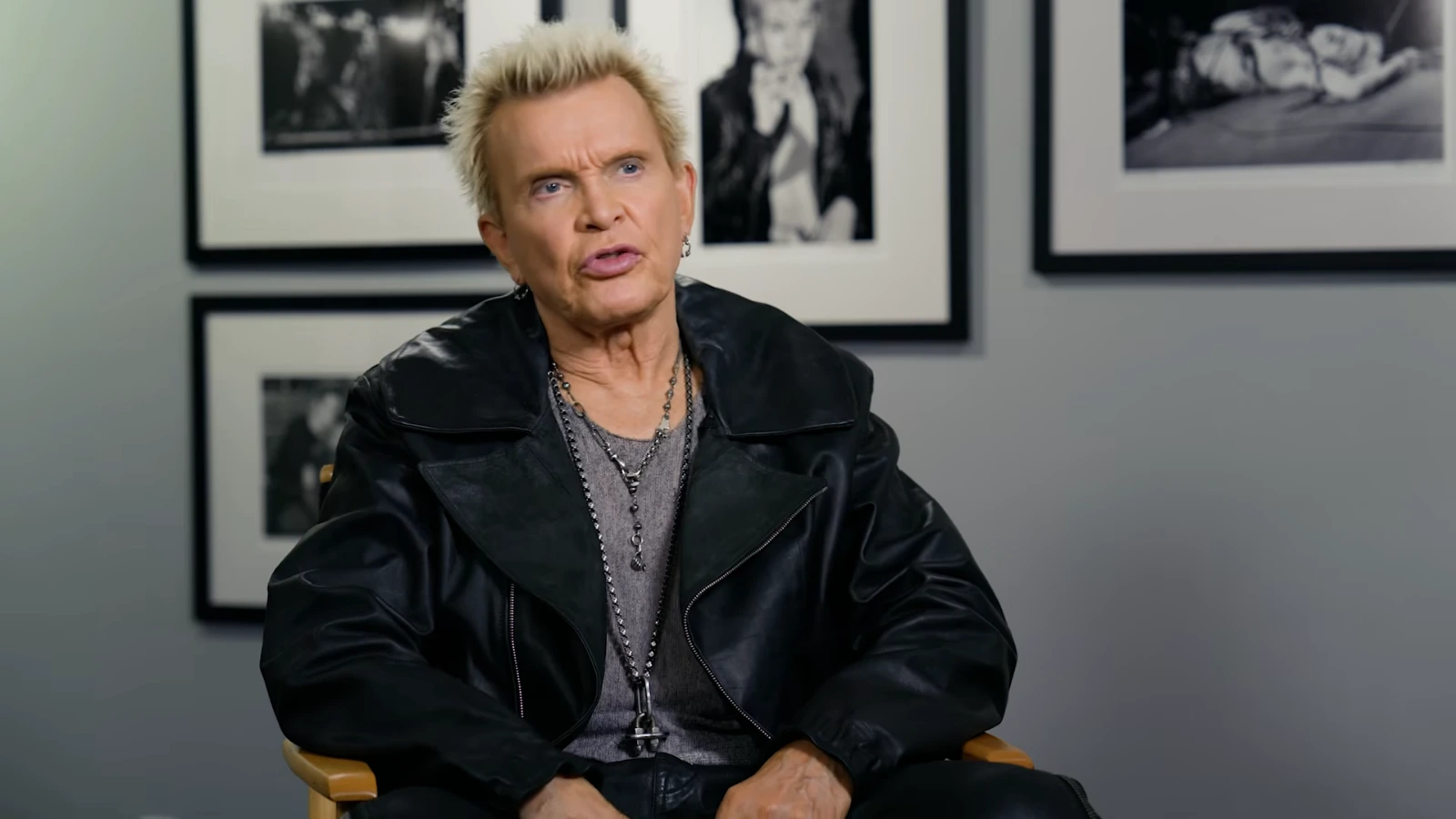
In a career-spanning conversation, Idol returns to his first encounters with 1950s rock, the pull of David Bowie, Iggy Pop, Roxy Music and the Velvet Underground, and the moment punk taught him that an artist could make up the rules—and his own identity. The induction ceremony takes place November 14, 2026, at Los Angeles’s Peacock Theater.
Discover More
Billy Idol: Rock & Roll on His Terms
Trace the music and the attitude behind the Rock Hall 2026 honoree.
Some links may be affiliate links. INYIM may earn from qualifying purchases.
Billy Idol Never Believed Rock and Dance Music Were Opposites
Idol remembers the music that first hooked him at seven years old, then maps a wonderfully restless path from early rock and progressive sounds toward the art-rock outsiders who pushed him to start a band himself. Even Generation X, he says, refused to obey every punk rule: the group made room for short blasts and extended songs such as “Kiss Me Deadly” and “Youth Youth Youth.”
That same appetite for contrast followed him into his solo records. Compare the explosive “Rebel Yell” with the spectral ache of “Eyes Without a Face,” or the dance-floor swagger of “Flesh for Fantasy.” Idol wanted albums that moved in several directions, not a conveyor belt of the same guitar riff. His point is especially delicious for listeners who remember when rock purists treated synthesizers as an invading species.
Idol explains that rock and roll had always been music people danced to. Mixing guitars with synthesizers and dance rhythms was not, in his view, a betrayal of rock but a way of waking it up. Punk and New Wave had the same ambition: make the sound dangerous, alive and impossible to ignore again.
Steve Stevens, Keith Forsey and the Sound That Kept Changing
Idol also gives proper weight to the musical chemistry with guitarist Steve Stevens and producer Keith Forsey. Rather than resting on the success of one era, he remembers a team continually questioning what should come next. From his self-titled solo debut and Rebel Yell through Whiplash Smile, Charmed Life and Cyberpunk, the willingness to experiment is the through line—even when the results took listeners somewhere unexpected.
What survived every change was the spirit he carried out of punk: an excitement that could get people moving, provoke a reaction and make the music feel entirely his own. Idol makes the distinction himself: the solo songs were not necessarily punk records, but the attitude most certainly remained.
The Boris Karloff Inspiration Behind “White Wedding”
One of the most intriguing revelations concerns the visual world of “White Wedding.” Idol traces the video’s graveyard-altar imagery to a Boris Karloff image he remembered: a sinister, clergy-like figure, a black altar and white crosses. He wanted to translate that gothic tableau into color. The result became one of the most recognizable images of the music-video age.
And those now-iconic looks were not handed to him by a stylistic committee. As Idol tells it, nobody chose his name or dictated his clothes and songs. He called himself Billy Idol. What started as self-invention became a public language of leather jackets, spiked hair, wedding dresses and, inevitably, that curled lip.
How MTV Helped Billy Idol Break Through Radio Resistance
He remembers pushback from radio before MTV helped turn his music into a visual and cultural event. Fans encountered the videos, heard the records in clubs and requested the songs on the air. In that collision of television, radio and the dance floor, Idol found an audience that took his whole package—sound, attitude and style—and ran with it.
There is a lovely irony in hearing a figure once associated with youth rebellion talk about joining an institution built to preserve rock history. But for Idol, the point is not nostalgia for a vanished scene. He insists that rock and roll is still alive; the thrill of making something on your own terms has never gone away.
Billy Idol’s Rock Hall Interview: Career Photographs
Idol’s story travels from the punk clubs of London to the American music-video boom. Across that journey, the sharp visual identity and restless musical character became inseparable from the records themselves. Images: Rock & Roll Hall of Fame.
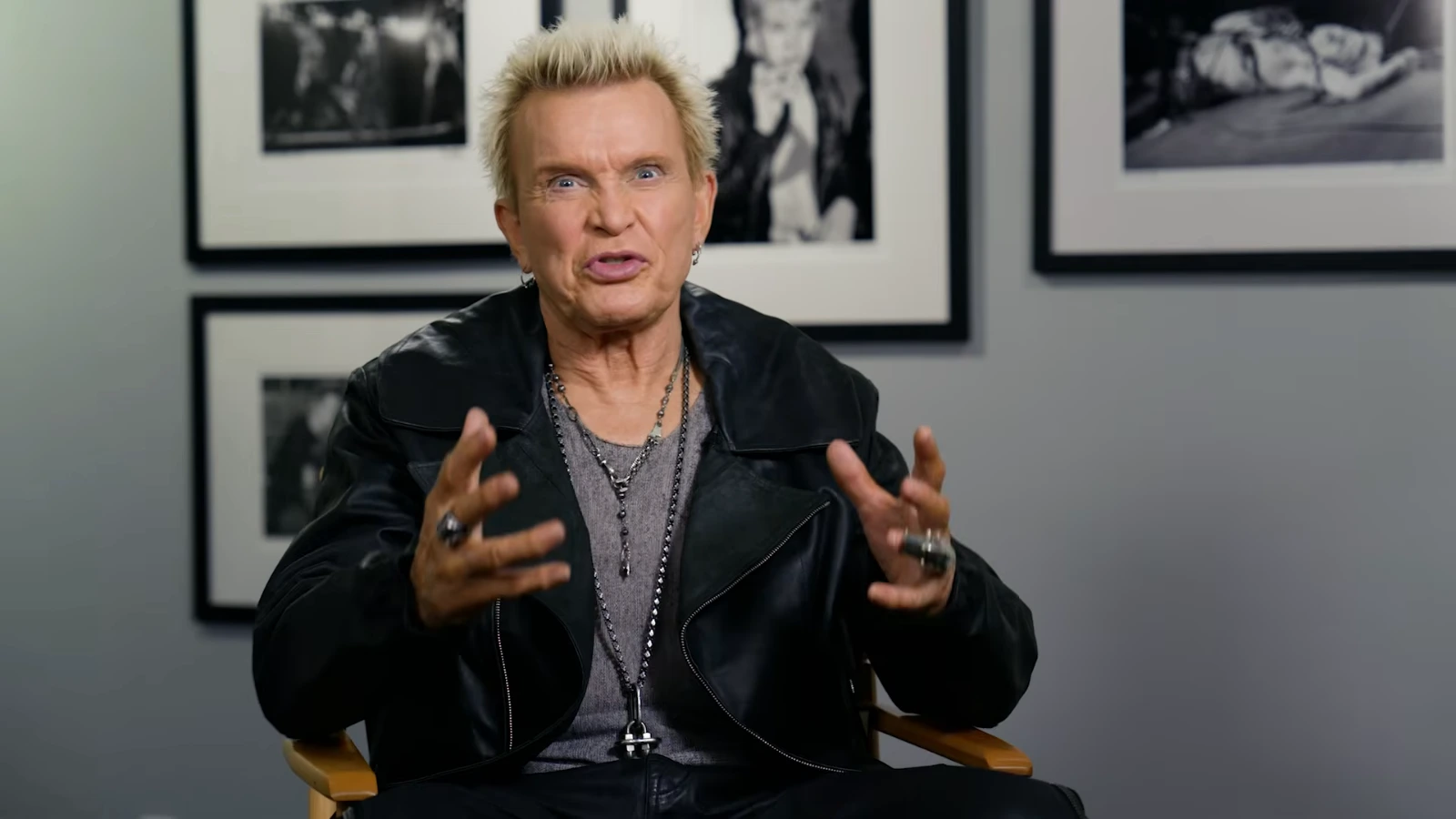
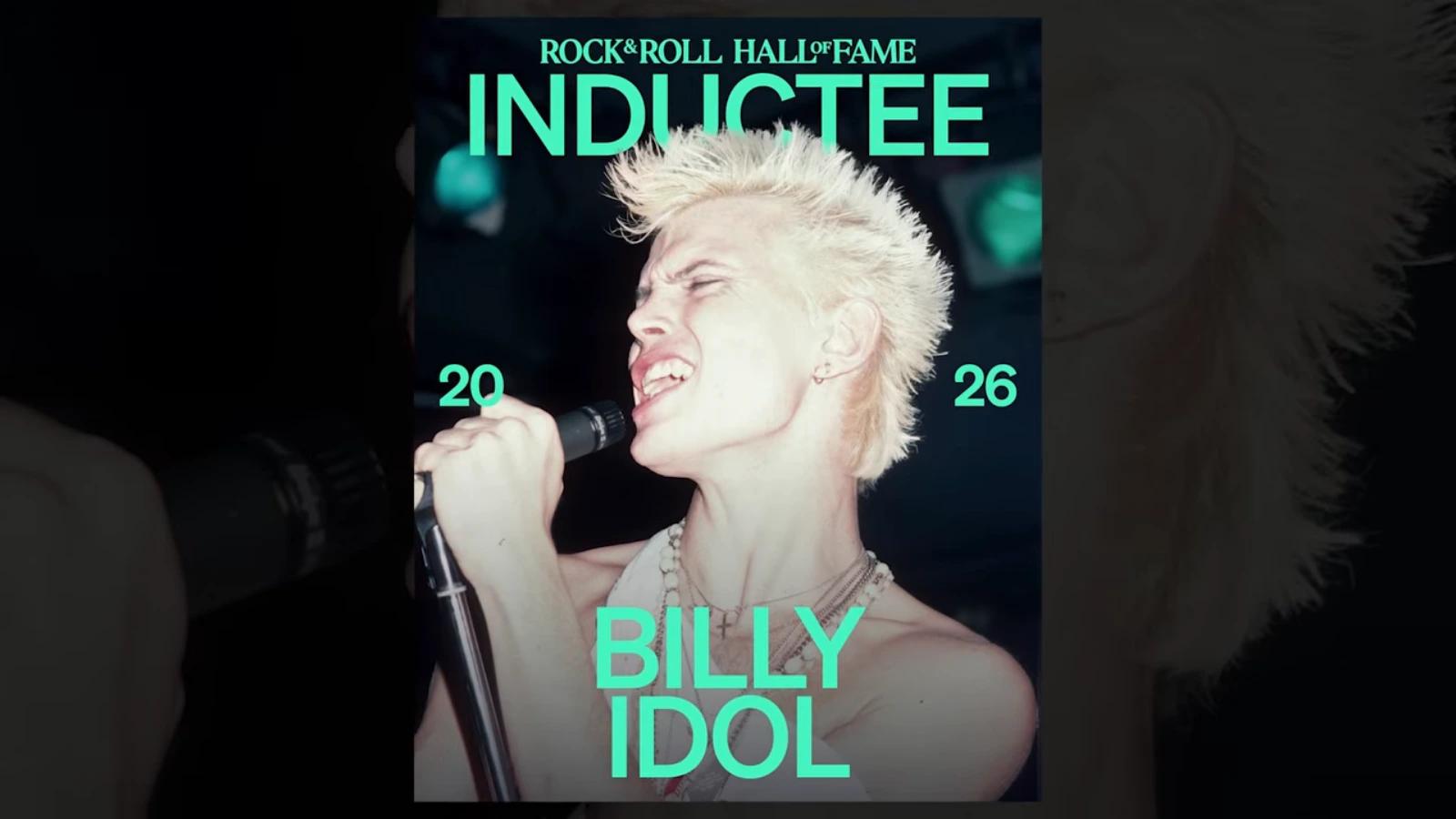
The Hall of Fame recognition also arrives in an active chapter for the singer, following his 2025 album Dream Into It. And while the records belong to different decades, Idol says the thread connecting them still feels natural to him: curiosity, personality and the freedom to try something else.
Billy Idol Reflects on His Career Ahead of His 2026 Rock Hall Induction
Sources: Rock & Roll Hall of Fame, Billy Idol 2026 inductee profile; Rock & Roll Hall of Fame, 2026 induction announcement; Billy Idol career interview.