














Jimmy Jam Revisits Prince’s Firing, Janet’s Independence and the Music Behind the Magic
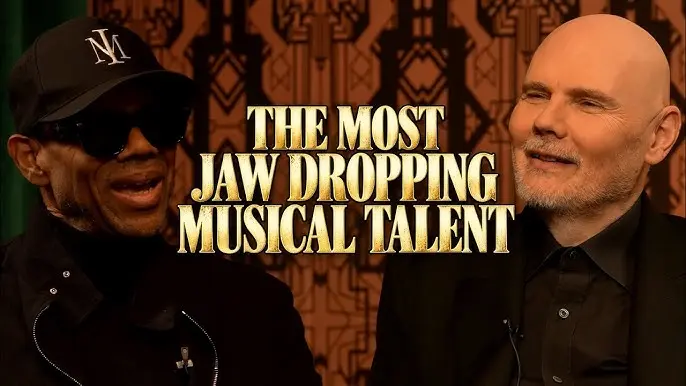
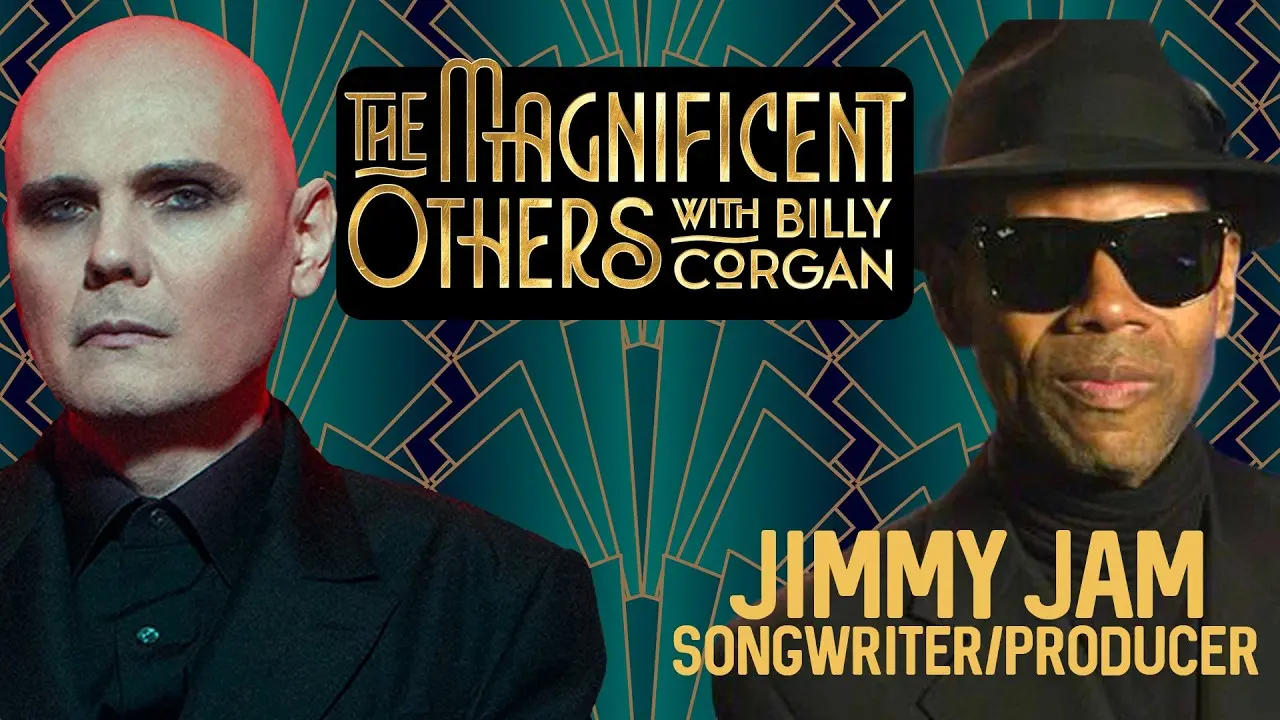
There are career interviews, and then there are conversations where someone who helped shape the sound of an era starts opening the studio doors. Jimmy Jam joined Billy Corgan on The Magnificent Others for an unusually generous journey through Prince, The Time, Janet Jackson, Terry Lewis and the sort of musical details that rarely survive a greatest-hits retrospective.
The irresistible headline is still Prince firing Jam and Terry Lewis after they produced the S.O.S. Band behind his back. As Anthony put it, “He didn’t fire us. He freed us.” But in this October 28, 2026 episode, the real pleasure is hearing what happened in the rooms before and after that moment—and how Jam still thinks about collaboration, technology and discovering new talent.
Prince Fired Jimmy Jam and Terry Lewis—Then an Engineer Hit Play
Jam remembers being summoned to meet Prince, alongside Morris Day and Jesse Johnson, after he and Lewis disobeyed a rule against producing outside artists while working with The Time. Prince asked whether they had produced the S.O.S. Band. They said yes. Prince fired them. Jam says he got up and left while Lewis briefly tried to reason with him.
What happened next is almost cinematic. They went straight to Larrabee to mix “Just Be Good to Me” with engineer Steve Hodge. Noticing their mood, Hodge asked what was wrong. They explained that they had just been fired. Hodge pressed play on the track and told them they had a smash on their hands. Years later, Jam learned that Hodge had already been impressed by their work and had deliberately prepared a mix intended to astonish them.
Lewis’s interpretation remains the perfect closing line to that chapter: Prince had not simply fired them; he had freed them. Jam also acknowledges the control issues involved, while recognizing how abruptly the decision propelled their independent production career.
The Childhood Piano Class Where Jimmy Jam Met Prince
Long before the recording studios, Jam recalls a school piano class where he and Prince were supposed to learn simple sheet music. Once the teacher left, Prince played a lick, Jam answered with a blues phrase, and the two began improvising. Their musicianship quickly became a private conversation of its own.
Later, when both volunteered for a school musical, Prince chose guitar and Jam chose drums. Jam remembers Prince reproducing the guitar solo from Chicago’s “Make Me Smile” with startling accuracy. Then Jam stepped away and returned to discover Prince playing the drums, too. Decades later, Jam says he still regards Prince’s abilities with the same awe.
How Jimmy Jam and Terry Lewis Found Their Signature Sound
The partnership began at a 1973 Upward Bound summer program at the University of Minnesota. Jam heard a young Terry Lewis playing bass in a dormitory and knew he wanted to meet him. Their musical differences were every bit as important as their common ground: Jam loved the harmony-rich pop of Chicago, America and the Carpenters; Lewis introduced him to Earth, Wind & Fire, the New Birth and funkier terrain.
Eventually, they found a formula Jam calls a “funky bottom and pretty top”—hard-working rhythm beneath melodic elegance. Equally important was a handshake agreement to split songwriting credit 50/50, even when one partner did more of the writing on an individual song. Jam describes that arrangement as a way to remove arguments over ownership before they could interrupt creativity.
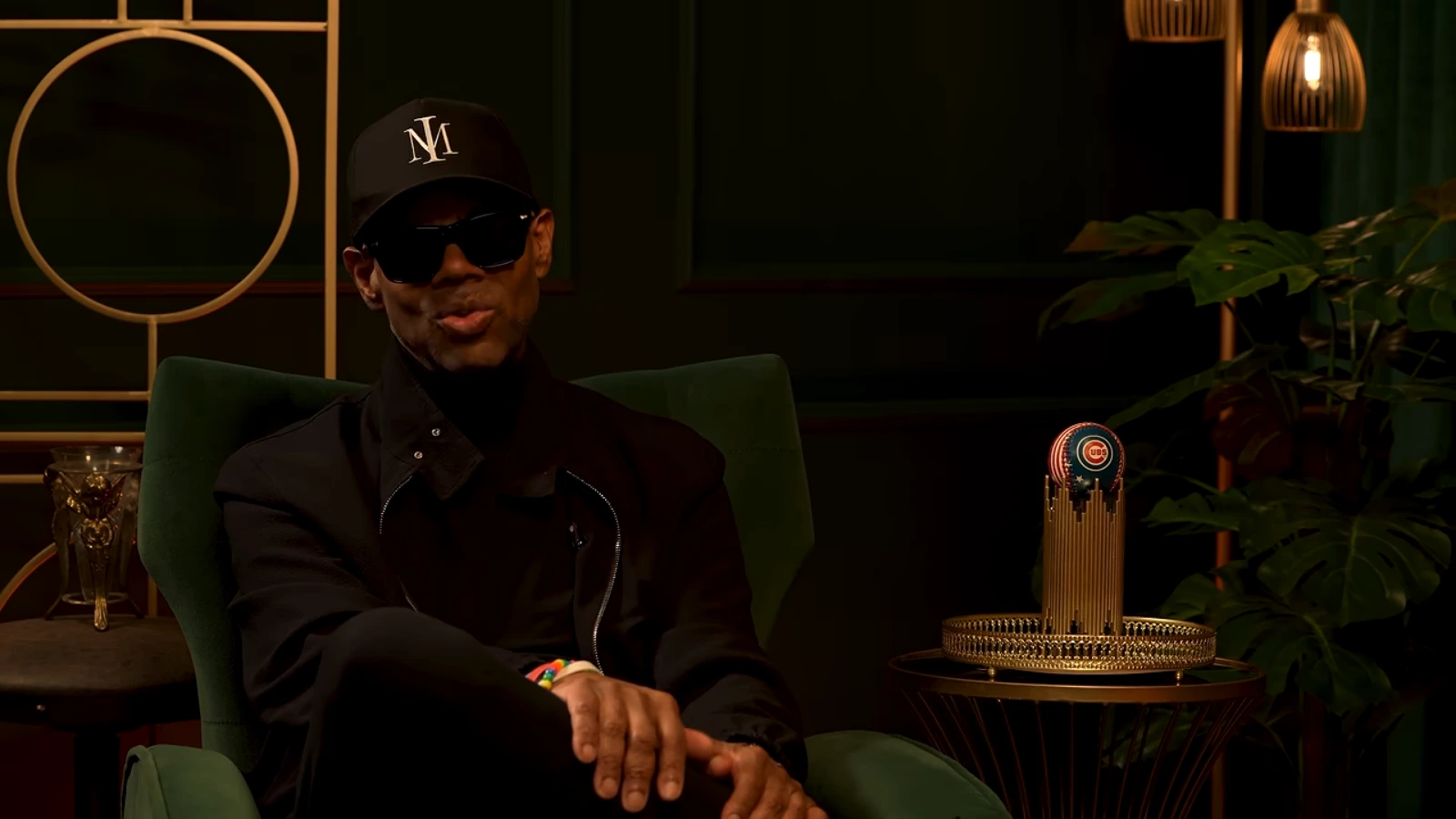
Janet Jackson’s Control Was About More Than a New Sound
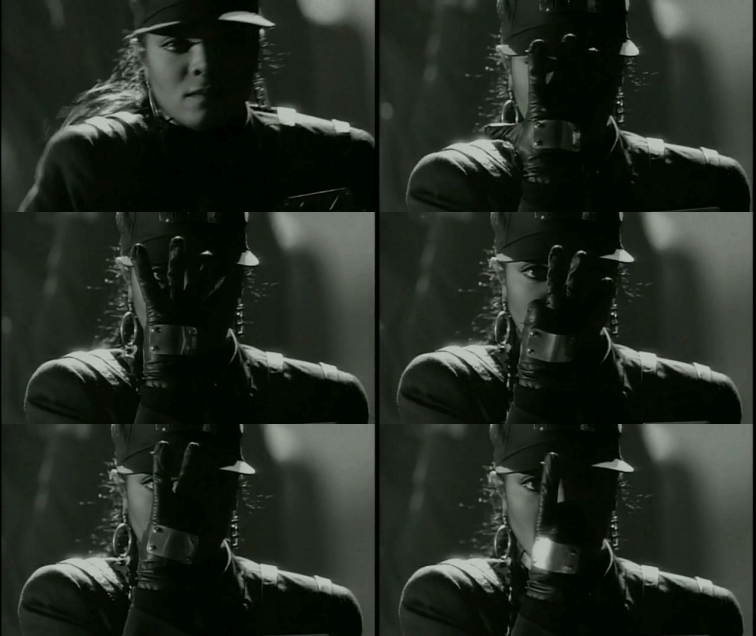
Jam’s recollections of Janet Jackson are especially revealing. When A&M executive John McClain offered Jam and Lewis a roster of possible collaborators, they chose Janet and insisted on making an entire album rather than a few tracks. They wanted the fiery personality audiences already recognized from television to become audible in her records.
His account of the Control sessions is strikingly specific. Instead of surrounding Janet with limousines and security, the Minneapolis experience put her behind the wheel of a Chevy Blazer, with a road guide and directions between the hotel and studio. Jam describes that independence as part of the album’s transformation: Janet was not merely singing about taking charge—she was learning to do it herself.
He also recalls encouraging the attitude in her voice on “Nasty”, including a delivery influenced by how she had sounded after a cold. They spent days talking before recording because they wanted Janet’s actual experiences to shape the songs. When she began recognizing her own conversations in the lyrics, Jam says, she became excited by her new role in the creative process. The result was not simply an impressive production job; it was an artist claiming a voice.
A Studio Education: From Motown Record Labels to Drum Machines
Jam traces his fascination with record-making to childhood. His father, pianist James “Cornbread” Harris, gave him his first paid drumming job at 12; his mother insisted he receive the same pay as any other musician. Another early revelation came from a Supremes record that introduced him to the names behind the music, including Holland–Dozier–Holland. From then on, he studied songwriter and production credits as closely as the performers.
He and Corgan geek out over the unmistakable sound of Motown records, how music cut through AM radio, and Jam’s appreciation for vintage production equipment. Later, when drum machines threatened to unsettle traditional drummers, Jam saw opportunity rather than defeat. His recollections of the rhythmic programming behind Control make it clear that the technology was another instrument in the hands of musicians who understood the feel of a song.
That curiosity has never left him. Whether discussing synth bass, keyboards or the details that distinguish one record from another, Jam makes an argument for musicians learning how records are actually built—not just how to perform them.
Jimmy Jam on AI, Permission and Paying Artists
The interview eventually turns toward an industry that looks very different from the one Jam entered. He does not dismiss artificial intelligence outright. Instead, he compares it to the introduction of automobiles: a useful invention still needs rules, safety measures and clear boundaries. To him, listeners should know when content is AI-generated.
More crucially, he argues that using an artist’s voice or likeness to produce something new should require permission and compensation. He sees real creative potential in the technology, but not if the people whose identities or work power it are left unprotected.
Why Jimmy Jam Still Sends DMs to Rising Musicians
One of the most appealing late-interview revelations has little to do with the stars already on his résumé. Jam says he tries to discover a new artist every day and often sends a direct message simply to tell them that he appreciates their music. Sometimes they do not even recognize who has reached out.
He gives a remarkable example: a message to Inflo of Sault led to a long conversation and eventually to studio work connected with Michael Kiwanuka, Cleo Sol and Sault. For younger artists, his advice is to develop skills beyond performance—writing, production, video and the ability to choose good collaborators—rather than treating follower counts as a substitute for craft.
It all circles back to the core of the interview: what makes music last is not a single producer’s recognizable stamp, but the willingness to build something that genuinely belongs to the artist.
Jimmy Jam’s Musical Life in The Magnificent Others Interview
From his memories of Prince and the early days of The Time to his work with Janet Jackson and the S.O.S. Band, Jam traces how distinct musical influences became a career-spanning production partnership with Terry Lewis.
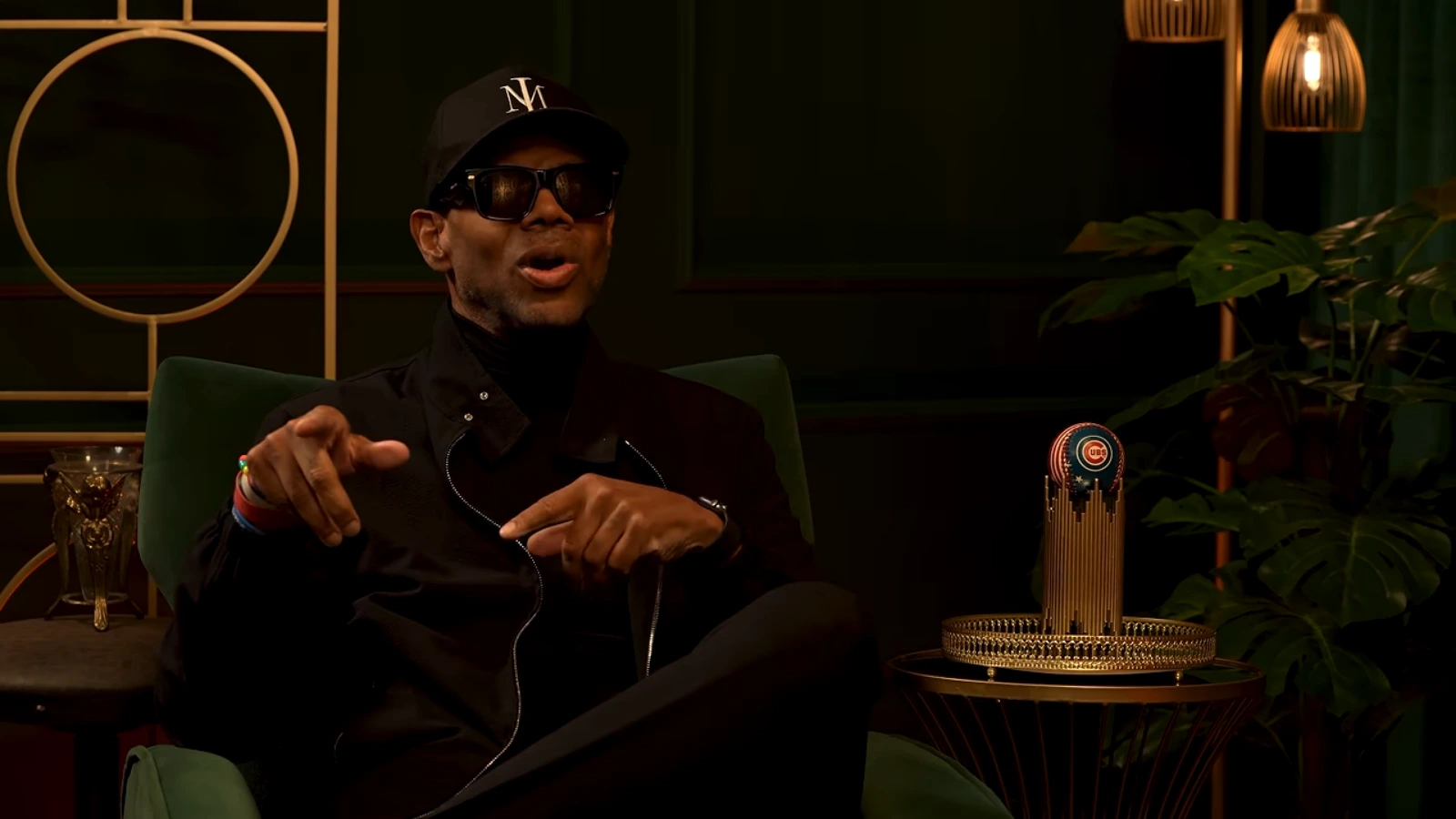
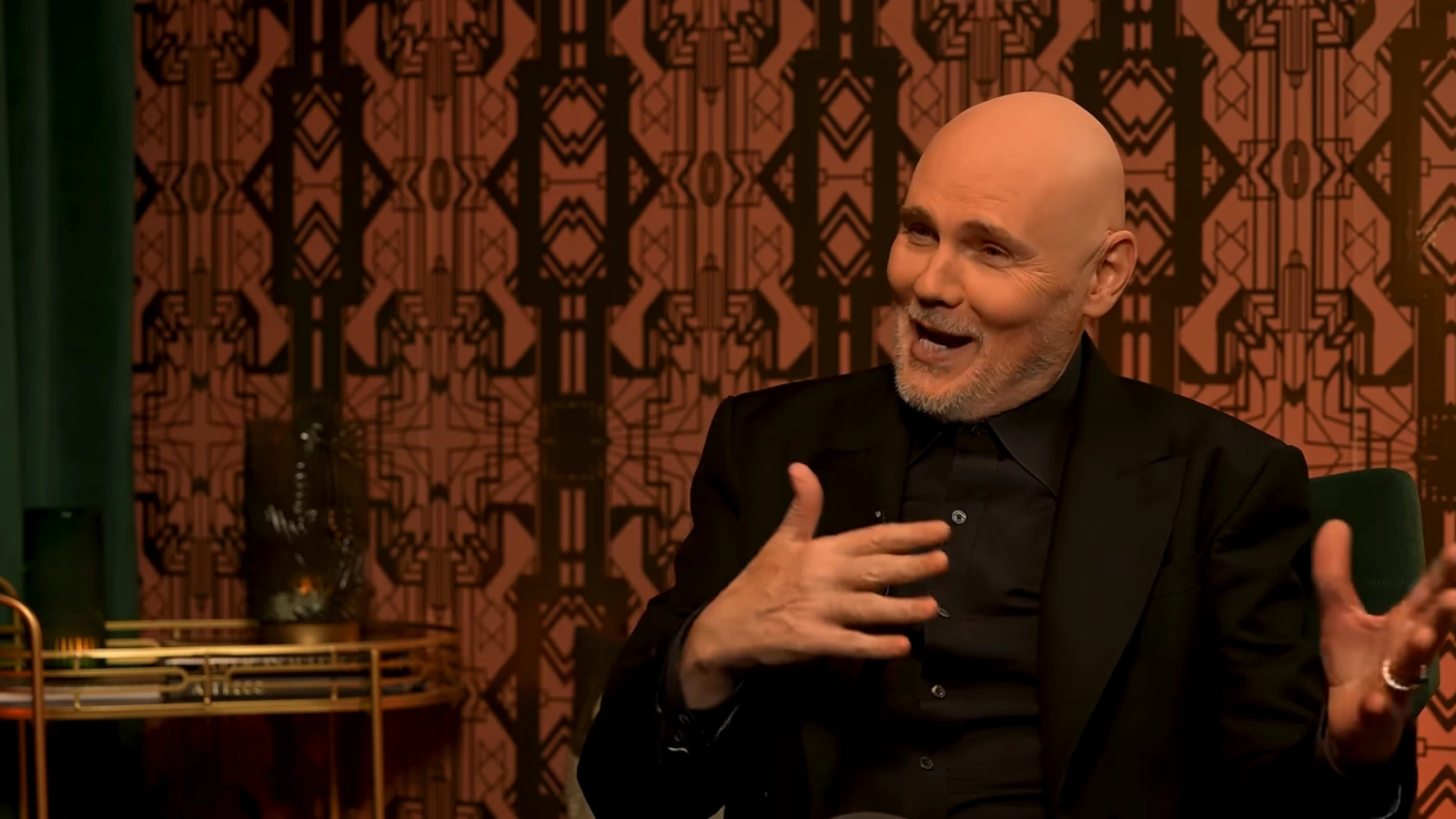
Jimmy Jam’s Prince, Janet Jackson and Studio Stories With Billy Corgan
Across the conversation, Jam revisits his early years, the making of Control, the freedom that followed The Time, and the changing craft of making records.
Source: The Magnificent Others with Billy Corgan — Jimmy Jam interview, October 28, 2026.