
















A Family Story Opens a New Door Into America’s Unfinished Past
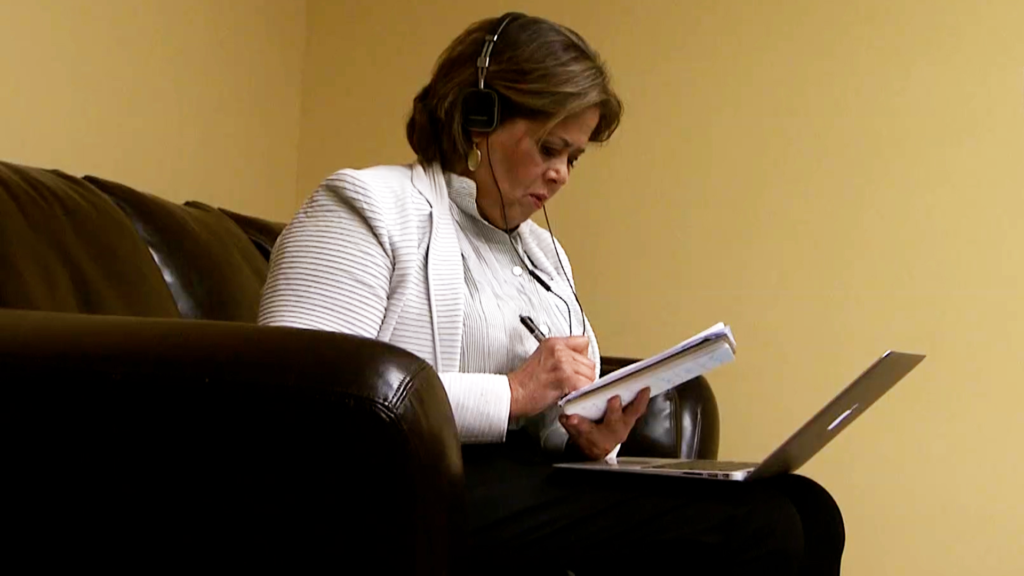
Actress extraordinaire Anna Deavere Smith has spent decades examining America by stepping inside the words, rhythms and contradictions of other people. Now she is bringing that same theatrical curiosity home.
Beloved for her screen work in The West Wing, Nurse Jackie, The Practice and beyond, Smith is also one of thee most singular playwrights of her generation. Her documentary-theater style has long explored moments of national fracture, using interviews and real voices to build one-woman works about race, unrest, education and the messy business of American identity.
With Basil Biggs, however, Smith is doing something new: looking directly into her own family tree and asking what one ancestor’s life can reveal about her place in the country today.
Discover More
Step deeper into Anna Deavere Smith’s work
Explore Smith’s official projects, then revisit the plays and performances that reshaped documentary theater.
Some links may be affiliate links. INYIM may earn from qualifying purchases.
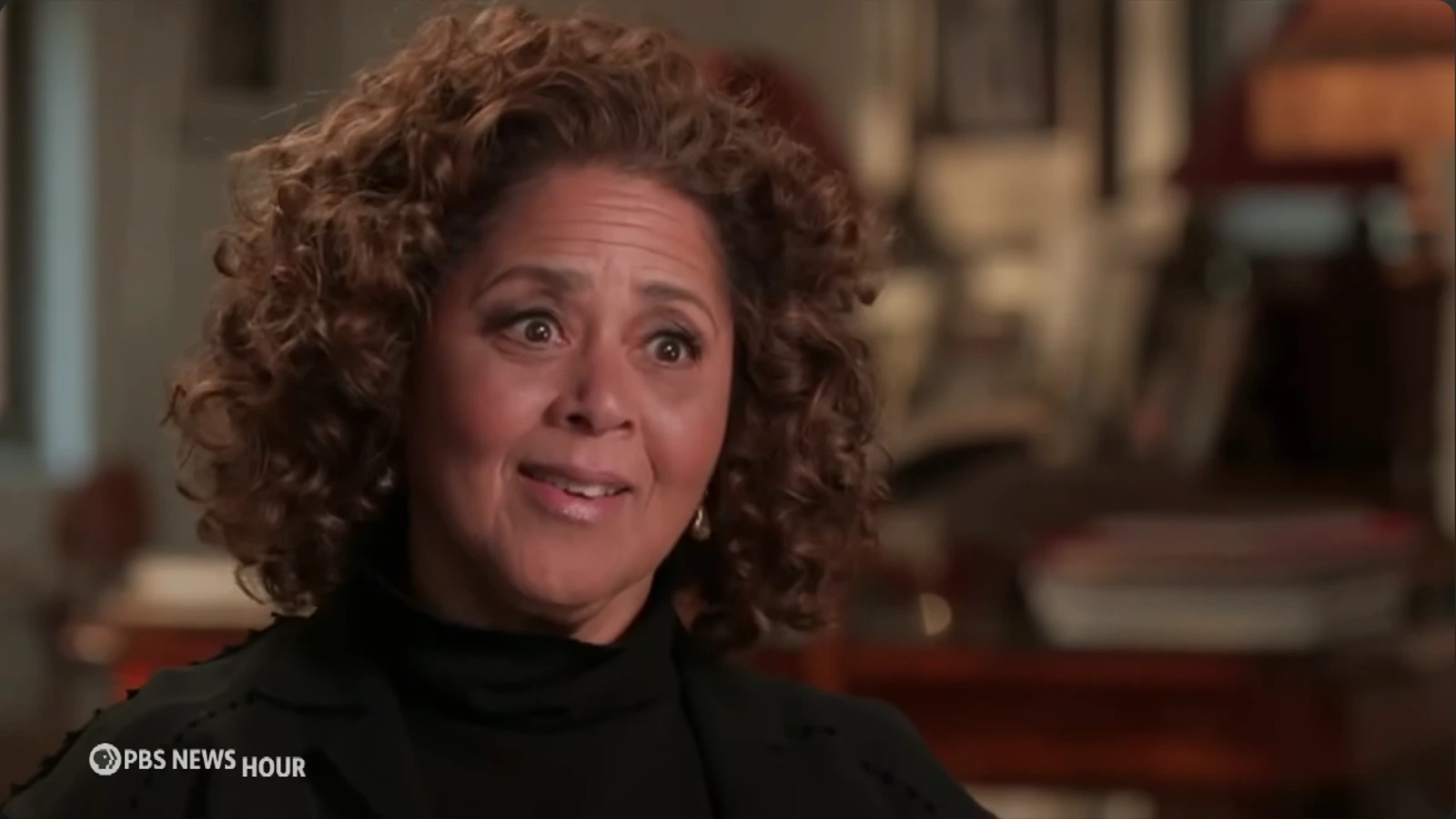
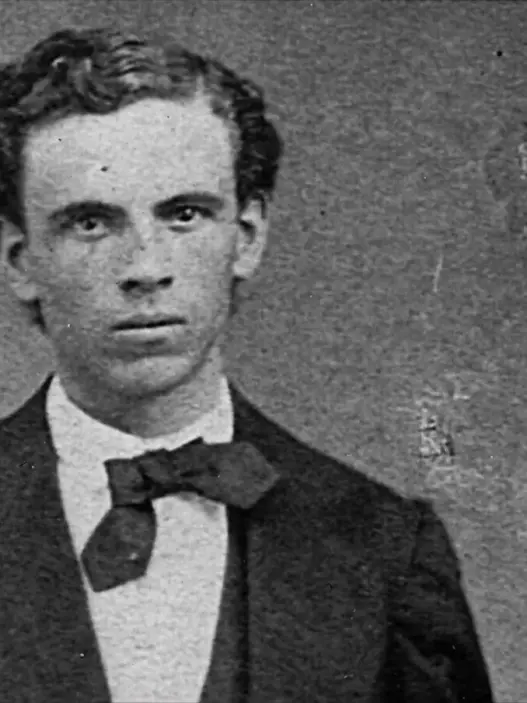
Smith first learned more about Basil Biggs through PBS’s Finding Your Roots, hosted by Henry Louis Gates Jr. Biggs, the mixed-race son of a slave owner and an enslaved woman, lived as a free man, worked as a veterinarian and aided people escaping slavery through the Underground Railroad.
That history alone would have been remarkable. But Biggs also took on another extraordinary task after the Battle of Gettysburg: helping disinter Union soldiers so they could be reburied in the new national cemetery before Abraham Lincoln delivered the Gettysburg Address on November 19, 1863.
For Smith, discovering that story helped her understand what she called her own “stake in the country.” Her great-great-grandfather had cared enough about America—and about those fallen soldiers—to ensure they received a decent burial.
The project also presented Smith with a challenge unlike the ones that shaped works such as Fires in the Mirror, Twilight: Los Angeles, 1992 and Notes from the Field. Her celebrated method depends on words: interviewing people, studying their speech and locating identity in language. Basil Biggs did not leave behind a written record in his own voice.
Instead, Smith turned to photographs, archives and the physical landscape of Gettysburg. Visiting the farm, house, barn and creek connected to Biggs gave her what language could not—a sense of place strong enough to begin imagining him as a full human being rather than merely a historical figure.
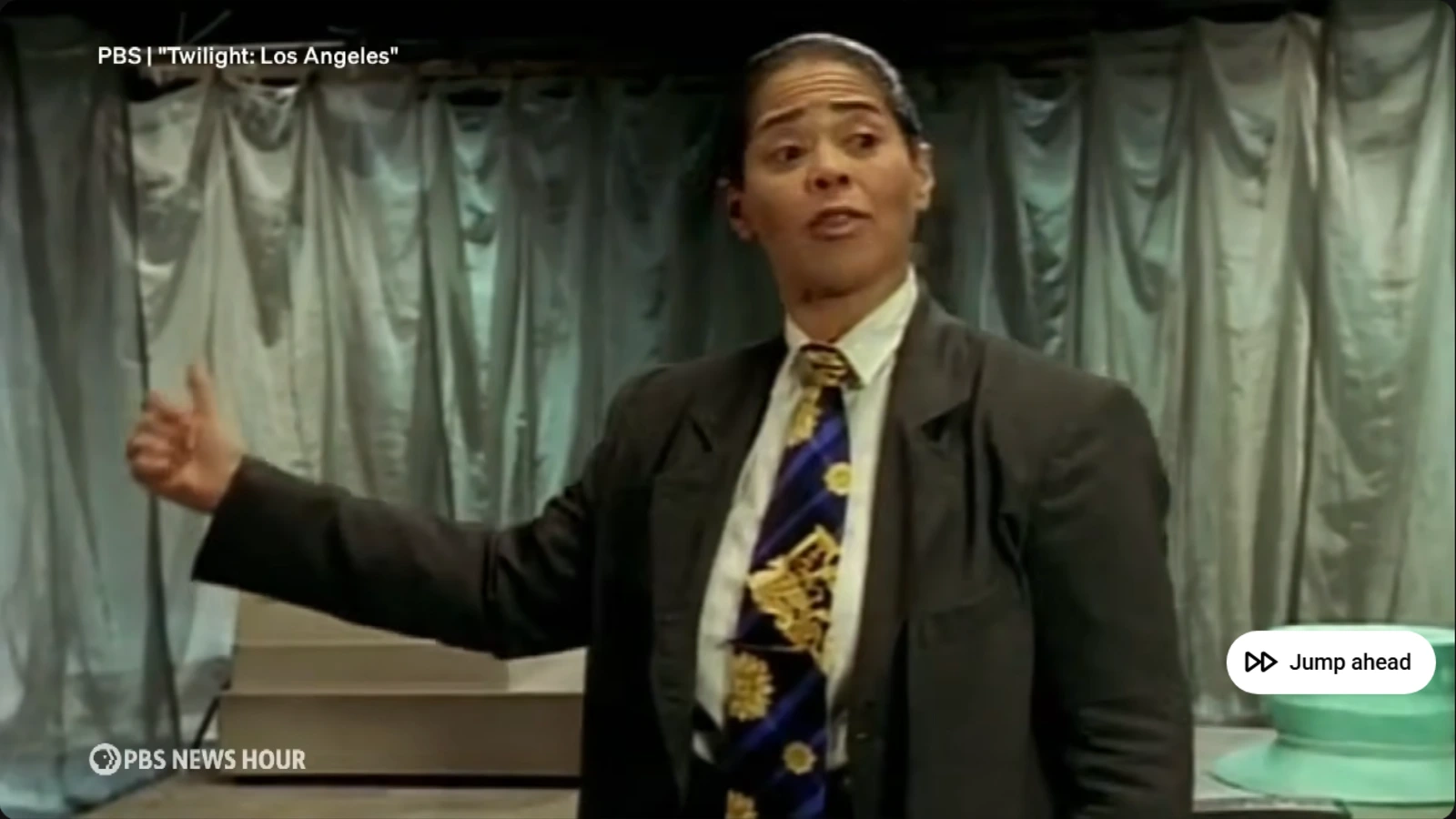
The work-in-progress was presented at Philadelphia’s Wilma Theater as part of the citywide What Now? arts festival. The play follows Biggs and his family through 1872, after the Civil War has ended but while freedom remains shadowed by violence, repression and the growing presence of the Ku Klux Klan.
That unresolved ending is deliberate. Smith does not offer a comforting bow or pretend that everything turned out all right. Instead, she leaves audiences with the unfinished work of the country itself—an America her ancestor helped build, bury and believe in, even as its deepest wounds remained open.
PBS NewsHour’s Jeffrey Brown met with Miss Smith in Philadelphia for the arts and culture series CANVAS, exploring how Basil Biggs connects family memory, place and the long-running American argument Smith has spent her career putting onstage.
Watch Anna Deavere Smith Bring Basil Biggs’ Story to the Stage
PBS NewsHour visits Smith at the Wilma Theater as she develops Basil Biggs, a deeply personal play about her great-great-grandfather’s life, legacy and place in American history.
Source: PBS NewsHour.