


















Sometimes a parent does not respond to a child’s independence with pride, but with resentment, control, and emotional punishment — and the fallout can leave lasting trauma, PTSD, and anxiety.
Credit: Illustration: INYIM Media
There is a truth many people still struggle to say out loud: yes, your parent can be jealous of you.
People love to romanticize parenthood as if giving birth automatically creates unconditional love, emotional maturity, and care. It does not. Some people have children because they deeply want to nurture a life. Others do it because they feel pressure to marry, settle down, and check the boxes they were told a successful life is supposed to include.
And when a child is born into obligation instead of love, the damage often does not show itself all at once. It reveals itself over years — in control, resentment, emotional manipulation, and the strange ache of realizing that the person who should have protected you also competed with you.
When Love Is Obligation, Not Nurturing
Credit: Illustration: INYIM Media
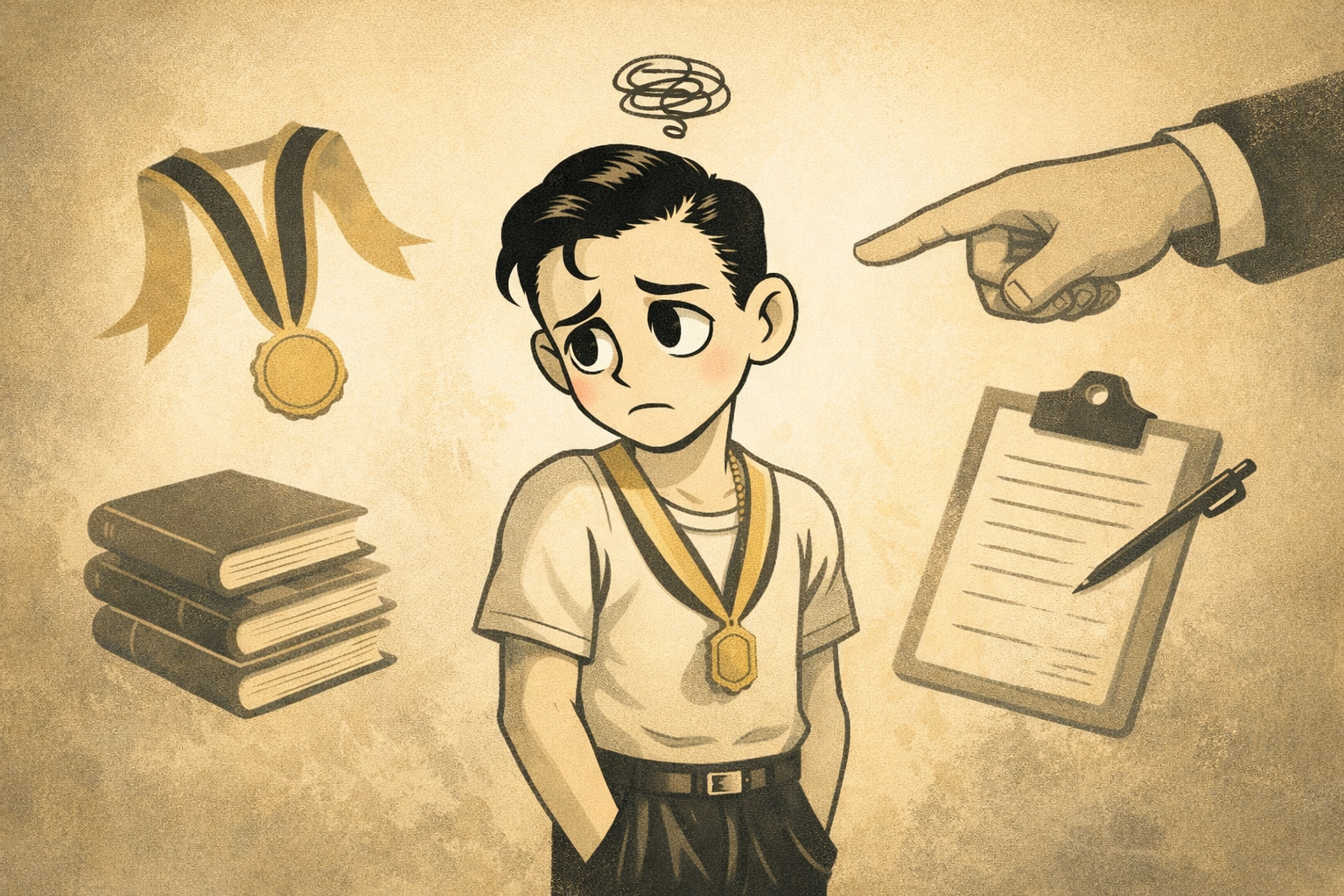
In our case, our mother did not seem to have children because she was filled with a real desire to love and raise them. It felt more like she did what she thought she was supposed to do: marry, have children, and complete the image.
That difference matters.
Because when genuine parental love is missing, a child can become less of a person and more of a role.
We were expected to be everything at once: her son, her friend, her assistant, and her medal of honor. We were expected to go to college, follow the path she approved of, and live a life she could point to with pride. Not because she truly cared what fulfilled us, but because our obedience would reflect well on her.
That is not love. That is possession dressed up as parenting.
The Jealousy Shows Up in Small Cruel Moments
Credit: Illustration: INYIM Media
What makes this kind of jealousy so disturbing is that it often reveals itself in small moments that say everything.
When we spent time next door babysitting a neighbor’s children, our mother asked, “Do you wish she was your mom?” That is not a secure parent speaking. That is someone threatened by the possibility that warmth, attention, or emotional safety could come from somewhere else.
Later, when we got into a relationship, her response was not joy. It was, “So you’re going to leave me alone?” Again, our happiness was not the focus. Our growth was treated like betrayal. Our life changing was framed as abandonment.
That is how toxic jealousy works. A jealous parent does not celebrate your growing world — they treat every person who loves you as competition.
Sometimes the jealousy did not even need words.
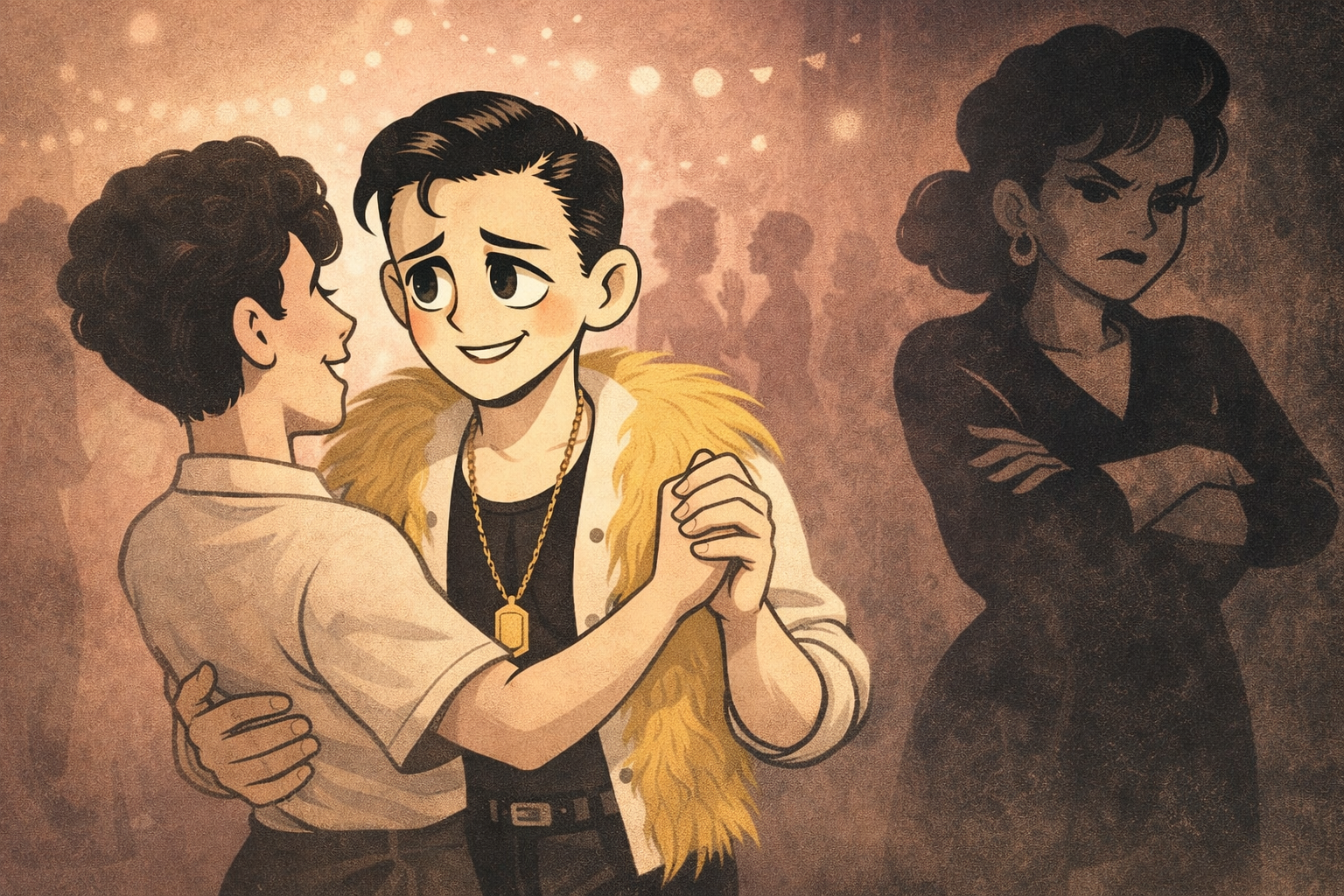
At a New Year’s gathering, she saw us dancing with one of her friends and stood there with a piercing look of disgust on her face. Not pride. Not amusement. Not affection. Just visible contempt, as though something as innocent as dancing had crossed a line.
It was one of those moments that tells you everything you need to know without a single sentence being spoken.
And the irony was hard to miss. This was a friend she only had because she had stolen her from her own sister. That pattern says a lot. Some people do not know how to build love honestly. They compete for it. They take it. They hoard it. And then they become enraged when connection flows naturally somewhere else.
That same instinct can spill onto a child.
When Boundaries Go Up, the Attack Changes Shape
Credit: Illustration: INYIM Media
It does not stop when the child becomes an adult, either. In many cases, it gets worse.
The older you get, the more obvious it becomes that your life is your own. Your choices, your relationships, your joy, your identity — all of it starts moving beyond their reach. And for a parent who confuses closeness with control, that freedom can feel unbearable.
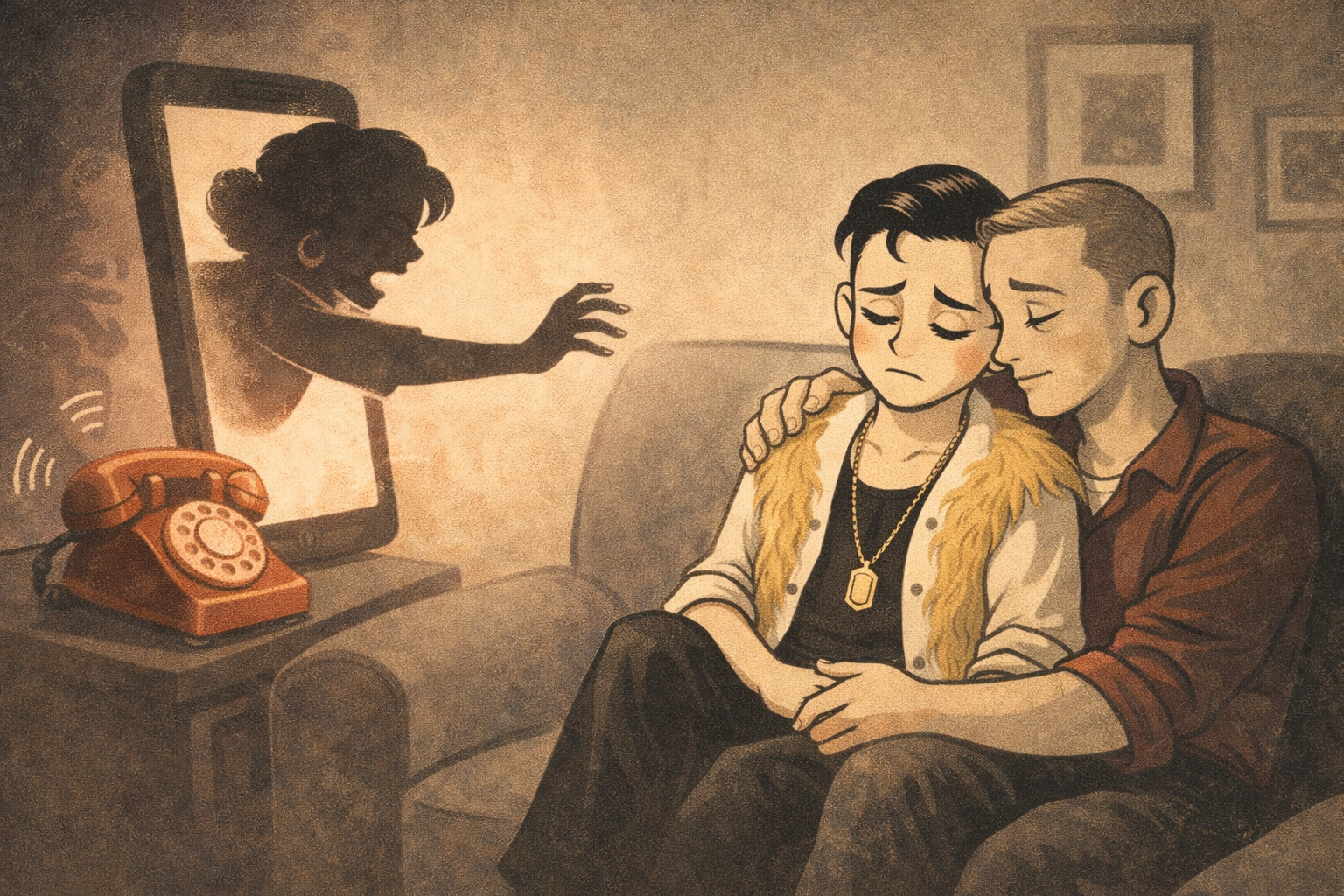
When we finally blocked her mentally, physically, and socially online, that should have been the end of it.
It was not.
Once she could no longer reach us the old way, she went after our partner of over 25 years. She came in from another angle.
That move said everything.
A loving parent does not attack the person who has stood beside their child for decades. A loving parent does not punish the support system that helped their child finally feel safe. That is not concern. That is retaliation.
It is what happens when direct control stops working and the toxic person starts looking for a side door.
When a toxic parent loses access to you, they often go after the people who helped you finally feel safe.
Denial Is Part of the Pattern
And when confronted about any of it, the response never brings accountability.
First comes denial.
Then deflection.
Then the final shrug meant to shut the entire conversation down: “I’m old. I’m not going to ever change.”
But age does not excuse harm. Refusing to change does not make the damage smaller. It only confirms that the pain was seen and dismissed.
That is one of the hardest truths survivors of parental abuse have to live with: sometimes the person who hurt you knows exactly what they are doing, but values their own comfort more than your healing.
Trauma Lives Long After the Parent Moves On
Credit: Illustration: INYIM Media
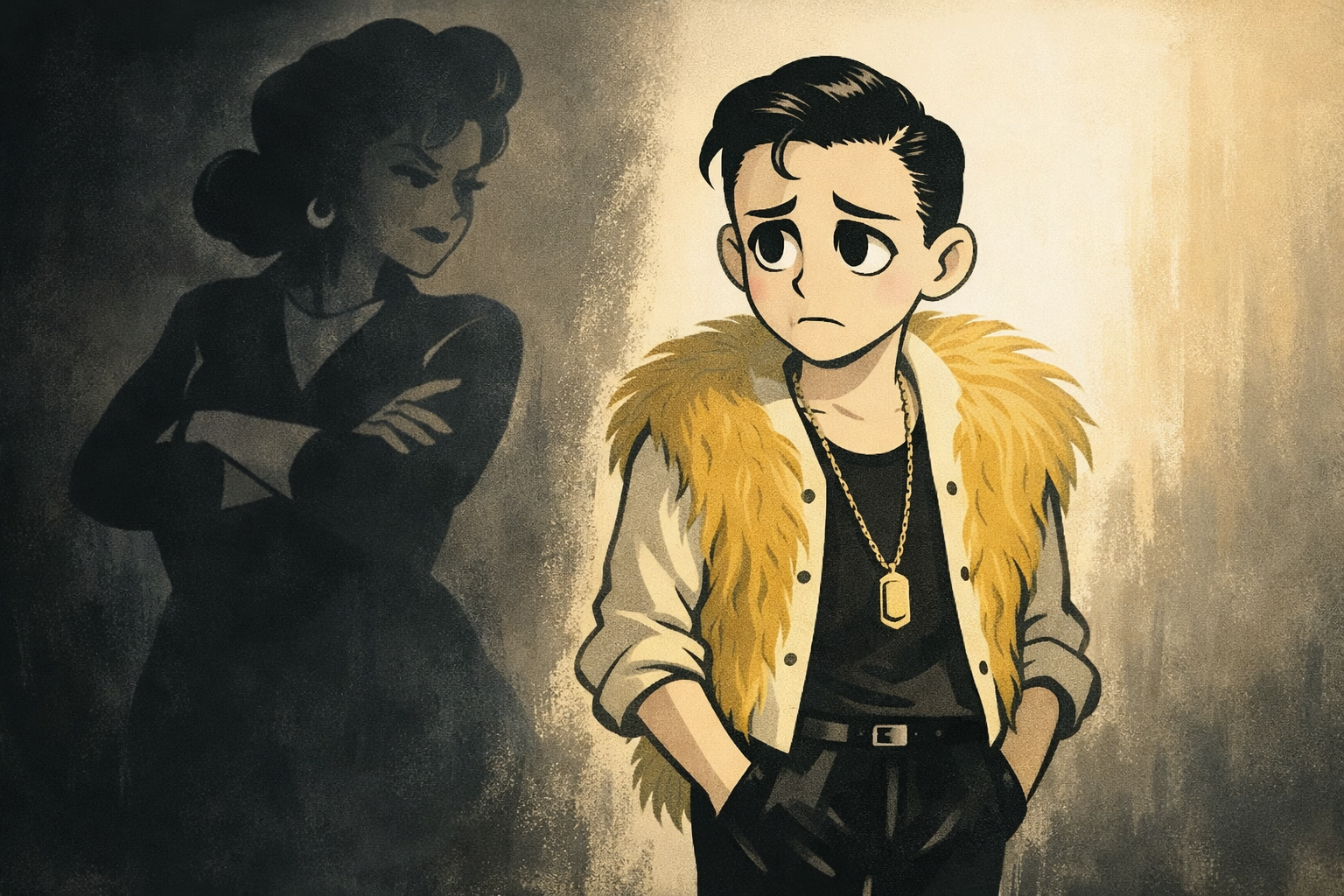
For us, the aftermath of that abuse did not end when the moment passed. It turned into years of trauma, PTSD, and anxiety. It settled into the body, the mind, and the nervous system.
It made things hard that should have been easy.
Peace did not come naturally.
Trust did not come lightly.
Even ordinary moments could feel loaded, tense, or unsafe because survival had become a way of living.
That is one of the cruelest parts of parental abuse. The parent may move through life acting as if it was just their personality, just their way, just something everyone should accept. But the child is the one left carrying the aftermath.
The child is the one who has to live with the panic, the grief, the hypervigilance, the sadness, and the confusion. The child is the one who has to build safety in places where safety should have existed from the start.
It still is not easy when it should have been easy.
That may be one of the deepest wounds of all.
Love should have been easy.
Family should have been easy.
Feeling protected should have been easy.
Simply being a child should have been easy.
But when the very person who was supposed to nurture you became a source of pain, even healing can feel like learning life from scratch.
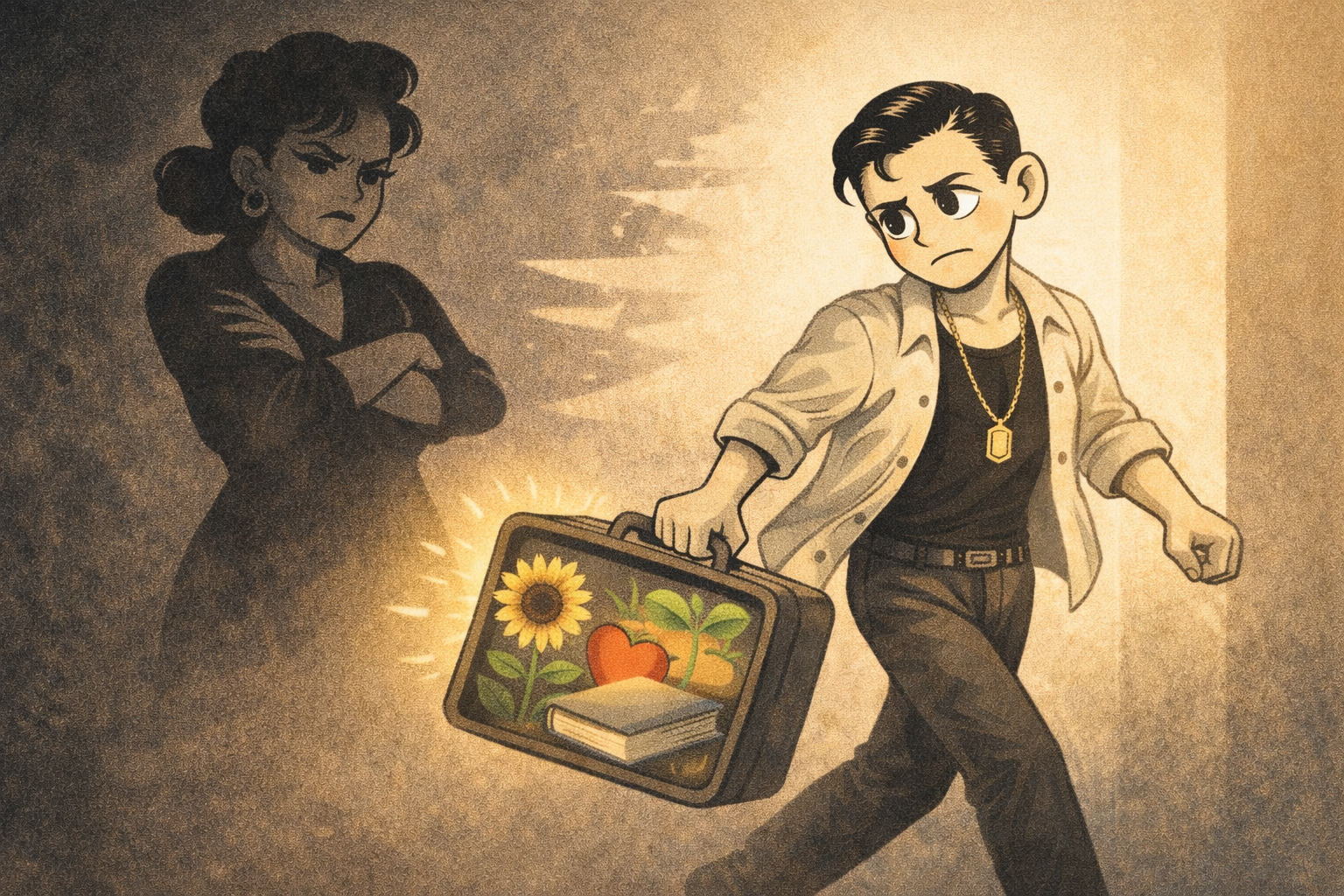
Naming the Truth Is Part of Healing
Credit: Illustration: INYIM Media
Society still protects parents with silence. People are quick to say, “She did her best,” as if that erases the harm. They treat motherhood and parenthood as sacred titles, even when the behavior underneath them is cruel, controlling, jealous, or abusive.
But a title does not make a person safe.
And giving birth does not automatically make someone loving.
Some parents do not celebrate the life they helped create. They resent the freedom, beauty, attention, voice, and possibility that child carries. They see independence as rejection. They see love from others as competition. They see growth as disobedience.
And naming that truth does not make the child cruel.
It makes the child honest.
Because healing cannot begin until the performance ends.
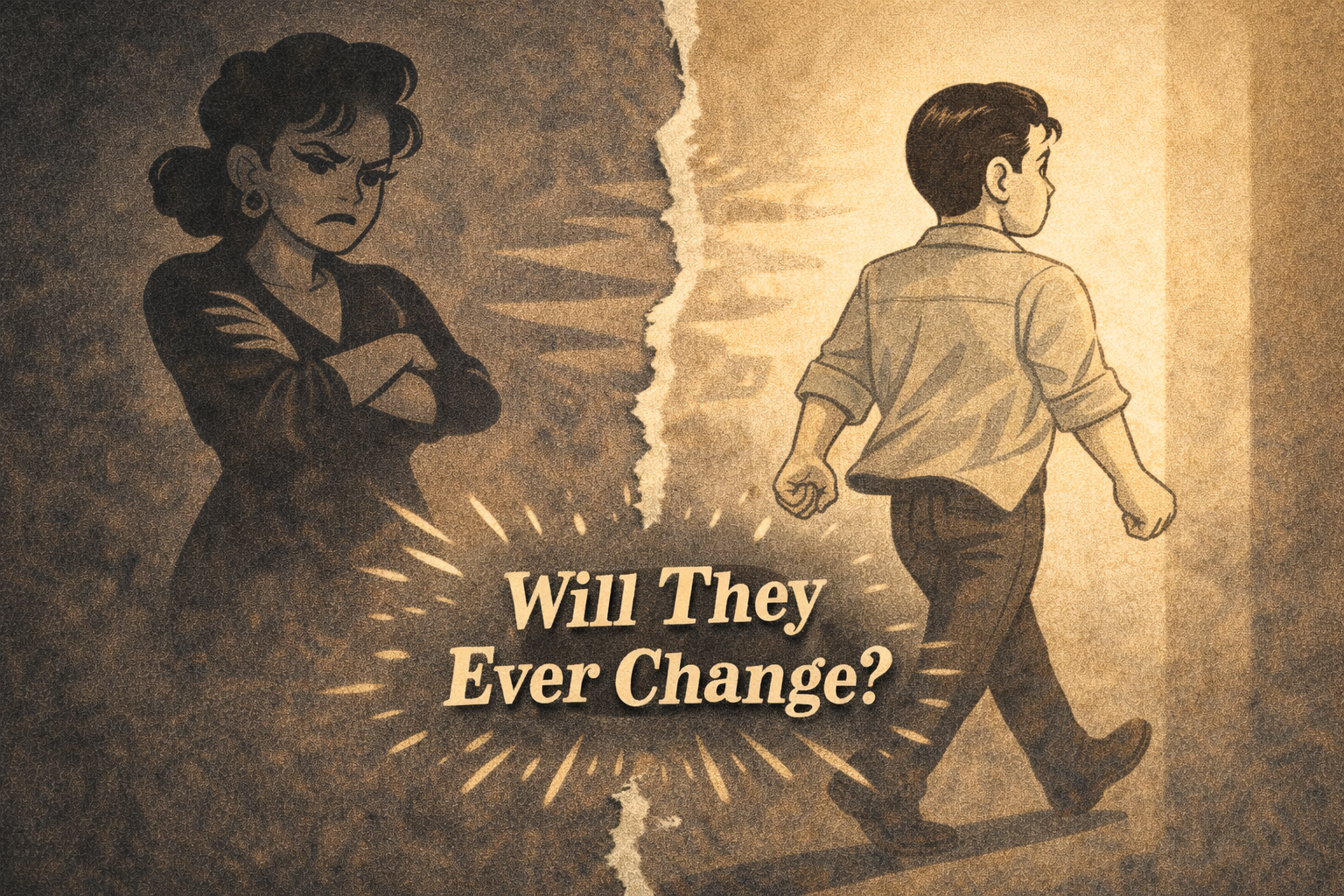
Will They Ever Change?
Credit: Illustration: INYIM Media
Maybe. But not because you begged harder, explained better, or suffered more quietly.
People only change when they are willing to face themselves, take accountability, and stop protecting the behavior that hurts others. And many toxic parents never get there.
Some deny.
Some deflect.
Some minimize.
Some fall back on age, pride, or victimhood.
And some would rather lose their child than lose control.
That is a painful truth, but it is still the truth.
What should you expect from them? Expect them to remain who they have shown themselves to be unless they make a real, sustained choice to change. Not a speech. Not a guilt trip. Not a temporary soft moment. Real change.
For us, it has felt better to stay away. Distance has not been cruelty. Distance has been protection. Distance has been what made peace possible.
And if staying away is what finally gives you peace, safety, and room to heal, there is no shame in that.
Sometimes the healthiest thing you can do is stop waiting for the parent you needed and protect the person you are now.
Not every relationship is meant to be repaired. Some are meant to be survived.
When a parent sees your happiness as abandonment, that is not love speaking — that is possession.
Disclosure: This post may contain affiliate links. As an Amazon Associate, INYIM Media earns from qualifying purchases.
If this story resonated with you, share your experience in the comments — your voice may help someone else feel less alone.