

















The Warning Was There—The Listening Part Is Where Society Failed
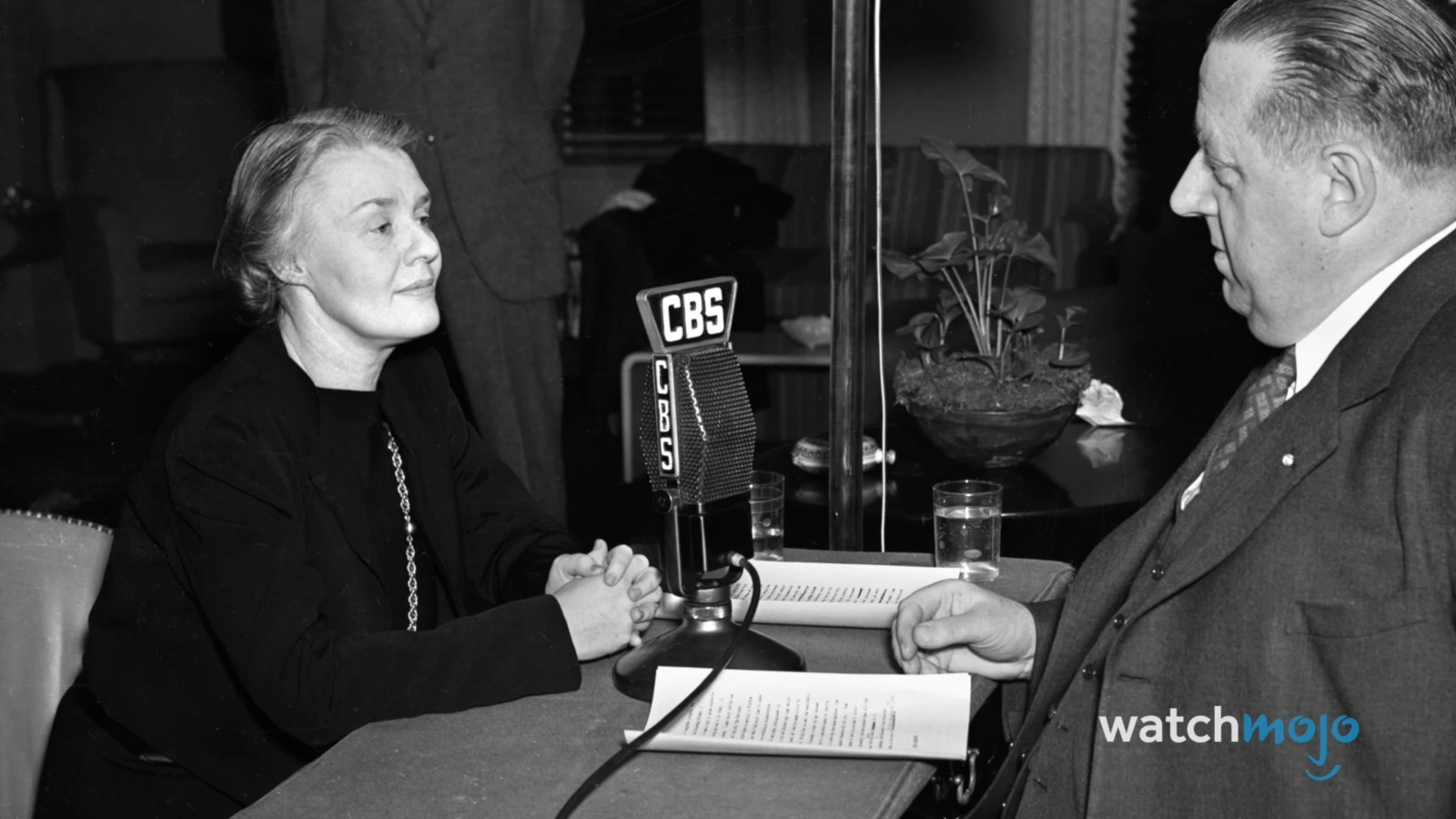
Do not lie and say nobody warned us. WatchMojo’s “20 Regular People Who Tried to Warn Us About TERRIBLE People” turns the spotlight away from infamous names and toward the whistleblowers, survivors, journalists and bystanders who spoke up before the wider world was ready—or willing—to listen.
The subject lands close to home because ignored warnings rarely look dramatic in real time. They often arrive as an uncomfortable story, a pattern somebody would rather dismiss, a complaint that threatens a profitable arrangement or a person insisting that the charming public version does not match what happens behind closed doors.
Only later—after the fraud collapses, the abuse becomes undeniable or the danger can no longer be contained—does everybody suddenly discover the vocabulary of shock. The people who spoke first are then treated like prophets, even though many of them were simply paying attention and refusing to pretend.
Discover More
Listen Before the Retrospective Arrives
Explore WatchMojo’s long-running countdown universe, then read two sharp books about ignored warnings, institutional failure and recognizing danger before the damage spreads.
Some links may be affiliate links. INYIM may earn from qualifying purchases.
WatchMojo Has Been Ranking Pop Culture Since the Early YouTube Days
Founded in Montreal on January 23, 2006, WatchMojo began with how-to videos, guides, interviews and street segments before its countdown format became one of the internet’s most recognizable forms of pop-culture programming.
Over the years, the company’s lists have covered movies, television, music, history, scandals and nearly every corner of popular culture capable of being numbered. The format is familiar, but this episode uses that familiarity to make a heavier point: history often remembers the terrible person more clearly than the ordinary person who tried to stop them.
The villain receives the documentary. The person who filed the complaint receives three sentences in the final act.
This countdown attempts to reverse that imbalance by centering the people who noticed danger early enough to say something. Their circumstances differ, but the resistance they faced tends to repeat: disbelief, intimidation, institutional self-protection, public loyalty to a powerful figure and the exhausting demand that a warning arrive with courtroom-level proof before anyone agrees to take it seriously.
Power Makes Warning Signs Easier for Everyone Else to Explain Away
People are especially skilled at ignoring information that threatens something they enjoy or depend upon. A successful athlete can become larger than the evidence surrounding him. A celebrated investor can seem too respected to be running a fraud. A familiar neighbor can appear too ordinary to be capable of violence.
The episode spans figures including Jeffrey Dahmer, Bernie Madoff and Lance Armstrong, moving between violent crime, financial corruption and deception inside elite sport. The wrongdoing differs enormously, but the social machinery around it can look disturbingly similar.
Reputation becomes a shield. Institutions calculate the cost of acting. Friends and colleagues defend the version of a person they prefer. Outsiders are told they misunderstood, exaggerated or should remain quiet until somebody more important agrees with them.
By the time the world announces that the truth was obvious, somebody has usually spent years being punished for noticing it.
“Why Didn’t Anyone Say Something?” Is Often the Wrong Question
The more useful question is what happened after somebody did say something. Was the warning documented? Was it investigated? Did the institution protect the person reporting it, or did it protect its own image? Did journalists keep digging? Did friends listen without immediately searching for a reason the speaker must be wrong?
Those questions shift responsibility away from the fantasy that one brave person should be able to defeat an entire system by speaking once. Reporting danger is only the first step. Someone with authority must receive the information, examine it honestly and act before the story becomes another retrospective about clues everybody claims to see clearly now.
That does not mean every allegation is automatically proven, nor does it excuse abandoning fairness or evidence. It means credible warnings deserve serious attention rather than reflexive dismissal—especially when multiple people describe a pattern or when the person being protected has money, fame, access or institutional value.
Listening is not the same as declaring guilt. It is the basic work required to discover whether the warning is true.
Being Part of the Solution Starts Before the Scandal Has a Name
It is easy to condemn terrible behavior after the convictions, admissions, investigations and documentaries arrive. The harder test comes earlier, when acknowledging a warning might make a gathering uncomfortable, threaten a business relationship or force someone to reconsider a person they admire.
That is where character shows up. Believe that someone deserves to be heard. Preserve what they tell you. Encourage professional reporting when appropriate. Do not spread unverified claims as gossip, but do not bury serious information simply because dealing with it would be inconvenient.
Open your eyes and be part of the solution—not another person who waits until the danger becomes public knowledge and then insists there was no way anybody could have known.
Sometimes the warning was whispered. Sometimes it was documented repeatedly. Either way, “nobody told us” is not an answer when the person who tried is still standing right there.
Watch WatchMojo’s “20 Regular People Who Tried to Warn Us About TERRIBLE People”
The supplied WatchMojo countdown examines whistleblowers, survivors, journalists and bystanders whose warnings about dangerous or corrupt individuals were ignored.
Source: WatchMojo.