












Torishéju Turns Deception, Spectacle and Deadstock Into Spring 2027
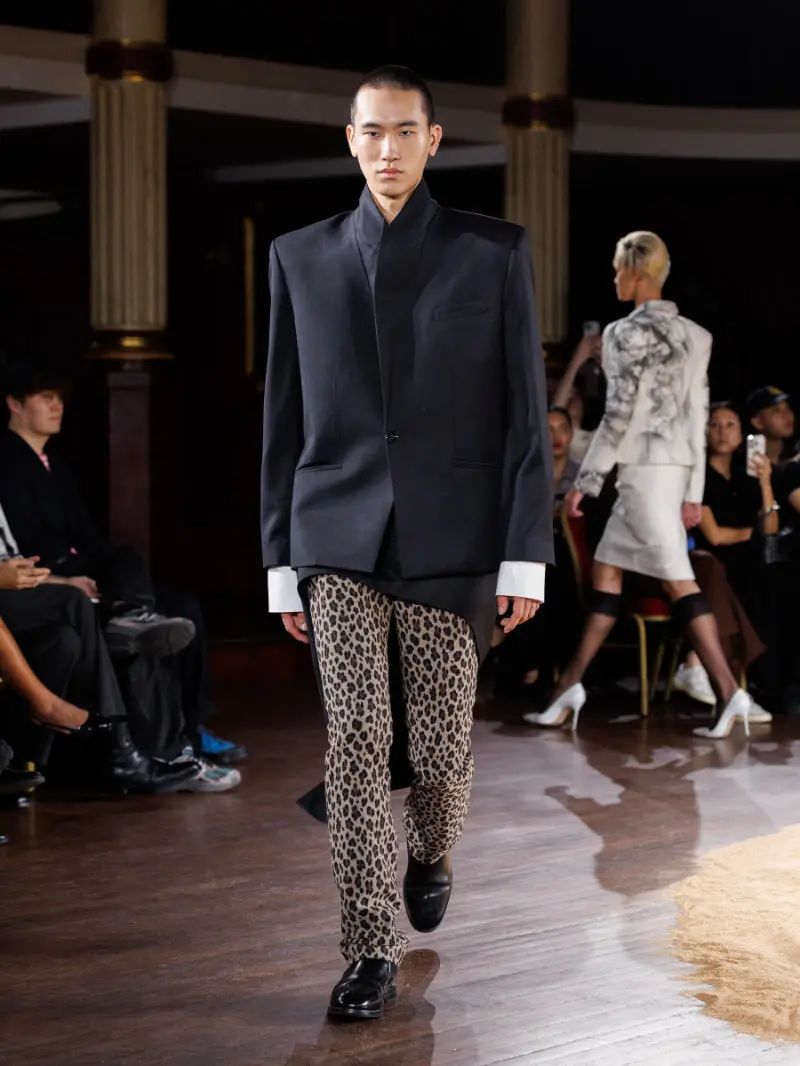
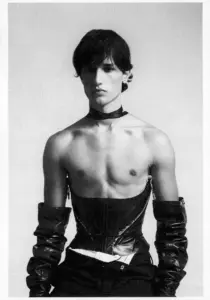
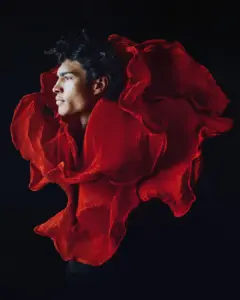
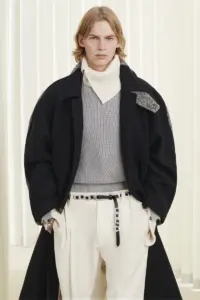
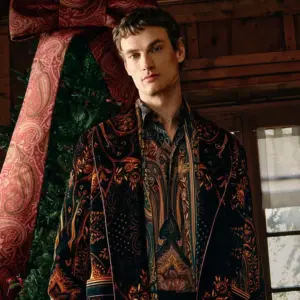
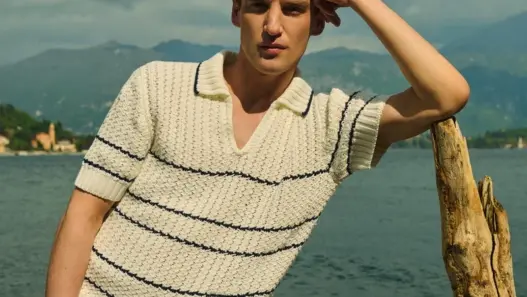
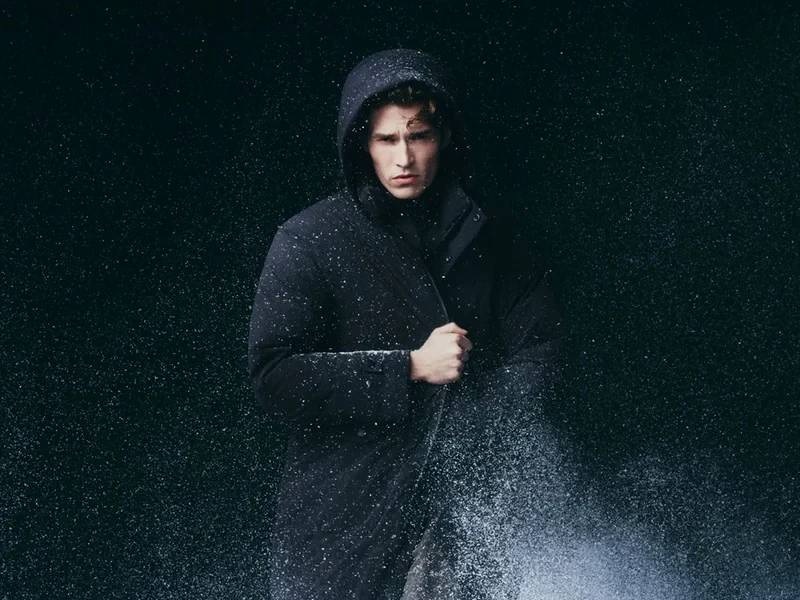
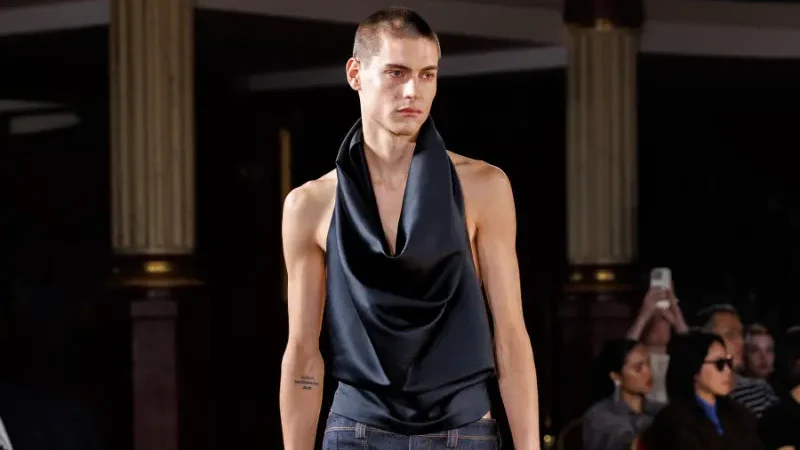
Dig out Torishéju’s Spring/Summer 2027 runway collection, unveiled during Paris Fashion Week with designer Torishéju Dumi once again using clothes to ask bigger questions than “what are we wearing next season?”
This time, the collection circles around deception, performance and spectacle — not simply the lies handed to us, but the identities and appearances we knowingly build for ourselves. The way we dress to enter a room. The way we dress to disappear inside one. And sometimes, the way we dress to become whoever we need to be that day.
Discover More
Torishéju Spring/Summer 2027
Torishéju Dumi turns deadstock, reconstruction and theatrical tension into a sharp new Paris Fashion Week collection.
Some links may be affiliate links. INYIM may earn from qualifying purchases.
Dumi’s starting point was the old Roman idea of “bread and circuses”: give people entertainment, keep them occupied, and it becomes easier not to notice what is happening right in front of them. That tension between distraction and awareness runs through the clothes without turning the collection into a costume drama.
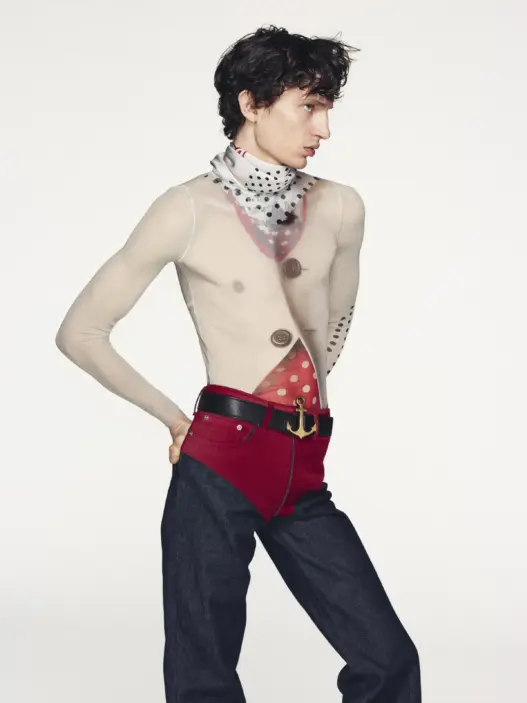
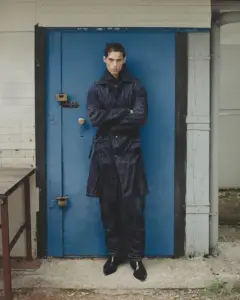
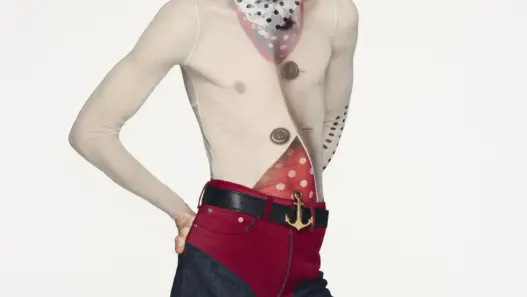
Instead, Torishéju keeps doing what the label does best: fracturing familiar garments and rebuilding them into something stranger. Nike deadstock is dismantled and reconstructed into new surfaces, fabrics and textures, giving material that already had a life another one altogether.
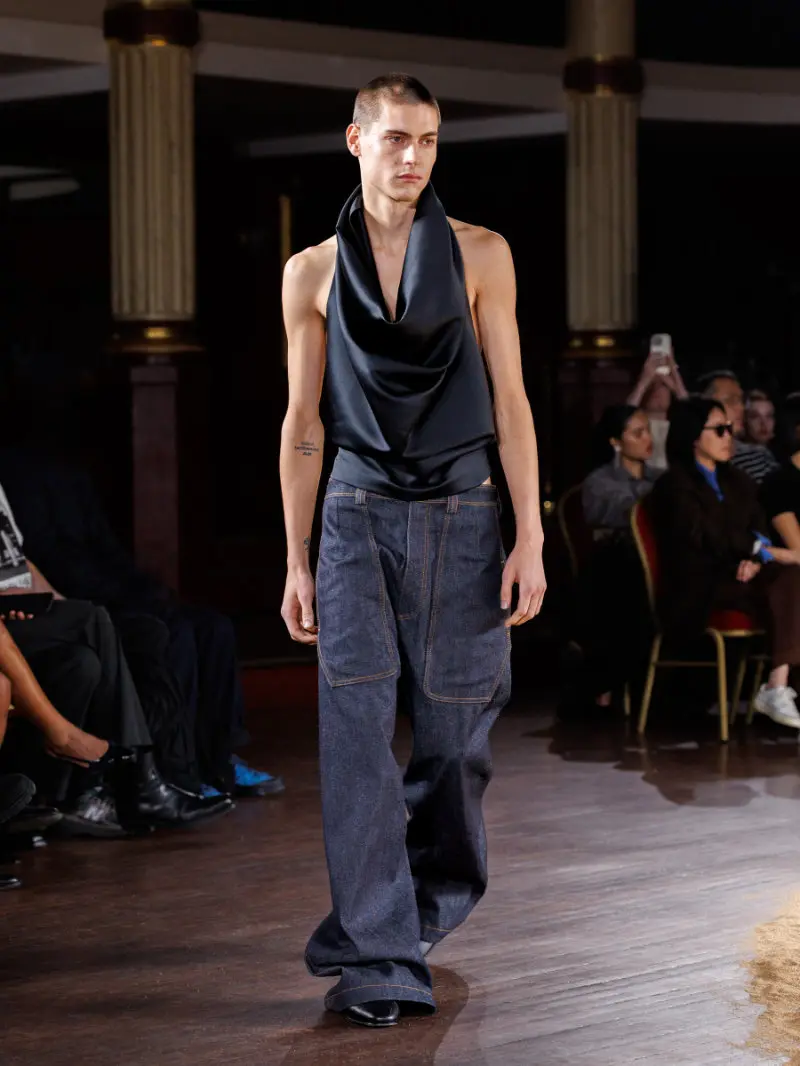
The result plays between visibility and disappearance, performance and reality. Some pieces feel deliberately pulled apart; others look as if they have been interrupted halfway through becoming something else. That unfinished tension is exactly where the collection gets interesting.
It also continues Dumi’s habit of refusing the obvious fashion-calendar treadmill. Until recently, Torishéju had largely worked at its own pace rather than forcing multiple collections a year, which makes each new outing feel less like seasonal maintenance and more like a proper statement.
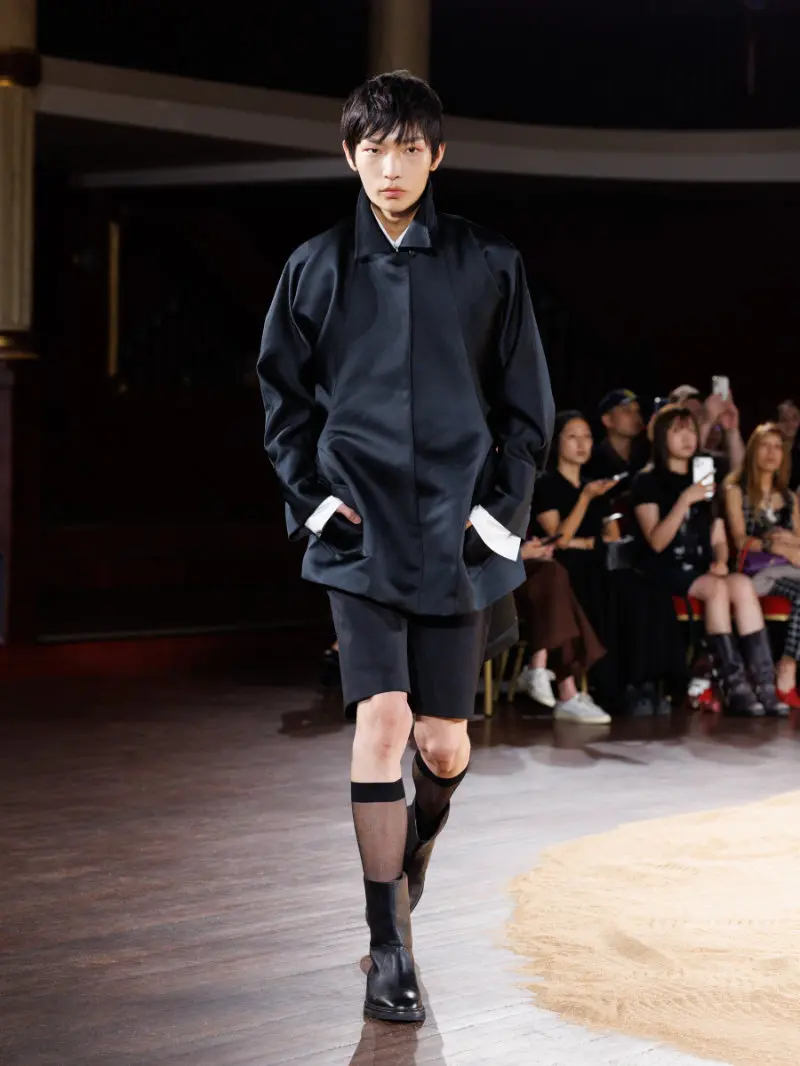
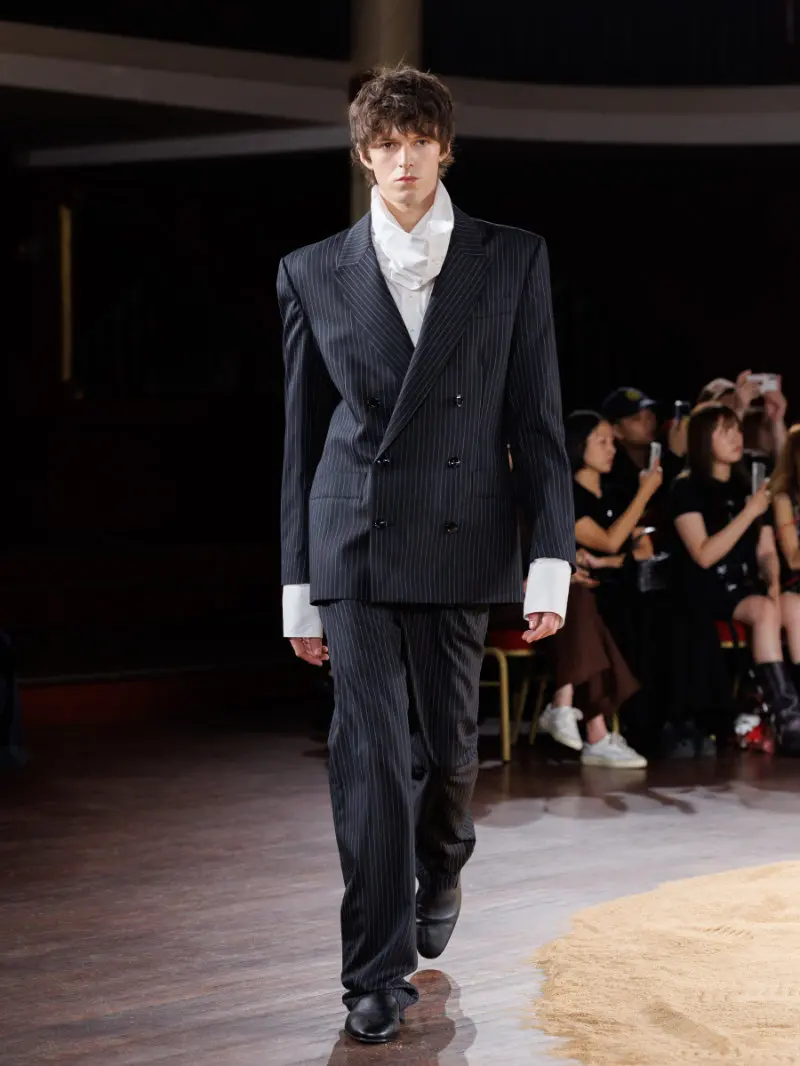
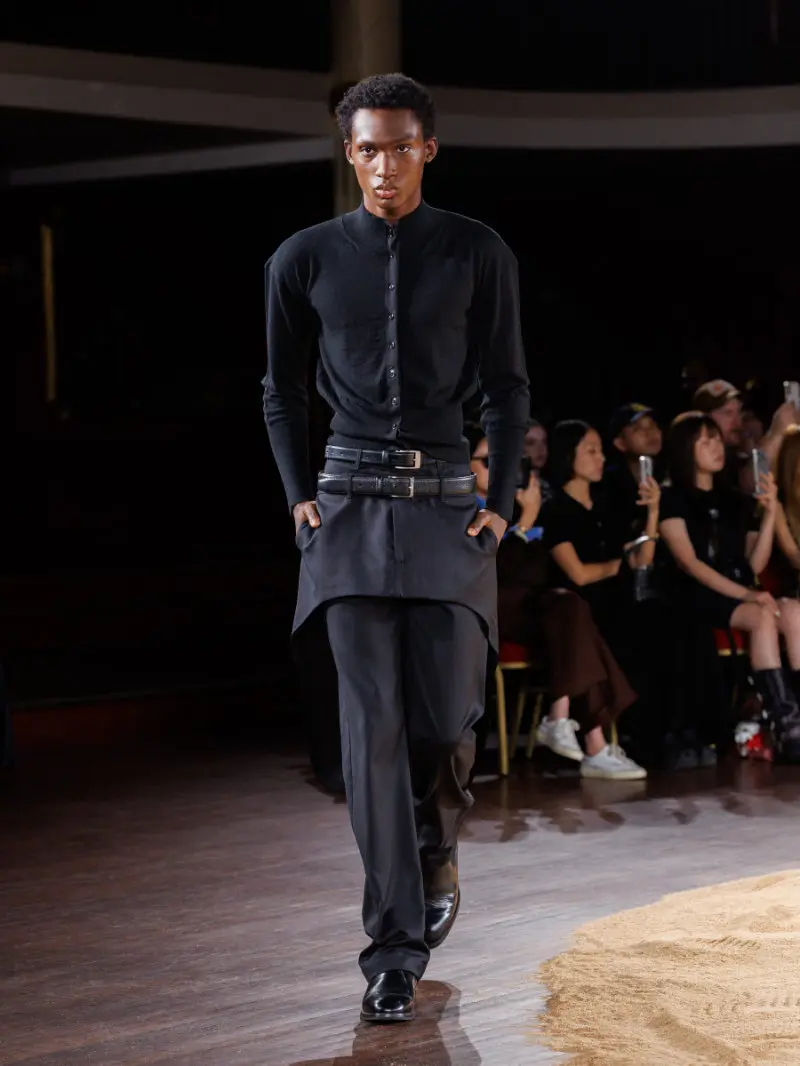
For Spring/Summer 2027, the menswear looks make that argument especially clear: reconstruction, distortion and utility all doing their part while the clothes keep one foot in reality and the other somewhere far more theatrical.
Source: Torishéju; FY Magazine!