



















The Pacific Was Never Empty—It Was a Highway of Knowledge
For this week’s Monday Motivation, we are taking it way back—not merely a few decades, but thousands of years—to the people who looked across the largest ocean on Earth and decided the horizon was not the end of the world.
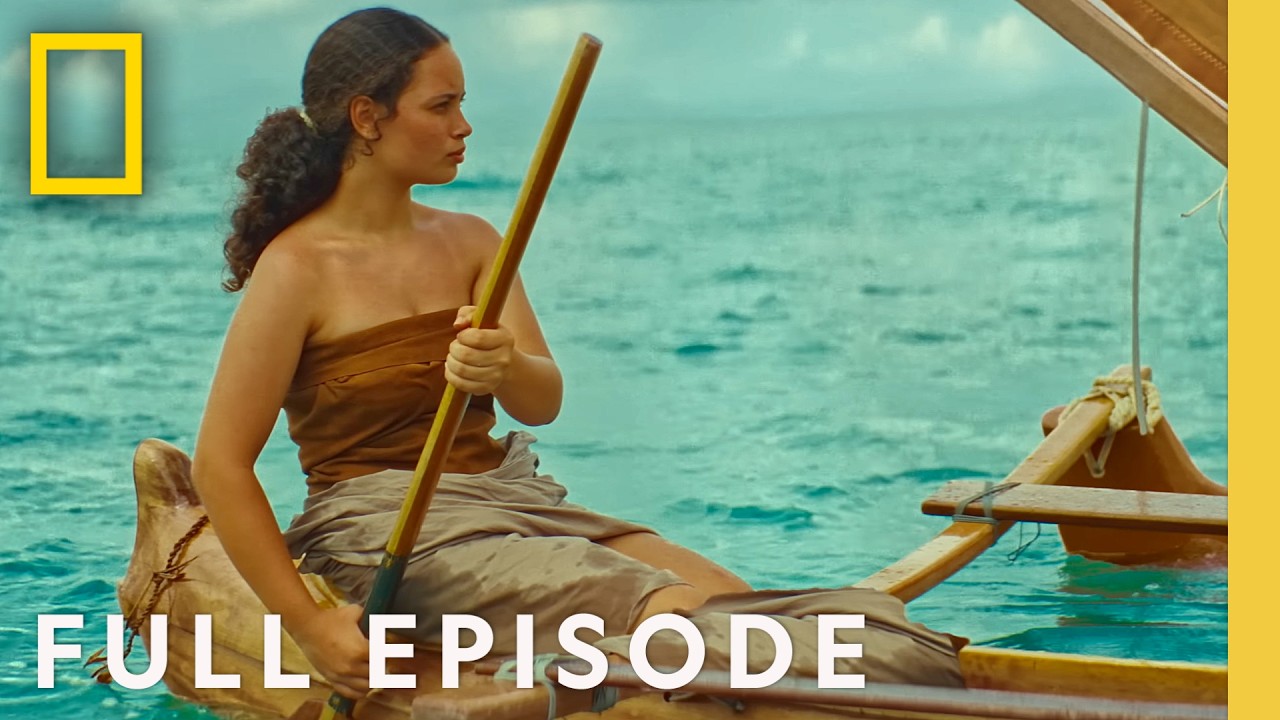
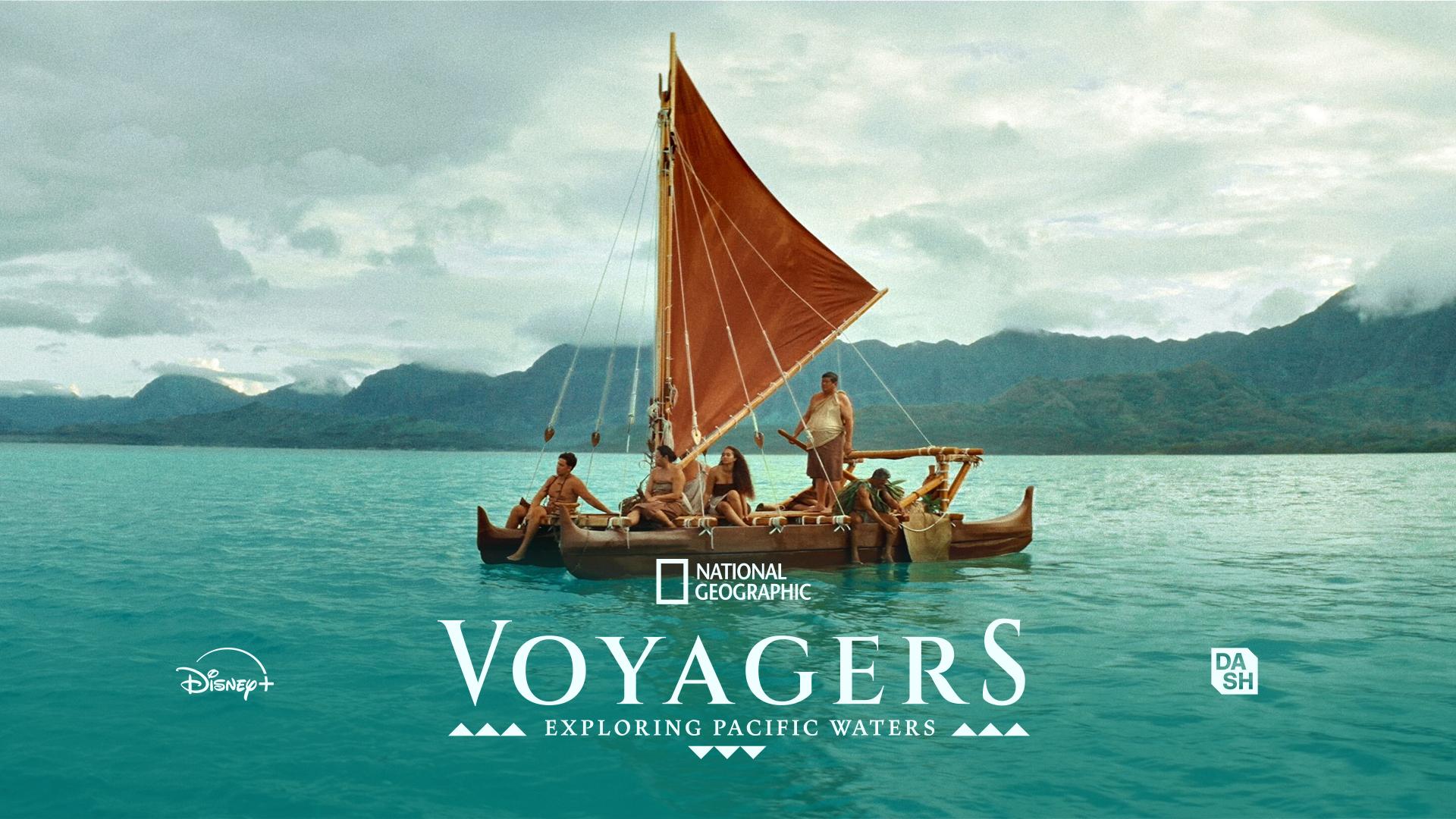
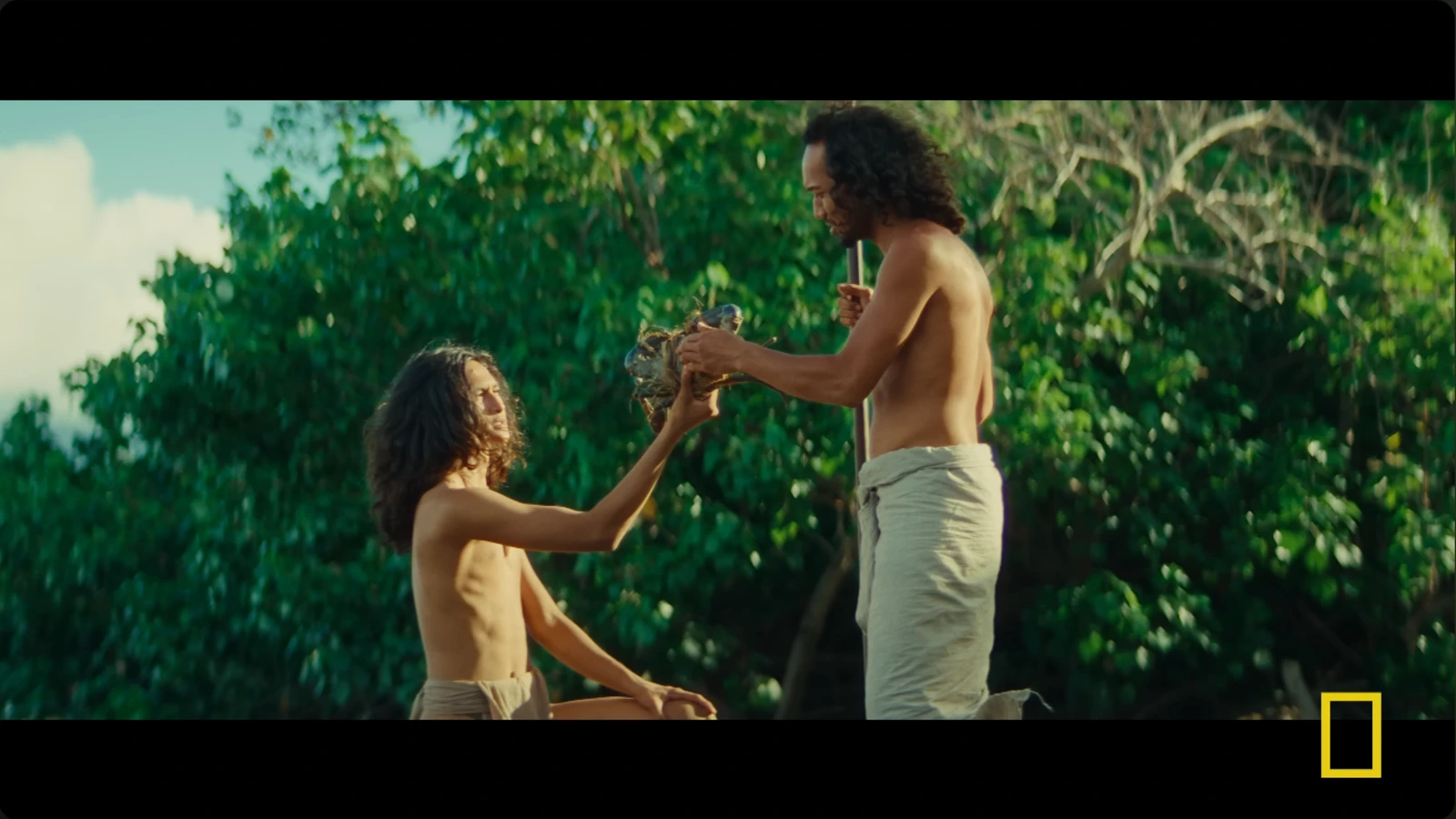
National Geographic’s two-part docuseries Voyagers: Exploring Pacific Waters follows generations of sailors who crossed millions of miles of ocean in handmade canoes, settled islands across the Pacific and developed navigation systems powerful enough to carry communities toward land they could not yet see.
Discover More
Explore the World of Pacific Wayfinding
Watch the National Geographic series, then dig deeper into Polynesian navigation, canoe history and the knowledge carried across the Pacific.
Some links may be affiliate links. INYIM may earn from qualifying purchases.
The achievement is difficult to comprehend from a modern world where a glowing map tells us exactly where to turn. These voyagers did not have engines, satellite coordinates or a weather app nervously announcing that rain might begin in 17 minutes. They read the sky, ocean swells, wind, clouds, birds and the behavior of the sea itself.
Most importantly, they carried knowledge. Navigation was not a lucky guess or an accidental drift into paradise. It was observation refined across generations, remembered through oral traditions and applied with the courage to leave familiar land behind.
How Ancient Pacific Voyagers Found Islands Beyond the Horizon
The first episode, “Adventures to New Worlds,” reaches roughly 4,000 years into the past as daring sailors move into the unexplored Pacific. They cross demanding seas, establish communities from Guam to Vanuatu and continue toward Fiji, Samoa and Tonga.
Finding an island in the Pacific is not like spotting the next gas station from the freeway. Land may remain hidden below the horizon even when a canoe is relatively close. Skilled navigators therefore learned to recognize indirect signs: seabirds returning to nesting grounds, cloud formations gathering above islands, changes in wave patterns, drifting vegetation and the glow of shallow water.
Stars provided direction, but wayfinding was never only about looking upward. A navigator had to understand how the canoe moved through intersecting swells, how the wind shifted and how environmental signals fit together. It was a full-body relationship with the ocean—not simply a compass made out of constellations.
The second episode, “Beyond the Horizon,” follows a later expansion powered in part by increasingly sophisticated double-hulled canoes. Voyagers reached Tahiti, Hawai‘i, Aotearoa New Zealand and Rapa Nui, creating an ocean world connected by travel, trade, kinship and stories.
The Canoes Were Technology, Not Primitive Props
Too often, popular retellings flatten ancient ocean travel into a romantic image of a tiny canoe floating beneath the stars. The canoes were serious technology: engineered for distance, stability, cargo and the survival of the people aboard them.
Double-hulled vessels created larger, more stable platforms capable of transporting families, navigators, food, water, tools, plants and animals. Each journey demanded planning far beyond steering toward a pretty sunset. A successful voyage also had to carry the foundations of life to a new home.
That is the part of the story that delivers thee motivation. The voyagers were not waiting for perfect conditions, complete certainty or permission from somebody with a clipboard. They combined preparation, inherited wisdom, engineering and trust in their own ability to interpret what was around them.
Archaeology Helps Reconstruct a Migration Written Across the Ocean
The series draws on archaeology and modern scholarship to connect the physical evidence left across widely separated islands. University of Guam archaeologist Dr. Michael Carson appears in the documentary discussing Pacific archaeology and also served as a consultant on the production.
Pottery, settlement sites, canoe traditions, language, genetics and oral histories all contribute pieces to a story that unfolded over thousands of years. The result is not one simple arrow moving across a map. It is a vast network of human movement, adaptation and cultural development.
The docuseries also follows the arrival of Europeans and the pressures placed on the Pacific world the voyagers had built. Exploration did not end when Europeans entered the ocean; rather, Indigenous communities were forced to survive new forms of disruption while protecting traditions that had already connected the region for centuries.
Monday Motivation From People Who Sailed Into the Unknown
There is an easy motivational slogan hiding here about taking risks, but the deeper lesson is better. These journeys were possible because courage was supported by knowledge. The voyagers studied, prepared, built, remembered and worked together before they pushed away from shore.
That feels more useful than telling somebody to blindly chase a dream. The Pacific navigators did not ignore the conditions around them—they became experts at reading those conditions. They respected the environment, adjusted their technology and carried lessons forward so the next generation could travel farther.
So, for this Monday: learn your stars, study your waves and build thee canoe before announcing that you are ready to cross an ocean. Confidence is powerful. Confidence backed by preparation can create an entirely new world.
National Geographic presents the series in two episodes, with “Adventures to New Worlds” and “Beyond the Horizon” each running about 45 minutes. Both are listed through National Geographic, with the docuseries also available to stream on Disney+ and Hulu.
Watch a Preview of Voyagers: Exploring Pacific Waters
The National Geographic preview introduces the handmade canoes, navigation knowledge and immense distances at the center of the two-part docuseries.
Sources: National Geographic; Disney+; University of Guam.