
















Michael Stipe Has Stories — And Apparently Casey Spooner Connects Everybody
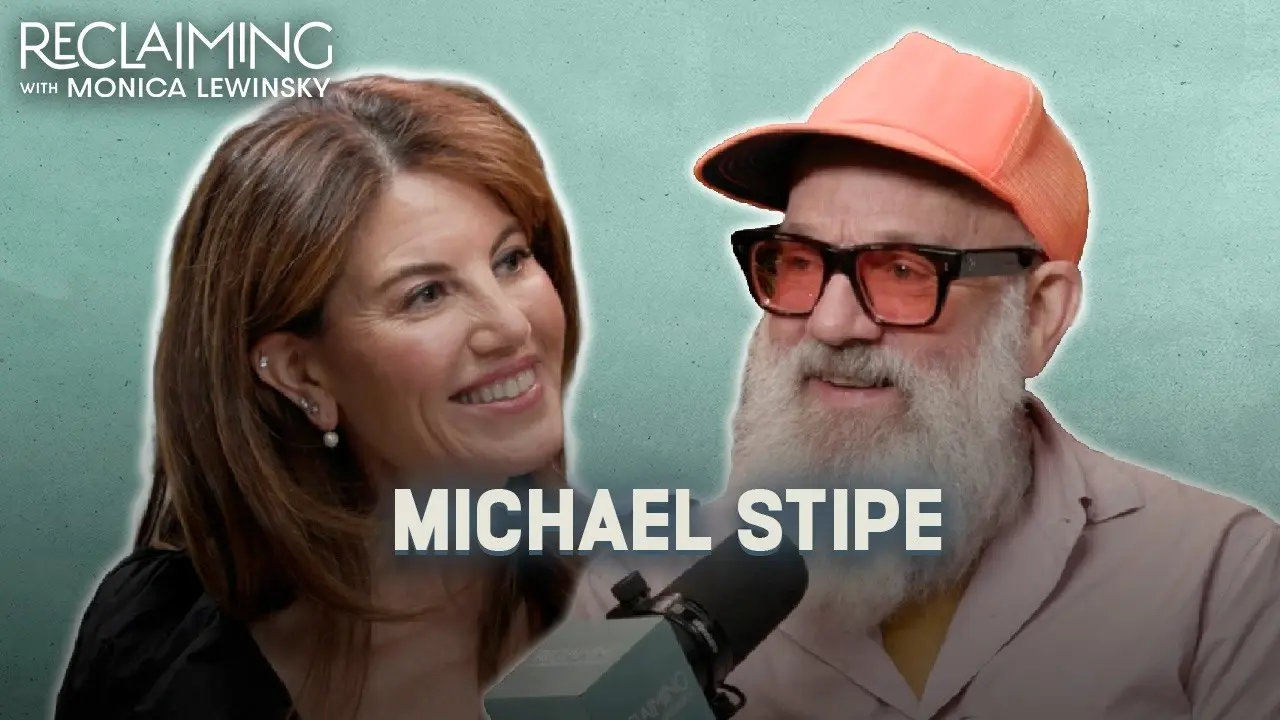
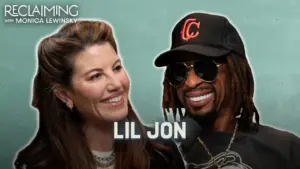
Michael Stipe drops endless thoughts and memories from the last 40 years on Reclaiming with Monica Lewinsky — everything from R.E.M., the B-52’s and depression to vulnerability, photography, social media and the very unexpected connective tissue that is Casey Spooner.
And Michael also shares a preview of a brand sparkling new, not-yet-released tune while talking about the first solo album of his career, which he is currently recording at New York’s Electric Lady Studios. One of the new tracks began with music gifted to him by producer Andrew Watt; Stipe says the words arrived the day before the interview, and he was heading straight back to the studio afterward to sing them.
music
Michael Stipe on Reclaiming
Michael Stipe looks back, moves forward and previews the solo chapter now taking shape at Electric Lady.
Some links may be affiliate links. INYIM may earn from qualifying purchases.
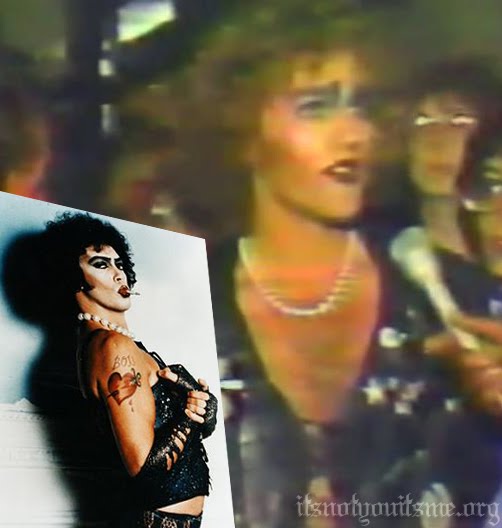
But then comes one of those stories that makes everybody stop. Stipe explains that after R.E.M. disbanded in 2011, he stepped away from music for roughly five years. The person who unwittingly pulled him back in was Fischerspooner’s Casey Spooner — not merely a collaborator, but someone Stipe has known since the late 1980s.
Stipe casually reveals that he was Spooner’s first boyfriend, when Spooner was 18 and Stipe was about 28, describing their time together as an affair in the late ’80s. Decades later, Spooner called him into the studio for help with a song. Stipe started rearranging sections, identifying the chorus and rewriting the verse — and, long story short, wound up producing the entire Fischerspooner album Sir.
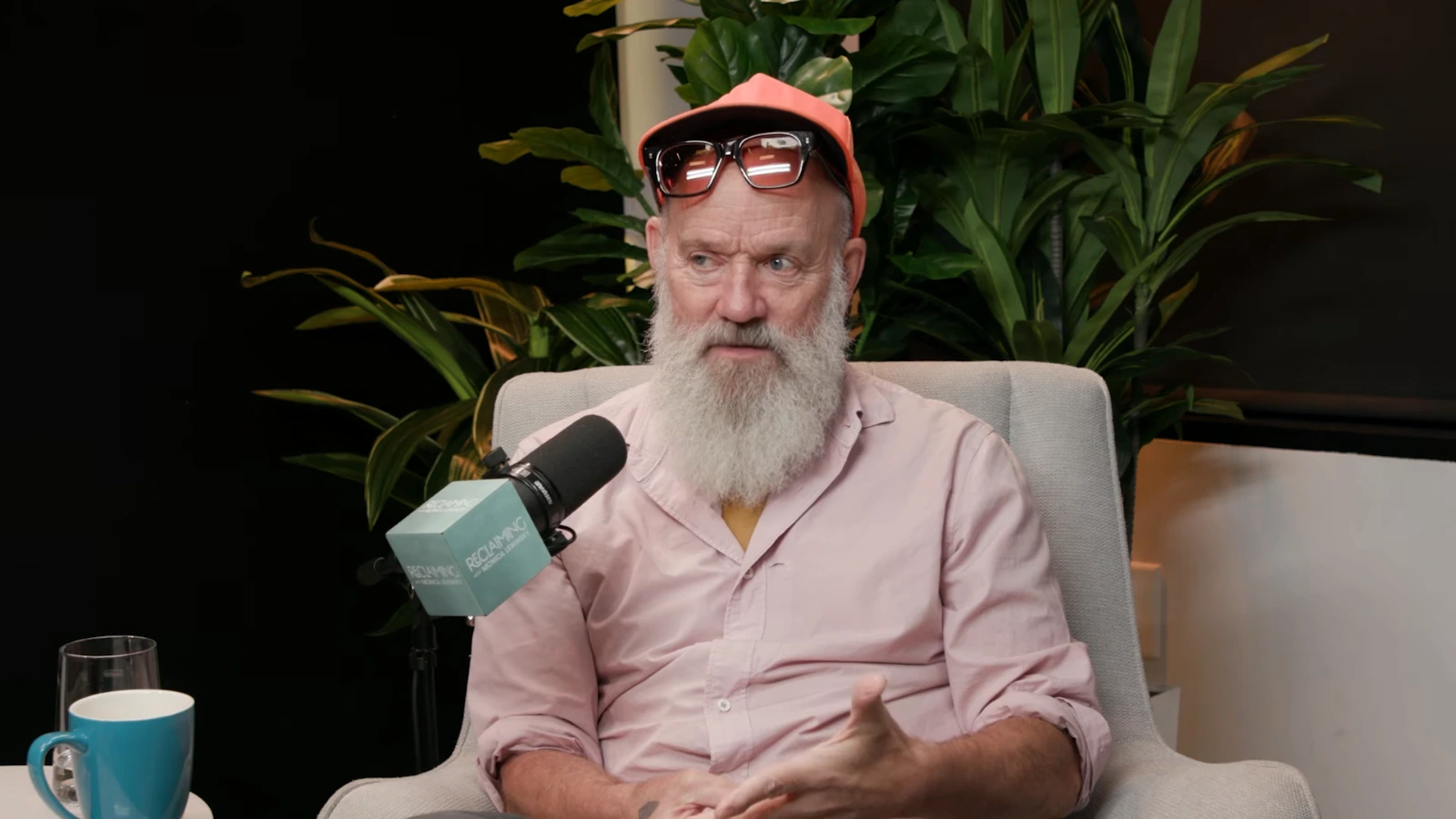
Even better, Stipe says that project is what pulled him back into making music. Working with Spooner and producer-songwriter Andy LeMaster led to Stipe writing again on the side; three songs became four, then the circle widened, and eventually the idea of a solo record stopped being hypothetical.
And here is the part we had absolutely no clue about: Michael Stipe dated Casey Spooner. Long before Spooner became the man we would come to know through Fischerspooner, Stipe says he was Spooner’s first boyfriend. Fascinating stories all around from Mr. Stipe.
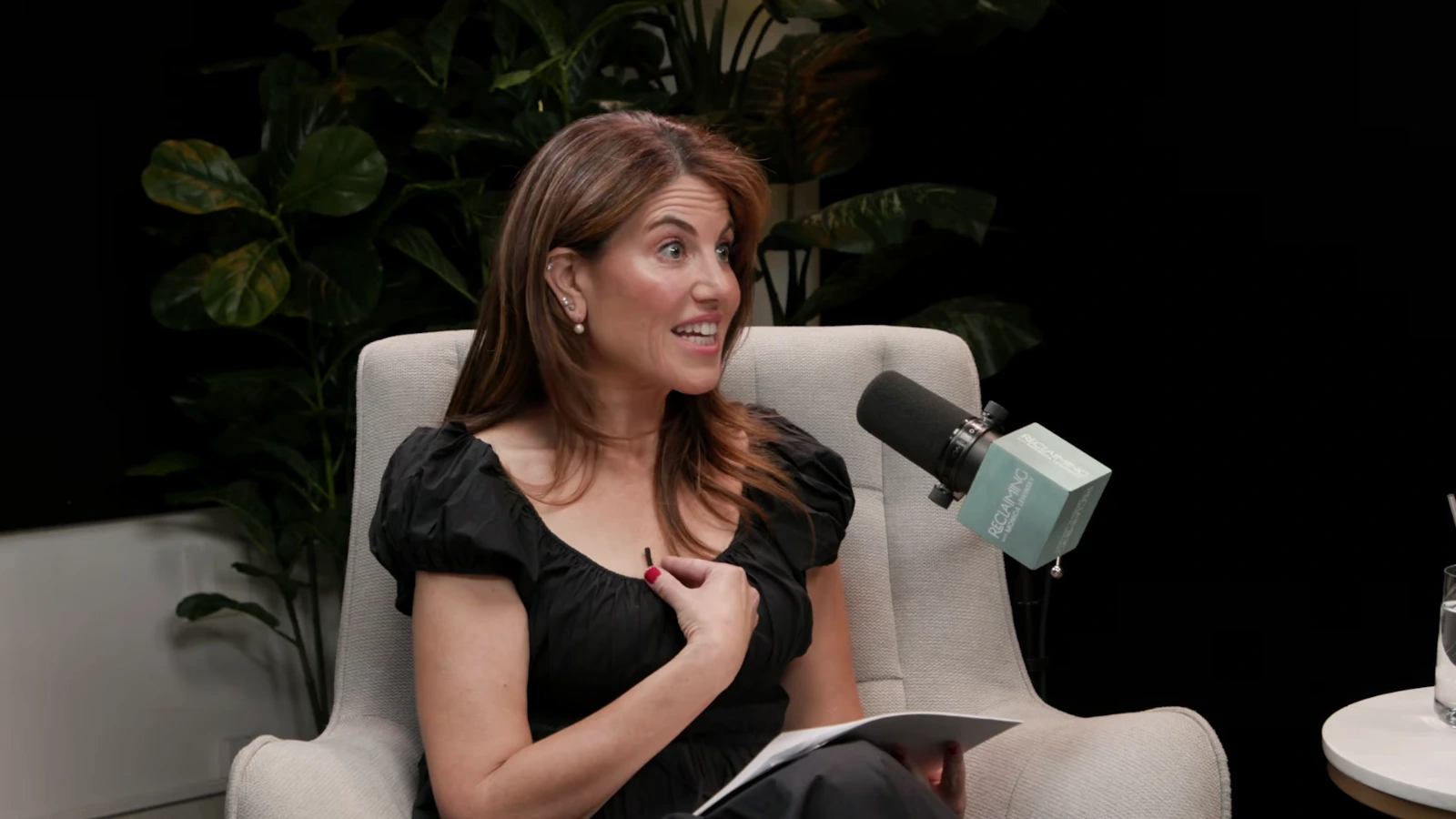
Monica has her own Fischerspooner connection, too — just not a romantic one. While talking about the duo, she remembers working on Max Joseph’s documentary about public shaming, where a Fischerspooner track had been used as the temporary music during production. Lewinsky says she became so obsessed with the song that she paid for its use in the film herself. Stipe immediately agrees: “It’s a great song,” before telling her she might also like Sir, the record he made with Spooner.
The interview gets considerably heavier when Stipe talks about the mid-1980s, when R.E.M. was becoming famous just as people he knew began dying during the AIDS crisis. He says he spent roughly four years not knowing whether he was HIV-positive, while relentless touring, adrenaline crashes and a deep depression were hitting him at the same time.
One particularly brutal stretch involved a damaged cornea after months of wearing contact lenses without removing them. Stipe recalls performing while in intense pain, meeting Lou Reed while feeling like a complete mess, traveling blindfolded with both eyes patched, and eventually taking the patches off in Seattle around ten days later. He describes that moment as feeling like a survivor emerging from something horrific. Out of that period came two R.E.M. songs: “I Believe” and “These Days.”
That openness keeps circling back to one of the episode’s big themes: vulnerability. Stipe calls it his superpower. Lewinsky remembers seeing him at the Hollywood Bowl at what he describes as one of his most vulnerable moments onstage, and he still remembers the bag of funny little things she brought him to make life on the tour bus easier.
Then, just as naturally, the conversation swerves into the B-52’s. Stipe says he uses their “Mesopotamia” as what he calls a “melody broom” whenever another tune gets hopelessly stuck in his head. Because the melody keeps jumping between vocals and instruments, he says it somehow wipes the other songs away. His larger opinion is even better: the B-52’s radically changed the course of American music. Coming from another Athens original who was there to see that world form in real time, we’ll take it.
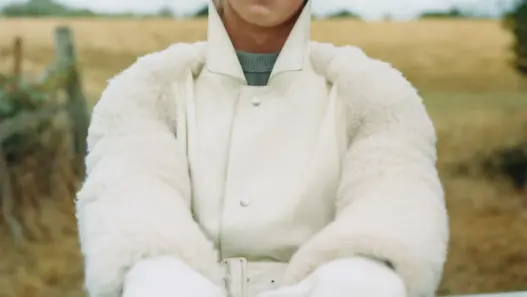
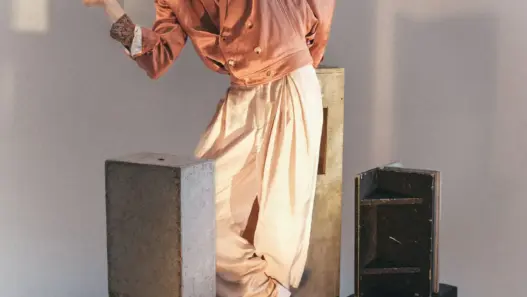
Stipe also talks about the creative life that continued when music temporarily disappeared. Photography, he explains, actually came first: he started shooting at 14, a year before music took over at 15. He has since released four photography books with Italian publisher Damiani, including a project that began as a planned series of portraits of courageous, strong and vulnerable women before COVID changed the shape of it.
And yes, Mr. Stipe still has opinions. On social media, he says plainly that he “detest[s] Meta” and everything about it, even while acknowledging the uncomfortable reality that artists and activists sometimes need to be where people already are. That contradiction — resisting the machine while still trying to reach people through it — fits neatly into a conversation that keeps returning to curiosity, hope and figuring out where you belong after the world thinks it already has you figured out.
By the end, what Stipe says he is reclaiming is simple: his place in music. Judging by the unfinished song he lets Monica hear and the collaborators gathering around this first solo album, he sounds less like someone returning to an old life than somebody building the next one.
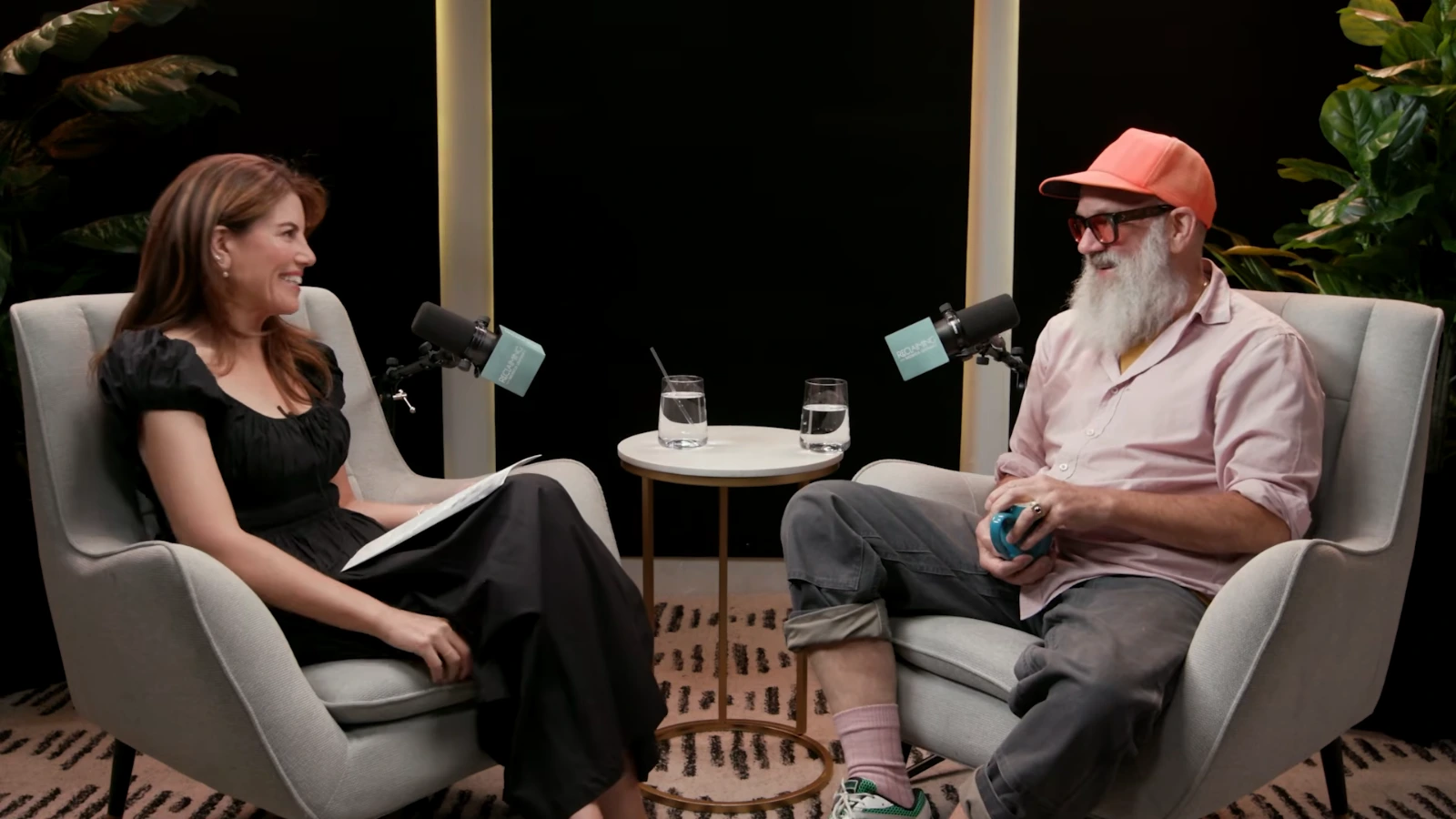
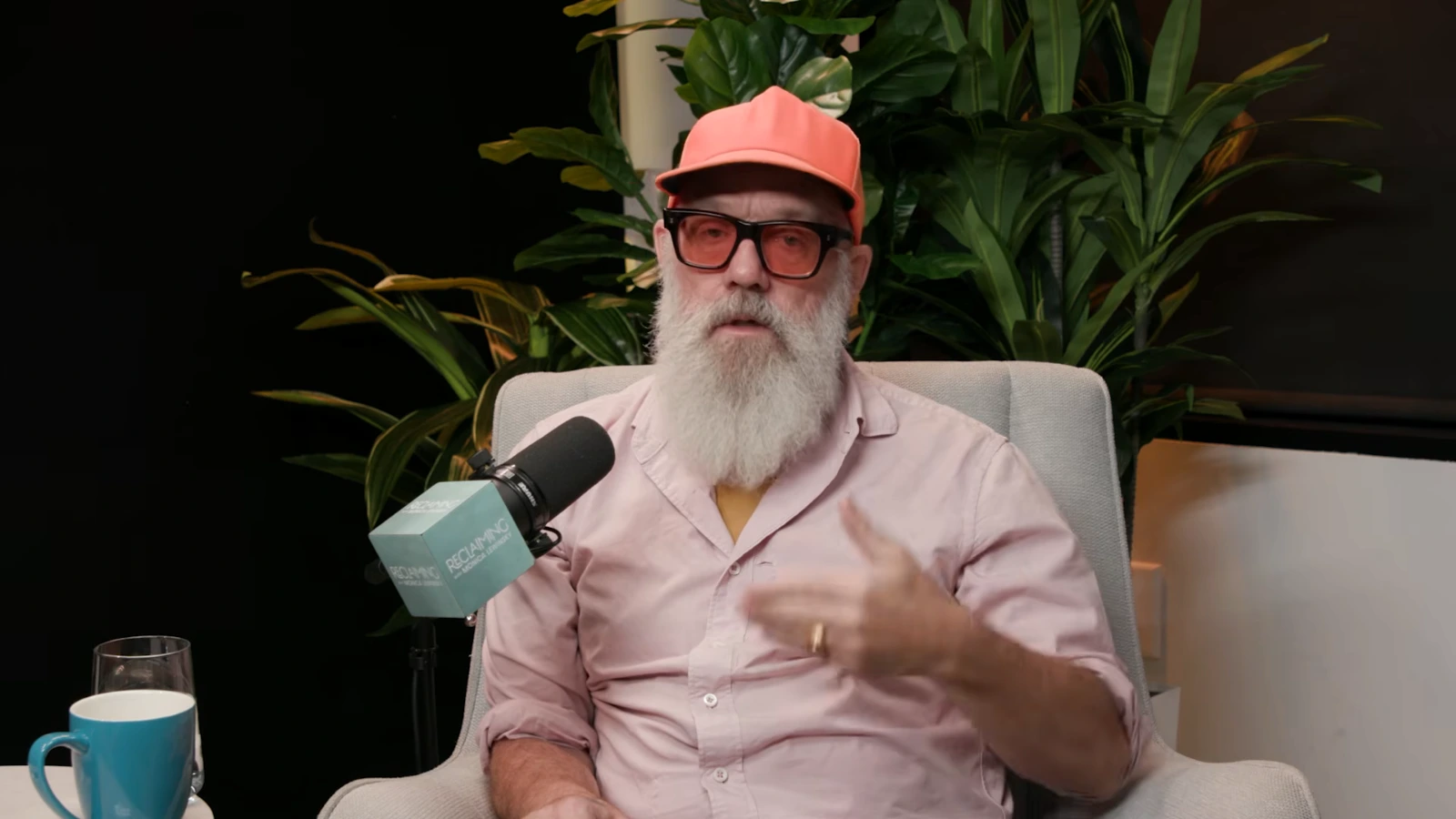
Images: Reclaiming with Monica Lewinsky / YouTube.
Michael Stipe on Reclaiming with Monica Lewinsky — Full Episode
Stipe joins Monica Lewinsky for a 2026 conversation about his first solo album, R.E.M., Casey Spooner, depression, vulnerability, photography, Athens and the creative life ahead.
Source: Reclaiming with Monica Lewinsky / YouTube; episode transcript.