















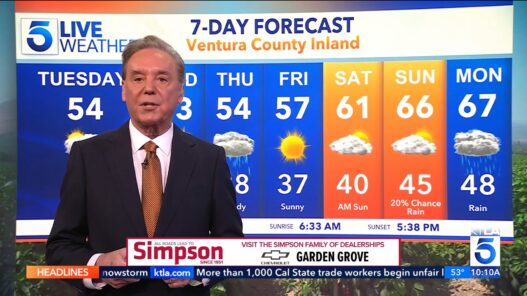
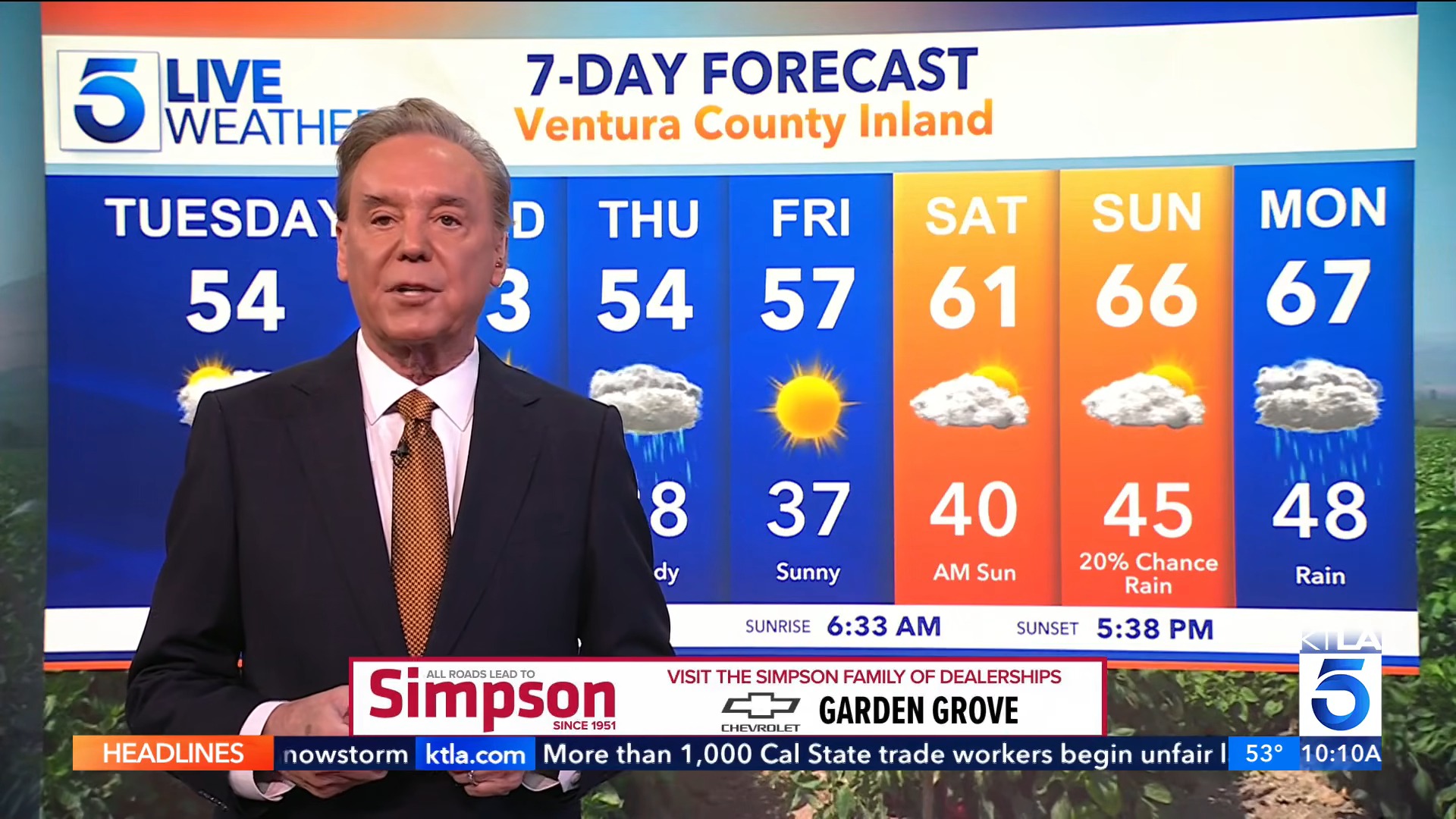
Update – February 26, 2026 at 5:18 a.m. PT: KTLA’s newsroom cuts have widened. In addition to the previously reported departures, two more familiar on-air faces have now exited the station: reporter Ellina Abovian and longtime, good-natured weathercaster Kacey Montoya. Both journalists have been recognizable presences for Southern California viewers, further underscoring the scale of the latest reductions at the Nexstar-owned station.
The fallout is not limited to Los Angeles. SAG-AFTRA condemned the layoffs, which began earlier this week at WGN-TV in Chicago, noting that positions impacted were union roles. According to the Chicago Tribune, eight veteran reporters and anchors were laid off Tuesday, and Nexstar has been eliminating various positions for several months at WGN.
“By laying off journalists across the country, Nexstar is eroding the resources and talent that local communities rely on for trusted news. These actions highlight the risks of media consolidation and underscore the urgent need for regulators and the company to prioritize the public interest and the professionals who serve it,” said SAG-AFTRA President Sean Astin in a release.
Fresh music, bold entertainment, and men’s fashion—one tight email a week.
The guild also pointed to the broader context surrounding the cuts.
“These layoffs come as SAG-AFTRA is actively bargaining with Nexstar stations in multiple markets. At the table, Nexstar is pushing to gut severance pay and insert onerous provisions into the union contract that limit workers’ ability to freely negotiate the terms of their own employment,” the statement read. “These reductions in SAG-AFTRA talent also come as Nexstar finalizes its multi-billion-dollar acquisition of Tegna. This consolidation makes the decision to cut local newsroom jobs particularly troubling.”
Nexstar has not publicly explained why specific individuals were let go. However, industry observers say decisions like these are often tied to cost-cutting. Large media companies routinely review contracts as they expire, and veteran on-air journalists — particularly those working under union agreements — can represent higher salary and benefit costs.
During major corporate acquisitions, such as Nexstar’s purchase of Tegna, companies frequently look for ways to reduce expenses and streamline operations. Payroll is typically one of the largest costs in local television newsrooms.
In simple terms, retaining longtime talent can cost more than restructuring positions or bringing in newer, lower-paid staff. Critics argue that while such moves may strengthen a company’s financial position, they can also diminish the experience, stability, and viewer trust built over decades.
As media consolidation continues to reshape local television, financial strategy is increasingly influencing who remains on air — and who does not.
According to a breaking news report from Variety, another familiar face of Los Angeles television is gone.
Veteran KTLA Morning News weatherman Mark Kriski has reportedly been laid off as Nexstar Media Group continues reshaping local stations across the country.
And he wasn’t alone.
Midday anchors Lou Parker and Glen Walker were also reportedly let go — three veteran voices removed from KTLA’s lineup in what feels like more than routine restructuring.
For longtime viewers, this isn’t just industry churn.
It feels like the closing of a chapter.
The Morning Show That Raised Los Angeles
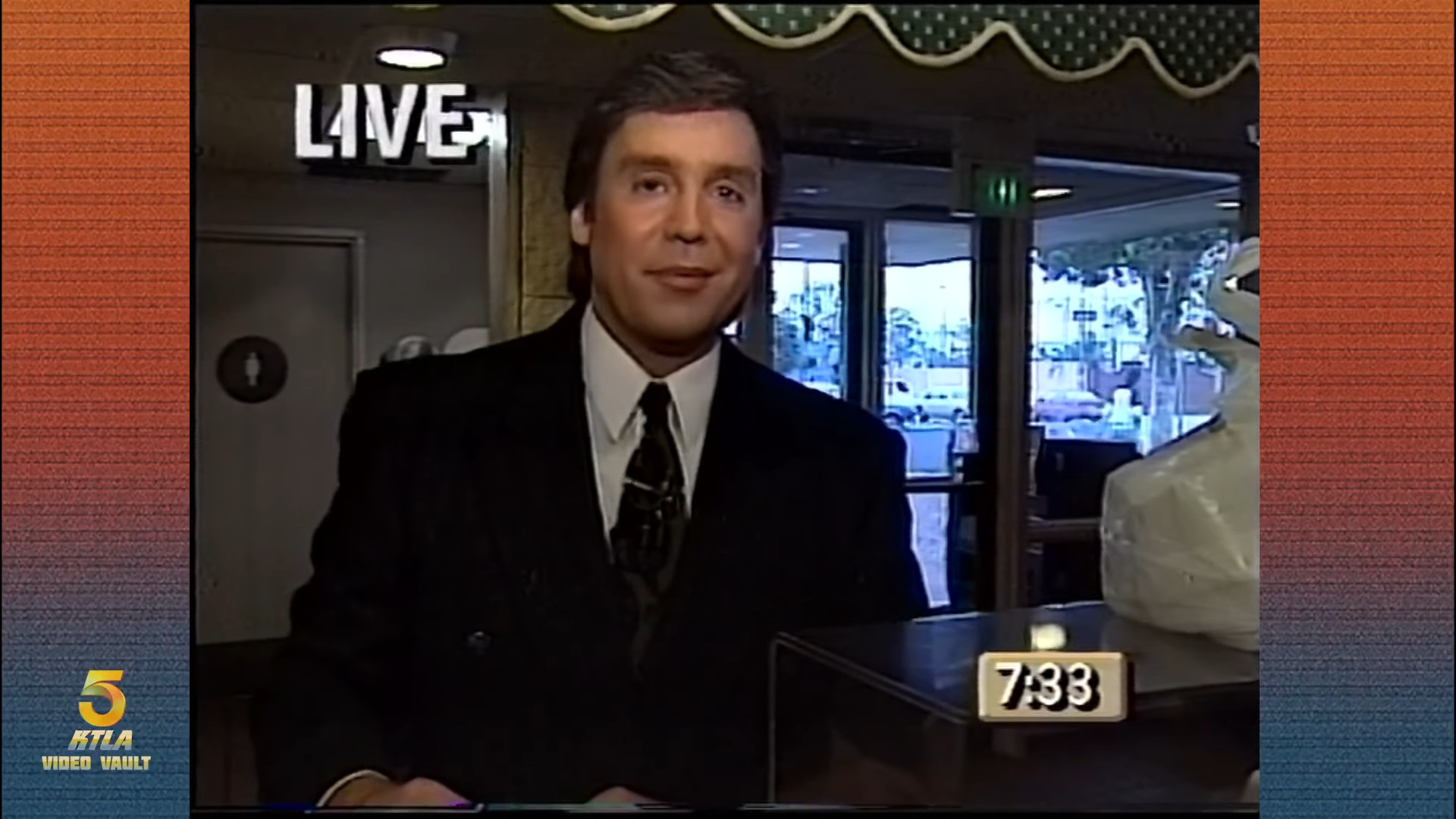
Image: KTLA 5 Video Vault
For many of us who grew up in Los Angeles — watching before elementary school, during sick days, or while our parents got ready for work — KTLA wasn’t background noise.
It was part of our daily rhythm.
From Miracle Mile kitchens to Valley living rooms, Mark Kriski’s weather reports became as familiar as the sunrise. Lou Parker and Glen Walker brought steady presence and authority to the midday broadcast.
They weren’t interchangeable hires.
They were fixtures.
And that kind of longevity in local television is becoming rare.
After Sam Rubin, The Shift Feels Deeper
The sudden passing of beloved entertainment reporter Sam Rubin in 2024 was already a seismic moment for KTLA viewers.
Rubin represented something uniquely Los Angeles — access to Hollywood delivered with warmth and authenticity. He wasn’t just reporting entertainment; he was part of the city’s cultural fabric.
Now, with Kriski, Parker and Walker gone, the transformation feels broader.
The faces that defined decades of L.A. mornings and afternoons are disappearing — not through retirement tours or farewell celebrations, but through corporate restructuring.
Nexstar’s Expanding Footprint
Nexstar Media Group is now the largest owner of local television stations in the United States. Over the past decade, the company has steadily acquired stations across the country, consolidating markets under one corporate umbrella.
KTLA became part of that expansion in 2019.
Supporters argue consolidation is necessary to keep stations financially viable in a rapidly changing media economy. Critics argue it risks flattening local identity and reducing newsroom autonomy.
Regardless of perspective, the impact is visible.
Veteran anchors with decades of viewer loyalty are being cut amid broader cost-saving measures and structural shifts.
A Changing Media Climate
This moment also lands in a wider media climate where consolidation continues to accelerate nationwide.
As ownership becomes more concentrated and newsroom structures become increasingly centralized, viewers are asking harder questions about what happens to local voices.
Some see these moves as economics.
Others see something deeper — a slow narrowing of independent personalities and long-standing local presence.
In a media environment where control is increasingly concentrated, changes like this feel less isolated — and more like the beginning of a larger transformation.
Whether that transformation strengthens local journalism or weakens it remains to be seen.
But the era of 30-year careers rooted in one city is clearly shifting.
An Era That Can’t Be Recreated
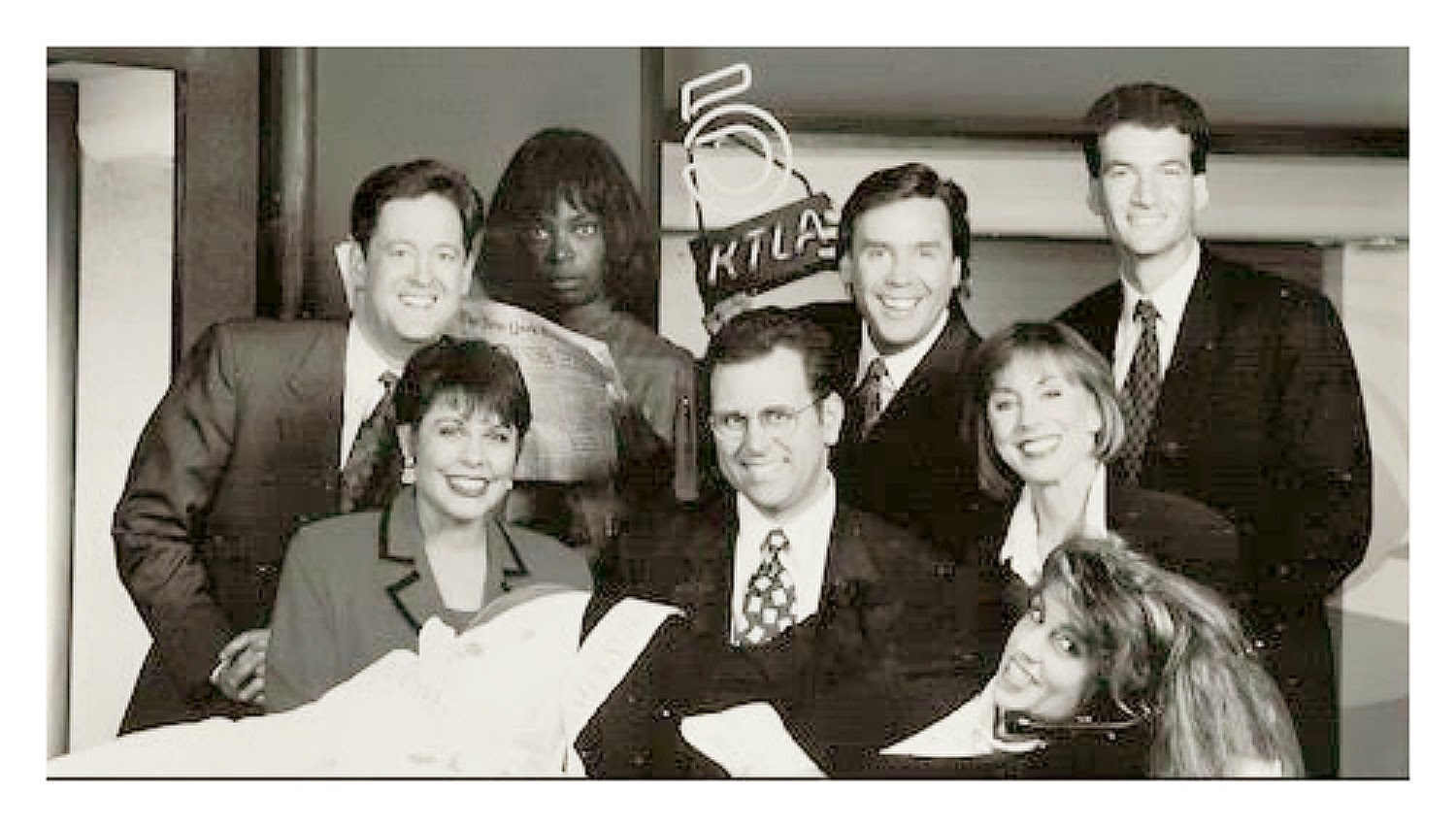
There was a time when local news personalities built relationships over decades.
You knew their humor.
You knew their cadence.
You trusted them.
That trust wasn’t built overnight.
And it can’t be manufactured through corporate strategy alone.
When local television loses its local voices, it loses part of its identity.
For many Angelenos, this feels personal — because it is.
A Viewer’s Words
“I am heartbroken to see that Mark Kriski is being let go from KTLA 5. As a lifelong Angelino, I personally grew up watching him on TV almost everyday before and after school and work. For decades, he has been such an essential part of the KTLA 5 news team as a beloved weatherman whose presence has always been a positive light for the viewers. It is heartbreaking to see him leave under these circumstances given his massive impact on local news and the LA community.”
— Melody, Los Angeles
The television landscape that raised a generation of viewers is changing in real time.
And the question now isn’t just who leaves next.
It’s what local news becomes from here.
Story Developing
What Do You Think?
Have you watched KTLA since the early days?
Do these changes feel like necessary evolution — or something irreplaceable slipping away?
Let us know in the comments.