















Before Culture Is Worn, LABRUM Makes the Hands the Story
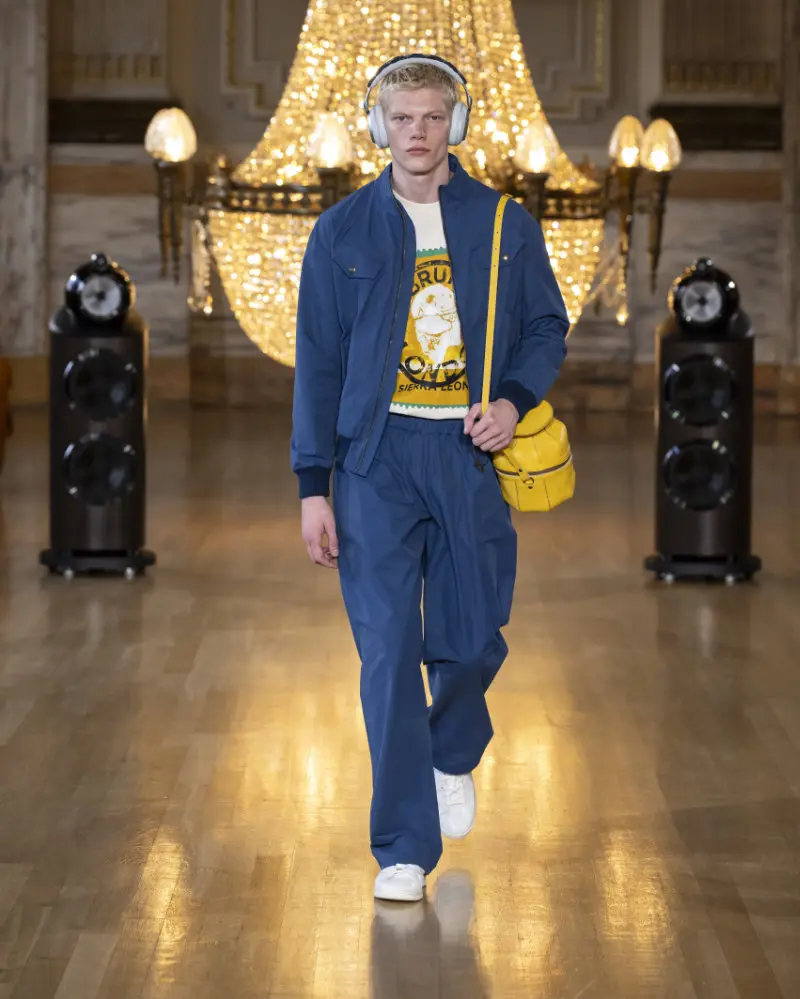
Fashion brand LABRUM unleashed its Spring/Summer 2027 runway collection, entitled Hands of Osmosis — the final chapter in founder and designer Foday Dumbuya’s three-part Osmosis story.
The first chapter followed culture through sound. The second moved through textiles. For the finale, LABRUM puts the focus exactly where making begins: the hands. Weaving, embroidery, leatherwork and beading become a map of how knowledge travels across borders, generations and communities — from West Africa to Britain and beyond.
LABRUM sums up the collection with one simple truth: “Before culture is worn, it is made.” And that idea runs through the entire show. Not heritage frozen behind glass, but heritage continuing because somebody still knows how to stitch it, weave it, shape it and pass it on.
Discover More
LABRUM Lets Craft Carry the Story
Foday Dumbuya closes his Osmosis trilogy through the makers, techniques and hands that move culture across generations.
Some links may be affiliate links. INYIM may earn from qualifying purchases.
West Africa, India and Britain Meet Through the Act of Making
Hands of Osmosis widens LABRUM’s usual West Africa-meets-Britain conversation by tracing shared craft languages across West Africa, India and Britain. Techniques may come from different geographies, but the collection keeps finding the same things underneath them: patience, precision, memory and knowledge passed from one pair of hands to another.
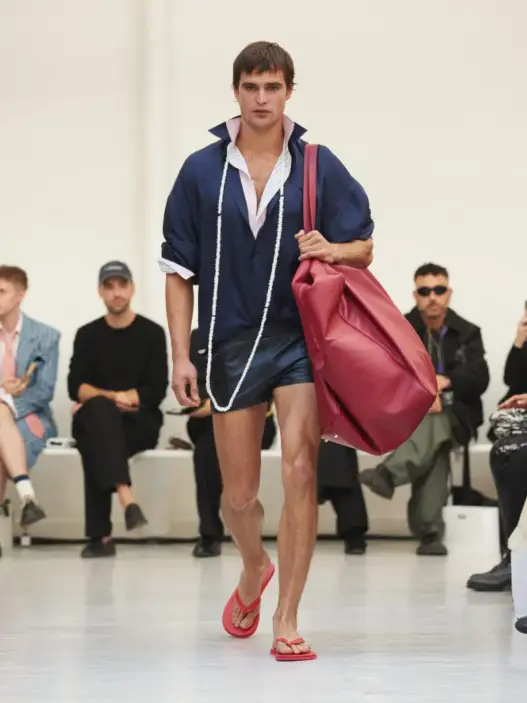
Some of the strongest material stories are also the most specific. Handcrafted raffia trousers made in India draw from the movement of Mende masquerade Goboi, while sculpted leather bags reference West African ceramicists and woodcarvers. British milliner Lucy Barlow reworks woven headwear through a meeting of West African technique and British millinery.

Grandmother’s Market Stall Becomes One of the Collection’s Richest Threads
Then comes the personal history. Dumbuya’s “Mamie Bakie” embroidery series looks back to memories of his grandmother working at her market stall in Sierra Leone, turning family memory into densely worked garments rather than simply dropping nostalgia into the show notes.
The colour story reaches outward too, drawing from the maker-focused paintings of Jacob Lawrence, while the Olokun flower motif — rooted in Nigerian Adire indigo textiles — carries into LABRUM’s continuing work with adidas and Dr. Martens. The season also marks the label’s first move into eyewear, with acetate and metal frames inspired by expressive 1970s West African style.
Sampha Scores the Final Chapter While the Craft Does the Talking
The soundtrack has its own cultural dialogue. Sampha created the score and soundscape for the show, bringing his Sierra Leonean-British perspective into conversation with Dumbuya’s collection, while Bowers & Wilkins shaped the acoustic environment and produced a bespoke LABRUM version of its Px8 S2 headphones for the runway.
It makes for a fitting close to the trilogy. Sound carried the first chapter. Textile carried the second. Now the final word belongs to the people actually doing the making. LABRUM’s point is not that culture survives because it stays untouched. Quite the opposite: it survives because people keep carrying it forward.
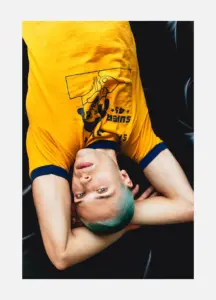
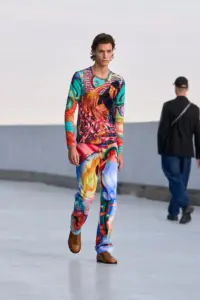
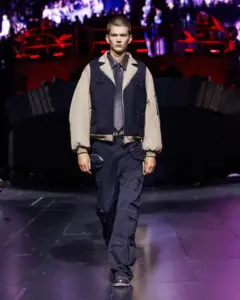
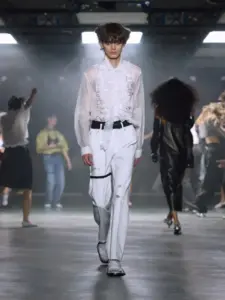
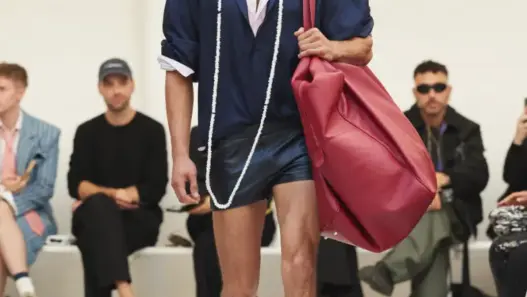
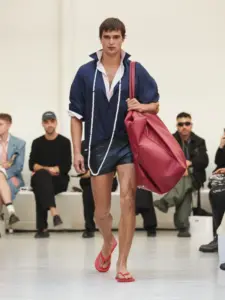
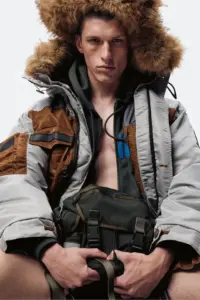
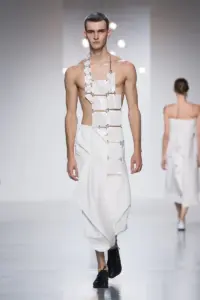
Scroll through more of Hands of Osmosis below — nine selected runway looks from LABRUM’s Spring/Summer 2027 chapter.
LABRUM Spring/Summer 2027 “Hands of Osmosis” Runway Looks
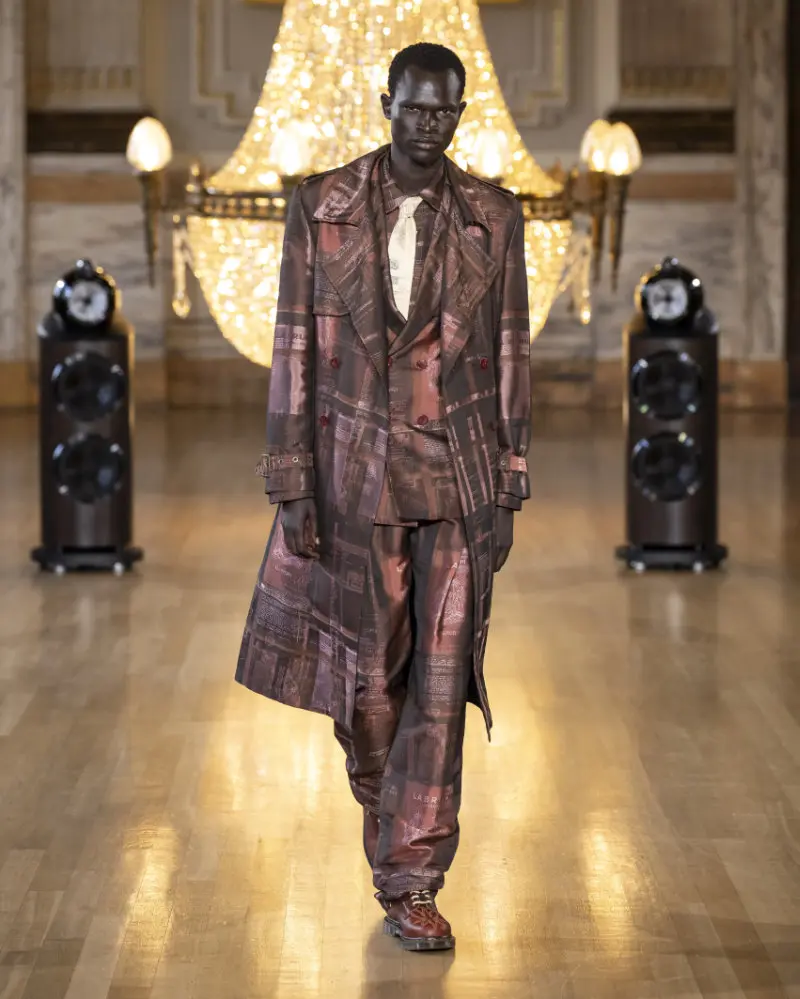
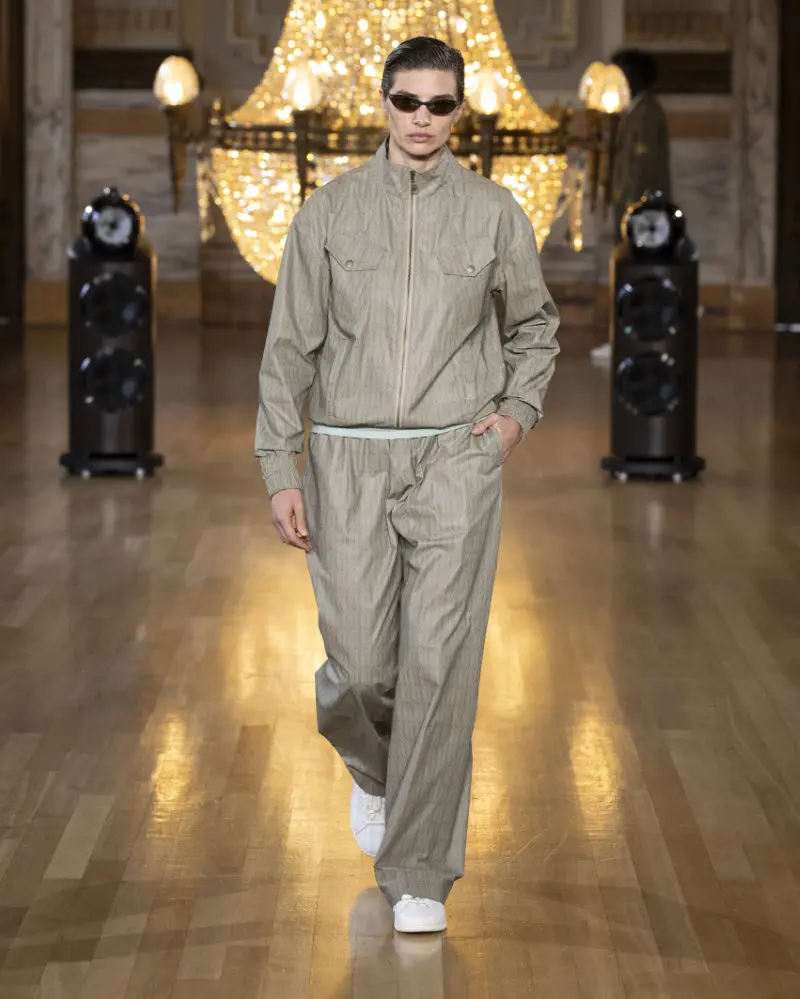
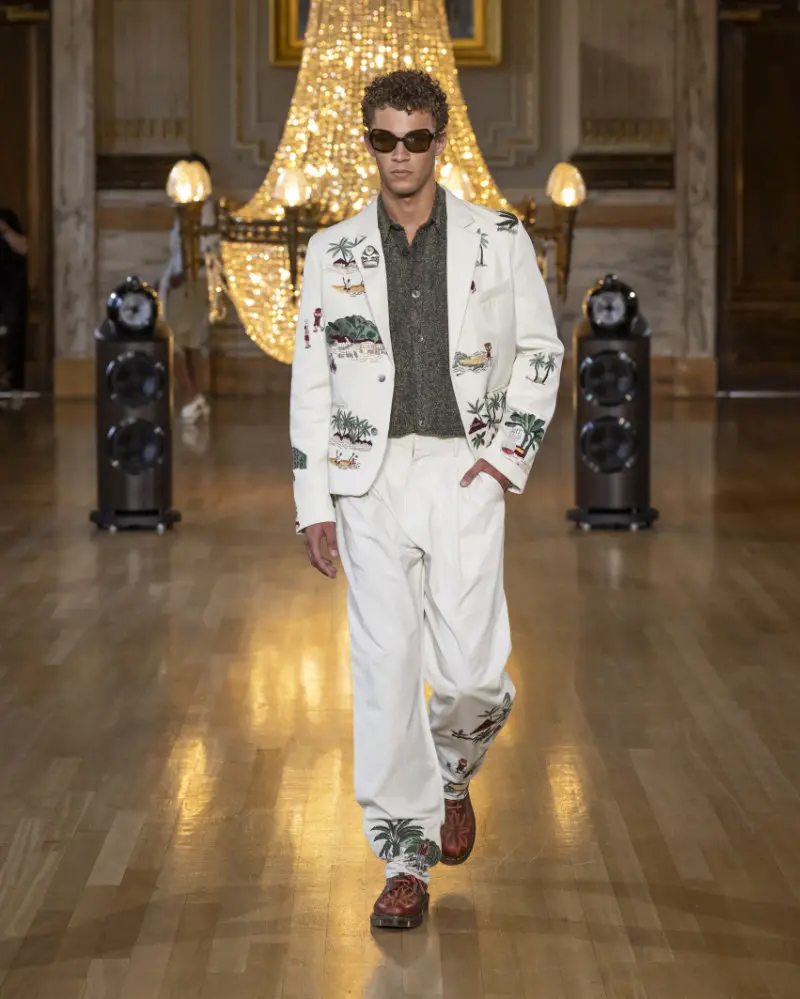
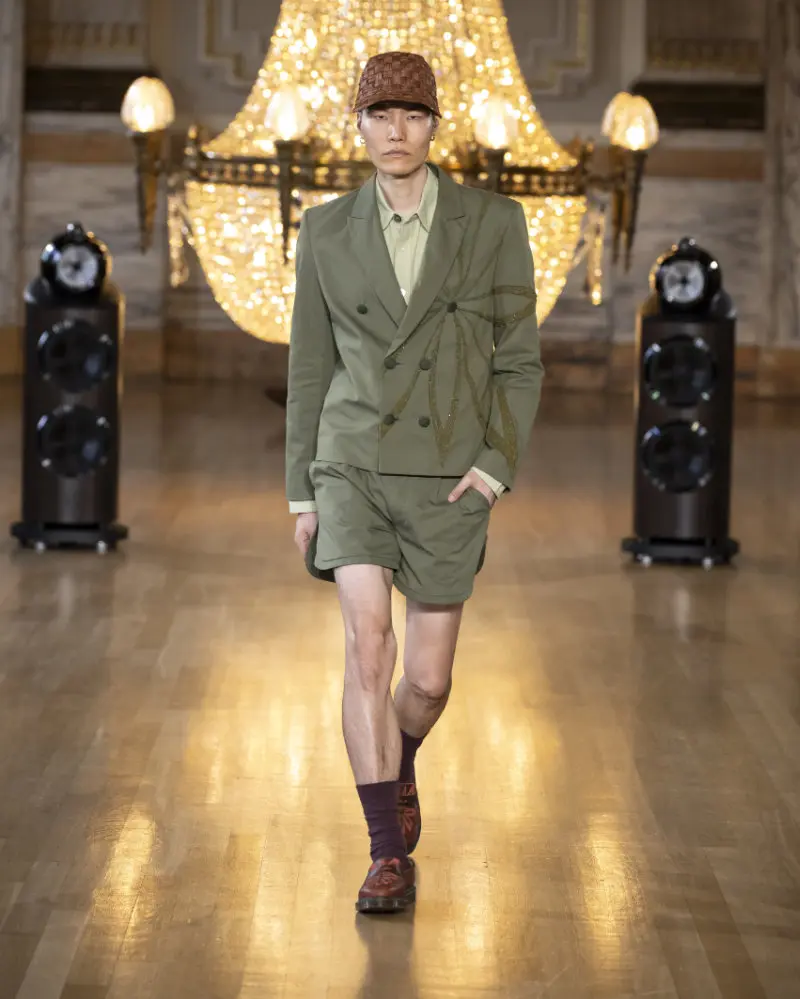
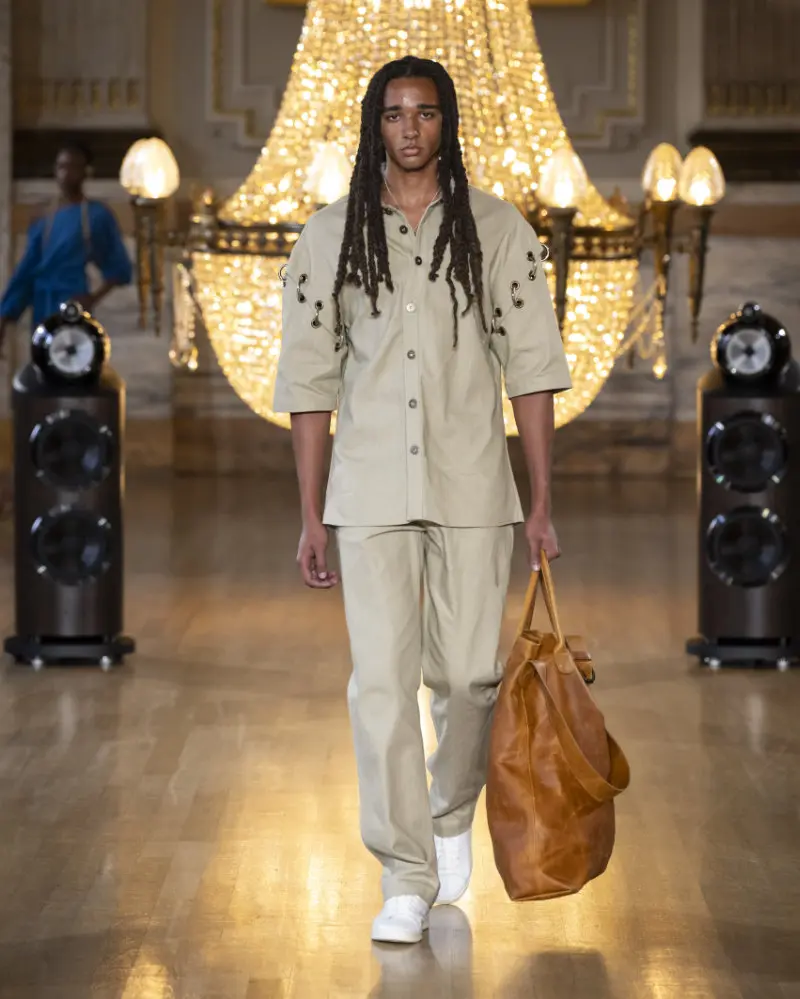
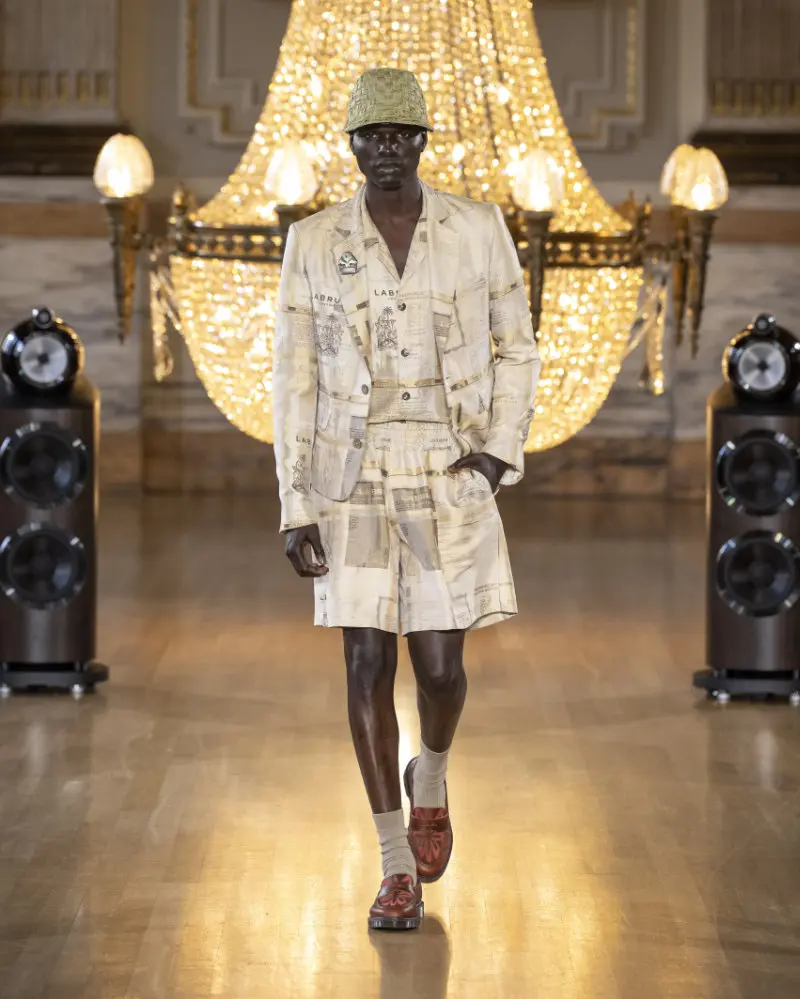
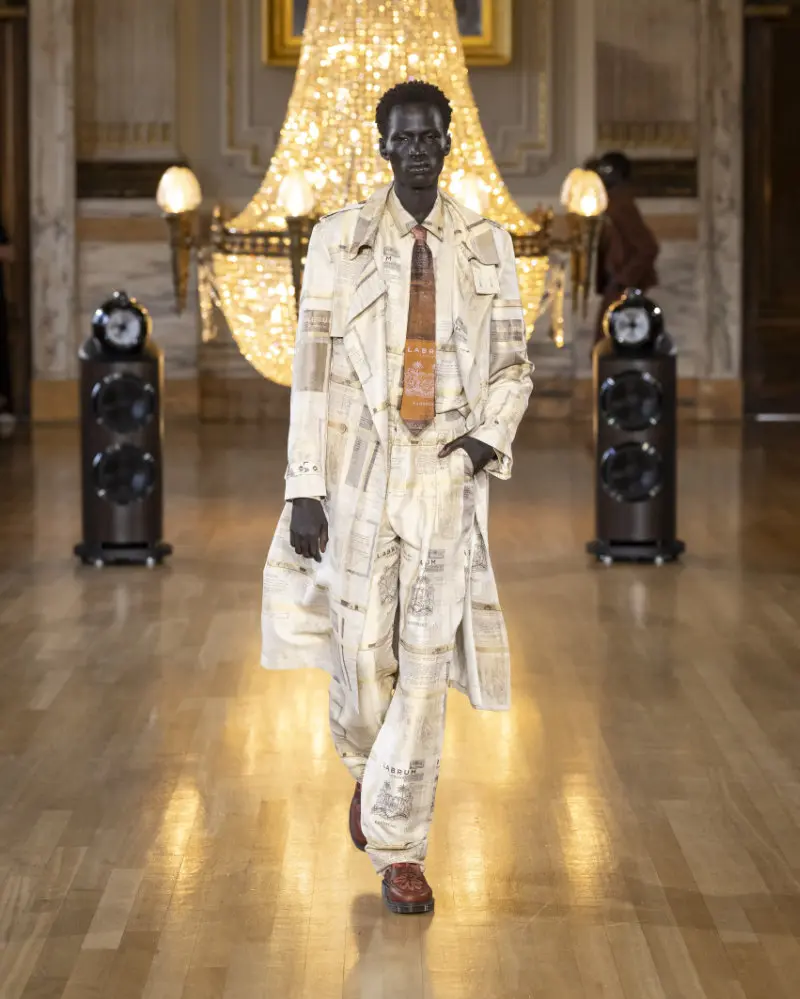
LABRUM Spring/Summer 2027 Hands of Osmosis runway imagery. Photos: Stefan Knauer / LABRUM.
Source: LABRUM London; FY Magazine!; Vogue.