
















Mick Jagger Isn’t Looking Back—He’s Still Studying The Next Move
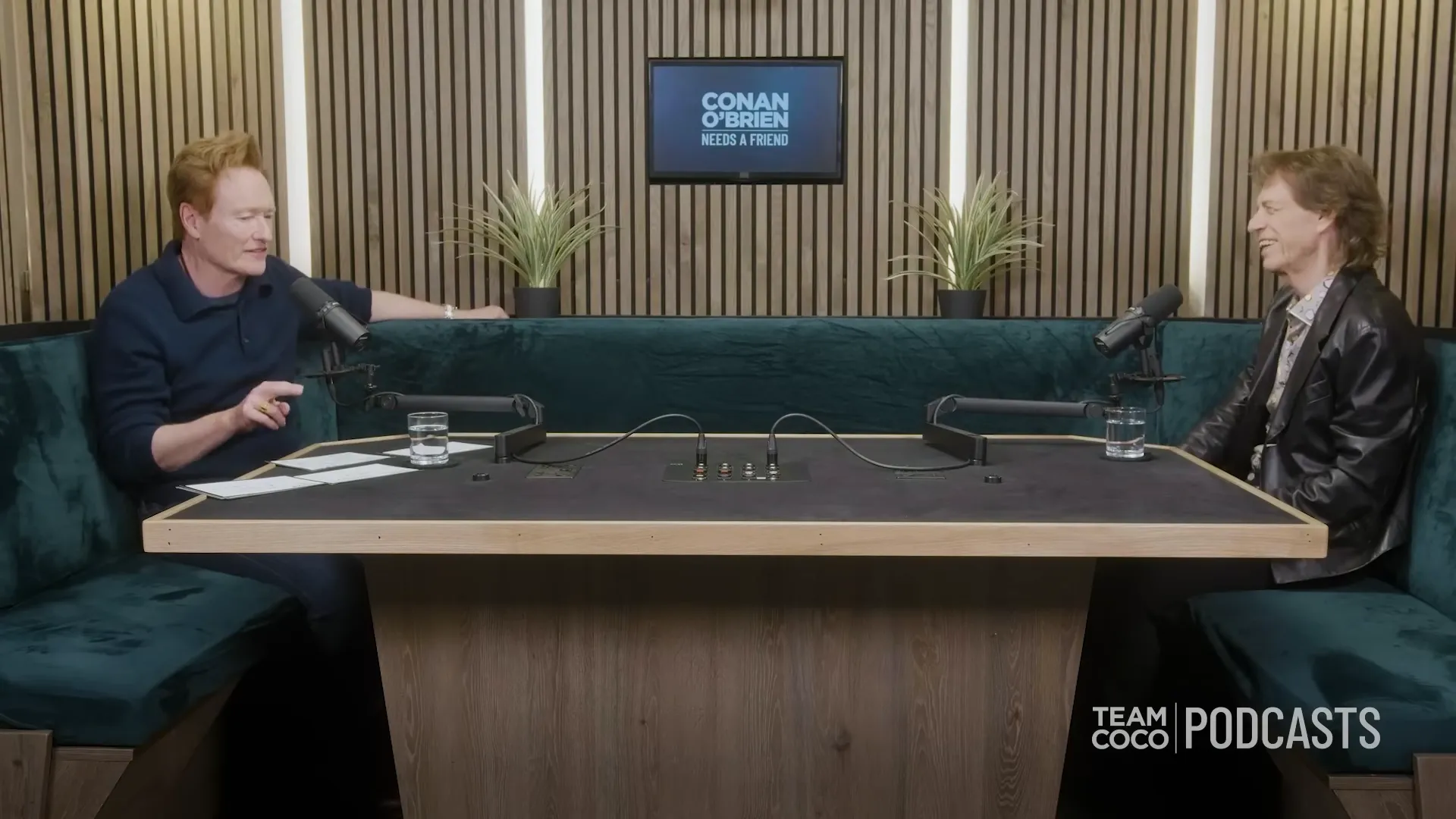
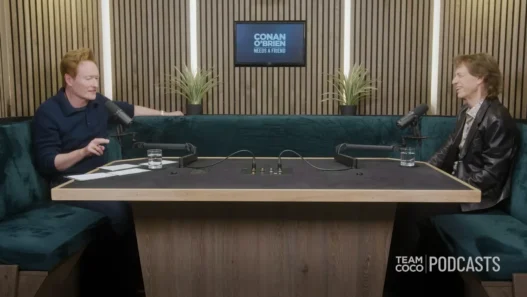
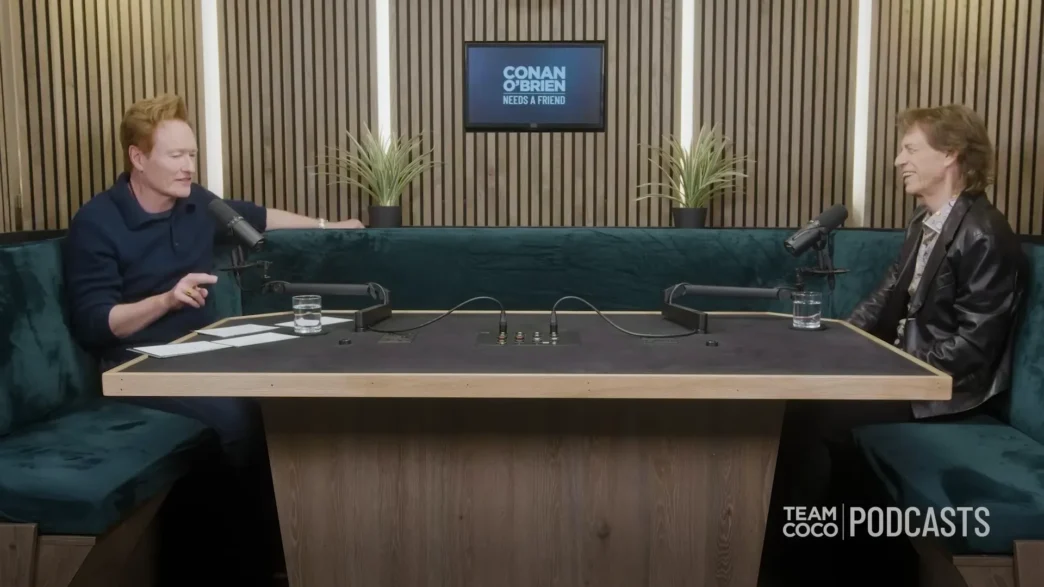
Conan O’Brien flew from Los Angeles to London on only a few days’ notice to interview Mick Jagger inside a tiny podcast studio hidden off an alley. Conan said the arrival felt suspicious enough to resemble a drug deal. Jagger’s opening concern was somehow even better: becoming Conan’s friend felt like “a heavy thing,” especially while trapped together in such a small room.
The brand-sparkling-new episode of Conan O’Brien Needs a Friend begins as a bucket-list meeting and quickly becomes something more useful than a standard living-legend victory lap. Yes, The Rolling Stones’ new album Foreign Tongues is the reason for the sit-down. But the real subject is why Jagger still behaves like somebody with work left to learn.
Discover More
Mick Is Still Moving—Your Record Shelf Can Catch Up
The conversation reaches from the Stones’ newest chapter back through the records, performances and books that built the mythology. Start with the band’s official home, then keep the catalog within reach.
Some links may be affiliate links. INYIM may earn from qualifying purchases.
Conan first noticed Jagger’s operating system while preparing a Brooklyn launch event for Foreign Tongues. Mick made several calls about the details, approved the venue and then watched the room fill before deciding how it felt. Keith Richards reportedly confirmed that this was not new behavior: this was Mick in 1962 too. Jagger rejected the “control freak” label, saying he delegates, but admitted that the audience, atmosphere and physical room still matter.
That same attention surfaced backstage at the Oscars. Conan remembered Jagger repeatedly asking, “How’s the crowd?”—an absurd question only because the man asking was Mick Jagger. Mick insisted he did care. He had also rewritten the presenter copy so it sounded like him instead of dead teleprompter language, rehearsed against cardboard celebrity stand-ins, and ended up sharing an office—not an actual dressing room—with Daryl Hannah and Neil Young.
The most revealing stretch arrives when Conan points out that Jagger does not write like an artist settling into nostalgia. Mick says Foreign Tongues was not built to lean on the band’s own monuments. When producer Andrew Watt suggested that the ending of “Mr. Charm” could move closer to “Jumpin’ Jack Flash,” Jagger shut the reference down. He did not want the musicians encouraged to overdub guitars toward an old solution simply because everybody already knew it worked.
That resistance to self-imitation does not mean Jagger has stopped studying other singers. Quite the opposite. While discussing his voice, he explains that he still listens analytically. He recently put on an Al Green record to study how Green moves from falsetto into his regular voice within the same line—a technique Jagger says remains difficult and worth practicing. Six decades in, he is still singing along at home to understand how somebody else made the turn.
He is equally willing to expose where technology gets the history hilariously wrong. For the “In the Stars” video, younger versions of the Stones were created with AI-assisted faces over otherwise real footage. At one point, Jagger stopped a review at exactly 3:18 because the supposedly young Ronnie Wood was actually Jeff Beck. The system had apparently followed Ronnie’s old band connection straight to the wrong guitarist. For one brief synthetic moment, Jeff Beck had joined the Rolling Stones.
Then came one of the interview’s most quietly fascinating regrets. Jagger never met Elvis Presley because John Lennon advised him not to meet his heroes after the Beatles’ disappointing visit with Elvis in Los Angeles. Lennon later described walking away wondering where the Elvis he admired had gone. Jagger took the warning seriously and preserved his own imagined Elvis instead. Now he calls that decision stupid and admits he would have loved the meeting.
The stories from the Stones’ early years are less romantic. Jagger remembers concerts with barely any security, fans climbing onto the stage while he tried to sing and dance, and inexperienced local police using nightsticks on teenage girls. The band’s clothes and hair look tame now, but in 1964 much of America—and plenty of Britain—treated them as freaks, threats or a passing joke. The hostility was real, and so was the speed with which the supposed fad rewrote popular culture.
Foreign Tongues was made with the opposite of museum-piece caution. Jagger describes arriving with songs already prepared, working each one for a limited stretch and moving forward instead of spending all day analyzing whether the performance was good enough. After several weeks, the band could step back, assess what survived and cut anything that felt like filler. Urgency first. Judgment later.
The album also carries Charlie Watts forward without pretending he has become a soft-focus memory. Jagger says one reused Watts performance lands on a fast, nearly punk track where the famously tasteful jazz-influenced drummer is not delicately brushing history—he is banging it out.
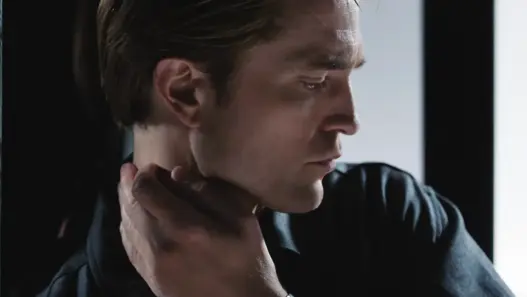
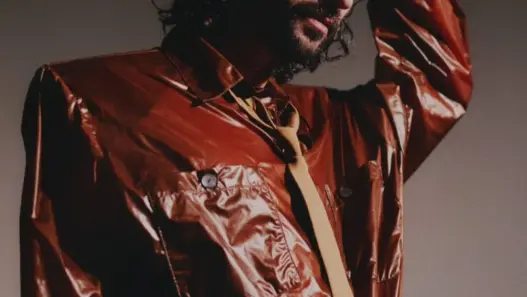
Inside Mick Jagger And Conan O’Brien’s London Sit-Down
Three moments from the full conversation capture Jagger reflecting on Elvis, judging the Stones’ own work and trading stories from a very small London podcast studio.
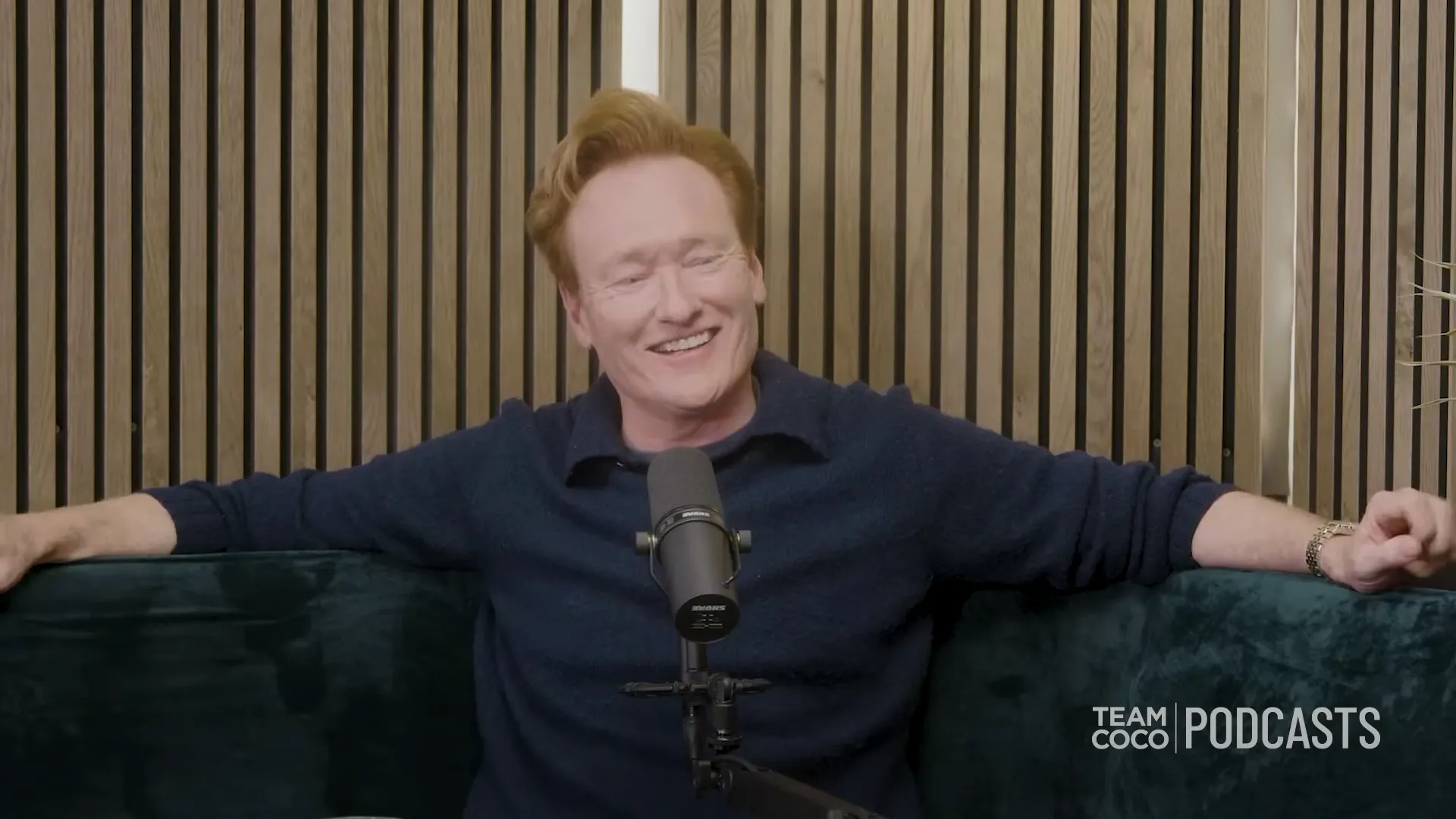
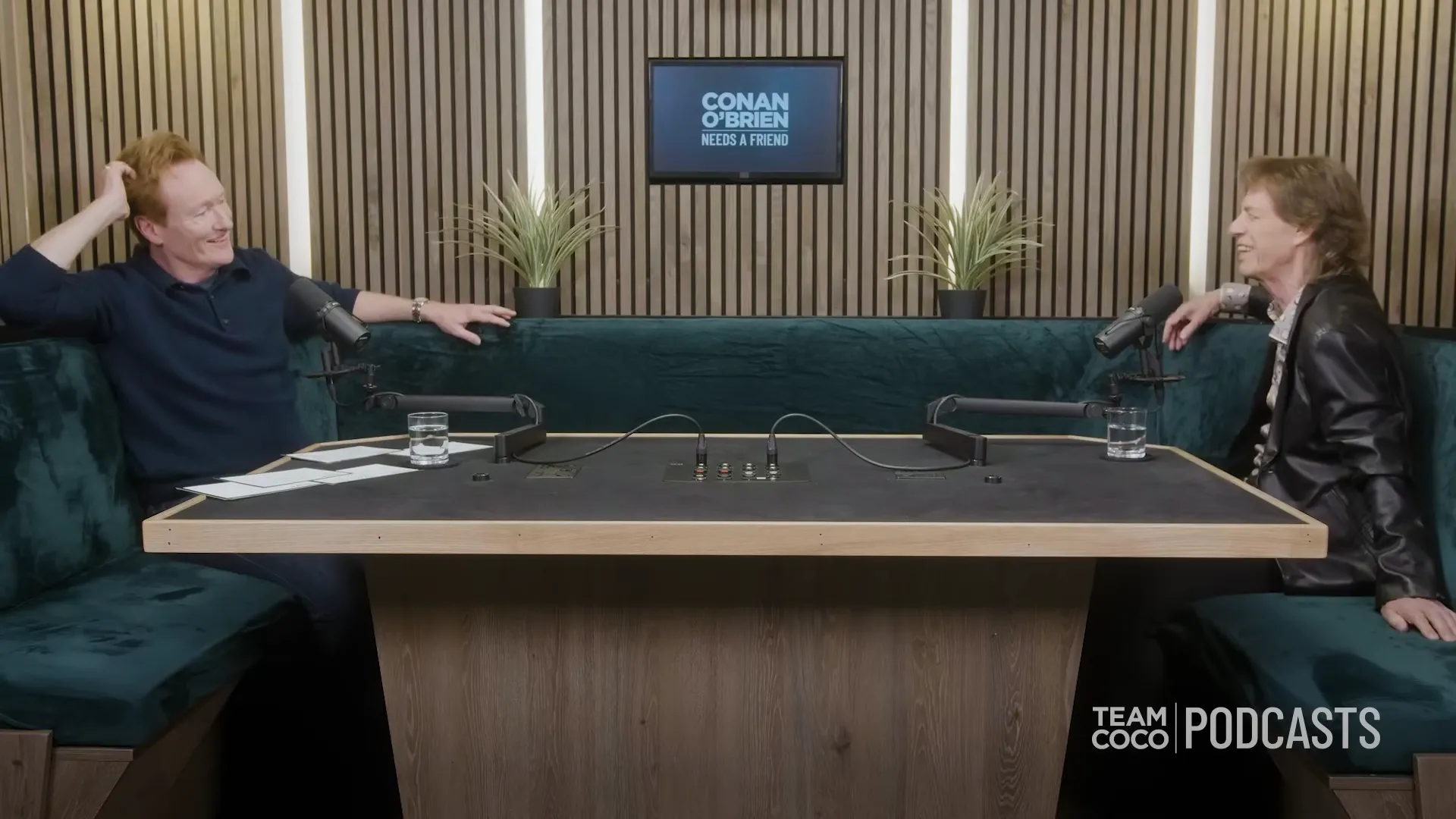
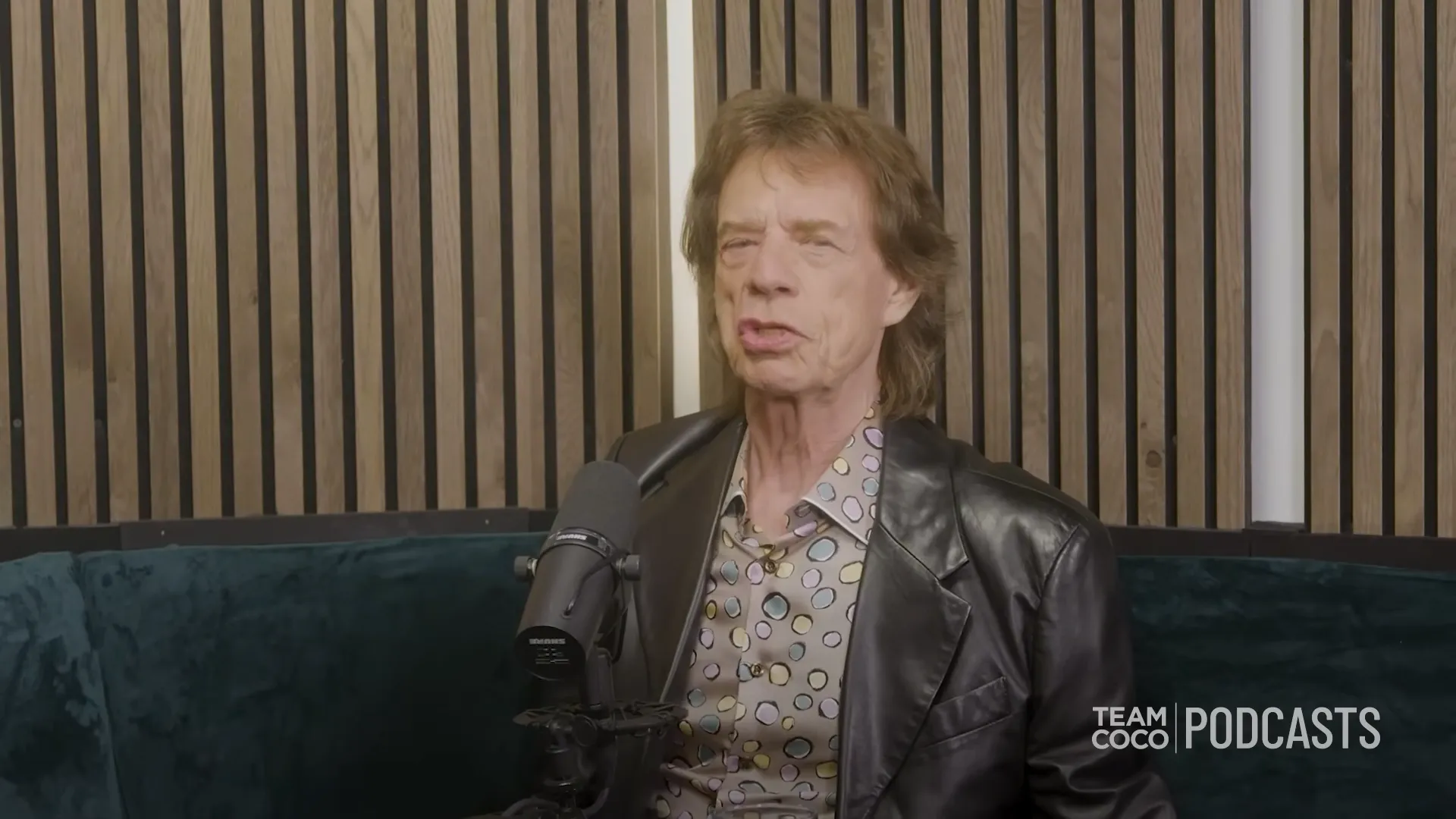
Video stills from the official Conan O’Brien Needs a Friend episode via Team Coco.
And then there is present-day Mick wandering into an Oxford pub. After dinner at an Oxford college, a student mentioned that he was heading down the road with his mandolin to join an Irish band. Jagger followed along with a few people and the college provost. When nobody in the pub was singing, Mick spotted the opening, mentally rehearsed several verses of an old standard he had not performed in years, and took the microphone. Not for an arena, a camera plan or a grand legacy moment. Because the song was sitting there and nobody else had claimed it.
That may be the clearest answer to why this conversation feels less like an obituary drafted early and more like a transmission from somebody still in motion. Conan describes watching Jagger try everyone’s food at dinner, steal some of Ronnie Wood’s dessert and remain deeply interested in whatever subject entered the room. His takeaway was not to become Mick Jagger—that position remains occupied—but to borrow the philosophy: bite into life, stay curious and keep delighting yourself.
Watch Mick Jagger’s Full Conversation With Conan O’Brien
The complete episode covers Foreign Tongues, the Stones’ chaotic early concerts, vocal technique, Elvis, Charlie Watts, AI’s accidental Jeff Beck cameo and the Oxford pub singalong.
Source: Official Conan O’Brien Needs a Friend YouTube.