













Glenn Close Revisits Seduction, Survival And Redford’s Restless Artist Soul

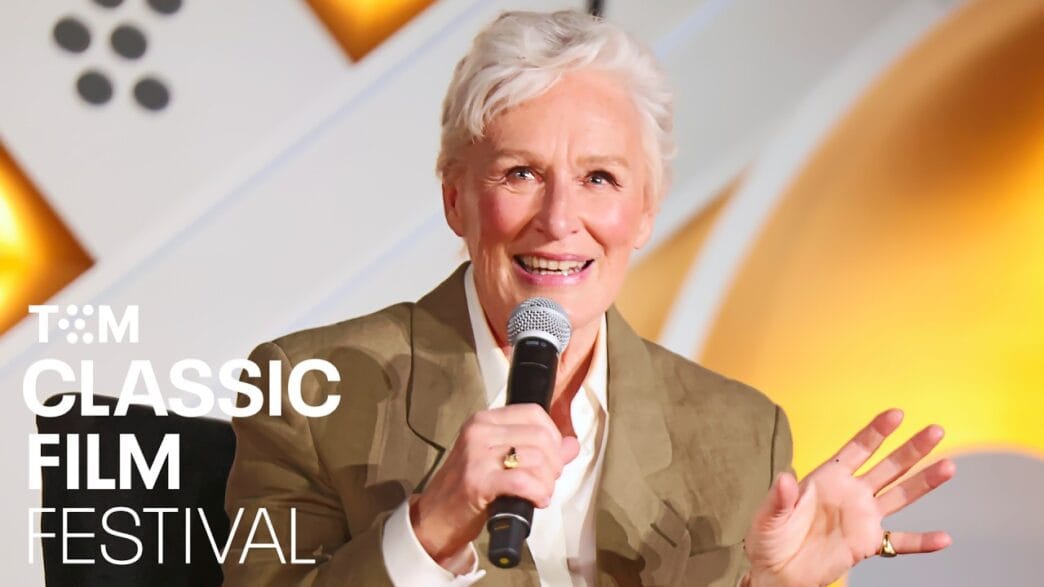
Film goddess supreme Glenn Close visited the 2026 TCM Classic Film Festival to chit-chat about the 1988 classic Dangerous Liaisons, the restless artistry of Robert Redford and the kind of career that refuses to play the same emotional note twice.
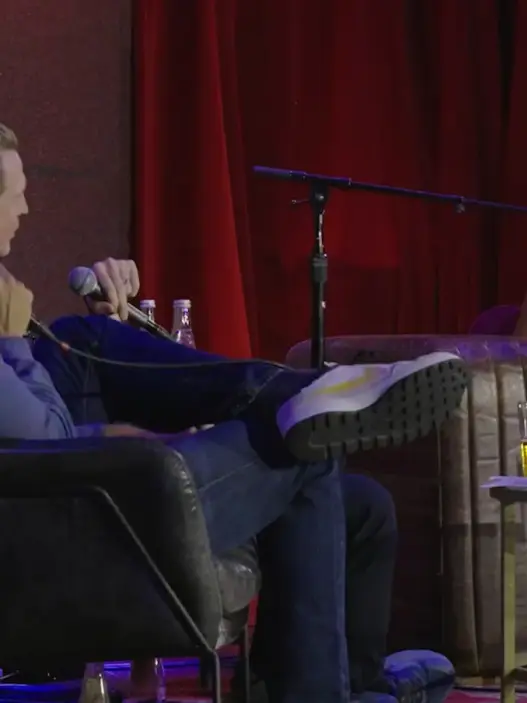
The eight-time Academy Award nominee sat down with TCM host Ben Mankiewicz before a special festival screening of Stephen Frears’ wickedly elegant period drama. Close had also just been honored with a hand and footprint ceremony at Hollywood’s TCL Chinese Theatre, officially placing her hands, feet and enormous body of work into movie history.
Discover More
Dangerous Liaisons Still Knows How To Ruin A Perfectly Good Evening
The costumes are immaculate, the glances are lethal and nearly every drawing room contains an emotional crime scene. Visit Glenn Close’s official home, then revisit the film and the original novel that started the games.
Some links may be affiliate links. INYIM may earn from qualifying purchases.
Why Dangerous Liaisons Was The Film Close Wanted To Revisit
Close called the movie timeless and praised Christopher Hampton’s Oscar-winning screenplay as one of the great scripts. She had read Pierre Choderlos de Laclos’ epistolary novel long before knowing she would play the Marquise de Merteuil and remembered it as the most terrifying book she had encountered outside Dracula.
Her first festival choice was actually Albert Nobbs, but Dangerous Liaisons remained especially personal: beautifully photographed, intellectually vicious and tied to a production experience she still remembers with pride.
The film arrived during an extraordinary early run that already included The World According to Garp, The Big Chill, The Natural, Jagged Edge and Fatal Attraction. Mankiewicz noted that the roles were so different from one another that a tidy “Glenn Close type” barely existed.
That range was not accidental. Close said she has never wanted to repeat herself because each role should take her into a different section of the human condition—a new background, a new way of thinking and a different place inside her own heart and soul.
Robert Redford Never Stopped Thinking Like A Visual Artist
The conversation then turned to Robert Redford, Close’s co-star in The Natural. She described him as somebody who truly possessed the heart of an artist, recalling his stories about taking off in a car with a sketchpad before fame made anonymity impossible.
He would follow whatever road interested him, stop to draw, meet people and absorb the food and culture around him. Once widespread recognition made those solitary trips impossible, Close felt something meaningful had been taken from a man whose instinct was to disappear into observation rather than remain trapped inside celebrity.
On the set of The Natural, Redford spoke to her about three passions: Native American culture, environmental protection and the Sundance Institute. He later placed Close on Sundance’s board, where she served for 16 years. Her conclusion was direct: Redford did not merely make films—he helped change the profession by repeatedly protecting independent cinema.
Glenn Close Says Suggestion Made The Film More Erotic
Dangerous Liaisons remains intensely erotic without needing to show very much. Close believes that restraint is exactly why it works. Suggestion gives the imagination space to become wilder than anything a filmmaker could place directly on the screen.
The seduction lives in glances, history, strategic silence and the constant game of emotional one-upmanship between Merteuil and John Malkovich’s Vicomte de Valmont. Close described them as two people unlikely to find anybody else they could love—or hate—as deeply.
Her earliest question about Malkovich was considerably less academic. Sitting across from him before production, she quietly asked herself whether she could be attracted to him. The answer, after a moment of consideration, was yes.
She Had To Study Malkovich Before Their Performances Could Lock
Close joined the production in France when her daughter Annie was only seven weeks old. The crew had already filmed the scenes involving Michelle Pfeiffer and the material that did not require Merteuil, leaving Close to enter a performance rhythm that Malkovich had already established.
At first, she could not understand what he was doing. Rather than bluff her way through it, she asked Frears to show her the footage already filmed. Once she watched Malkovich’s scenes, the approach clicked and she could finally enter the same dangerous game with him.
His casting also gave Valmont a useful perversity. The character’s power did not come from looking like the obvious romantic ideal. It came from unpredictability, intelligence and the unsettling confidence of a man who had learned exactly how to make manipulation feel like intimacy.
Merteuil Was Never A Villain Inside Glenn Close’s Head
Close rejects the simple villain label for both Merteuil and Alex Forrest in Fatal Attraction. An actor, she explained, cannot enter a character while passing judgment on that person. The work requires understanding how the character became who she is and remaining truthful to that internal logic.
For Close, Merteuil was a survivor shaped by a society designed for men. Sent to a convent and then released into elite French society, she learned to observe everything while revealing nothing. Her carefully controlled face became armor, and her manipulation became a brutal method of refusing the fate assigned to most women around her.
That does not make her harmless. It makes her more interesting. Merteuil can cause extraordinary damage while still being legible as a woman who taught herself to weaponize the only forms of power her world allowed her to possess.
The Alternate Ending Put Merteuil Directly Beneath A Guillotine
Then came the evening’s most delicious production reveal. Close said the team filmed an alternate ending in which Merteuil was taken to the guillotine and had her head chopped off as the French Revolution closed in around the aristocracy.
The mechanical setup was terrifying even though the blade was designed not to complete its journey. The ending was ultimately discarded—Close joked that it apparently did not test very well—and the production instead created the final scene audiences know today.
That replacement was not taken from the novel or Hampton’s play. It was written specifically for the film and captured late at night with time for only one shot. Close delivered it, and one of cinema’s most devastating faces did the rest.
Watch Glenn Close Discuss Dangerous Liaisons At TCMFF 2026
The complete Turner Classic Movies conversation follows Close from her refusal to repeat herself through Robert Redford’s influence, John Malkovich’s unexpected seduction and the unused guillotine ending of Dangerous Liaisons.
Source: Turner Classic Movies and the official TCM Classic Film Festival.