












Bottega Veneta Turns Milan Into Something Stranger for Winter 2026

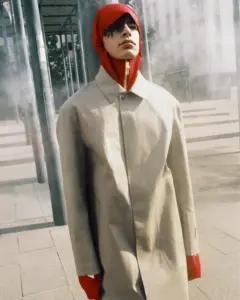
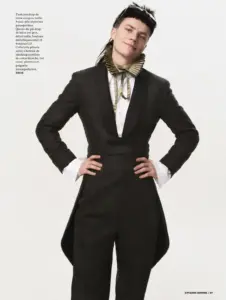
Bottega Veneta is not giving us postcard Milan for Winter 2026 — and thank goodness for that. Under creative director Louise Trotter, the Italian house hands the city over to Juergen Teller, whose unmistakably direct photography turns architecture, interiors, sculpture and stretches of landscape into something a little rawer, stranger and more alive.
Conceived as an artistic project, the campaign moves between Villa Terenzio, Fondazione Pagani and other corners of Milan, setting brutalist forms against softer rooms and natural terrain. Rather than treating the city as a polished fashion backdrop, the images let its contradictions do some of the work: severe and sensual, monumental and intimate, designed and a little unruly.
Discover More
Bottega Veneta Winter 2026
Go deeper into Bottega's Winter 2026 world — from the official Milan campaign to fashion and photography books worth keeping on the table.
Some links may be affiliate links. INYIM may earn from qualifying purchases.

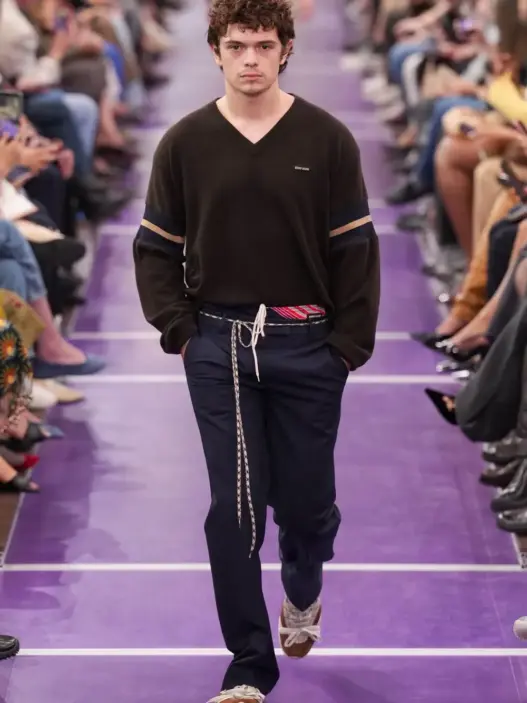
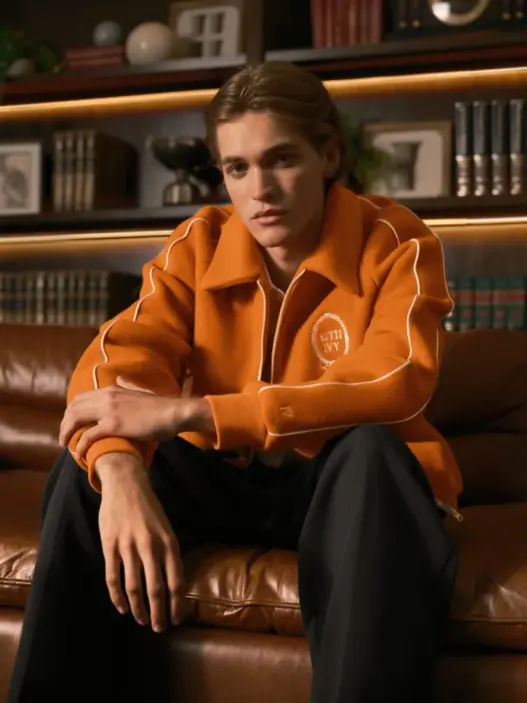
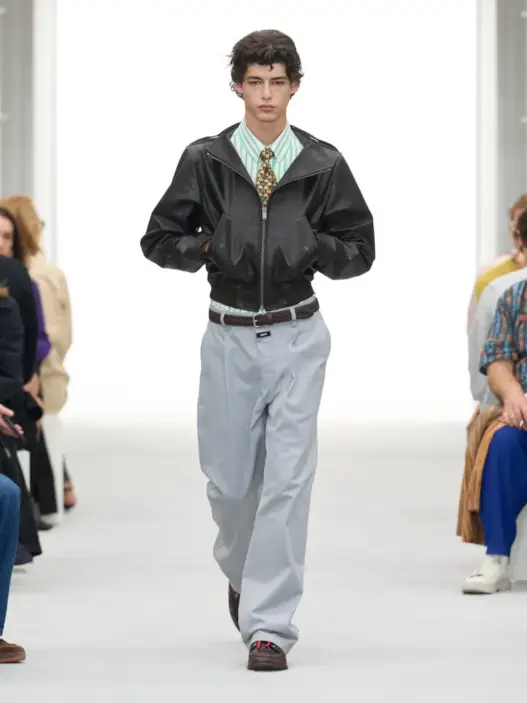
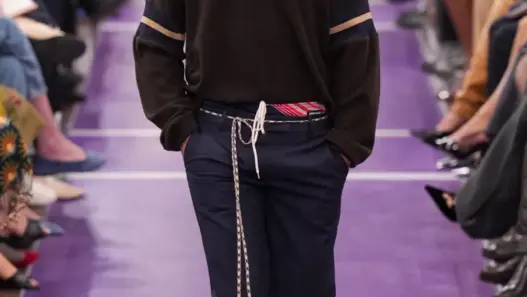
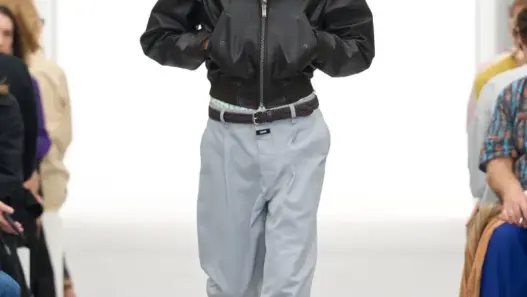
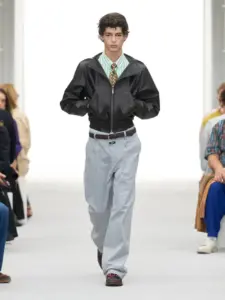
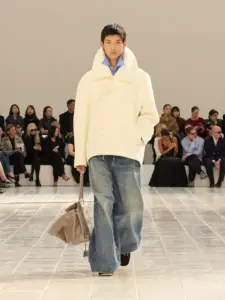
That tension fits Trotter’s Bottega particularly well. Her Winter 2026 collection plays with familiar daywear codes while pushing silhouette, texture and proportion in more expressive directions. Bottega itself describes the season through a dialogue between brutalism and sensuality — which sounds lofty until you see how naturally that idea carries through the campaign.
Teller keeps the whole thing from becoming too precious. There is still luxury here, obviously, but the mood is less glossy perfection and more fashion dropped into a world that already existed before the clothes arrived. Architecture and public art are not decorative extras; they become part of the image’s friction. The result feels expensive without begging to look expensive — always a much better trick.
Louise Trotter’s Bottega Finds Beauty in Milan’s Contradictions
The campaign continues Trotter’s push to position Bottega Veneta as a house where craft and creativity sit right next to each other. Instead of flattening Milan into one familiar visual identity, Teller moves through contrasting spaces and lets each one shift the mood of the clothes.
Some moments feel almost private; others lean into the scale and weight of the city around them. That back-and-forth is what makes the campaign work. It is not interested in giving one tidy definition of Milan — or, really, one tidy definition of Bottega Veneta either.


It is a strong fit for a house that has always understood the power of texture. Against concrete, sculpture, interior surfaces and landscape, the clothes do not need an overworked fantasy around them. The campaign lets material, shape and setting bounce off one another — sometimes beautifully, sometimes awkwardly, and very intentionally so.
For Winter 2026, Bottega Veneta seems most interested in the parts of Milan that resist being made too neat. That is exactly where Teller tends to be at his best, and it gives Trotter’s collection room to feel lived-in rather than simply displayed.
Sources: Bottega Veneta; FY Magazine!