




















Ancient Dinnerware Survived 2,100 Years Under the Mediterranean
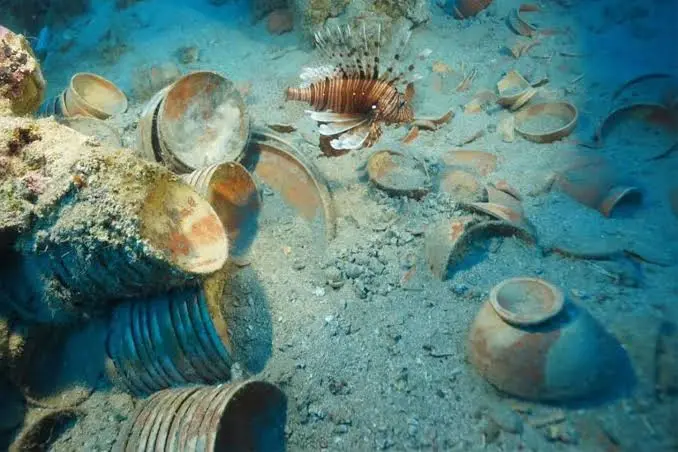
Back to the future, indeed. Archaeologists working off the Mediterranean coast of Türkiye have been pulling remarkably preserved tableware from a shipwreck that sank roughly 2,100 years ago — and some of the cargo looks less like shattered archaeological debris and more like somebody packed up dinner service and forgot to come back for it.
The wreck lies off Adrasan in Antalya province, where underwater excavations began in 2025. Thousands of ceramic artifacts have now been recovered, representing 122 different forms and sizes of plates, bowls and trays.
entertainment
A 2,100-Year-Old Mediterranean Shipwreck
Archaeologists off Antalya are uncovering thousands of remarkably preserved ceramic vessels that reveal the luxury dining and trade networks of the ancient Mediterranean.
Some links may be affiliate links. INYIM may earn from qualifying purchases.
The Cargo Was Basically Ancient Luxury Dinnerware
The ship’s main cargo includes plates and bowls believed to have been produced around Rhosus, the ancient settlement corresponding to present-day Arsuz in Hatay province. Archaeologists have identified nut dishes, soup bowls, fish plates and trays in a range of sizes — tableware that was apparently in demand across the Mediterranean world, including Rome.
Also among the finds are amphorae thought to have come from several Aegean islands, suggesting this was not a one-note shipment. The vessel was carrying goods from multiple production centers, offering another glimpse at how busy and connected Mediterranean trade already was more than two millennia ago.
So How Did So Much of It Survive Intact?
Here is the part that really makes the discovery sing: the ceramics were packed with clay placed between the pieces inside crates. That ancient packing method helped cushion the tableware enough that many pieces survived their long stay underwater in remarkably good condition.
The excavation is taking place at depths of roughly 42 to 55 meters, with underwater robots assisting the archaeological team.
Even Cicero Knew About Rhosus Pottery
The Rhosus connection gets even better. Türkiye’s Culture and Tourism Ministry noted that Roman statesman and orator Marcus Tullius Cicero mentioned ceramics from Rhosus in his correspondence. In a letter to his friend Atticus in 50 B.C., Cicero referred to ordering vessels from the area — a tiny historical detail that suddenly makes this newly recovered cargo feel very less anonymous.
What archaeologists are bringing up now is not just fancy dinnerware. It is physical evidence of taste, manufacturing, shipping and status moving around the ancient Mediterranean in real time.
Watch the 2,100-Year-Old Shipwreck Discovery Footage
Dig out the newly released footage showing the ceramic cargo recovered from the ancient wreck off Antalya.
Sources: Türkiye Ministry of Culture and Tourism; Anadolu Agency; Akdeniz University. Images: Türkiye Ministry of Culture and Tourism / YouTube.