
















Jacob Tremblay Goes Inside the Making of a Monster
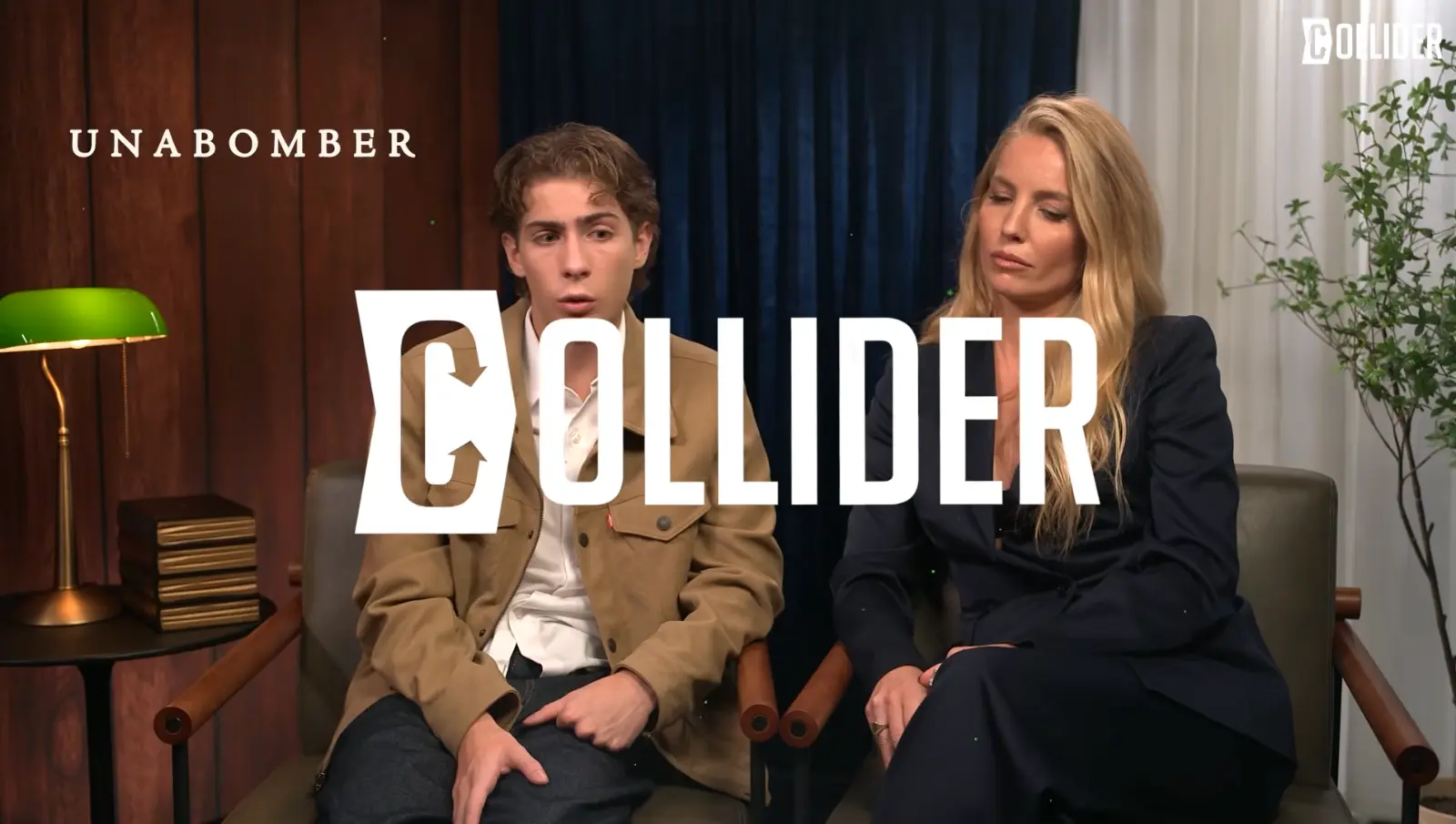
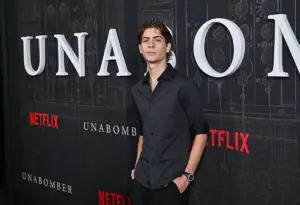
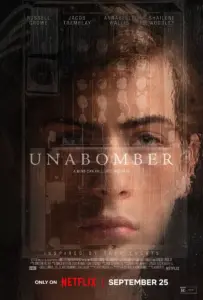
Netflix’s UNABOMBER superstars Jacob Tremblay and Annabelle Wallis divulge thee Ted Kaczynski-inspired movie for Collider Interviews — and this one is less interested in the infamous cabin mythology than in the much earlier question of how a 16-year-old Harvard prodigy became the man America would later know as the Unabomber.
Directed by Janus Metz, the 2026 Netflix drama moves between two timelines: Kaczynski’s formative years at Harvard and the later FBI hunt that finally closed in on him after nearly two decades of bombings. The film arrived on Netflix on September 25, 2026, with Tremblay playing the young Ted and the story tracing the collision of brilliance, alienation and the psychological experiments that became part of his Harvard experience.
Discover More
Inside Netflix’s UNABOMBER
Jacob Tremblay and Annabelle Wallis unpack the Harvard years at the center of Janus Metz’s psychological crime drama.
Some links may be affiliate links. INYIM may earn from qualifying purchases.
Tremblay’s assignment is especially tricky because the film does not introduce Ted as a fully formed monster. It meets him as a teenage mathematics prodigy entering Harvard at only 16 — socially adrift, intellectually accelerated and not yet the domestic terrorist whose mail-bombing campaign would kill three people and injure 23 others.
What makes Tremblay’s take especially interesting is that he reads the young Ted through a need to resist becoming “another cog in the wheel.” In the Collider conversation, he describes a teenager who wants his own ideas, his own path and someone who actually sees that hunger in him. When Henry Murray enters the picture, Ted suddenly thinks he has found exactly that.
That is where the interview lands on one of the movie’s sharpest dynamics: the relationship between Ted and Murray as a toxic father-son story. Tremblay agrees with the framing outright. Ted’s real father is presented as rigid about what his son’s life should look like, while Murray offers intellectual attention, validation and access. Tremblay says he leaned into that dynamic while acting opposite Russell Crowe, whom he genuinely admires, letting his own respect for Crowe feed Ted’s admiration for Murray.
The debate-room scenes make that dynamic physical. Tremblay explains that he is essentially restrained in the chair with almost no movement available to him, which forces the performance inward. The limitation becomes part of the discomfort: Ted is trapped in a plain room, waiting for Murray to enter, with very little to hide behind. Tremblay says Crowe’s presence did the rest. “He doesn’t have to do much.”
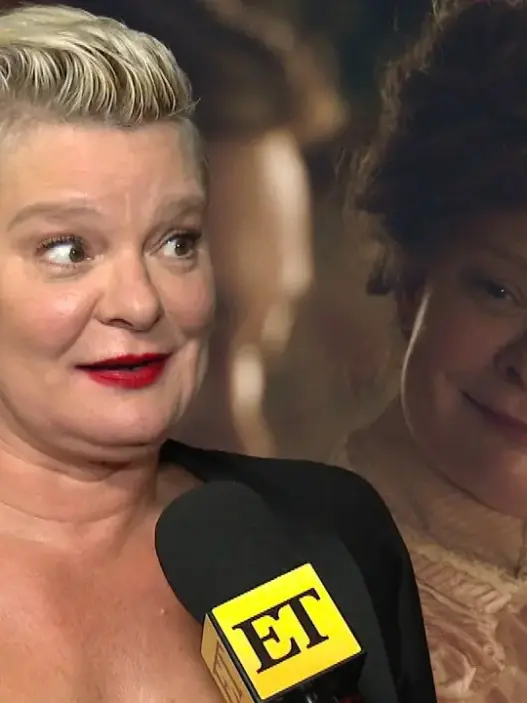
The Harvard chapters also give Annabelle Wallis one of the film’s most complicated roles as Christiana Morgan, Murray’s longtime collaborator and lover. Wallis pushes back against any simple maternal reading of Christiana, describing her instead as a woman of contradictions — protective in one breath, academically ambitious in the next, and ultimately willing to remain complicit even when her nurturing instincts should tell her to stop.
“Her ego in her academic field overrides that mothering, protective, nurturing aspect,” Wallis says, pointing to exactly what makes the character uncomfortable. Christiana may care about the people around her, but she never becomes the person who says enough is enough. That pursuit of academic prowess, Wallis argues, is part of what keeps her inside the machine.
Wallis also found a different kind of rebellion in Christiana. She describes a woman who resisted the expectations placed on women of her era — in education, marriage and sexuality — and lived what Wallis calls an “entirely unconventional life at a very conventional time.” That sense of being an outsider becomes one of the threads linking Christiana and Ted, even as their choices and consequences are radically different.
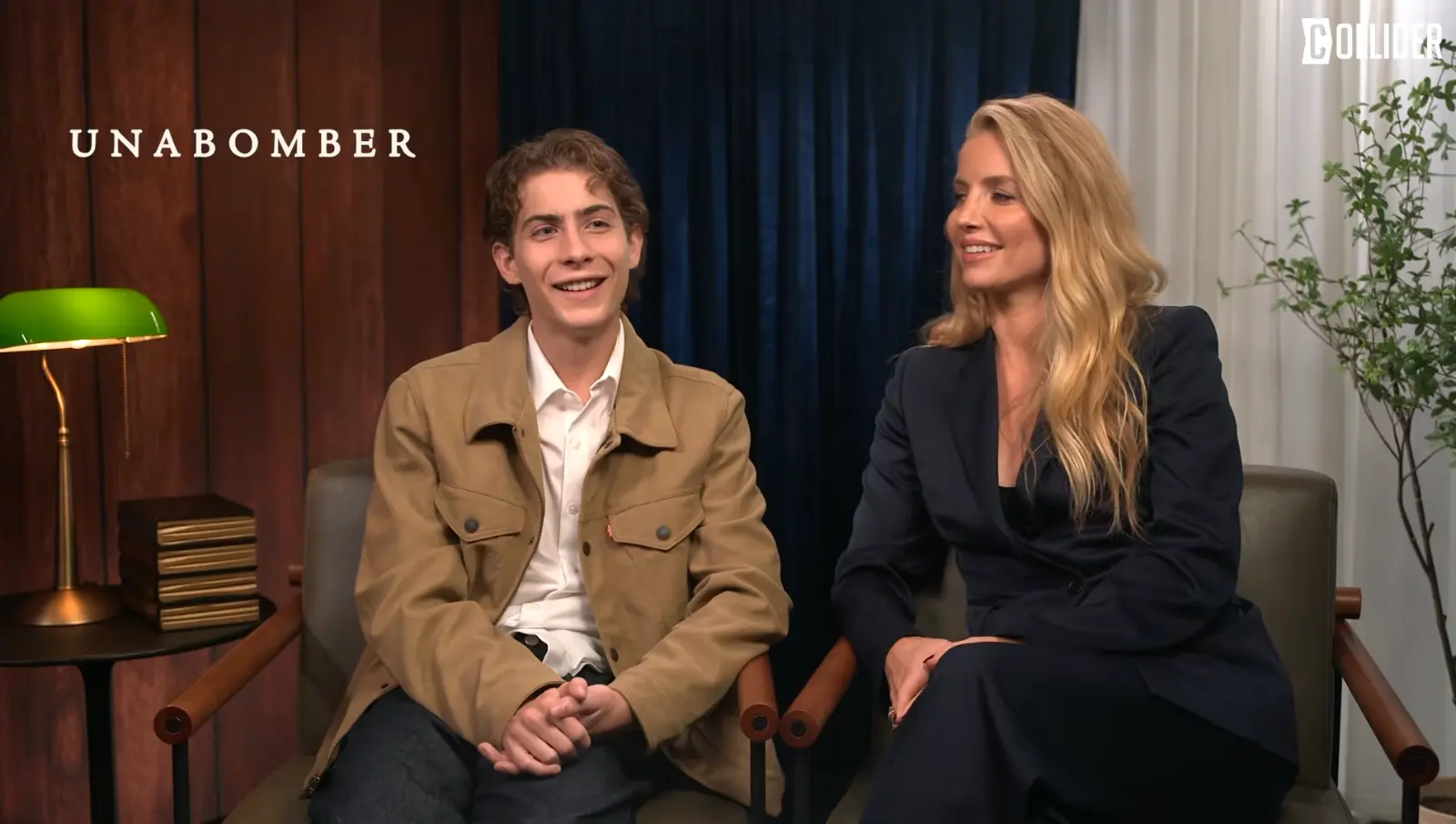
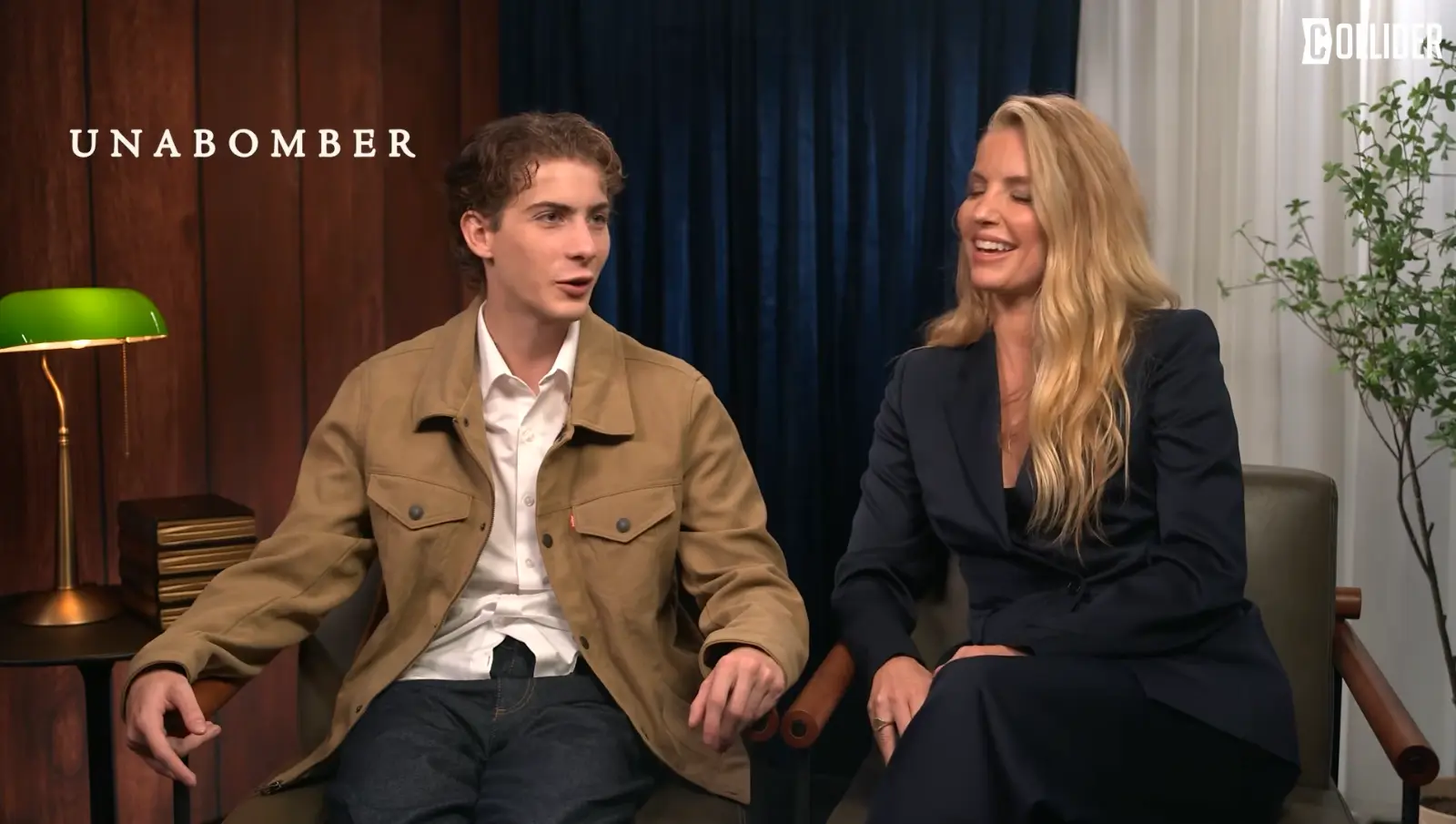
What surprised both actors most during their research was not a costume detail or some lurid true-crime footnote. It was the reality of the psychological experiments themselves. Tremblay says he had no idea they had taken place and expects audiences coming into the film cold to find that history genuinely shocking.
Wallis takes that reaction one step further. For her, the story becomes a warning about how easily people trust institutions and authority figures simply because they carry the right credentials. She says the material made her think harder about “the message behind the message” — and about whether the danger can sometimes sit much closer than people assume.
The interview also digs into how the film uses intimacy to expose character. Tremblay says Ted’s awkward romantic storyline is less about romance than about showing how deeply uncomfortable he is in his own skin, unable to express himself the way he sees others doing. Wallis, meanwhile, frames Christiana’s intimacy as another form of rebellion: a woman resisting the rules of a far more conventional era, even while remaining entangled in a system whose consequences she helps enable.
For Wallis, building that character started physically. She says body language is one of the first tools she uses to get away from herself, with posture, movement, hair, aging makeup and boxier period costuming all helping her disappear into Christiana. “Actors are sponges,” she says — collecting details from people, places, films and literature until the character can arrive when the camera rolls.
What makes UNABOMBER potentially more unsettling than another straight true-crime retelling is that it does not begin with the beard, the cabin or the wanted poster. It starts earlier, while the outcome is still invisible. That does not excuse Kaczynski’s violence; it makes the film’s central question harder. How much can we understand about the making of a person without turning understanding into absolution?
Tremblay and Wallis get into that territory with Collider while breaking down the film, their characters and the historical figures behind them.
Watch Jacob Tremblay and Annabelle Wallis Discuss Netflix’s UNABOMBER
Tremblay and Wallis discuss the Ted–Murray father-figure dynamic, the Harvard experiments, Christiana Morgan’s contradictions and the performance choices behind Janus Metz’s film.
Sources: Collider Interviews / YouTube; Netflix; Netflix Tudum.