















The Ghosts of El Leon de Oro Have Been Whispered About for Generations

Some Halloween stories belong to folklore. Some belong to history. And every once in a while, the two become so tangled together that it becomes difficult to tell where one ends and the other begins.
For me, that place is El Leon de Oro.
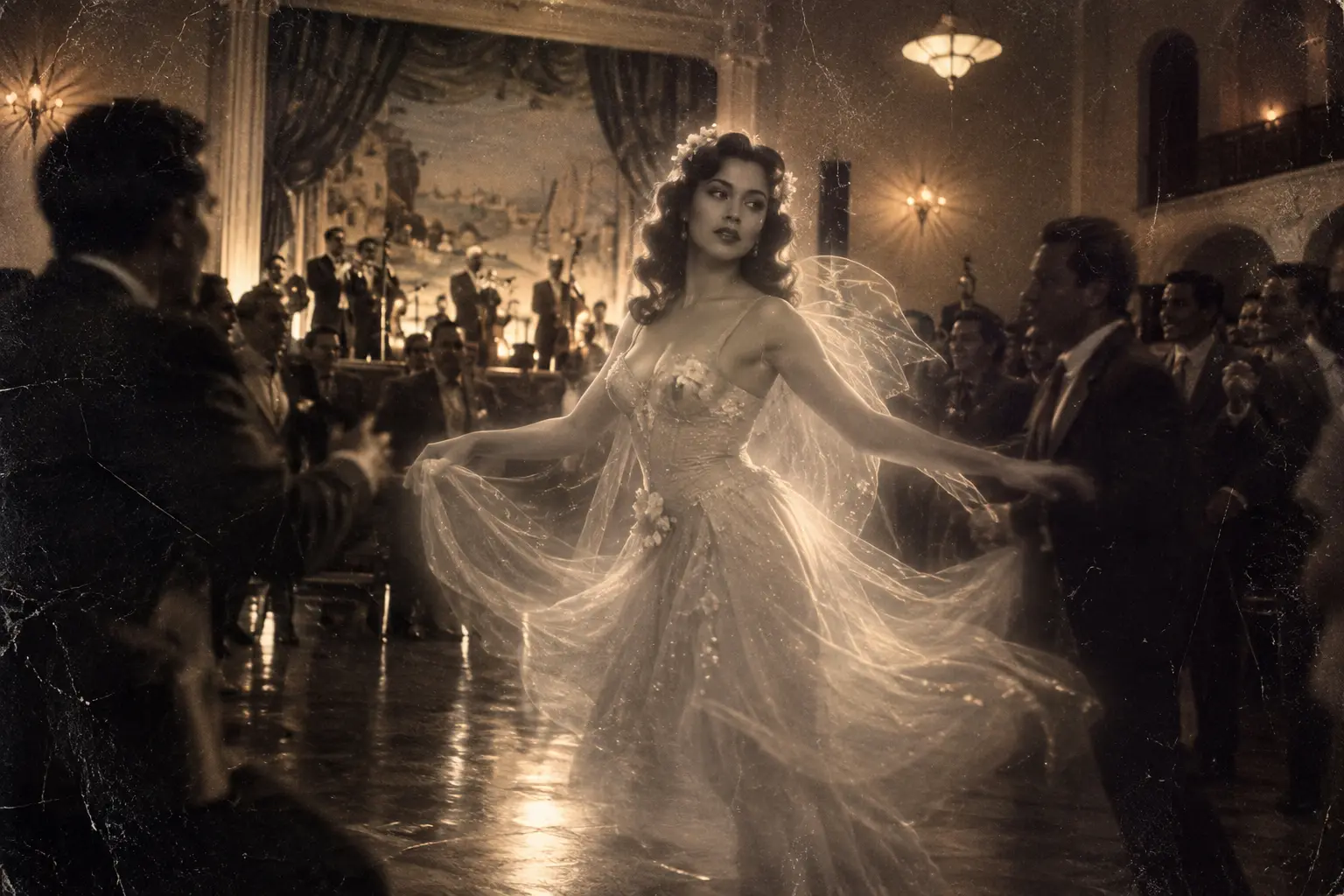
My grandfather, Leonardo Miranda Calderón, owned and operated the Boyle Heights Mexican bar and nightclub for years. Long before I knew anything about the building’s history, I knew the stories our family told about it — especially one about a mysterious woman who was said to appear inside dressed in what relatives remembered as a fairy-like costume.
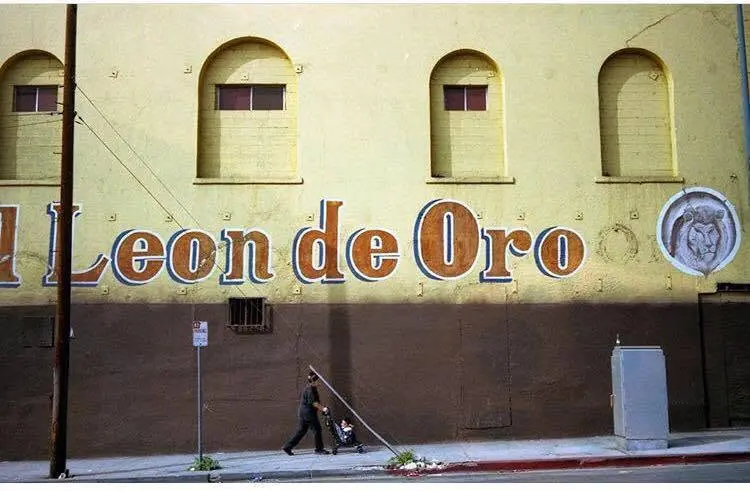
I cannot tell you where that story started. I cannot tell you who first saw her. It was simply one of those stories that seemed to already exist by the time I was old enough to hear it.
Then, after my grandfather died in the mid-1990s following a heart attack while at El Leon de Oro, the nightclub closed — and I had an experience inside the building that I have never forgotten.
entertainment
El Leon de Oro: A Boyle Heights Story
Follow the documented history behind the ballroom, the family memories and the ghost stories that survived it.
Some links may be affiliate links. INYIM may earn from qualifying purchases.
The Woman in the Fairy-Like Costume
The ghost story I grew up hearing was about a woman.
Family members described an apparition that would appear inside El Leon de Oro wearing something remembered as a fairy-like costume. I never knew her name, if she had one, or whether anyone believed she was connected to a specific event at the club. Like so many stories passed through families, some details disappeared while the central image survived: a woman appearing where she should not have been.
For years I treated it as exactly that — one of our family’s old stories about the nightclub.
What I did not know was that another story about a mysterious woman had been attached to the same ballroom decades earlier.
The Beautiful Woman Who Seemed to Float Across the Dance Floor
In 1997, Frank Romero sat for an oral-history interview with Jeffrey Rangel for the Smithsonian Institution’s Archives of American Art. Romero is not simply a neighborhood witness in this story: he is one of the pioneering figures of the Chicano art movement. Born in East Los Angeles and raised in Boyle Heights, he became a founding member of Los Four alongside Carlos Almaraz, Gilbert “Magu” Luján and Roberto “Beto” de la Rocha. The group’s landmark 1974 exhibition at the Los Angeles County Museum of Art made them the first Chicano artists shown at LACMA. The Smithsonian identifies Romero’s 1986 Death of Rubén Salazar as his best-known painting.
That makes what Romero remembered about this particular building even more remarkable. His grandfather lived on State Street directly behind the ballroom, in the house Romero remembered as a gathering place for his extended family. In other words, Pontrelli’s was not some distant venue he encountered through research years later. The building that eventually became El Leon de Oro literally sat behind his family’s home.
The Smithsonian transcript renders the ballroom name in slightly different forms — including “Petrolly’s” and “Pentrolly’s.” A period nightclub listing from the 1947 Los Angeles telephone book, however, identifies Pontrelli’s Ball Room & Restaurant at 1866 E. 1st Street, helping connect the oral-history spelling variants to the same Boyle Heights ballroom.
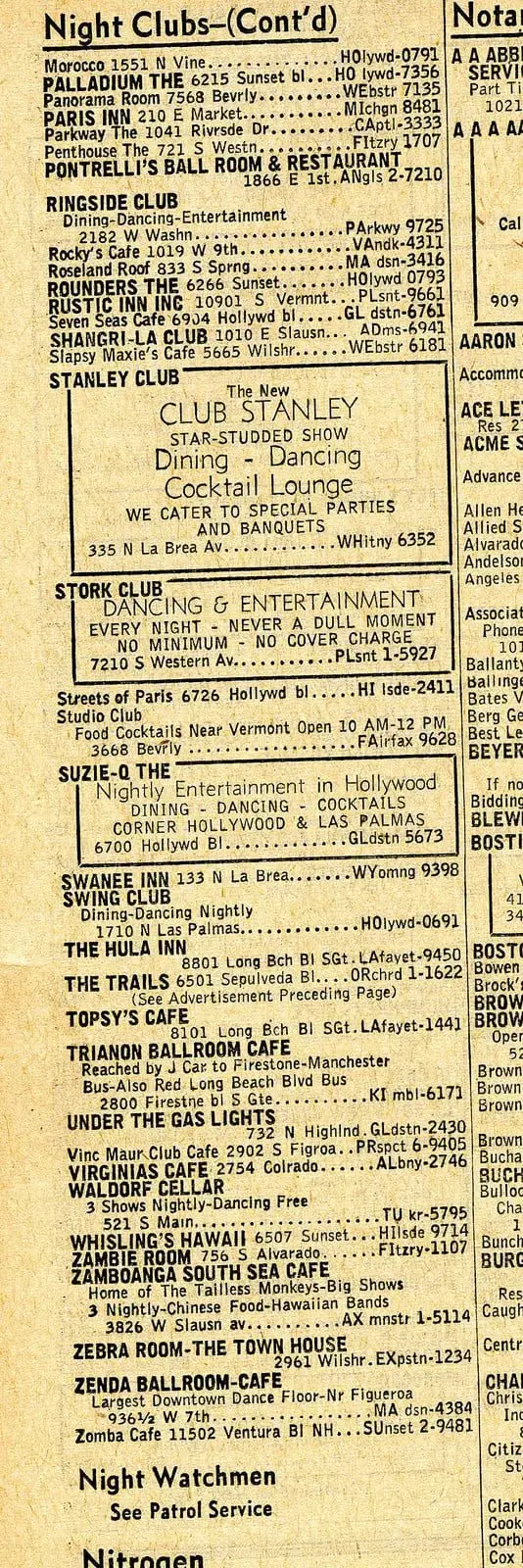
Romero identifies that ballroom as the place that later became El Leon de Oro.
Then he tells a ghost story.
Romero said a woman he knew, Señora Lechuga, told him about something her brother had experienced at the ballroom during the war years. According to the story, an exceptionally beautiful woman appeared at the dance hall one evening. Men wanted to dance with her, and when she moved across the floor she seemed almost to float.
One man became captivated by her. At the end of the night, he reportedly took her home. Because she was cold, he lent her his coat before leaving her at a house near Evergreen Cemetery.
The next day, he returned to the house looking for her.
The woman who answered the door told him there had to be some mistake. The daughter he was describing had been dead for a year.
According to the story Romero preserved, the mother eventually took the man across to Evergreen Cemetery. When they reached the daughter’s grave, the coat he had lent the mysterious woman the night before was there.
Romero was fascinated by stories like this and by the way barrio ghost tales could move between personal memory and urban folklore. He noted that versions of supposedly personal ghost stories sometimes turned up elsewhere in published anthologies. He even spoke about wanting to make a painting inspired by what he called The Ghost of Petrolly’s Barroom.
That distinction matters. Romero was preserving an oral tradition, not presenting evidence that a supernatural event had occurred.
But discovering his account decades later stopped me cold.
The woman from Romero’s story is not described as wearing a fairy costume, and there is no reason to declare that she and the woman from my family’s stories were supposed to be the same person. The accounts come from different people and different generations.
Still, both stories place a mysterious female figure inside the same old Boyle Heights ballroom.
And my family was not connected to the building when Romero’s wartime story supposedly took place.
The Day I Opened the Door Upstairs
My own experience happened after my grandfather’s death.
El Leon de Oro had closed, and I was inside the building with my uncle. There had always been talk that my grandfather might have hidden or stashed cash somewhere in the property, so we were going through rooms and spaces looking for anything he might have left behind.
I never found any money.
But at the very top rear portion of the building, behind a very narrow balcony that overlooked the old dance floor, there was a makeshift bedroom area.
I opened the door.
And I saw what looked like someone sleeping in the bed.
I did not stand there trying to figure out who it was. I closed the door almost immediately and went downstairs.
I told my uncle that somebody was upstairs.
He told me that was impossible.
We were the only people in the building.
I never went back up to check.
Could I have mistaken blankets, furniture or shadows for a person in a dim room? Of course. Memory is imperfect, and an old, empty nightclub is exactly the kind of environment where your eyes can turn an ordinary shape into something else.
I can only tell you what I remember: I opened that door believing I was about to find an empty room, saw what looked like a person asleep in the bed, and shut it again.
First and State Sat at the Heart of a Changing Boyle Heights
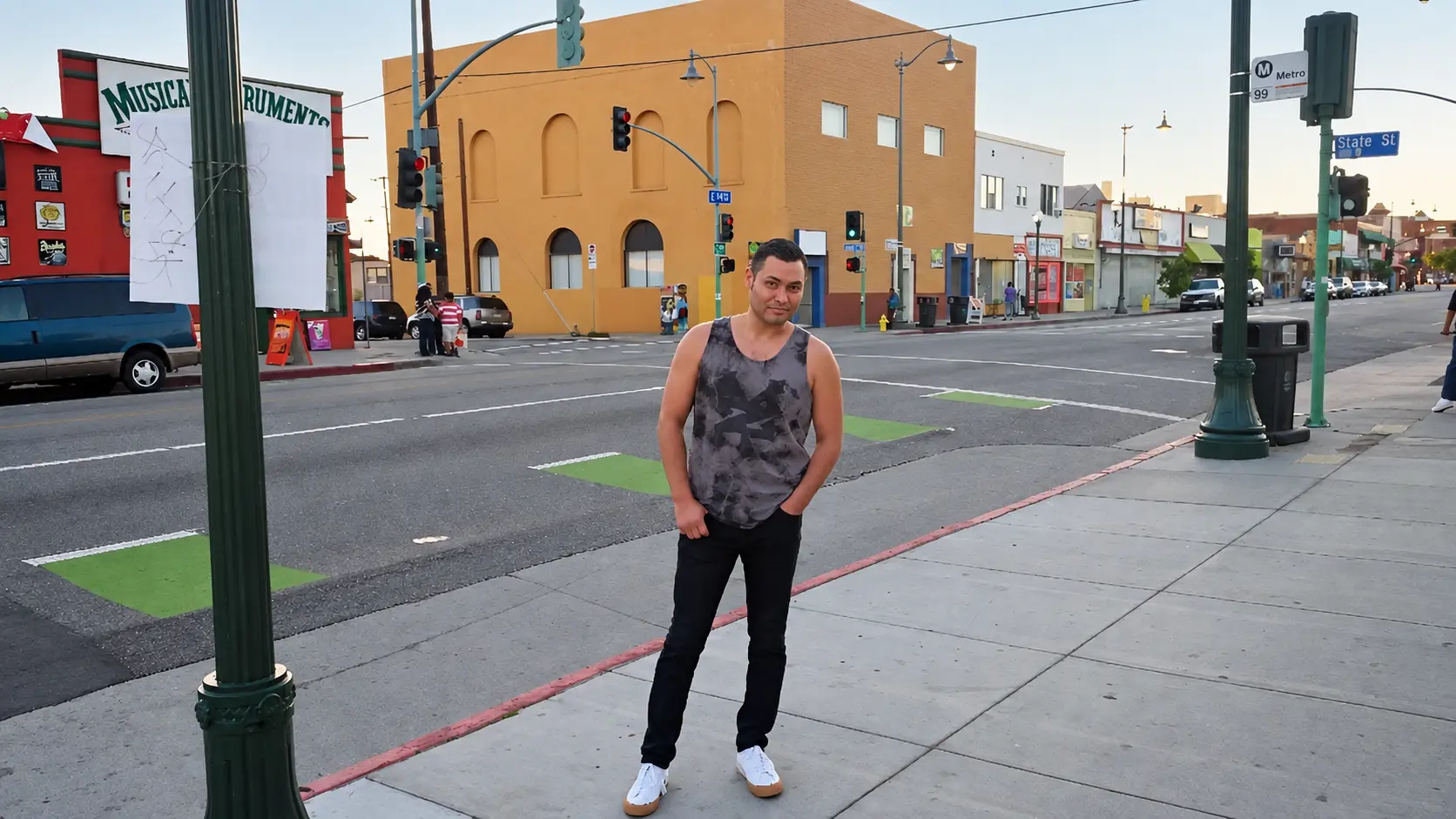
The building stands at the southwest corner of East 1st and State streets in Boyle Heights. Different portions of the same historic structure have appeared in records under 1866, 1868 and 1870 E. 1st Street, Los Angeles, CA 90033 — addresses that help explain why pieces of its history sometimes appear disconnected in old directories, permits and newspaper accounts.
Its story also mirrors the larger history of Boyle Heights. Los Angeles City Planning traces the neighborhood’s early suburban development to the 1870s, when bridges and transportation links connected the area east of the Los Angeles River with downtown and commercial corridors began forming along First Street. By the early 20th century, Boyle Heights had become one of Los Angeles’ most diverse immigrant and working-class communities.
Mexican and Mexican American families lived alongside Jewish, Japanese American, Russian Molokan, Armenian, Italian, African American and other communities. Unlike many parts of Los Angeles where racially restrictive housing covenants shut minorities out, Boyle Heights developed as a comparatively accessible place for immigrants and families excluded elsewhere. City historians have described prewar Boyle Heights as one of the most ethnically heterogeneous communities in Los Angeles.
That mix changed dramatically across the 20th century. Mexican Repatriation devastated families during the Depression; Japanese American residents were forcibly removed and incarcerated during World War II; postwar freeway construction and redevelopment cut through the neighborhood; and by the later 20th century Boyle Heights had become an overwhelmingly Mexican and Mexican American community and a major center of Chicano cultural and political life.
So when Korbel Hall, Pontrelli’s Ballroom and later El Leon de Oro filled this corner with music, dancing and nightlife, they were not operating in isolation. The building was sitting inside one of Los Angeles’ most culturally layered neighborhoods — and its many lives followed the neighborhood as it changed around it.
This Building Was Old Long Before It Became El Leon de Oro
The building itself had already accumulated nearly a century of history before my family’s nightclub era.
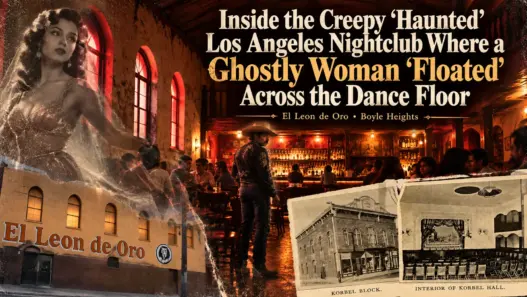
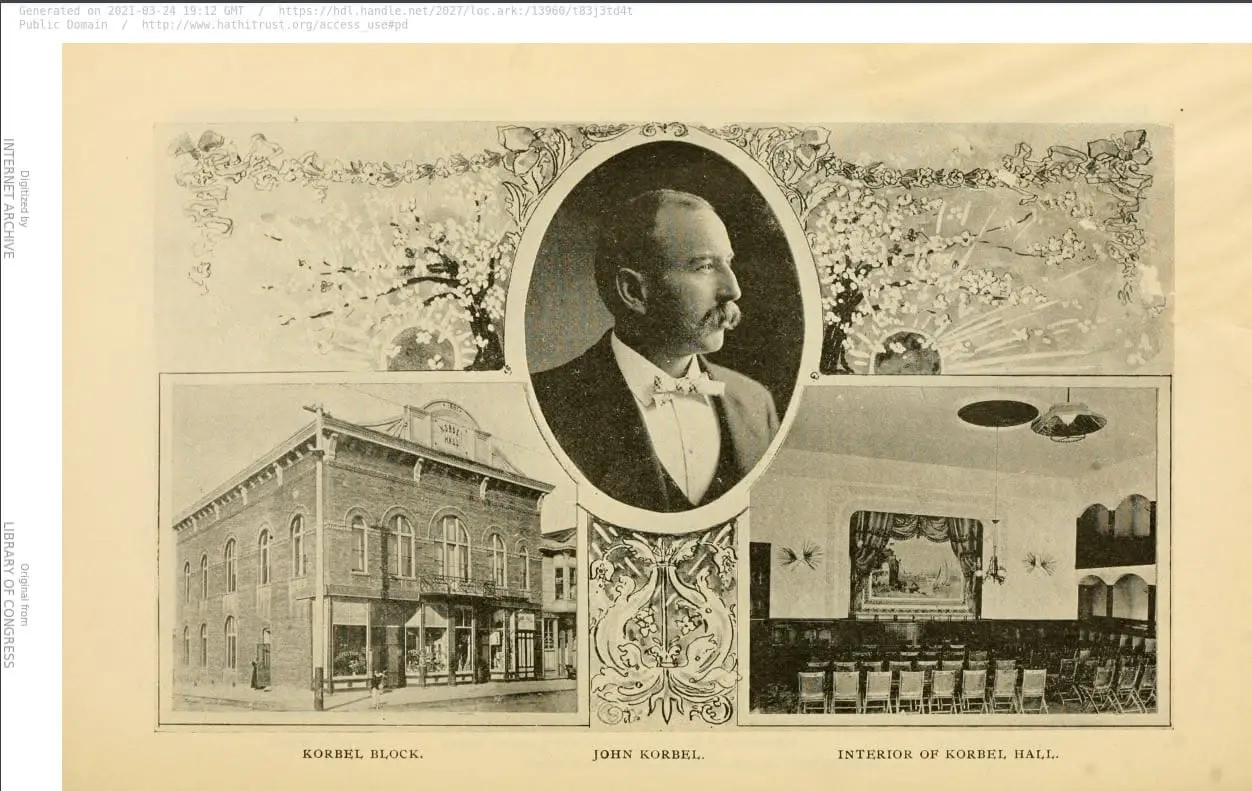
According to the Angels Walk Boyle Heights Guidebook, John Korbel arrived in Boyle Heights in 1882 and opened his first bakery four years later. He eventually built the two-story brick Korbel Block at the southwest corner of East 1st and State streets — the historic property now associated with 1866–1870 E. 1st Street.
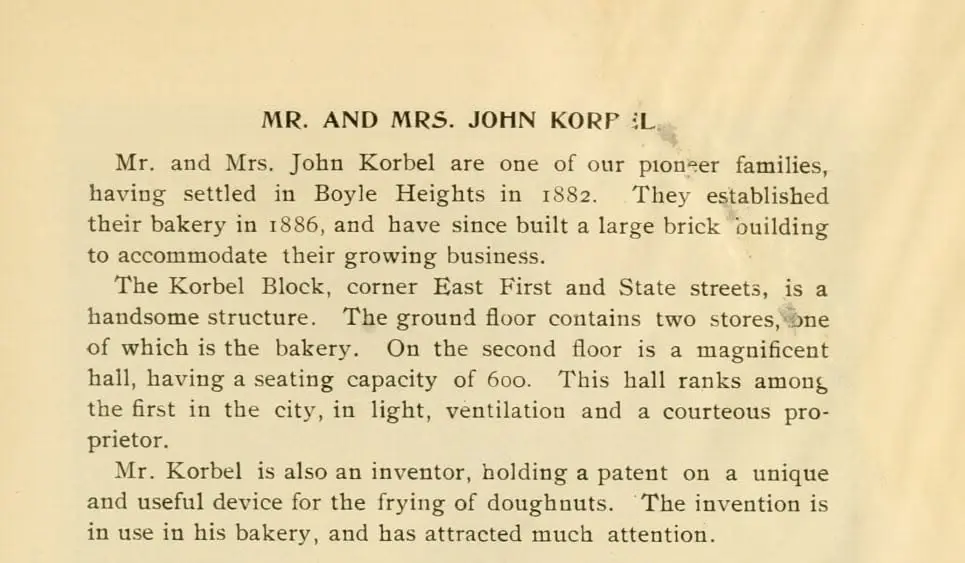
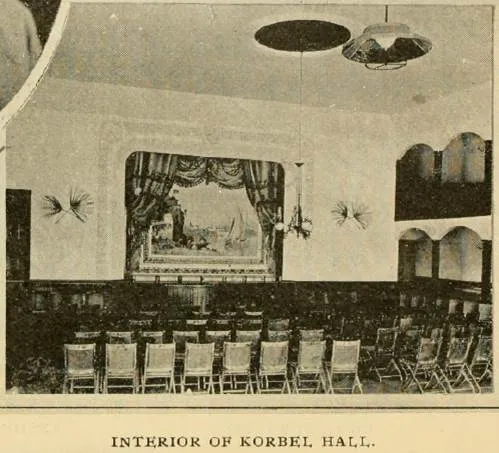
The ground floor contained commercial spaces, including the Korbel Bakery, while a spacious ballroom with a stage and electric lighting occupied the second floor. Korbel opened the new hall with an invitation-only New Year’s Eve celebration in 1891.
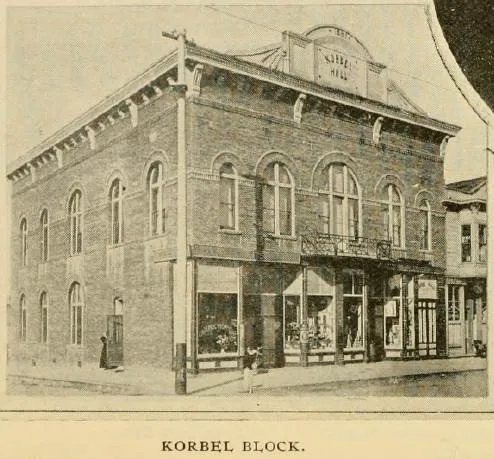
The hall hosted music recitals, theatrical productions by the Boyle Heights Dramatic Club, civic meetings and visiting speakers. Over the following decades, the upstairs room continued its life as a gathering and entertainment space under other names — including Pontrelli’s Ballroom.
That is the ballroom remembered in Frank Romero’s ghost story.
Angels Walk LA records El Leon de Oro as a popular nightclub in the building during the 1970s and ’80s. My family’s history with the club continued beyond that period, into the mid-1990s and my grandfather’s death.
By the El Leon de Oro years, the building worked on two distinct levels. The ground floor was the bar and cocktail lounge. Upstairs was the main dance floor and hall — the old ballroom transformed for another generation of Boyle Heights nightlife. The upper level still carried pieces of the building’s older architecture: the exposed curved wooden ceiling, wooden balcony railings and the tucked-away spaces above the room that I remember from childhood.
Pontrelli’s Ballroom Was Also Touched by the Zoot Suit Riots
The building’s wartime history was not limited to dancing and ghost stories.
During the Zoot Suit Riots of June 1943, groups of U.S. servicemen roamed Los Angeles attacking Mexican American youths and other young people associated with zoot-suit culture. PBS SoCal’s history of the riots documents the violence spreading east into Boyle Heights as servicemen entered minority neighborhoods looking for young men in zoot suits.
Boyle Heights historical reporting places one of those confrontations at Pontrelli’s Ballroom on the southwest corner of First and State. Young men who had gone out dancing were attacked, beaten and stripped of their clothing.
It is an ugly chapter in Los Angeles history, and an important one not to flatten into ghost-story atmosphere. These were real attacks against real people during a period of racial hostility and wartime hysteria.
Whether any of that history has anything whatsoever to do with the supernatural stories later told about the building is impossible to know.
But it means that before El Leon de Oro ever opened its doors, this ballroom had already witnessed generations of celebration, conflict, fear and change.
After El Leon de Oro, the Old Ballroom Became a Church
There was another strange turn in the building’s story after my grandfather died and El Leon de Oro closed.
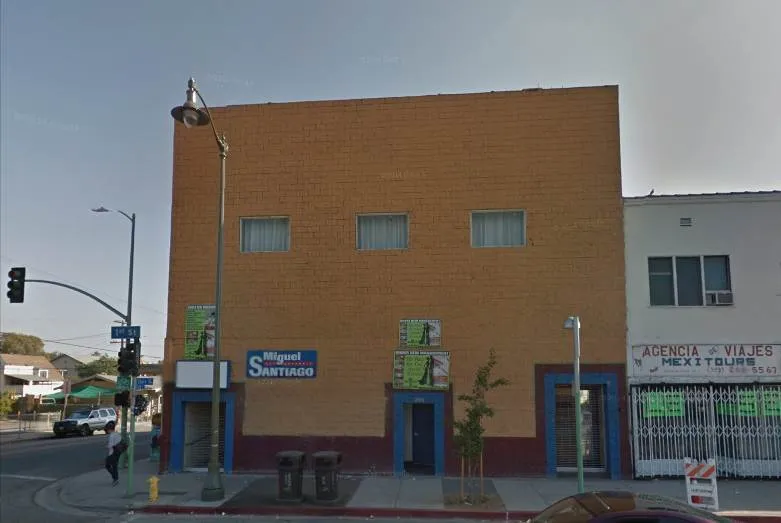
My family remembers my grandmother wanting nothing more to do with the property after Leonardo Miranda Calderón died. The building was sold to a woman who opened a church inside the former nightclub. According to our family recollection, the church did not last and the property later went into foreclosure.
I have not yet located the foreclosure record itself, so I am keeping that part of the story where it belongs for now: in our family history rather than presenting it as a documented property transaction.
The church chapter, however, is supported by Los Angeles building records. A later Department of Building and Safety permit describes the existing first floor at 1870 E. 1st Street as a “church and office” before an adaptive-reuse plan proposed converting it to a restaurant. The same permit still described the upper portion of the historic building at 1866 E. 1st Street as a dance hall.
Family memory also held that the city eventually “took over” the building. The public records make that part more precise: by 2010, Los Angeles city documents were listing Council District 14’s Boyle Heights District Office at 1870 E. 1st Street. The records I have found establish city offices at the property, but not that the City of Los Angeles owned the building outright.
And it was during that later city-office chapter that people who had nothing to do with my family began reporting strange things of their own.
Then the Ghost Stories Started Again
After El Leon de Oro closed and my family’s chapter at the venue ended, the stories still did not disappear.
Years later, part of the property was used as a temporary field office for Los Angeles City Council District 14. In 2013, The Daily Beast reported that employees working there had begun experiencing things they could not explain.
Administrative assistant Hilda Carrillo described unexplained knocking, bells and alarms. On one morning, she said she arrived early and heard what sounded like tables and chairs being dragged around in the hall above her for roughly 15 minutes.
Later, when she asked the building owner why someone had been upstairs so early, she said he told her he had only just arrived and had not been up there.
Another employee reportedly had a more direct encounter.
According to Carrillo, a night cleaner was vacuuming when she saw feet, looked upward and found herself facing the figure of a man. She described him as a handsome Hispanic man in his 50s wearing a cowboy hat, brown coat and jeans.
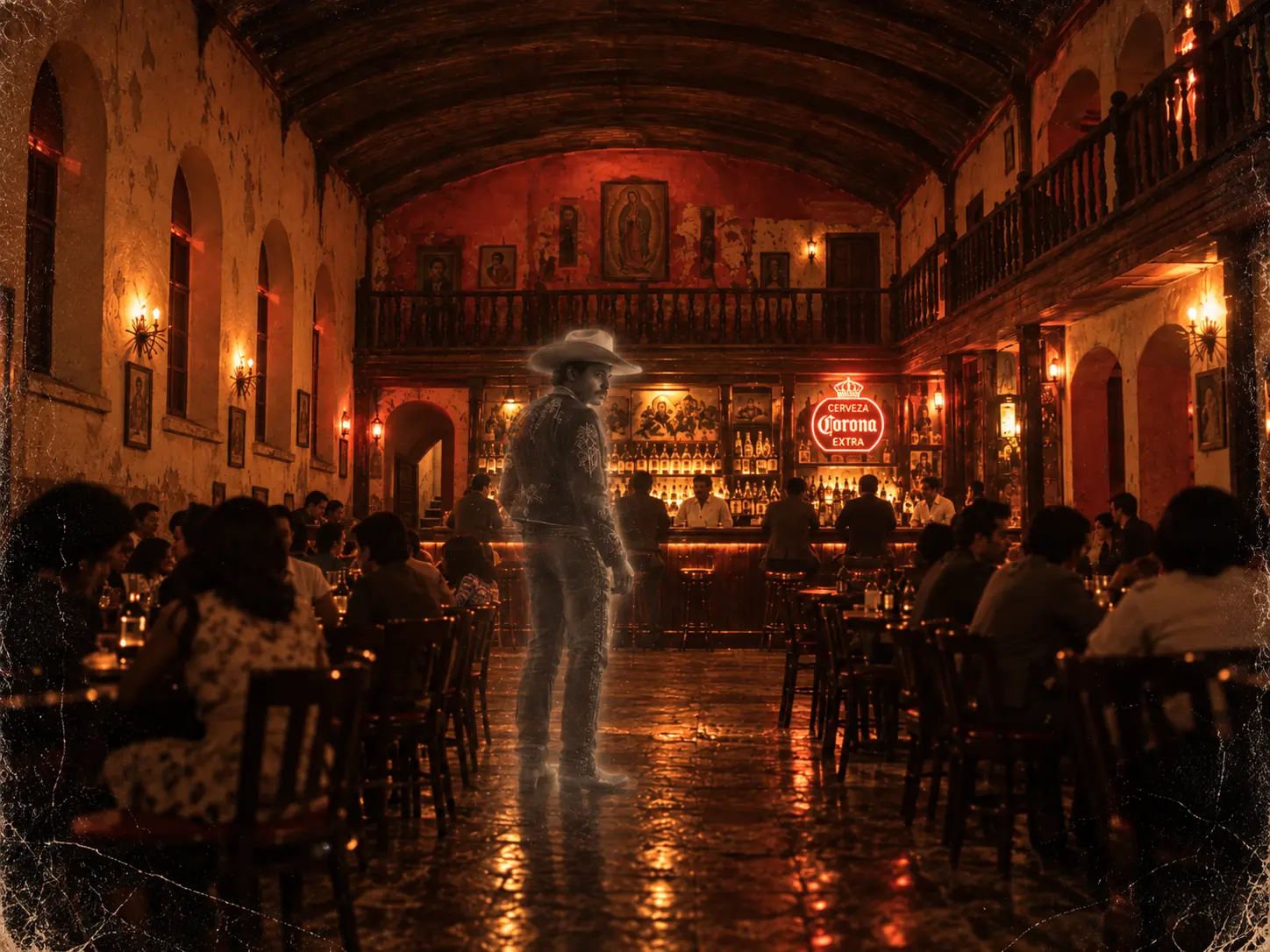
The staff developed their own theory that the figure may have been connected to El Leon de Oro’s nightclub years. That was speculation, and no specific death matching the apparition has been established.
Employees were concerned enough that LAPD Sgt. Miguel Lopez — a police officer who also investigated reports of paranormal activity in his personal time — was brought to the building. Lopez and others carried out what was described as a cleansing, and Carrillo later said the strange activity quieted down.
Patch subsequently reported the same episode, bringing the former El Leon de Oro’s ghost stories into the local-news record.
Three Generations of Stories, One Ballroom
That is what fascinates me now.
There is the wartime story preserved by Frank Romero: the beautiful woman at Pontrelli’s who seemed to float while she danced, only for a man to learn the next day that the woman he believed he had taken home had already been dead for a year.
There is the story I grew up with: the woman in the fairy-like costume who was said to appear inside El Leon de Oro.
There is my own memory of opening a door after my grandfather’s death and seeing what looked like a person asleep in an upstairs room when my uncle and I were supposedly the only people inside.
And then there are the later accounts from city employees who knew the building in an entirely different era and described unexplained noises and the figure of a man in a cowboy hat.
Those stories do not perfectly match.
That is precisely why I do not want to force them into one tidy legend.
Maybe they are coincidences. Maybe old buildings invite old stories. Maybe a century of dances, performances, family gatherings, fights, celebrations, tragedies and changing neighborhoods gives people enough material to keep ghosts alive without anything supernatural ever taking place.
Or maybe there are things about that building none of us ever understood.
El Leon de Oro Closed, but the Stories Never Did
My grandfather Leonardo Miranda Calderón died after suffering a heart attack while at El Leon de Oro in the mid-1990s. The nightclub closed after his death.
For my family, that should have been the end of our story with the place.
It wasn’t.
Years later, I can look at a photograph of Korbel Hall from the 1890s and recognize pieces of the same building I walked through as a kid. I can read an oral history recorded by a Chicano artist and suddenly encounter another woman haunting the same ballroom. I can read newspaper accounts from people who worked there decades after us and recognize that same feeling that somebody else might be in the building.
None of it proves El Leon de Oro was haunted.
But I know the story my family told me.
And I know what I saw when I opened that upstairs door.
I still never went back to see who — or what — was in that bed.
Maybe that is why the memory has stayed with me all these years.
Today, the Ballroom Is an Apartment Building
The building has now entered yet another life. After the church and city-office years, the historic structure underwent a major adaptive-reuse conversion. The historic shell remains, but the interior my family knew was gutted and rebuilt for housing. Los Angeles building records show the former second-floor dance hall and a newly created third level being converted to apartments; a later revision expanded the project to 15 apartment units. The permit was finalized in July 2026 and a certificate of occupancy was issued.
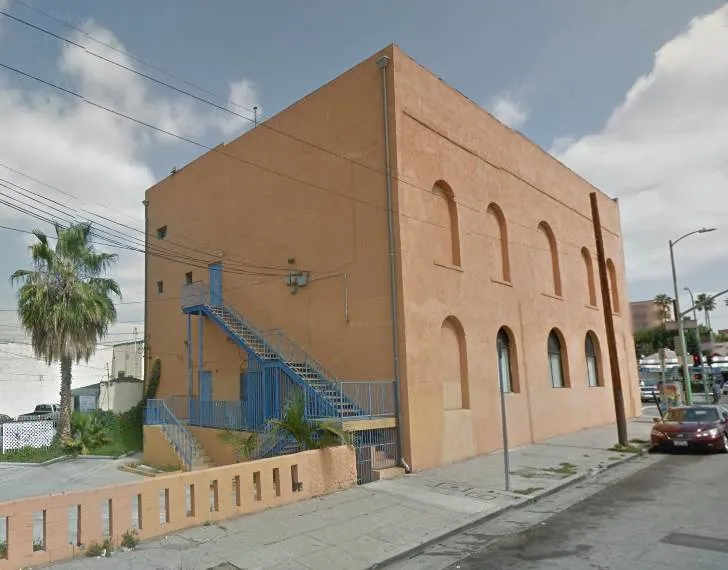
The downstairs cocktail lounge, the upstairs dance floor, the balcony and the little room where I opened that door are no longer the spaces my family knew. The building has been remade for people to live in.
Which leaves one last question that feels almost too perfect for this story: if the spirits were ever there at all, do they still roam the building now?
Did You Ever Go to El Leon de Oro?
If you danced at El Leon de Oro, stopped in for a drink downstairs, remember Pontrelli’s Ballroom, worked in the building, lived nearby — or ever experienced something there that you still cannot explain — we want to hear from you in the comments.
Dates, names, photographs and family memories are especially welcome. Boyle Heights history often survives because somebody remembers one detail that never made it into an archive, and there may still be pieces of this building’s story waiting to be found.
Sources
- Smithsonian Archives of American Art — Oral History Interview with Frank Romero, 1997
- Smithsonian American Art Museum — Frank Romero artist biography
- Angels Walk LA — Boyle Heights Guidebook: Korbel Hall & Bakery
- Los Angeles City Planning / SurveyLA — Boyle Heights Historic Resources Survey Report
- Los Angeles City Planning — Boyle Heights Community Plan: Historic Development Patterns
- 1947 Los Angeles telephone-book nightclub listing — Pontrelli’s Ball Room & Restaurant
- The Daily Beast — “True Life: I’m a Part-Time Ghost Hunter”
- Patch — “Huizar’s Staff Calls Ghost Hunter After Strange Happenings in Field Office”
- Boyle Heights Beat — Zoot Suit Riots and the First & State ballroom
- PBS SoCal / Lost LA — Los Angeles’ 1943 War on the Zoot Suit
- Los Angeles Department of Building and Safety — 1870 E. 1st Street adaptive-reuse permit documenting existing church, office and dance-hall uses
- City of Los Angeles records — Council District 14 Boyle Heights District Office at 1870 E. 1st Street
- Los Angeles Department of Building and Safety — 15-unit adaptive-reuse apartment conversion, permit finalized July 31, 2026
- Los Angeles Department of Building and Safety — Certificate of Occupancy for 1870 E. 1st Street
Source Note: This story combines documented Boyle Heights history with first-person family recollections from INYIM co-founder Victor Lerma Jr.. Lerma’s account of his grandfather Leonardo Miranda Calderón, the El Leon de Oro floor layout, the family story of a woman in a fairy-like costume, the post-club church/foreclosure period, the later interior gutting and Lerma’s own experience inside the former nightclub are identified as family or personal recollections where independent records have not yet been located. Frank Romero’s stature and career are documented by the Smithsonian American Art Museum and Archives of American Art; his Pontrelli’s ghost story is preserved in his 1997 Smithsonian oral-history interview and is presented as folklore rather than proof of a paranormal event. Later experiences attributed to city employees are presented as reported claims. Los Angeles City Planning and SurveyLA provide the neighborhood-history context used in this feature. Los Angeles records independently document later church-and-office use, the Council District 14 office and the building’s 2026 completion as a 15-unit adaptive-reuse apartment property. Illustrations accompanying this feature are historical visualizations and are identified as such; they should not be read as archival photographs. This feature has been lightly edited and formatted for clarity while preserving the distinctions between documented history, oral tradition and personal memory.