


















The Deep Pacific Is Still Introducing Us to Creatures We’ve Never Met
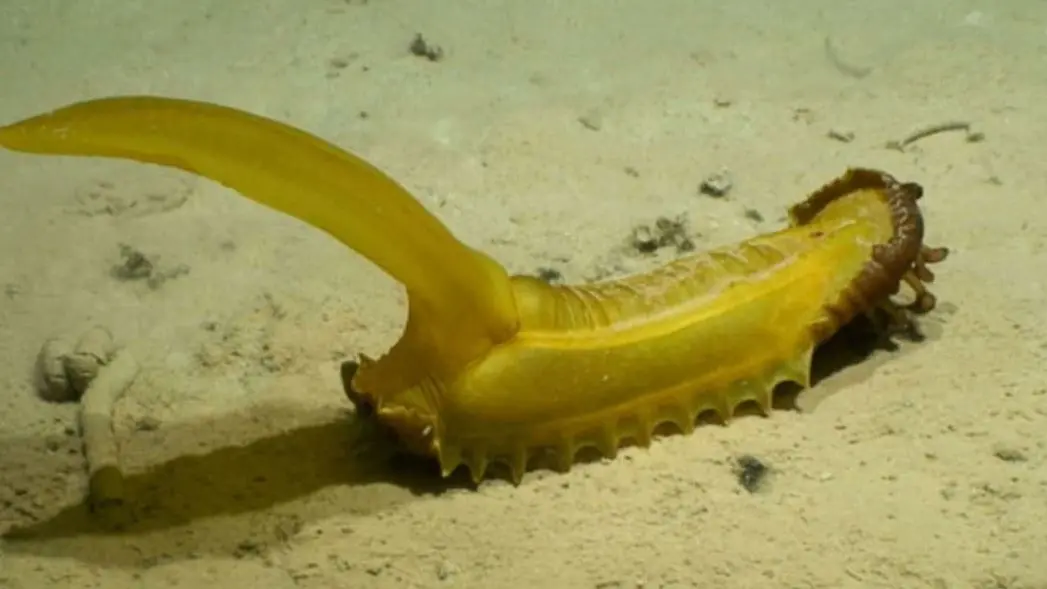
Present Day-Developments: Just when we think we have a decent handle on what lives on this planet, the deep ocean politely reminds us that we absolutely do not.
On the September 7 edition of Good Morning America, ABC News’ Danny New took viewers beneath the surface of the Pacific for a look at ultra-rare marine creatures scientists are identifying as part of ongoing deep-sea research. The headline alone says plenty: dozens of new species are still turning up in waters that remain among the least explored environments on Earth.
Discover More
The Ocean Still Has Secrets
Scientists are cataloging creatures we have never formally described before — proof that some of Earth’s biggest mysteries are still living right beneath us.
Some links may be affiliate links. INYIM may earn from qualifying purchases.
The GMA segment focuses on the discovery itself rather than turning the story into a catalog of scientific names, and that is probably for the best unless you have a taxonomist sitting next to your coffee. What matters is the scale of what researchers are finding: strange bodies, unfamiliar adaptations and animals built for pressure, darkness and cold in places humans rarely see directly.
This is not happening in isolation. In 2026, the global Ocean Census initiative announced major new findings from deep-sea expeditions around the world. One expedition involving Japan’s JAMSTEC and the Nippon Foundation–Nekton Ocean Census confirmed 38 new species and identified another 28 potential new species across the Nankai Trough and Shichiyo Seamount Chain after examining more than 500 collected specimens.
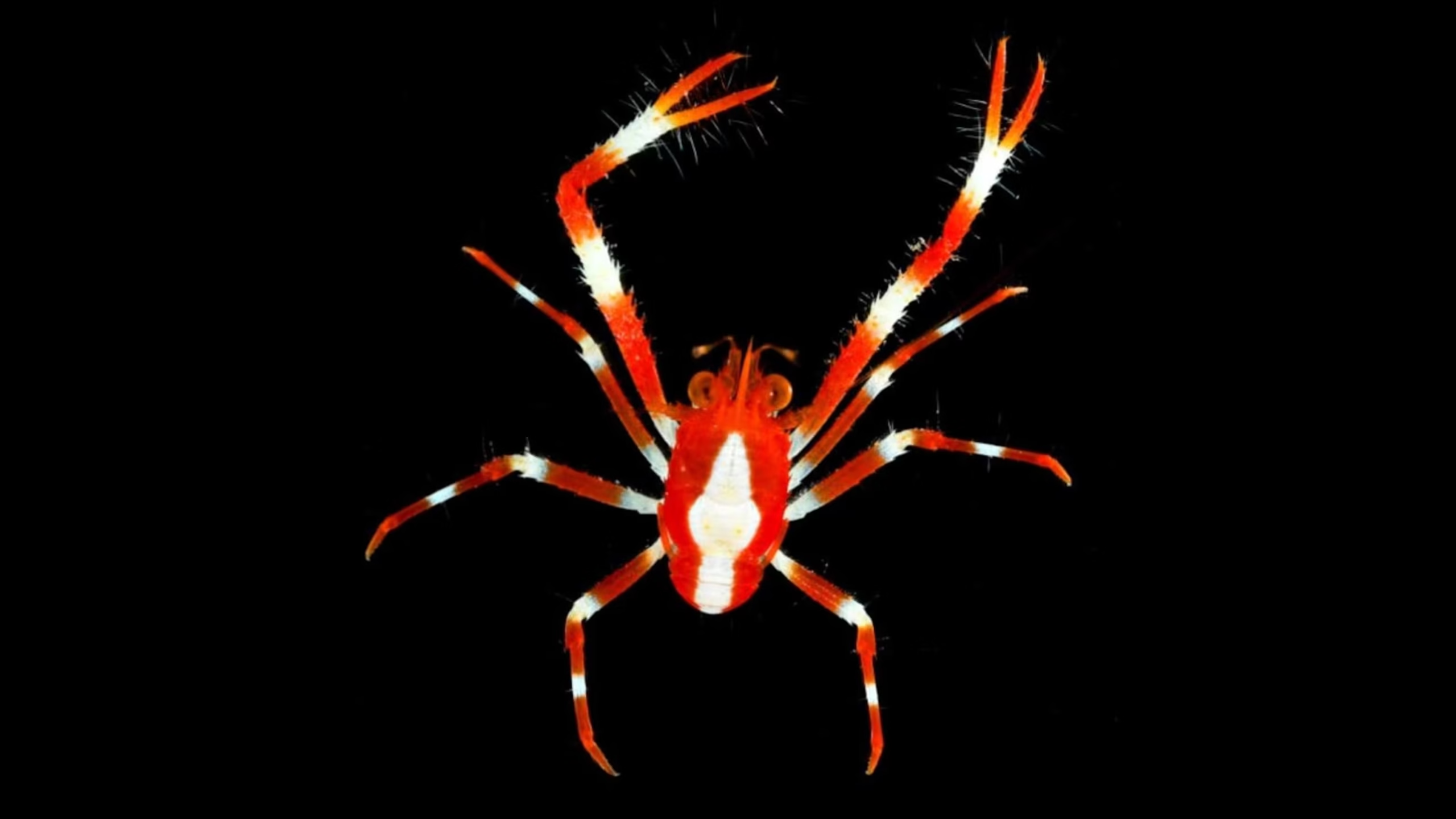
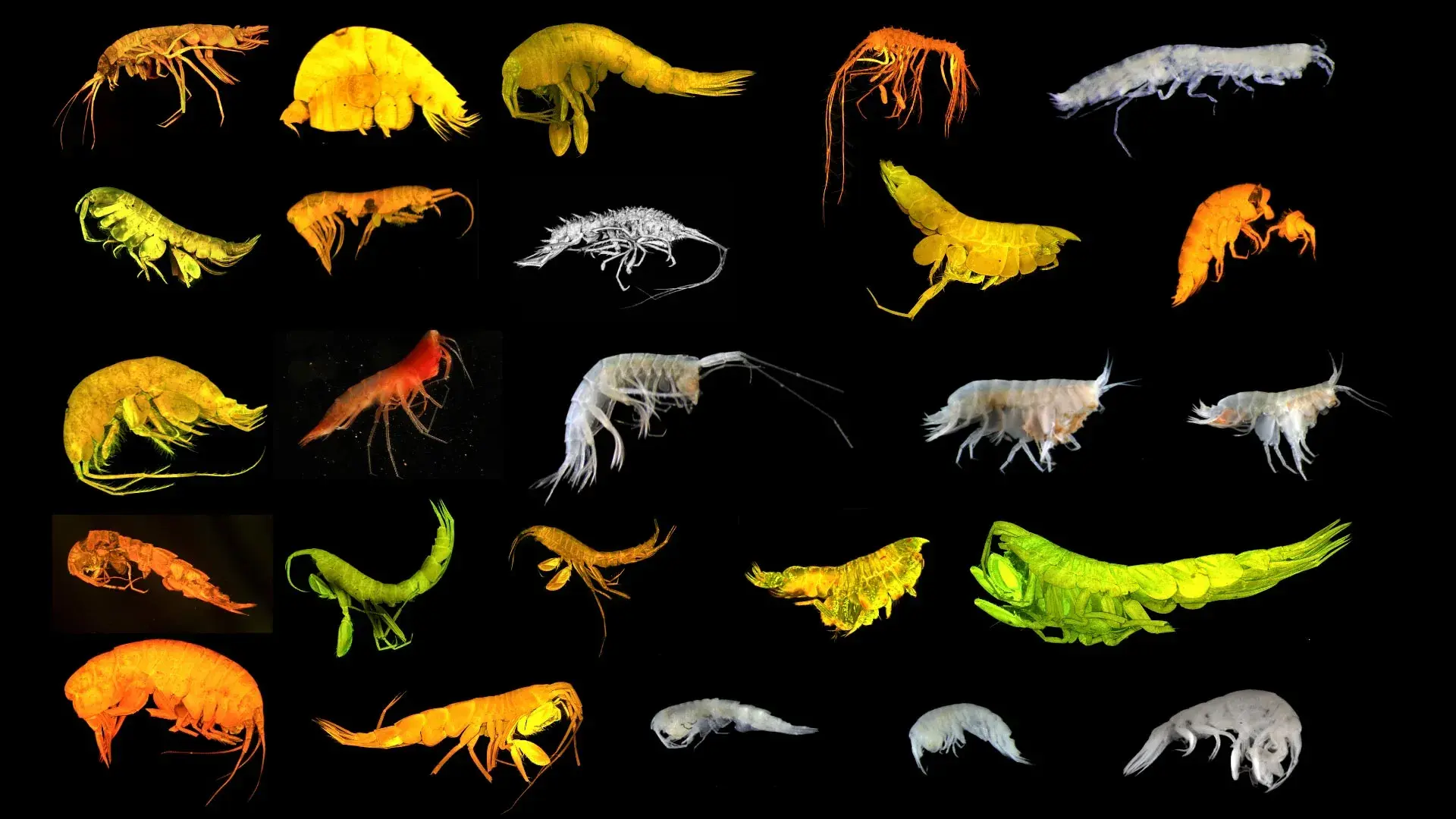
Finding an organism is only the beginning. Scientists still have to compare anatomy, genetics and existing records before they can formally declare something a new species. That process can take years, which means the animals appearing in expedition footage today may not receive an official scientific name until much later.
And that is what makes modern deep-sea exploration so wild. The technology has become dramatically better — remotely operated vehicles, advanced imaging, DNA analysis and crewed submersibles can all reach environments that were once effectively inaccessible — but the ocean is so vast that better tools mostly reveal how much more there is left to find.
Ocean Census says its broader mission is to accelerate the discovery of marine life so scientists can better understand biodiversity and protect ecosystems before they change or disappear. In May 2026, the initiative said its global work had already helped reveal more than 1,100 newly discovered marine species.
Which brings us back to the Pacific and Danny New’s GMA deep dive: these are not fantasy creatures designed for a science-fiction movie. They are actual neighbors on the same planet, living in places so extreme that we are only now learning how many of them are there.
Watch GMA’s Report on Dozens of Newly Discovered Pacific Species
ABC News contributor Danny New takes a closer look at the ultra-rare marine creatures scientists are finding in the Pacific Ocean.
Sources: ABC News / Good Morning America; Ocean Census; JAMSTEC / Nekton.