

















A Stranded Car Turned Deadly In Death Valley’s Extreme Heat
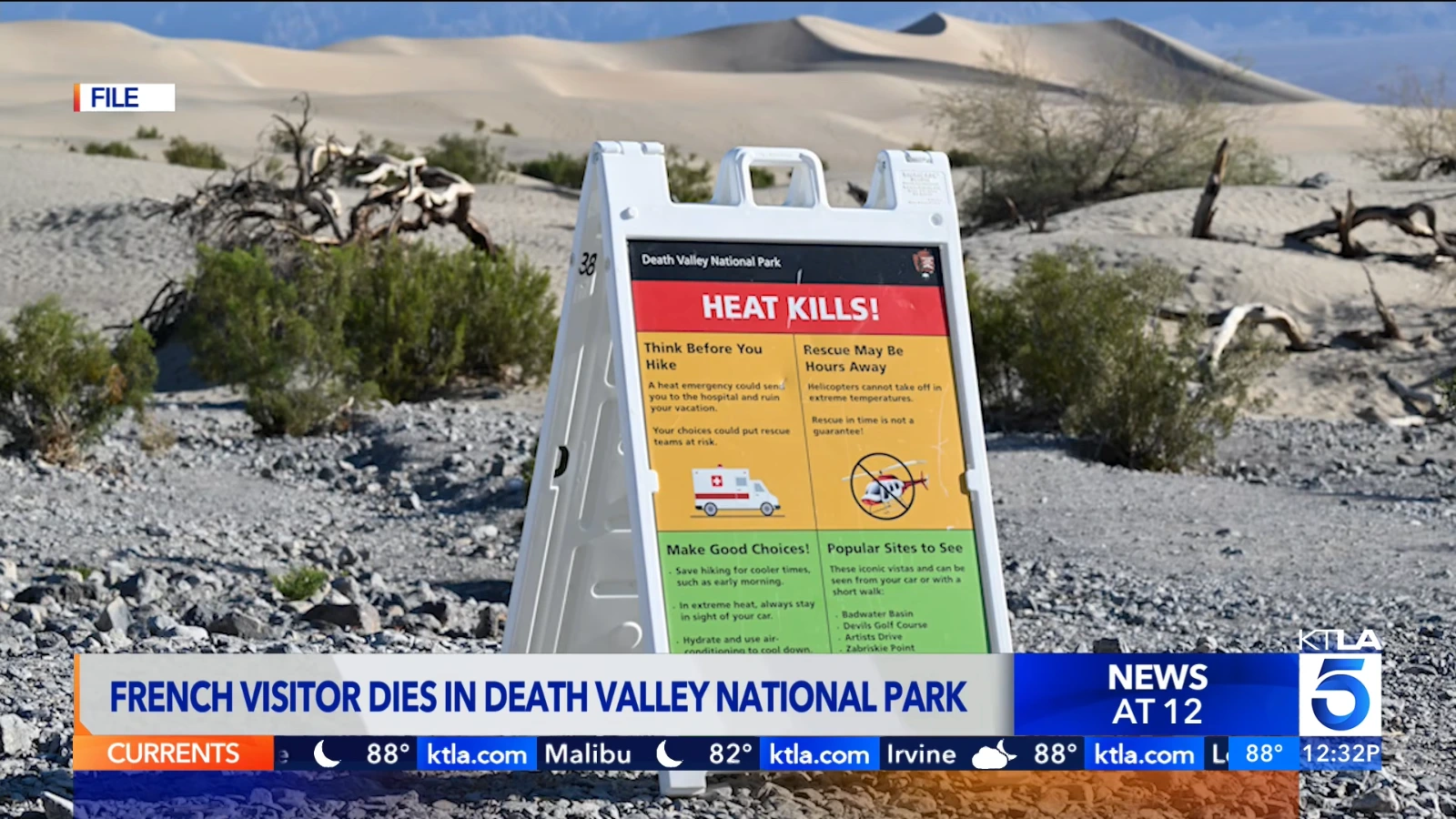
Death Valley does not need much help living up to its name. A trip through one of the hottest and most remote places on Earth turned fatal after a French visitor and his traveling companion became stranded on a backcountry road during 116-degree heat.
Pierre Michel Formosa, 68, and another visitor from France were traveling along West Side Road in Death Valley National Park on Aug. 17 when their vehicle became stuck in mud near Queen of Sheba Mine Road, according to the National Park Service.
With no other vehicles nearby, the two men left the car and began walking across the salt flats toward Badwater Road in search of help. This was not a casual summer stroll through the desert: they were trying to get assistance after becoming stranded.
news
Death Valley Requires A Real Emergency Plan
Before heading into remote desert country, check the park’s official safety guidance and keep emergency communication and water supplies in the vehicle.
Some links may be affiliate links. INYIM may earn from qualifying purchases.
He Made It 1.3 Miles Before He Could Go No Farther
The temperature reached 116°F that afternoon. After walking about 1.3 miles, Formosa was unable to continue. His companion kept moving toward Badwater Road, eventually encountered a passing motorist and reported the emergency at the Furnace Creek Visitor Center shortly after 2 p.m.
National Park Service rangers and an Inyo County deputy began a search-and-rescue operation at approximately 2:13 p.m. A California Highway Patrol helicopter joined the search and later located Formosa roughly 1.5 miles from Badwater Road.
He was pronounced dead at the scene. The Inyo County coroner is responsible for determining the official cause and manner of death, so it would be premature to describe the death itself as definitively heat-caused until that determination is made.
Park Officials Say Staying With The Vehicle Can Save Your Life
The tragedy also comes with a blunt reminder from the park itself. Death Valley covers enormous stretches of remote terrain where cell service can be limited or nonexistent and emergency help may be hours away.
The National Park Service advises visitors to plan routes in advance, check road and weather conditions, tell someone where they are going, carry extra supplies and bring at least one gallon of water per person per day in hot weather. For remote travel, officials also recommend carrying a satellite communicator or emergency beacon.
Most importantly in a breakdown, the park says staying with the disabled vehicle is often the safest move. A vehicle offers shade and shelter and is much easier for search crews to locate from the air than a person crossing open desert on foot. During extreme heat, visitors are also urged to stay on paved roads and avoid hiking at lower elevations.
Death Valley can be spectacular. It can also turn an ordinary vehicle problem into a life-or-death emergency frighteningly fast. That is the cautionary tale here.
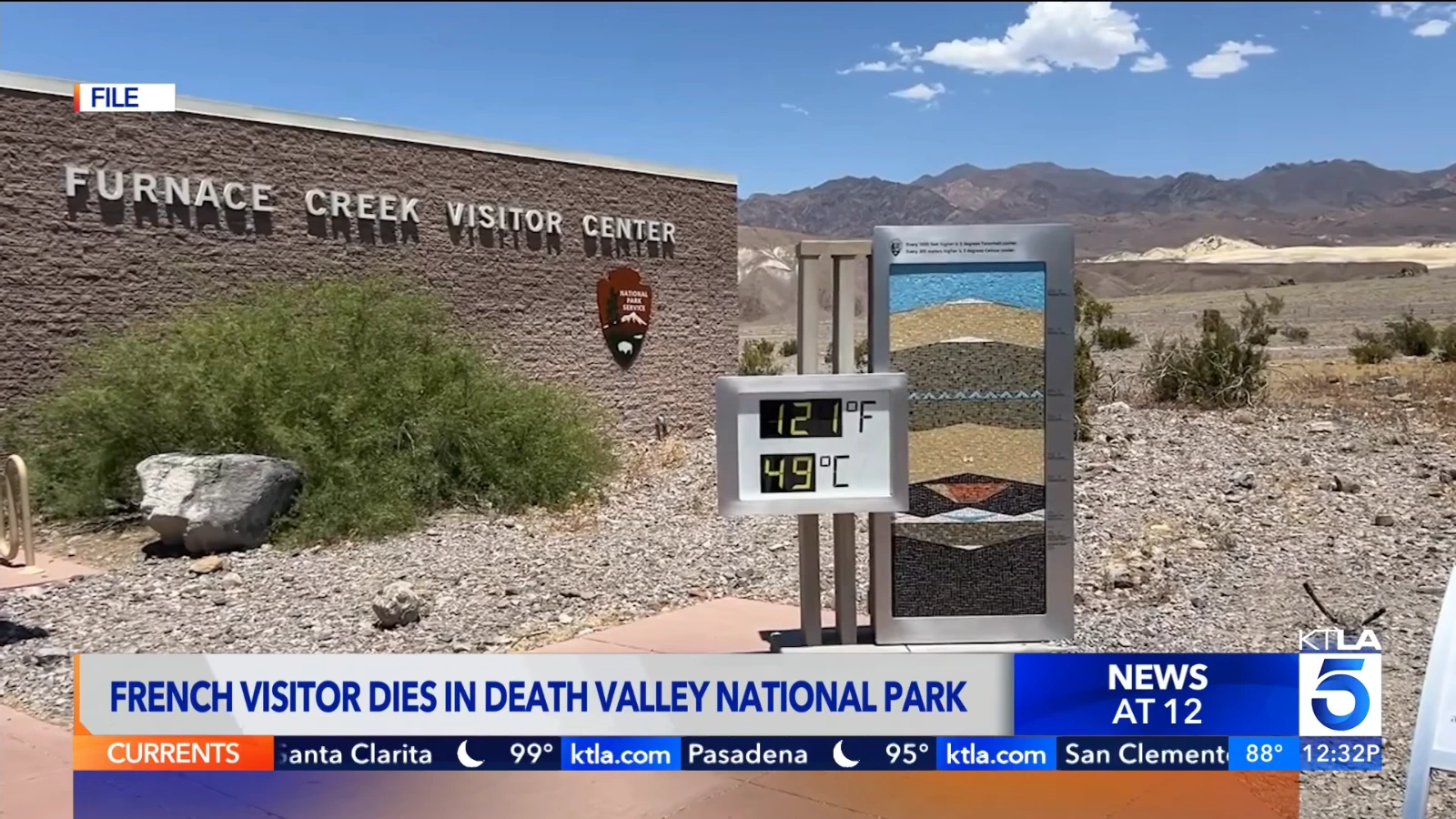
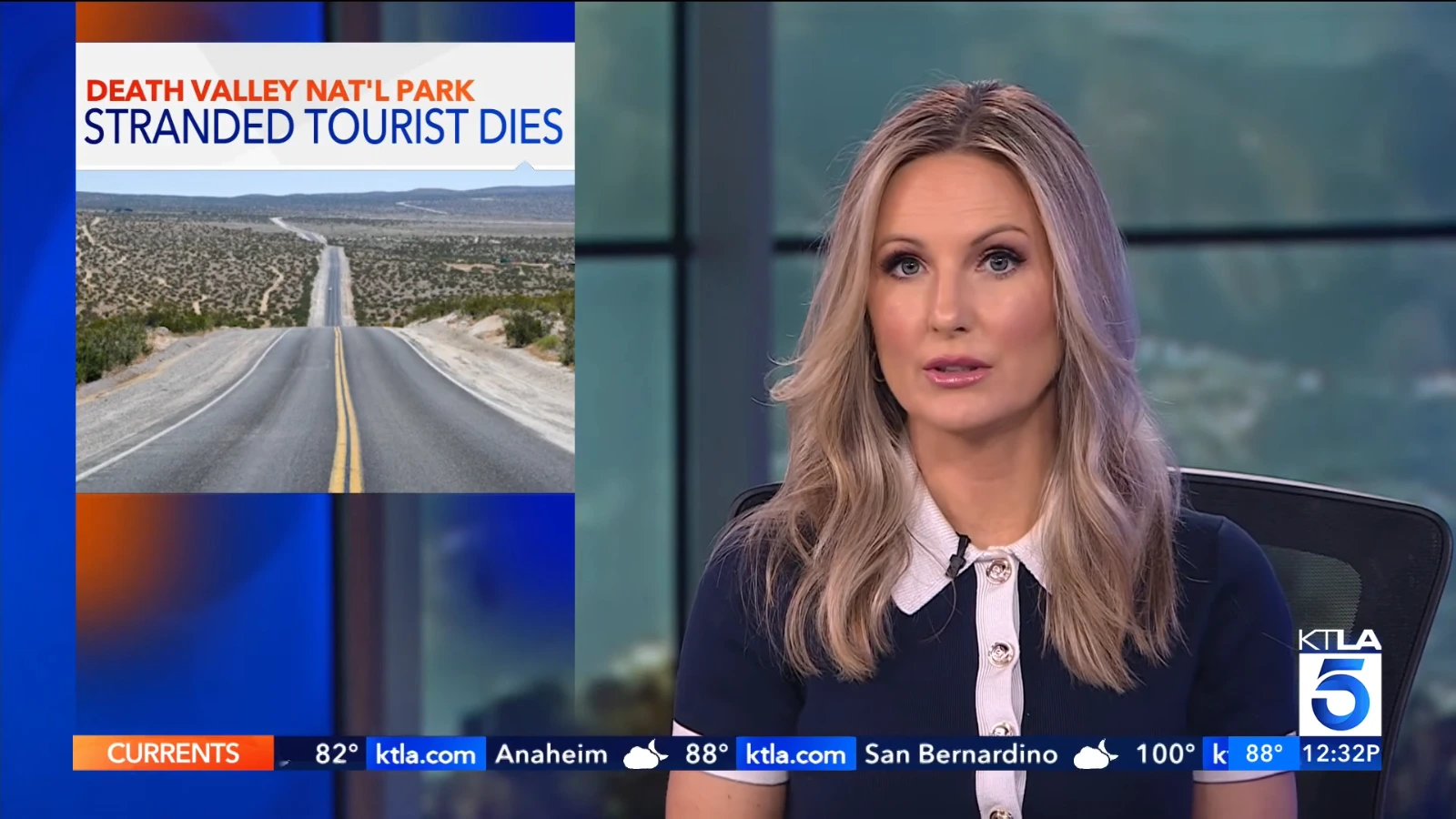
Formosa’s death is a reminder that the danger in Death Valley is not limited to the thermometer. Heat, distance, road conditions and isolation can compound one another before help has time to arrive.
Watch: French Tourist Dies After Being Stranded In Death Valley
The news report covers the Aug. 17 incident in which Pierre Michel Formosa and a companion became stranded before attempting to reach help in 116-degree conditions.
Sources: Death Valley National Park / National Park Service; NPS Backcountry Roads safety guidance; and KTLA 5.