














A Conservation Triumph Collides With Life Beside Grizzlies
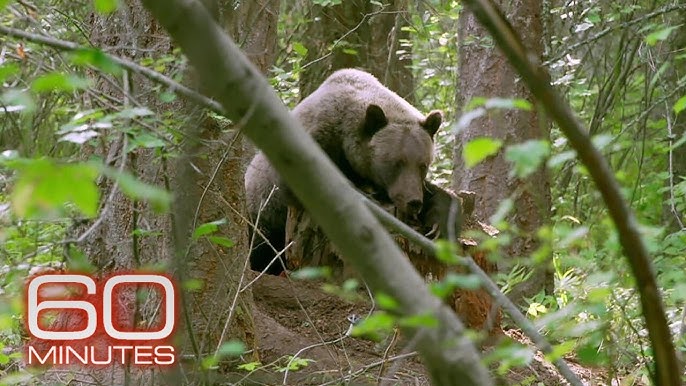
From 2020, Bill Whitaker reports on the dramatic resurgence of grizzly bears in the United States—and the increasingly complicated question of how people and one of North America’s most powerful predators can share the same landscape.
The “60 Minutes” report travels into Montana’s Swan Mountains, where wildlife specialists track, tranquilize and study grizzlies as part of a recovery effort that pulled the species back from the edge in the lower 48 states.
It is a genuine conservation triumph. It is also a story filled with livestock losses, raided crops, dangerous encounters, bear-resistant fences and the uncomfortable reality that a successful wild population does not remain neatly inside a national park.
outdoors
Wildlife Recovery Requires Prepared Humans
Grizzlies belong in the landscape. Visitors and residents can reduce conflict by securing food, following local guidance and carrying proper deterrents where recommended.
Some links may be affiliate links. INYIM may earn from qualifying purchases.
Before European settlement spread across the American West, estimates placed the grizzly population as high as 100,000 across territory stretching from Canada into Mexico. Settlers, ranchers and farmers then spent roughly 150 years systematically killing bears viewed as threats to people, livestock and livelihoods.
By the 1960s, only a few hundred remained in the lower 48. Grizzlies received federal protection as a threatened species under the Endangered Species Act in 1975, with recovery efforts concentrated around the surviving populations near Glacier and Yellowstone national parks.
In the 2020 report, U.S. Fish and Wildlife Service biologist Hilary Cooley explains that the bears’ range had once been reduced by approximately 98 percent. By the time Whitaker’s segment aired, their numbers had more than tripled and their occupied range had more than doubled from the point of federal listing.
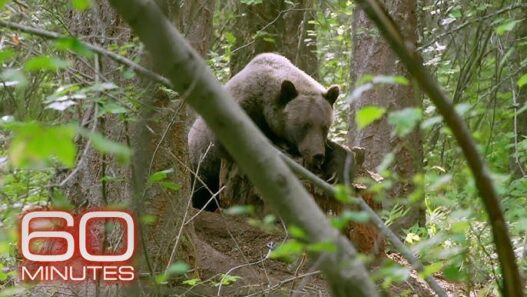
That comeback takes “60 Minutes” deep into the woods with Montana bear specialists Erik Wenum and Milan Vinks. The crew encounters a roughly 300-pound grizzly held by a research snare, watches the animal charge against the restraint and then follows the careful process of sedation, examination and biological sampling.
Blood is collected, hair is pulled for DNA analysis and the bear’s age and condition are assessed as the forest temporarily becomes a field hospital. Then the animal begins waking earlier than expected, providing everyone involved with a very clear signal that the examination is over.
The scientific success becomes more complicated beyond the wilderness. Montana’s human population had grown substantially since grizzlies gained protection, with new homes and subdivisions expanding into valley floors and foothills near bear habitat.
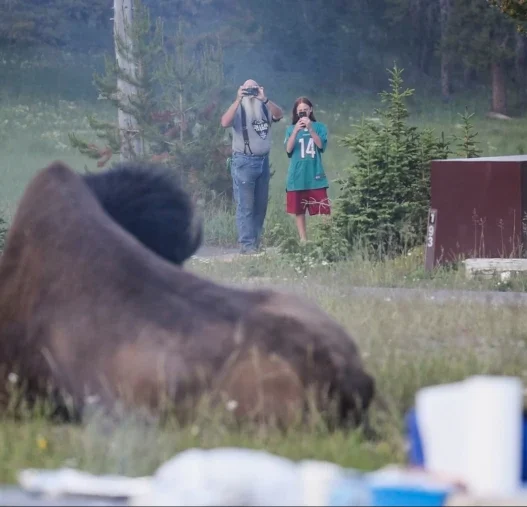
Grizzlies are opportunistic omnivores with extraordinary noses. Birdseed, barbecue residue, chicken coops, household garbage, cornfields and livestock can all become powerful attractants—and once a bear learns to associate people with food, the consequences can be deadly for both species.
Bryce Andrews, a rancher, author and field director for the nonprofit People and Carnivores, shows Whitaker how electric fencing can protect farms and backyard animals. The approach is not glamorous, but it addresses the core problem: preventing bears from receiving the food reward that draws them back into human spaces.
Mission Valley farmer Greg Schock describes grizzlies destroying a significant portion of his corn crop, including years when cameras documented as many as 18 bears in a 100-acre field. His conclusion is blunt but practical: neither the people nor the bears are leaving, so coexistence is not an optional theory—it is the work in front of them.
The report does not soften the danger. Whitaker also speaks with hunter Anders Broste, who survived a brutal 2018 grizzly attack that left him with broken bones, multiple surgeries and months of rehabilitation. Even after that encounter, Broste says the bear belonged in the landscape and that he had entered its home.
That is the difficult center of the story. Bringing grizzlies back is one of the country’s most striking wildlife-recovery achievements, but protecting them requires more than population counts. It demands secure garbage, protected livestock, informed visitors, careful land management and communities willing to live beside something that cannot be fully controlled.
The segment originally aired on October 11, 2020. Seen again, it remains a bracing portrait of what successful conservation actually looks like once the recovered animal begins reclaiming ground beyond the lines humans drew on a map.
Watch Bill Whitaker Report On America’s Returning Grizzly Bears
The 2020 “60 Minutes” report follows Bill Whitaker into Montana bear country to examine grizzly recovery, wildlife research, farm conflicts, electric-fence prevention and the risks faced by people living and working inside an expanding bear range.
Source: CBS News and “60 Minutes.”