


















This Impossible Blue Began Inside An Afghan Mountain
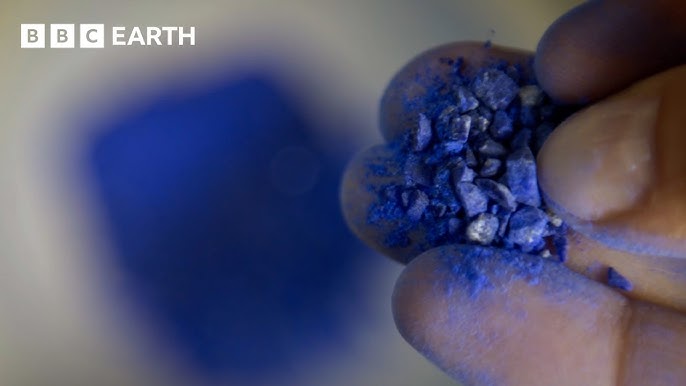
Time for some fun brain food. BBC Earth Science is digging into the extraordinary mineral chemistry behind natural ultramarine, the dazzling blue historically counted among the planet’s rarest and most precious pigments.
Meet ultramarine. Such a vibrant thing—in the words of poet Q-Tip. Long before modern paint tubes and synthetic color, artists had to pull this almost electric blue from lapis lazuli, a semiprecious rock carried from the mountains of Afghanistan.
The result was not simply pretty. It was expensive, difficult to produce and so prized that natural ultramarine could rival or exceed the value of gold. Painters reserved it for the most important areas of a work, including sacred robes, illuminated manuscripts and commissions wealthy enough to afford thee blue.
Discover More
Enter The Ultramarine Spectrum
Explore the official source and related picks curated around this story.
Some links may be affiliate links. INYIM may earn from qualifying purchases.
Its name reflects that journey. Ultramarine comes from language meaning “beyond the sea,” a reference to the long route the imported stone traveled before reaching European artists and workshops.
But lapis lazuli is not one clean blue mineral waiting to be crushed. It is a rock made from several minerals, and only part of it contains the precious blue-bearing material known as lazurite. Producing a rich pigment required grinding the stone and carefully separating the blue particles from pale calcite, metallic pyrite and other material that could muddy the final color.
The real magic happens at the atomic level. Lazurite contains a cage-like aluminosilicate structure that traps sulfur species inside it. Those sulfur-based color centers absorb particular wavelengths of visible light, leaving our eyes to register that intensely saturated blue.
In other words, ultramarine does not glow because the stone is simply “blue all the way through.” Its color emerges from a very specific arrangement of atoms and electrons inside the mineral. Change that chemical environment and the shade can shift, weaken or disappear.
From Lapis Lazuli To A Blue Worth More Than Gold
BBC Earth Science follows the stone, mineral structure and painstaking separation process behind natural ultramarine.
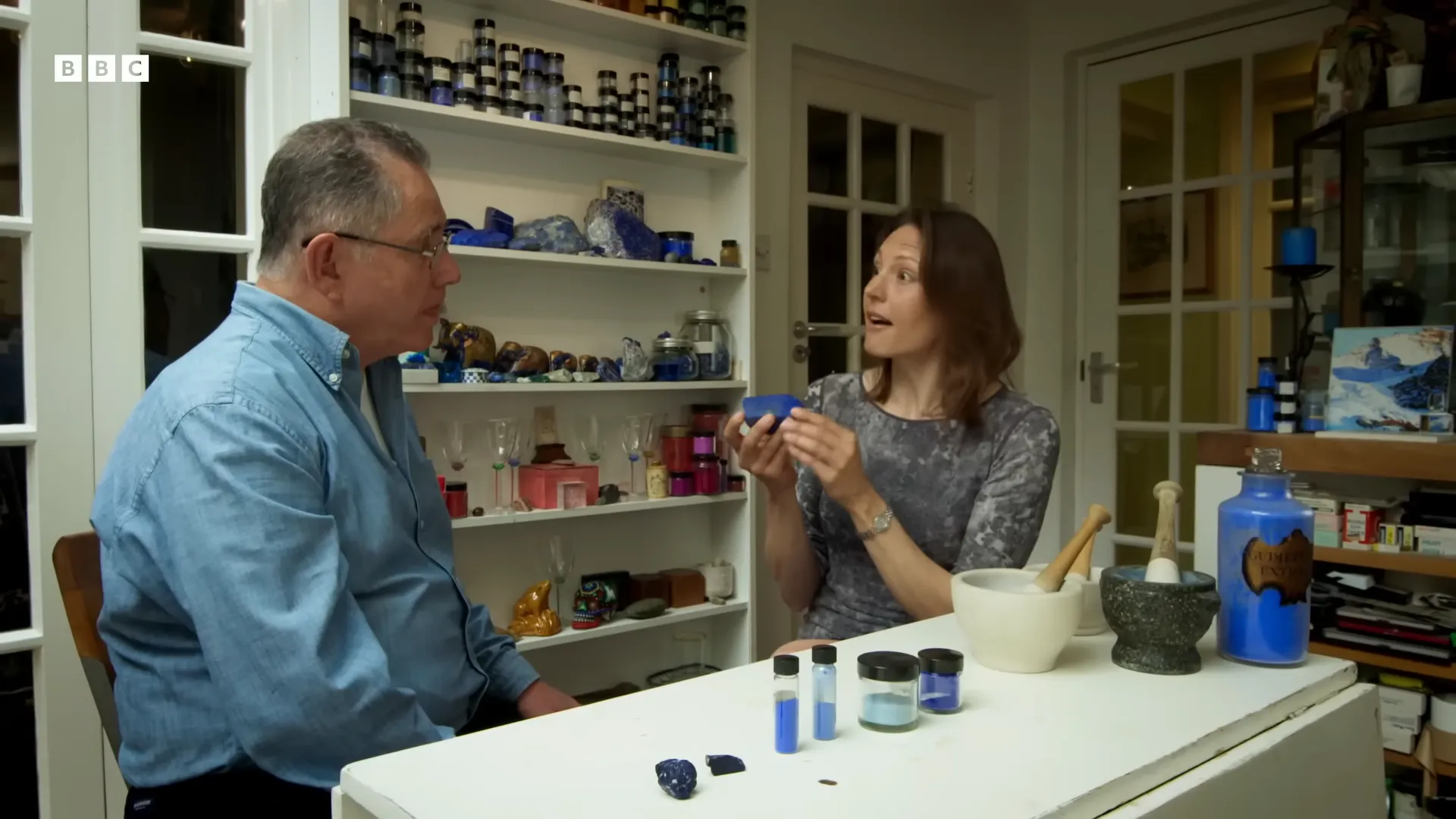
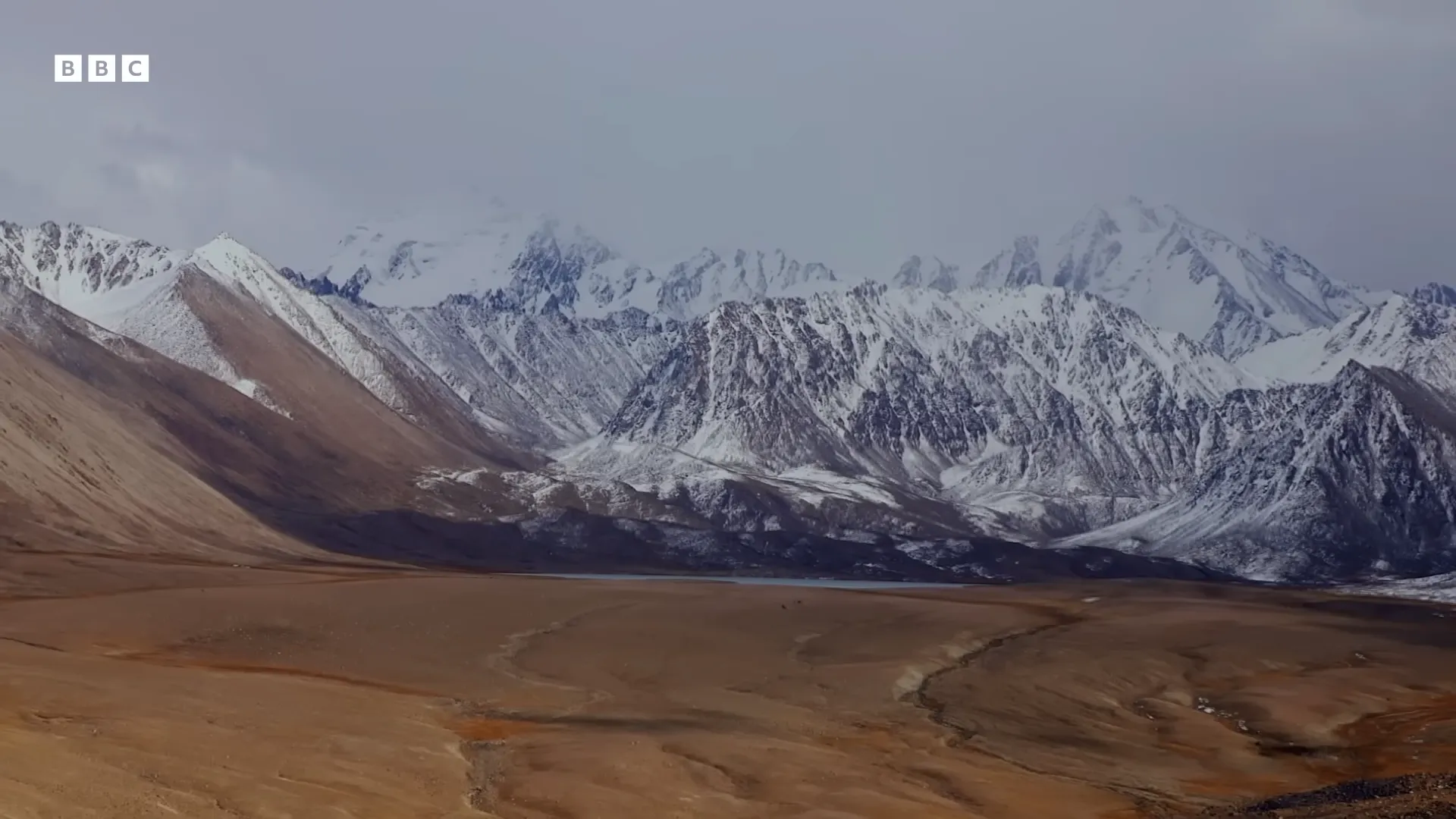
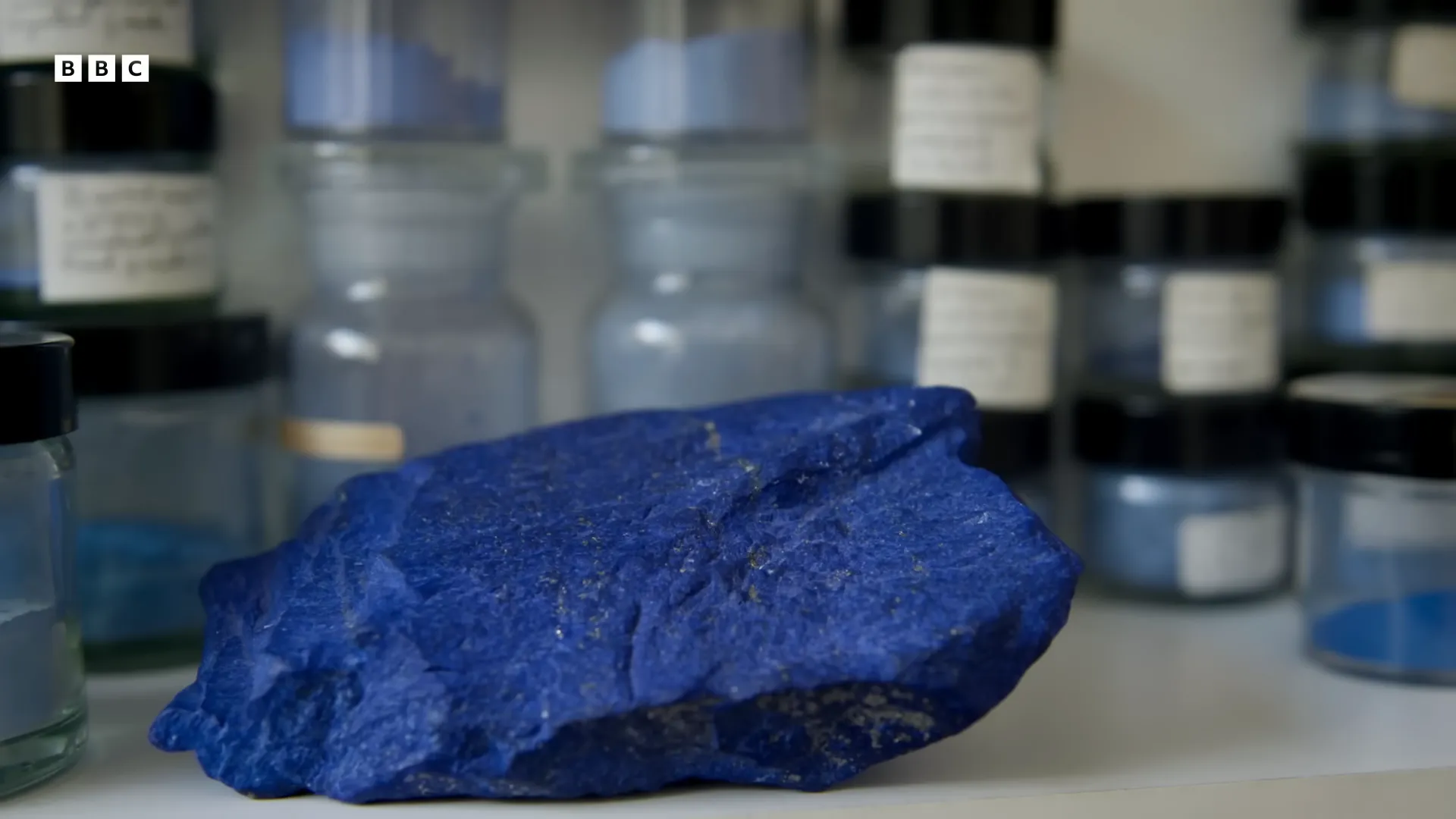
Natural ultramarine emerges only after the valuable blue lazurite is separated from the other minerals inside lapis lazuli. Images via BBC Earth Science.
That combination of geological rarity, difficult extraction and visual intensity turned ultramarine into one of art history’s ultimate status pigments. Its scarcity eased after chemists developed synthetic ultramarine in the nineteenth century, making a similar blue available without pulverizing a semiprecious stone.
The laboratory version may have democratized the color, but natural ultramarine still carries the romance of its origin: ancient rock, mountain trade routes, microscopic sulfur chemistry and a blue so excessive that generations of artists treated it like treasure.
Watch BBC Earth Science Reveal The World’s Rarest Pigment
The BBC Earth Science film explains how lapis lazuli, lazurite and trapped sulfur create the unmistakable color of natural ultramarine.
Source: BBC Earth Science; The Metropolitan Museum of Art.