


















Three Lifelong Music Fans Open MTV’s Vault And Rock’s Next Act
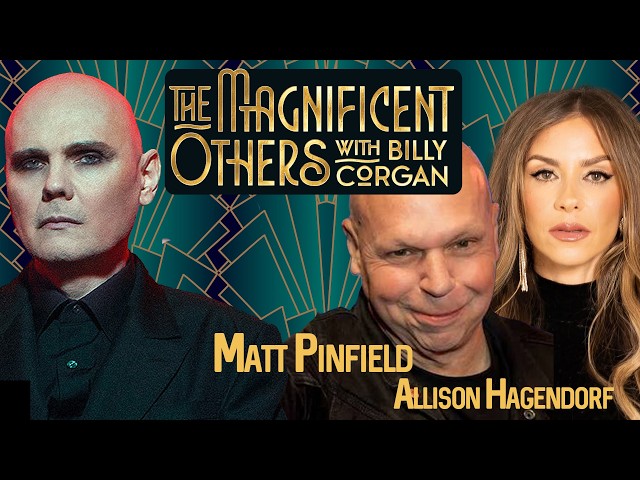
Matt Pinfield and Allison Hagendorf visit Billy Corgan on The Magnificent Others, but this is not three music veterans politely dusting off the MTV scrapbook. It is a nearly two-hour excavation of how trusted DJs broke artists, why music videos once moved the entire culture and what rock lost when the gatekeepers disappeared without a real replacement.
The connective tissue is simple: all three remain fans. Corgan argues that credibility still matters because artists need people who can translate what they are trying to do without reducing everything to chart position or “product.” Pinfield describes spending his career looking for reasons to play a band rather than reasons not to, while Hagendorf says that love for the artist and audience has always been the job—not a side effect of it.
Hagendorf’s route into the business is one of the episode’s sweetest details. She originally studied pre-med, became a Sony college representative and won rep of the year, which brought job offers from Columbia and Epic. She accepted an assistant position in the jazz department largely because Pinfield worked at Columbia, then spent three to four months pitching herself to Human Resources and Pinfield until she became his assistant and right hand. The MTV hero she once wanted to become is now, in her words, both her mentor and best friend.
Discover More
The Music Television Deep Dive
Explore the official source and related picks curated around this story.
Some links may be affiliate links. INYIM may earn from qualifying purchases.
Pinfield also gets personal about why that connection never became merely professional. He says music carried him through an aneurysm at 15, recovery, heartbreak, being hit by a car and a stroke. Alternative music, he explains, was waiting for the alienated teenager with the surgical scar before he ever became one of the most trusted faces in alternative culture.
Then comes the inside-MTV material other recaps are likely to skim past. Pinfield says the music department had a 10-person acquisitions committee. Every Monday, the group watched roughly 30 to 40 new videos and everyone voted across genres—not only within their own specialty. Two days later came the harder meeting: deciding rotations, choosing Buzz Clips and determining which artists would receive the kind of repetition that could change a career.
That human judgment produced one of the episode’s most affecting stories. When much of the record industry dismissed Radiohead as the band that had one hit with “Creep,” Pinfield and the MTV music team kept supporting videos from The Bends despite pressure from labels arguing that their own acts had sold more copies that week. When Thom Yorke later presented the team with gold records, Pinfield recalls Yorke thanking them for the heat they took and bursting into tears. A colleague looked at Pinfield and said, essentially, this is why they did the job.
Corgan arrives with his own vault of stories. The original party footage for the “1979” video was placed on top of a car and driven away, sending the production into searches and even Spanish-language reward appeals before the tapes were declared lost. The band had to fly back and recreate the same scene with the same people. He also remembers betting the band’s future on the “Today” video after “Cherub Rock” failed to catch fire. The label wanted the safe band-against-a-wall treatment; Corgan insisted on driving an ice-cream truck, while the director layered his own Zabriskie Point-inspired imagery over the concept.
120 Minutes gets its due as more than a late-night block. Corgan remembers responding to a softball question about Chicago’s scene by declaring that all the local bands “suck,” a line that earned him nuclear hometown heat for years. More consequentially, he says a single airing of the Pumpkins’ “Siva” may have led Anthony Kiedis to bring them onto the Red Hot Chili Peppers tour with Pearl Jam—an example of how one properly placed video could alter a band’s entire route.
Inside The Conversation
The discussion moves from music as survival and MTV’s hidden decision rooms to grunge’s arrival, Chicago grudges and whether rock is ready to storm the castle again.
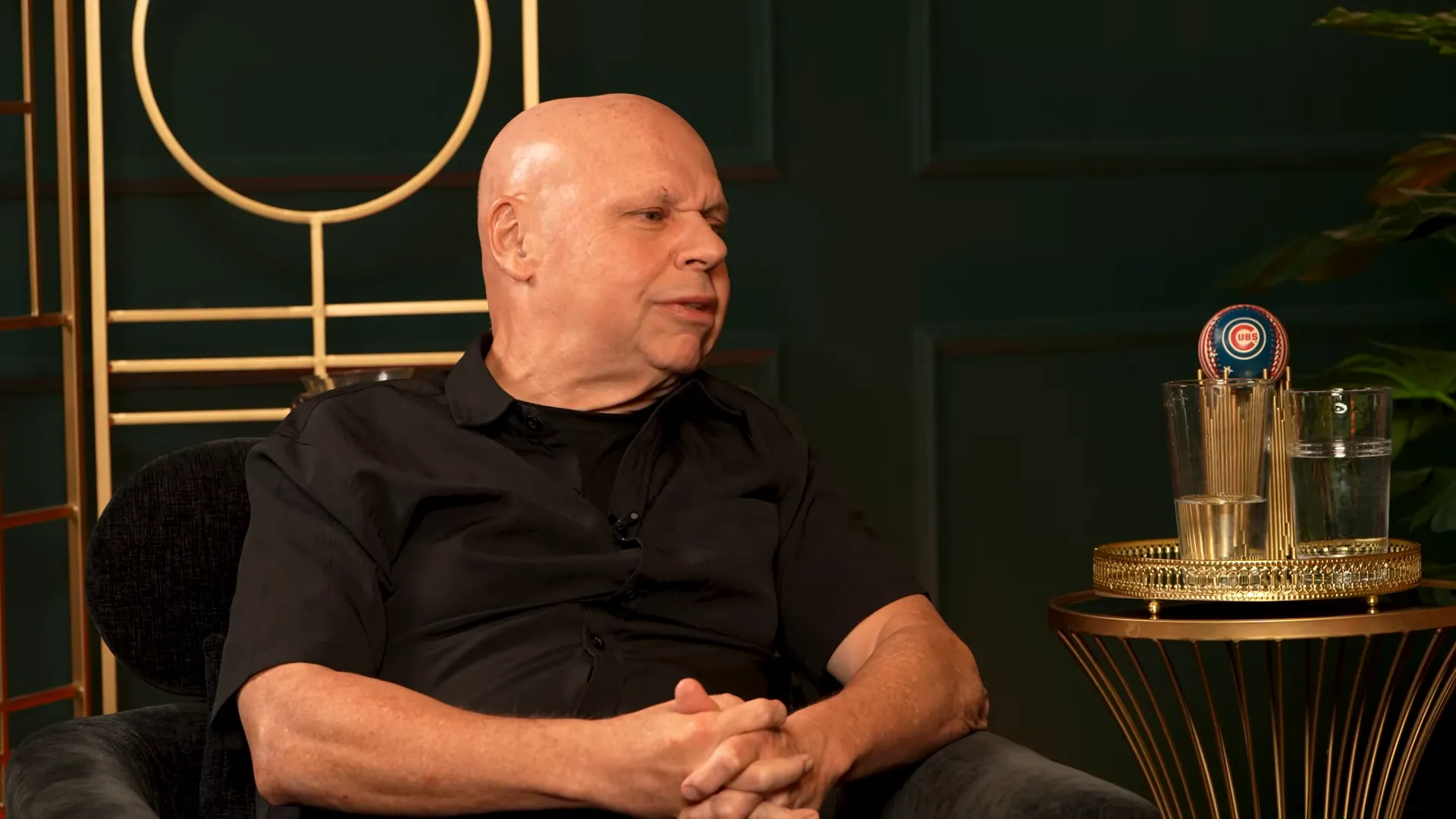
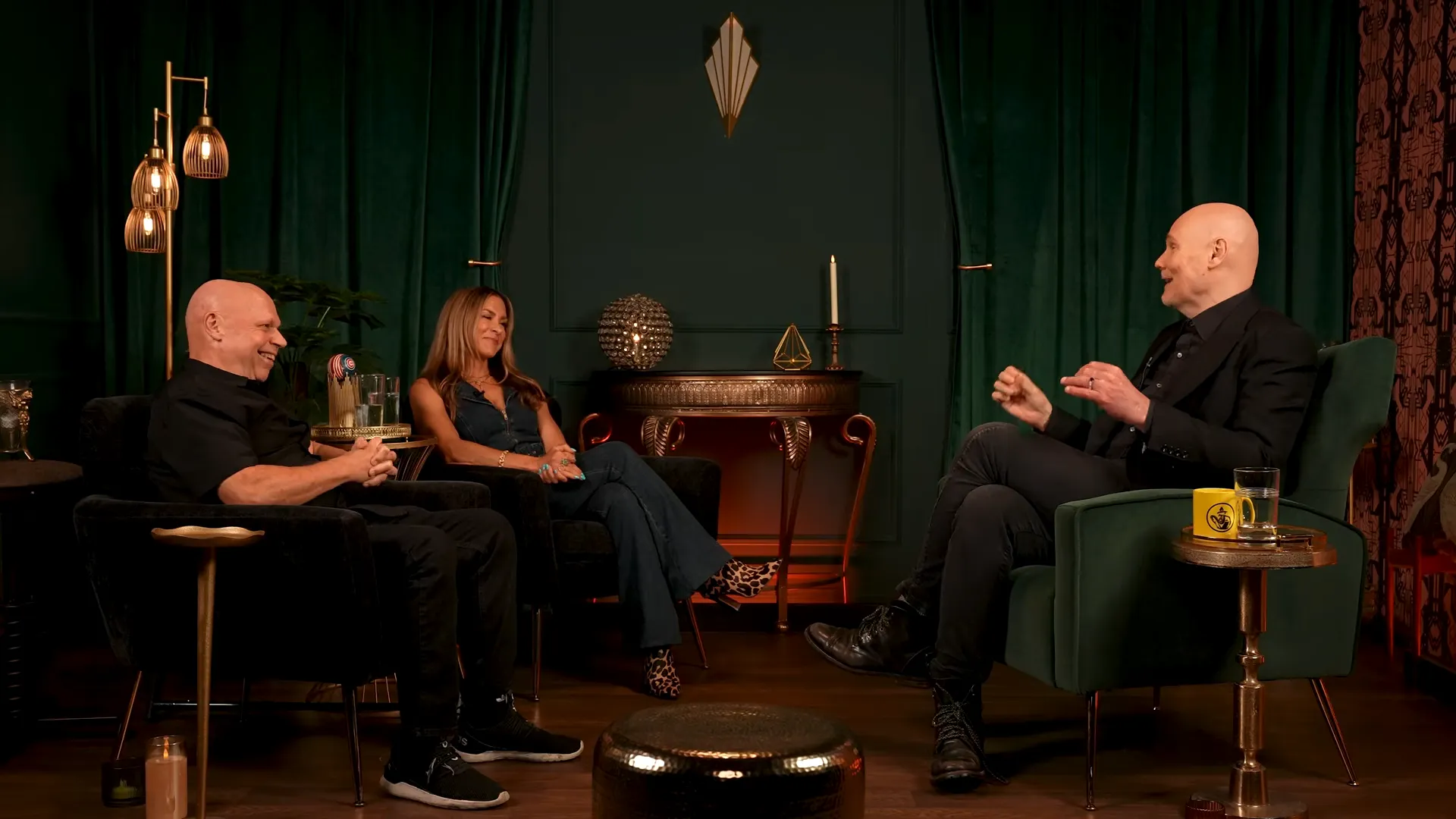
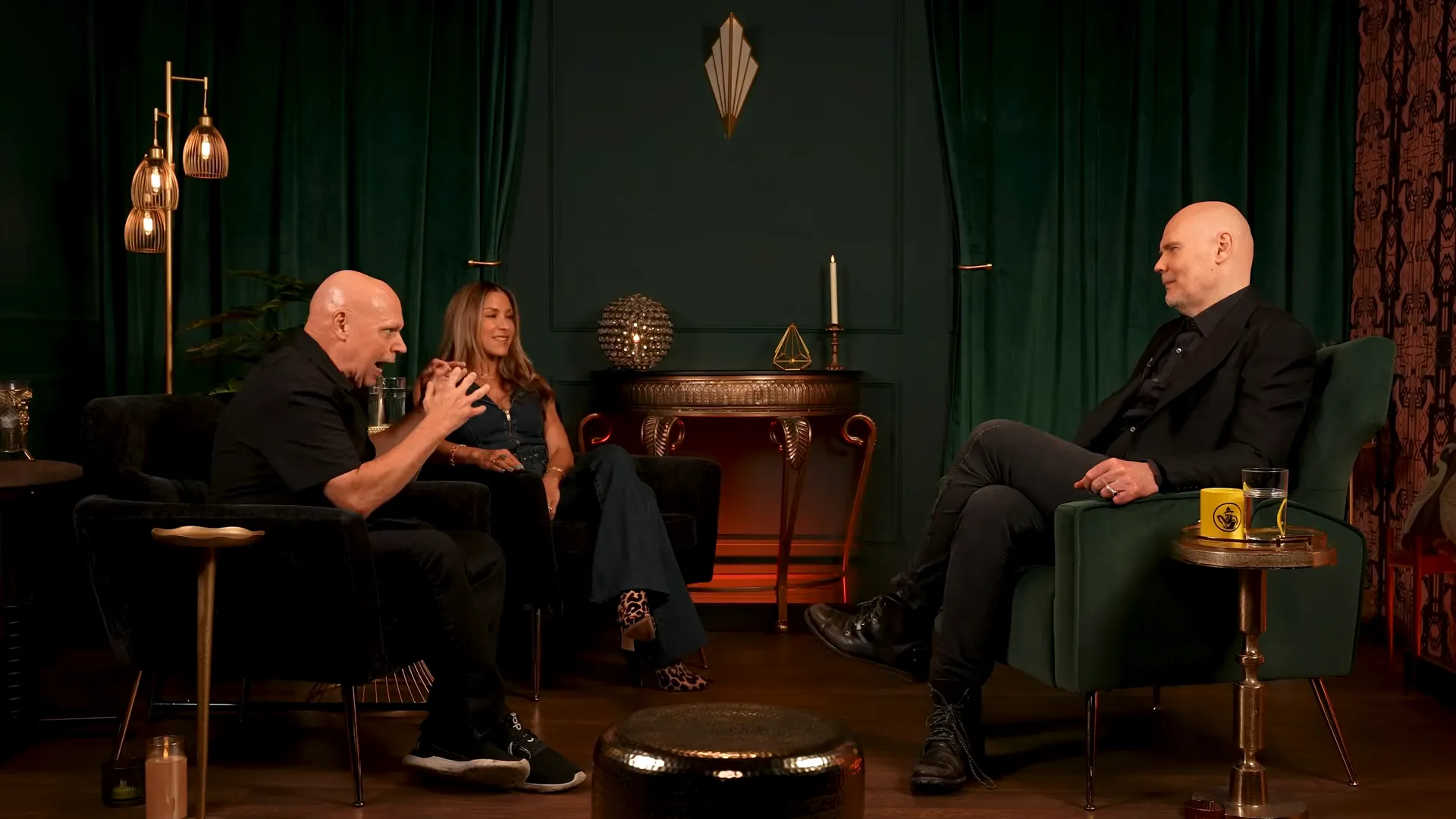
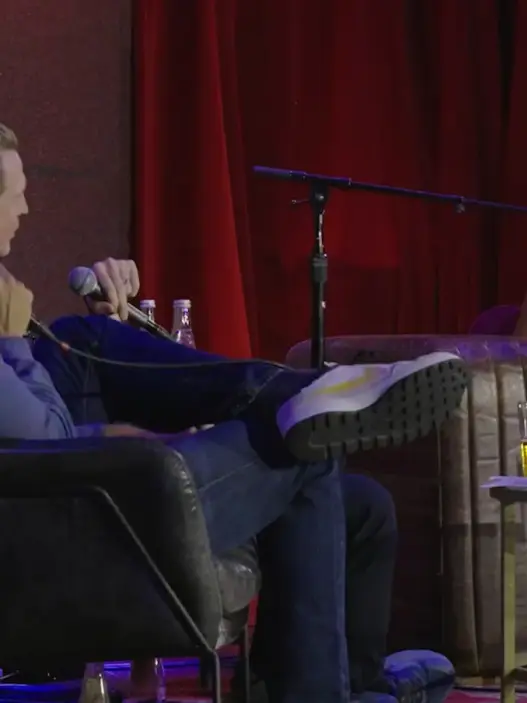
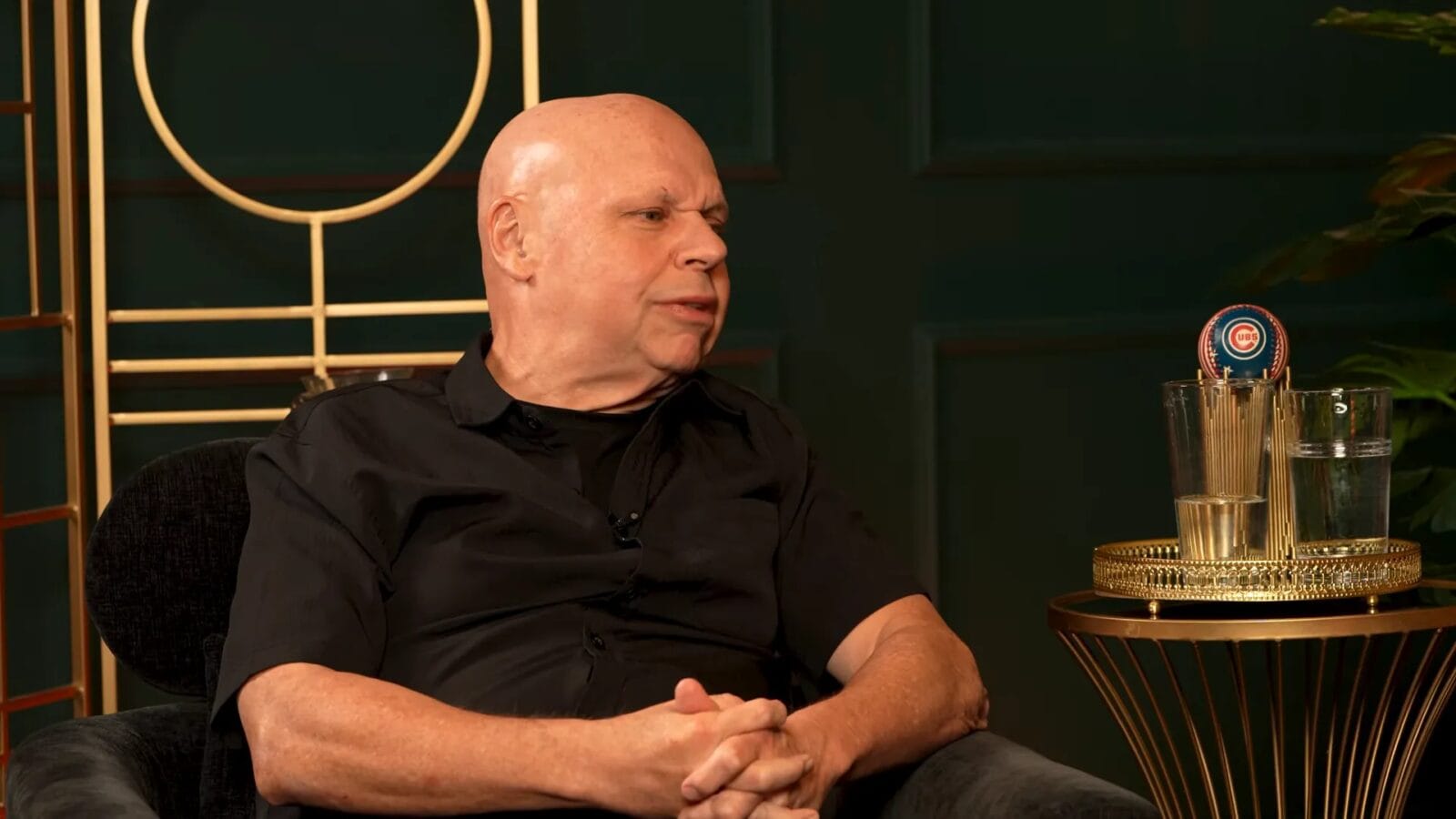
Matt Pinfield, Allison Hagendorf and Billy Corgan trade stories from a lifetime inside music culture. Images via The Magnificent Others with Billy Corgan.
Hagendorf draws a straight line from those MTV rooms to her years as Spotify’s global head of rock. She says she listened to thousands of songs a week, created new playlists whenever artists needed another lane and used her A&R instincts to pull musicians out of obscurity. In early 2018, she placed a then-new Yungblud on the cover of Rock This because she believed he was already an undeniable future star.
The trio also wrestles with what replaced MTV. Hagendorf’s cleanest explanation is that a network once told the audience what mattered; now the audience decides whom it trusts. Music videos did not vanish, but they became one expression among millions instead of a shared cultural event. Corgan adds another layer: fans do not only remember records, they remember the visual cast. His eventual understanding of why listeners wanted the original Pumpkins lineup back was blunt and perfect—people wanted the original cast of Seinfeld onstage.
Near the end, the discussion widens into a missing chapter of Gen X culture. Corgan asks where the books, films and prestige series are that tell the stories of the alternative explosion with the same abundance granted to other rock generations. He says he has heard four songs from Courtney Love’s next record and has been pulled into its finishing stages, while Hagendorf points toward a newer field that includes Turnstile, Sleep Token, The Warning, Florence Road and others.
Corgan’s closing argument is that rock institutions are still lagging behind the street. He uses the recent Black Sabbath tribute as an example: veteran stars filled the stage while Yungblud—whom the trio calls one of the hottest young rock stars in the world—watched from the crowd. For Corgan, that disconnect is precisely why the next wave may arrive as a shock. Rock does not need permission; it needs one artist and one undeniable song capable of opening the gate again.
Watch Matt Pinfield And Allison Hagendorf Go Deep With Billy Corgan
The full episode covers MTV’s music meetings, Radiohead, Nirvana, the lost “1979” footage, Allison’s first encounter with grunge and the argument for rock’s coming second act.
Source: Official The Magnificent Others with Billy Corgan YouTube.