




















A global honoring of the night sky sparks new conversations about light pollution, wildlife protection, and how cities can rethink the way we illuminate our world.
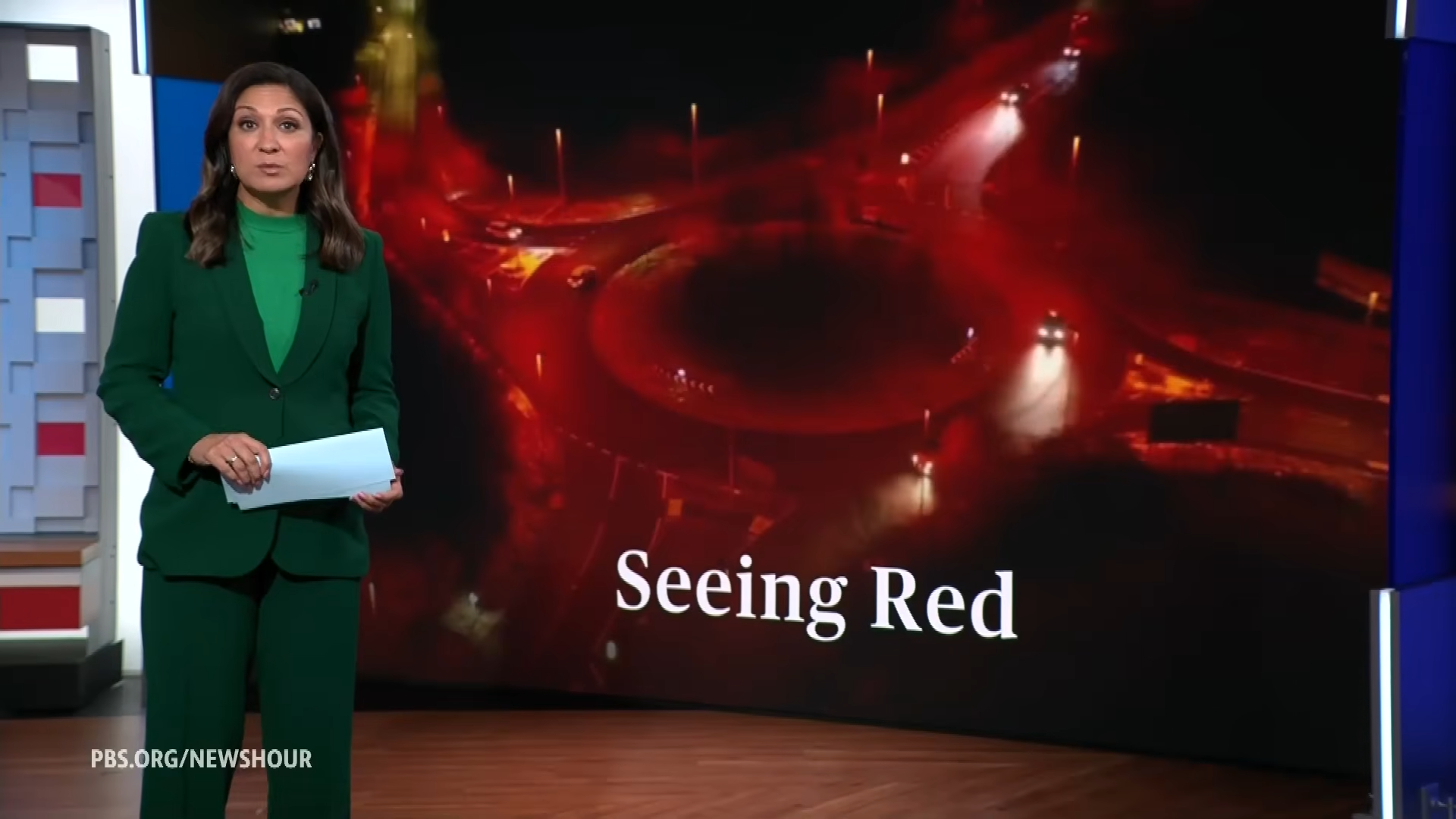
Did You Know? It’s International Dark Sky Week, a worldwide celebration dedicated to honoring the night — and a call to rethink how much artificial light we pour into our skies. The movement urges communities to reduce unnecessary lighting, cut pollution, and restore the natural darkness that wildlife and humans both depend on.
A compact side edit for a story where city design meets the nighttime lives most people never see.
Lower glare, lighter footprint
The energy here is practical but quietly radical. Smarter light, softer impact, and the kind of urban tweak that can change an ecosystem after dark without shouting about it.
Disclosure: This post may contain affiliate links. As an Amazon Associate, INYIM Media earns from qualifying purchases.
Across the globe, cities and local governments are stepping up. Some are dimming streetlights. Others are switching to warmer tones. Many are hosting awareness events to help residents understand why the night matters — and how over‑illumination disrupts ecosystems, migratory patterns, circadian rhythms, and even human health.

PBS NewsHour’s Malcolm Brabant, reporting from Denmark, digs into how European cities are experimenting with new lighting strategies. From red‑toned streetlights to motion‑sensitive illumination, these innovations aim to protect nocturnal species while still keeping communities safe.
It’s a reminder that the night sky isn’t just beautiful — it’s essential.
Dig out the full PBS report below.
Watch: PBS NewsHour on International Dark Sky Week
Join the chat. Should more cities adopt wildlife‑friendly lighting?