













The pioneering media artist explores AI as a cultural language, machine‑driven imagination, and the future of data‑based art.
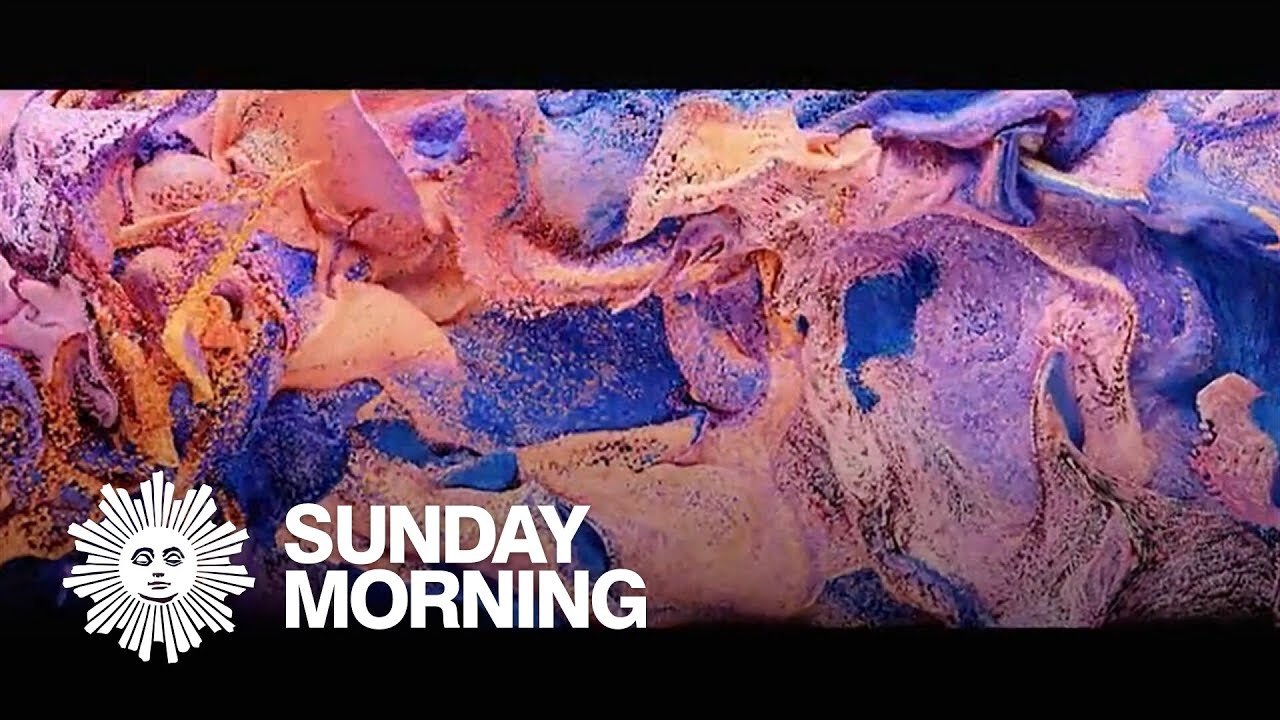
Artist Refik Anadol has spent years reshaping the boundaries of contemporary art through artificial intelligence, data, and immersive visual environments. His work asks a deceptively simple question: Can a machine dream? And if so, what does that dream look like?
Anadol uses AI‑powered algorithms to generate vast, fluid, hypnotic imagery built from enormous datasets. He often describes these works as a machine’s dream state — a visual interpretation of how AI might process memory, nature, and information. Rather than treating AI as a tool, he positions it as a collaborator, a new kind of creative intelligence capable of translating data into emotional and sensory experiences.
In his conversation with Domus, Anadol discusses AI as a cultural language, one that can reveal the invisible systems shaping our world. His practice spans everything from Large Nature Models to monumental public installations, each exploring how machines can interpret the natural world and how humans can experience data in ways that feel alive and organic.
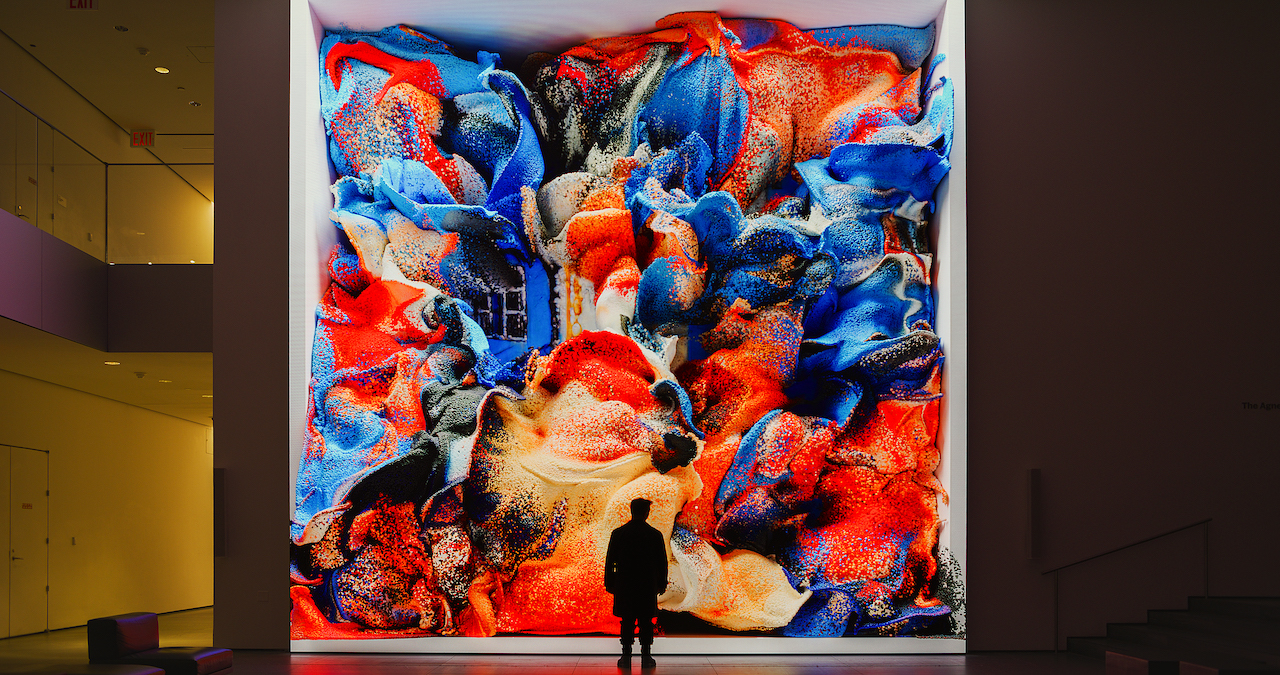
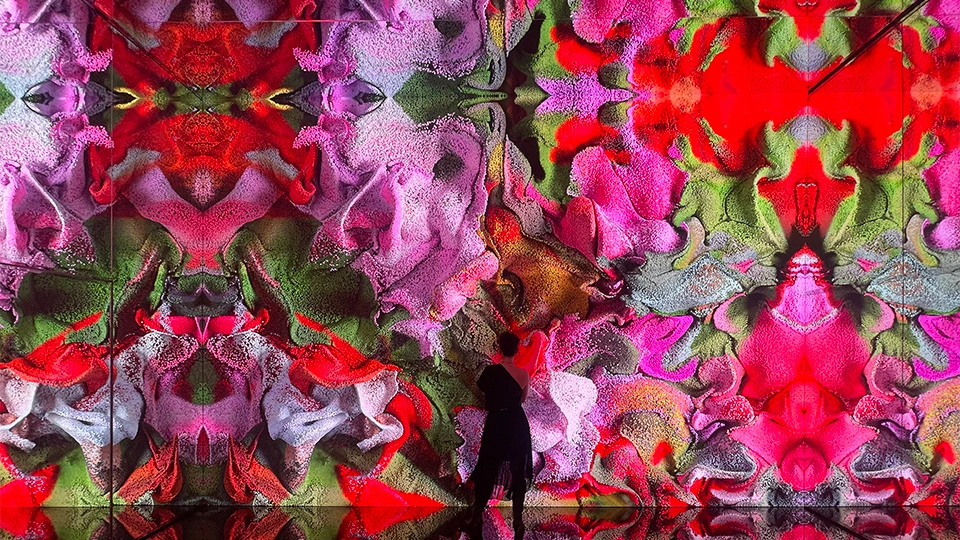
He also shares details about DataLand, his planned Los Angeles museum. The project aims to become a first‑of‑its‑kind institution dedicated to AI‑driven art — a space where architecture, data, and machine intelligence merge to create constantly evolving visual narratives. DataLand is envisioned not as a static museum, but as a living organism that learns, adapts, and generates new forms of expression.
Refik Anadol stands at the forefront of a new artistic frontier, offering a glimpse into a future where creativity is shared between humans and machines. Dig it all out below.
Watch the Feature
What do you think about AI as a cultural language. Share your thoughts below.