

















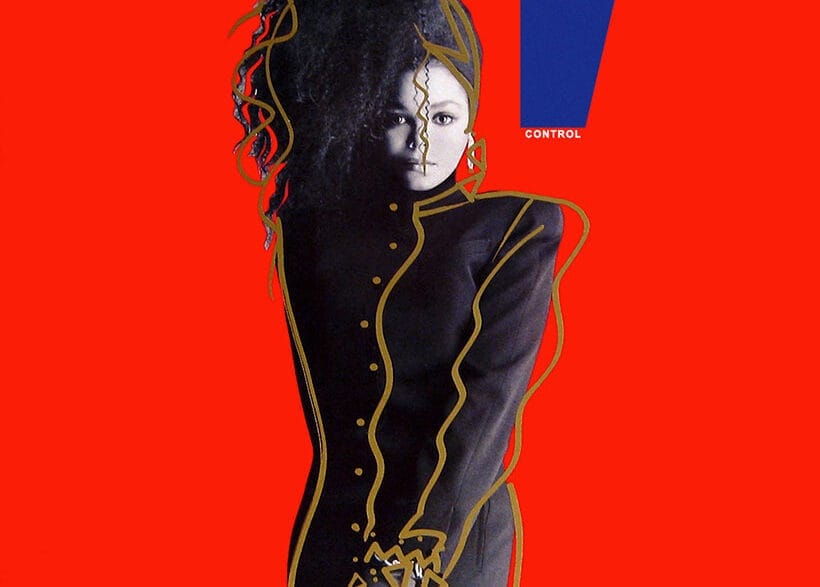

Huzzah-hurrah! Janet Jackson — along with her music lovers, lifelong fans, and the entire pop-R&B universe — is celebrating the 40th anniversary of her pivotal and breakthrough album, Control.
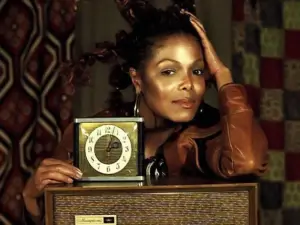
Janet marked the milestone with a nostalgic, emotional compilation video shared across social media, honoring the record that transformed her from a rising talent into a global force of independence, rhythm, and attitude.
What often gets lost in legacy talk is just how young she was when it all clicked. Janet was only 19 years old when Control was released — and even younger while making it — at a moment when much of her career had previously been guided by others, particularly her famously hands-on father, Joe Jackson. Control marked the first time Janet fully stepped out from that structure and asserted ownership over her sound, her image, and her future.
The album wasn’t subtle about it either. Control was Janet saying — out loud, on record — that she was no longer being directed, molded, or spoken for. This wasn’t rebellion for rebellion’s sake. It was self-definition. For a teenage Black woman navigating the mid-’80s pop machine, that level of authorship was radical. The title wasn’t metaphorical — it was literal.
For those of us who were babies of the ’80s, Control wasn’t just an album — it was a radio ritual. When “Control” came on, you turned the volume all the way up. And when the music video hit TV? It was a cultural earthquake.
Janet’s all-black 1986 pop-business look, her curly pinned-up hair, the fierce choreography — a feminine, powerful evolution of Michael Jackson’s signature moves — shaped the entire aesthetic of the era. We had no idea, as kids, that we were witnessing a revolution in real time. We were experiencing the birth of a new pop language, one Janet authored with precision, confidence, and a voice that demanded to be heard.
In her anniversary tribute, Janet revisits the album’s iconic spoken intro — a declaration of autonomy that still hits just as hard four decades later:
“This is a story about control
— Janet Jackson, in her 40th anniversary Control tribute video shared on social media
My control
Control of what I say
Control of what I do
And this time, I’m gonna do it my way…
’Cause it’s all about control
And I’ve got lots of it.”
The montage celebrates the album’s legacy, its visual impact, and the generational influence it continues to hold — not as nostalgia, but as proof of how fully Control still lives in pop culture.
For a New Generation: Why When We All Fall Asleep… Is This Era’s Control
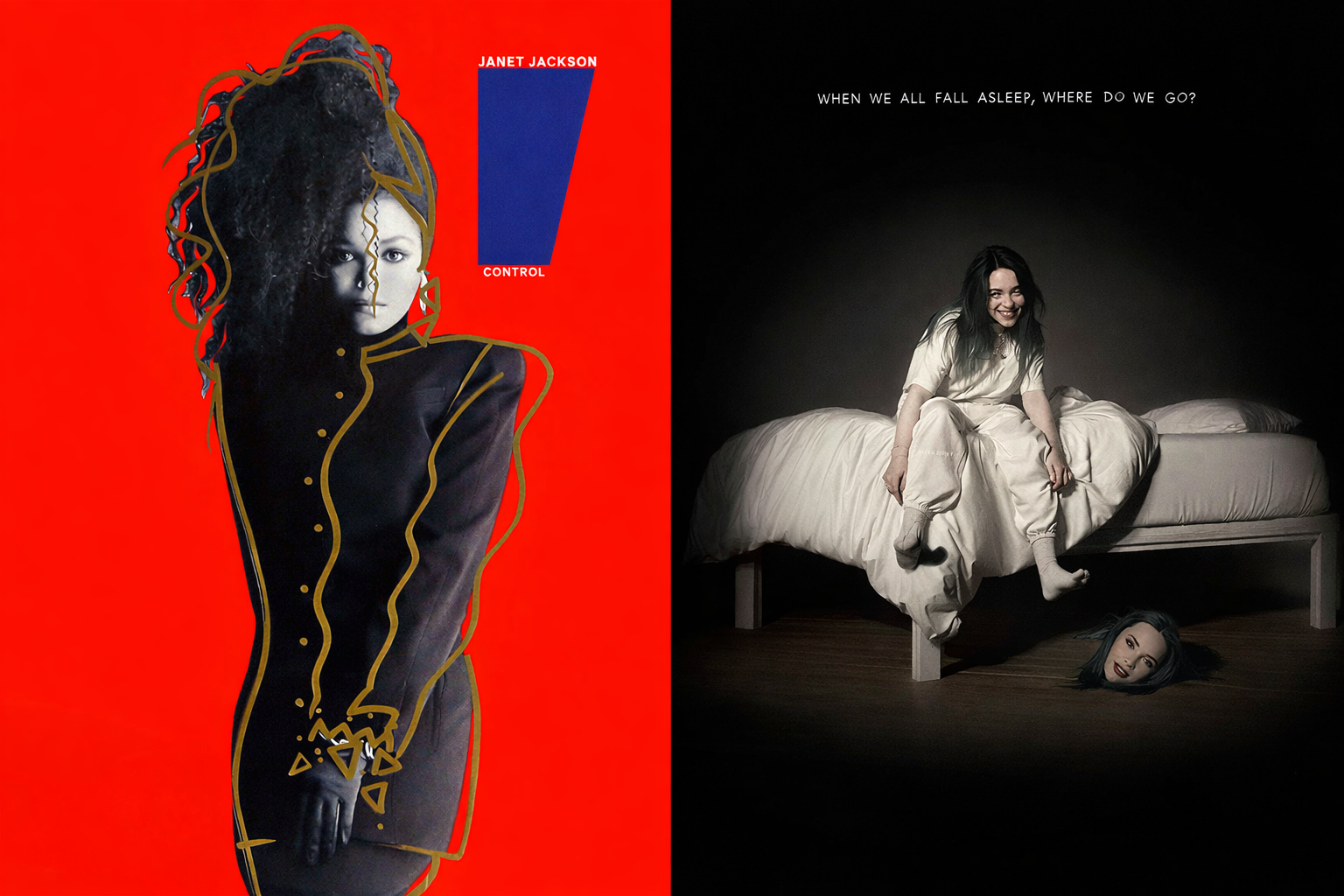
For younger listeners who didn’t experience Janet Jackson’s Control in real time, the closest modern parallel isn’t about sound — it’s about moment. The way Control landed in 1986 mirrors how Billie Eilish’s When We All Fall Asleep, Where Do We Go? hit a new generation decades later.
“Control was the moment Janet Jackson stopped being introduced and started being understood. When We All Fall Asleep, Where Do We Go? did the same for Billie Eilish.”
— It’s Not You It’s Me Media
Both albums arrived as statements of arrival — not just successful releases, but cultural resets.
Age & Artistic Breakthrough
Janet was 19 when Control dropped. Billie was 17–18 while creating When We All Fall Asleep…. Both albums capture young women taking command of their voice, image, and authorship at exactly the right moment.
Creative Independence
Control was Janet’s declaration of autonomy — stepping out from family oversight and industry expectations to define herself on her own terms.
When We All Fall Asleep… was Billie and Finneas building a fully realized world from a bedroom studio, rejecting pop formulas and reshaping the sound of a generation.
Cultural Impact
Control redefined pop-R&B and set the template for modern dance-pop.
When We All Fall Asleep… did the same for Gen-Z — ushering in pop minimalism, whisper-vocals, and bedroom-production aesthetics that still dominate today.
Visual Identity Shift
Janet’s all-black 1986 look, the hair, the choreography — it didn’t just accompany the music; it was the era.
Billie’s oversized silhouettes, neon greens, and surreal visuals became the visual shorthand for a generation that valued mood, boundary-pushing, and refusal to conform.
This isn’t nostalgia — it’s lineage. Control showed what happens when a young artist claims authorship at the exact moment culture is ready to listen. When We All Fall Asleep… proved that the blueprint still works.
A Lived Legacy
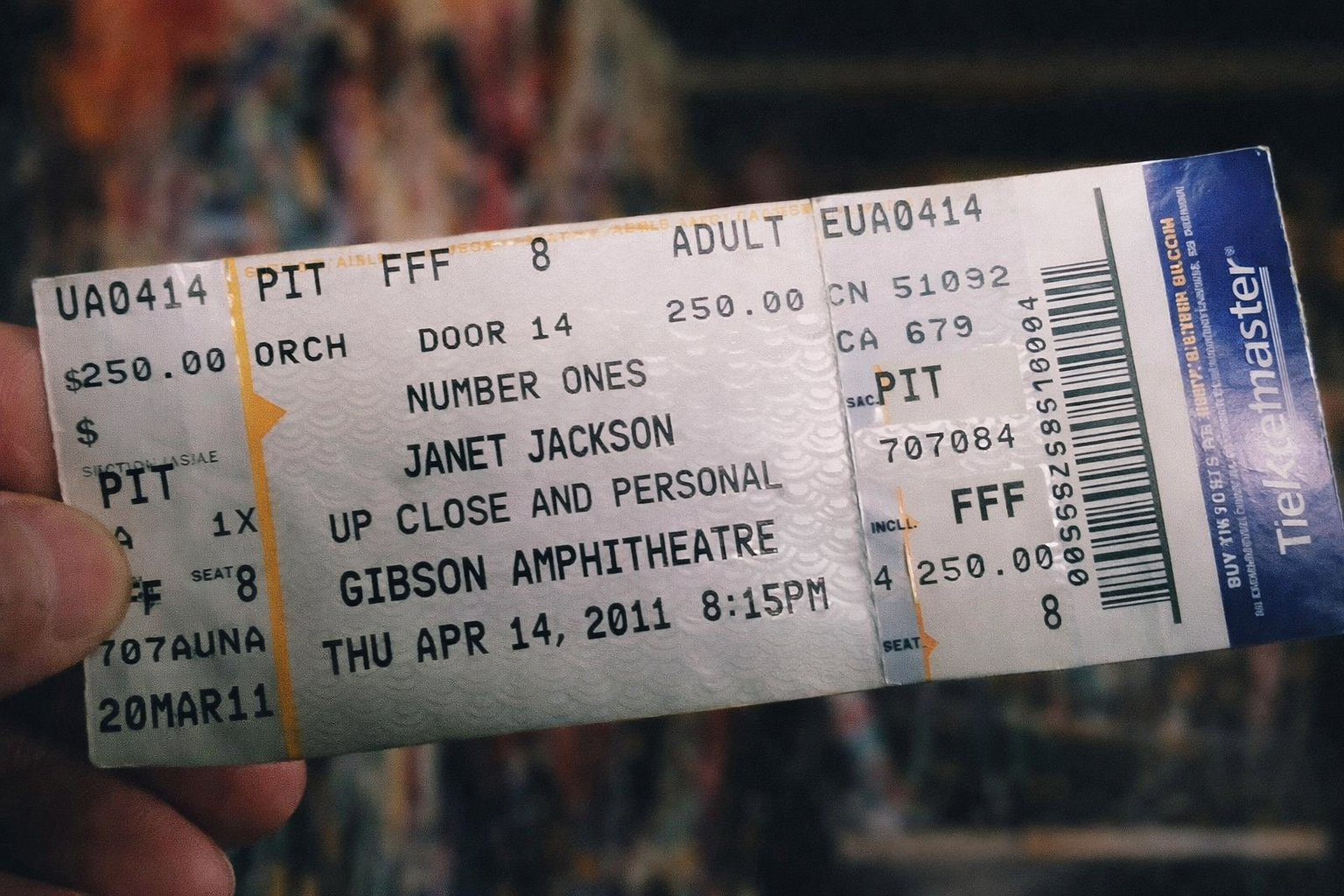
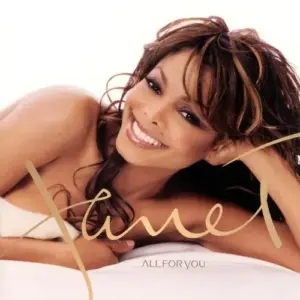
Both Victor (INYIM co-founder) and I have experienced Janet Jackson live across defining eras of her career — from The Velvet Rope Tour in 1998, to the All for You Tour at the Staples Center in 2001, a one-song appearance at Wango Tango at the Rose Bowl, and her 2011 Up Close and Personal tour at the Gibson Amphitheatre.
That 2011 show remains especially unforgettable. Seated front-row in the orchestra, we watched as Janet made her opening entrance directly beside us, emerging from the side-stage backstage entrance. It was Victor’s first time seeing Janet that close — close enough for the line between icon and human to disappear — and watching him instantly go into full screaming fan panic mode was both hilarious and entirely justified. The kind of reaction you usually laugh at when you see it caught on concert footage… until it’s happening right next to you.
My connection to the Jackson world runs even deeper. My father owned — and I later worked front of house at — a restaurant frequented by the entire Jackson family, just down the street from their Havenhurst compound. That sense of proximity to Janet’s world wasn’t isolated — for both of us, it often existed just one person removed.
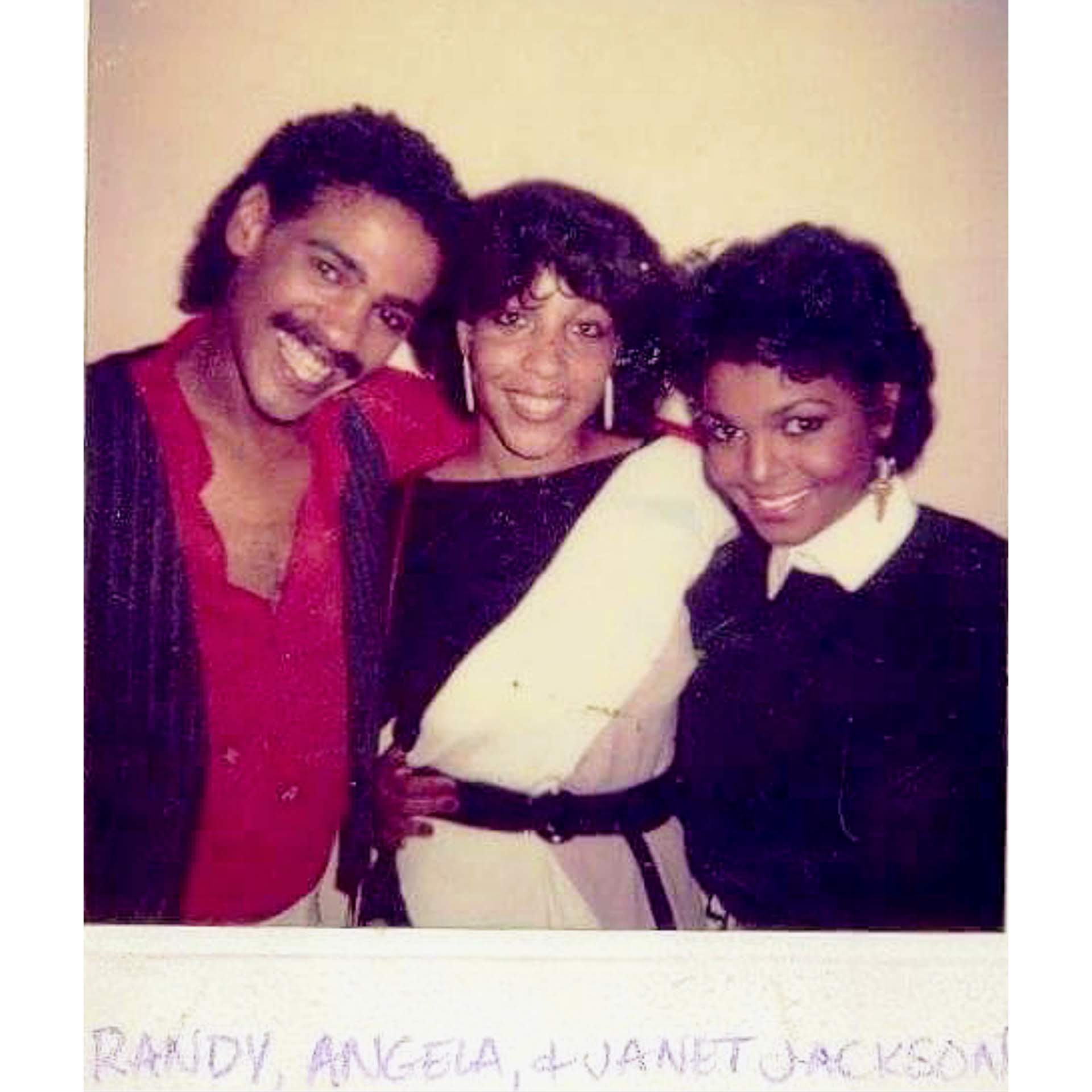
These experiences don’t frame Control as nostalgia for us. They explain why it still feels alive.
Timeline of Control Singles — U.S. & U.K. Chart Peaks
United States (Billboard Hot 100)
- “What Have You Done for Me Lately” — #4
- “Nasty” — #3
- “When I Think of You” — #1
- “Control” — #5
- “Let’s Wait Awhile” — #2
- “The Pleasure Principle” — #14
United Kingdom (UK Singles Chart)
- “What Have You Done for Me Lately” — #3
- “Nasty” — #19
- “When I Think of You” — #10
- “Control” — #42
- “Let’s Wait Awhile” — #3
- “The Pleasure Principle” — #32
Own the album: Control is available on vinyl — shop the official pressing here . (As an Amazon Associate, It’s Not You It’s Me Media may earn from qualifying purchases.)
Forty years later, Control still pulses with the same electricity it had in 1986. Its sound, its visuals, its message, and its attitude continue to shape pop and R&B, proving that Janet didn’t just create an album — she created a movement.
And once you take control, you don’t really give it back. You use it as a path — to discover who you are, what you like, what you reject, and how you want to live as an individual. Control wasn’t about dominance; it was about becoming. About choosing authenticity over expectation, individuality over inheritance, and a fully lived life over silence.
The 40th milestone isn’t just a celebration of where Janet was. It’s a reminder that Control is a lifelong practice — and once you step into it, it stays with you.
For more on Janet Jackson’s career, music, and official updates, visit janetjackson.com .