













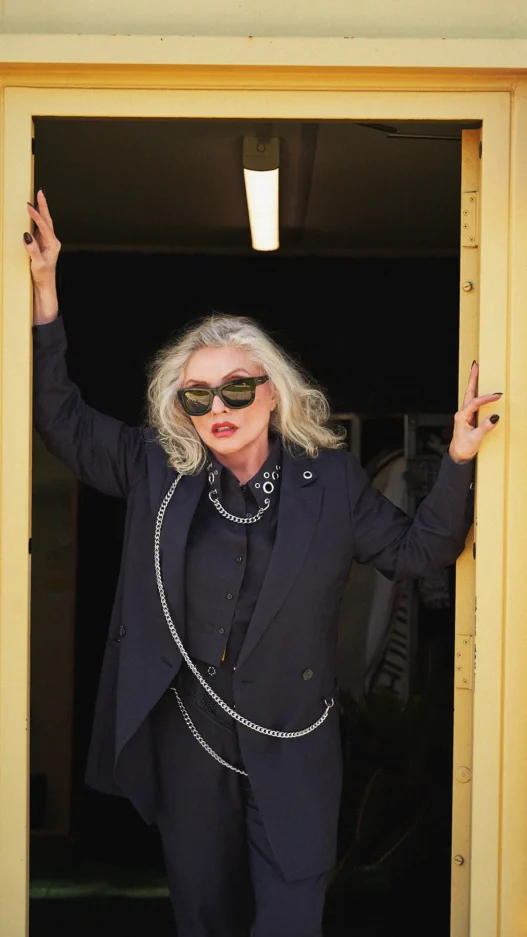
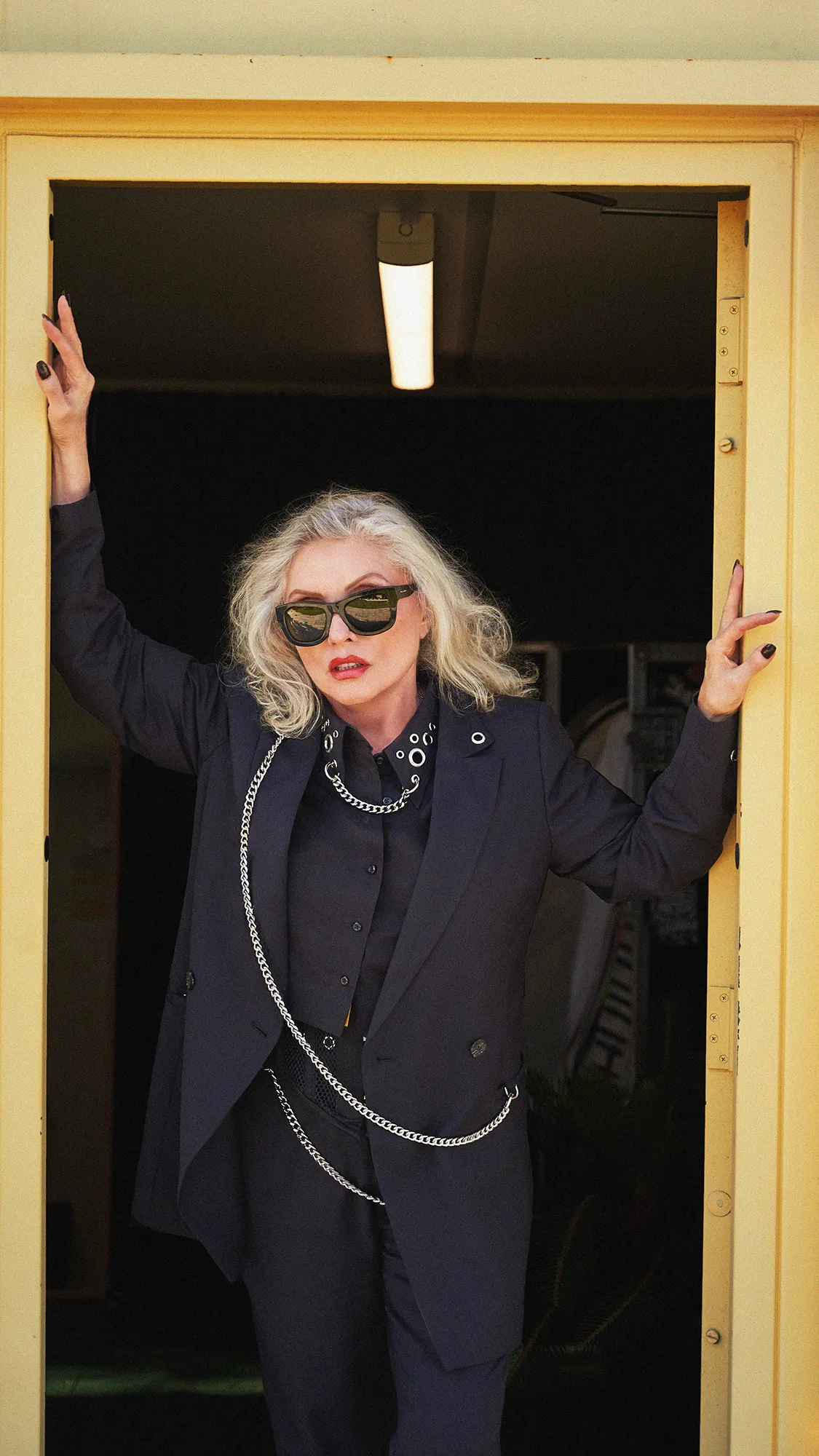
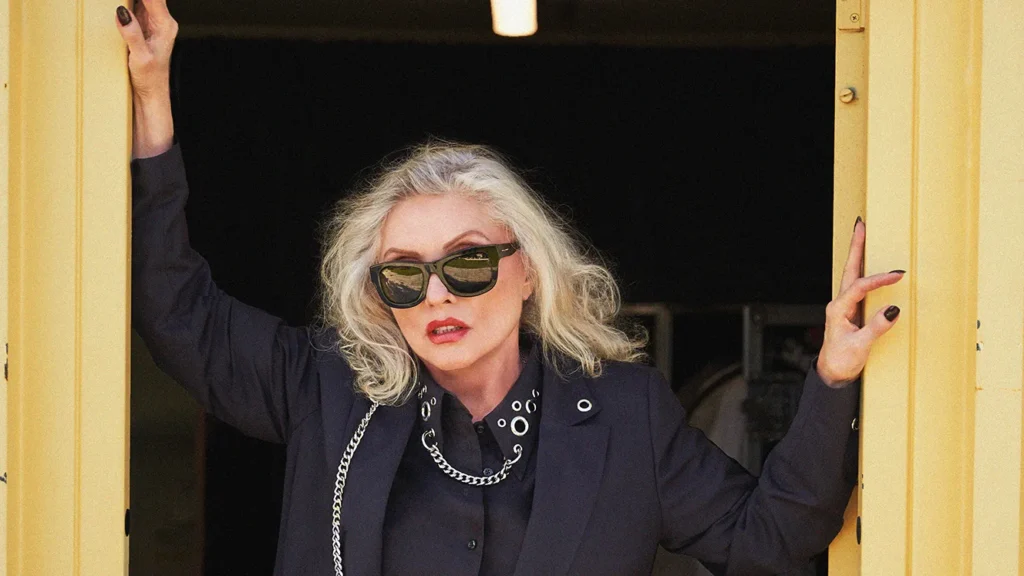
Debbie Harry chit chats with Vanity Fair covering a wide range of hot topics. Everything from creative highlights to her risqué encounter with Bowie, and the reason behind she didn’t want any children.
Highlights from the Interview:
- Creative Highlights: Debbie Harry discusses her career, including her risqué encounter with David Bowie and why she chose not to have children.
- Legacy and Influence: Reflects on her impact on the music industry and her relationships with band members and other artists.
- Challenges and Future Plans: Talks about her desire to continue making music and her upcoming projects, including a new Blondie album and a documentary.
Brava miss Harry for knowing who you are and what you want. Dig out thee interview with Vanity Fair featured right below!
Story by Vanity Fair contributing editor Lisa Robinson
Debbie Harry isn’t a fan of nostalgia.
“I don’t like looking backwards,” says Blondie’s legendary vocalist, who turns 80 this month. “I want challenges, I want to look ahead—to expand, or gather my physical, mental state of being and squeeze something out. The way Blondie came to be was sort of wringing something out of desperation, or crazy vision, or comic book life. Just push it out.”
Harry, who has sold over 50 million albums worldwide (11 with Blondie and five solo albums), performed until last year with the band—the first out of the 1970s CBGB’s rock scene that had pop hits (“Heart of Glass,” “Call Me,” “Rapture”). She’s appeared in more than 30 film and TV shows, authored a memoir (“Face It”), and, in 2006, was inducted into the Rock & Roll Hall of Fame with fellow Blondie band members Chris Stein, Clem Burke, Gary Valentine, Jimmy Destri, Frank Infante, and Nigel Harrison.
Here, she talks to Lisa Robinson about legacy, influence, drugs, being propositioned by David Bowie, image, her relationship with Blondie cocreator Chris Stein, and future challenges.
Vanity Fair: Do you think the way you integrated rap and reggae into your songs made Blondie more deceptive and subversive than just a pop-punk band?
Debbie Harry: I hope so. We had adversity and resistance, but what I really enjoyed was the climb. And having to win. Not like an athlete who decided to get into music, but it’s just that the challenge is so important. Even if it was my own boundaries; I had to break out of being a middle class kid who wasn’t expected to do any of this. I had to break out of that suburban training.
You’ve done so many genre-defying things that mattered and lasted: Blondie music, solo albums, movies—what are you most proud of?
I think the things I get most teary-eyed about are the relationships, good fortune, and the luck I’ve had working with some wonderful, exotic, talented people. Great minds.
My list is going to sound very short, but having worked with Chris [Stein] and Clem [Blondie drummer Clem Burke, who died of cancer this past April] for years—especially Chris, that’s extraordinary. Keeping a rock band together for 50 years was like a marriage, and it’s sad that with Clem’s passing and without having Chris onstage, I can’t see myself being onstage as Blondie, even though I am the face of Blondie.
But I’m proud of the music, and I would still like to do music. Then, [working with] John Waters and David Cronenberg on the film side of things. I feel like a little footnote in terms of how these people have affected culture.
Reader Reactions
What’s Your Reaction?
Tap the response that fits.