














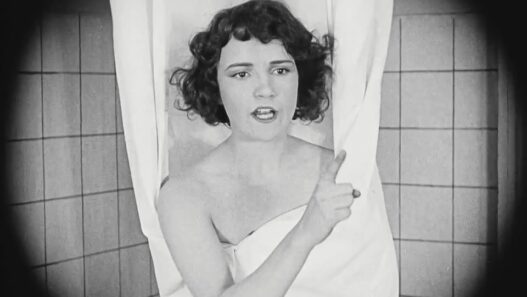
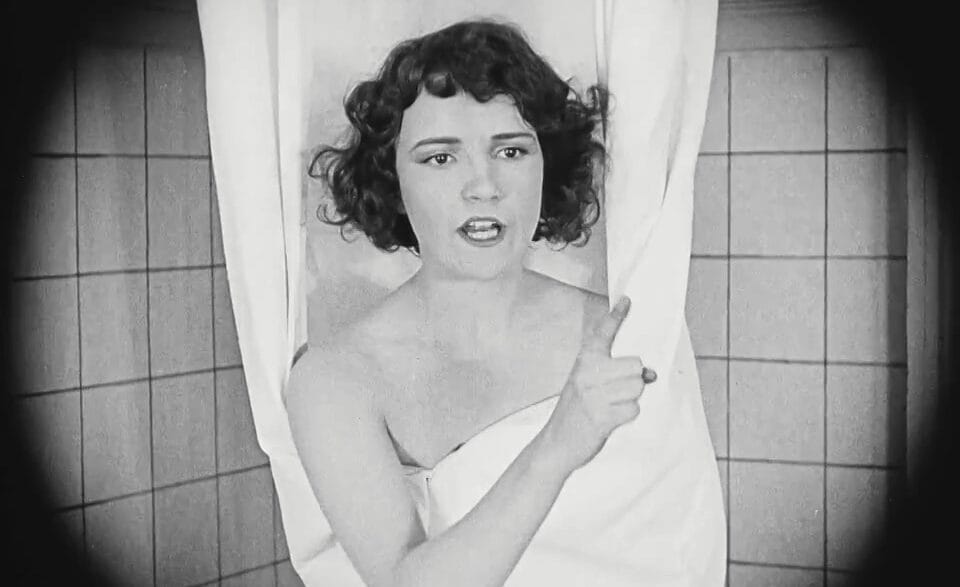
A Slapstick Masterpiece That Still Feels Fresh a Century Later
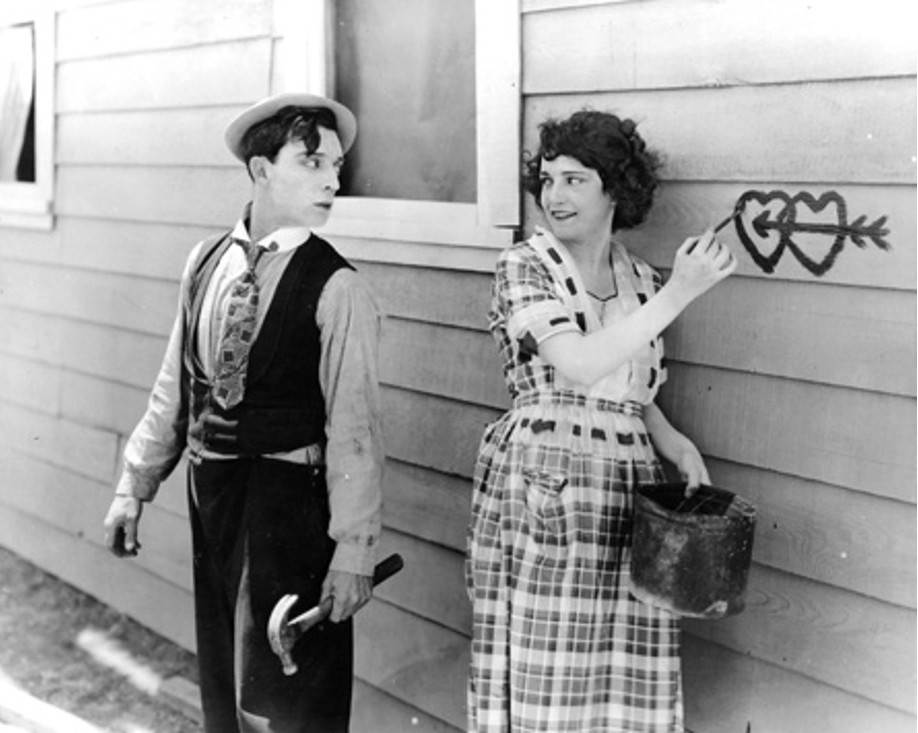
For this week’s Flash Back Friday, we’re rewinding to the roaring 1920s — straight into the chaotic, charming, and wildly inventive world of Sybil Seely and Buster Keaton in their iconic silent short “One Week” (1920).
Sybil Seely steps into Keaton’s beautiful chaos
Before movie dialogue did all the talking, One Week let timing, charm, and one wildly unstable house turn silent cinema into pure motion-picture magic.
Sybil Seely, the bright‑eyed comedic talent who lit up the silent era, stars opposite Keaton in a whirlwind newlywed adventure involving a DIY house kit, a jealous ex‑lover, and a series of escalating construction disasters that only Keaton could choreograph with such deadpan brilliance.
The film is a perfect snapshot of early Hollywood ingenuity — physical comedy, practical effects, and visual gags that still land with surprising sharpness today. Seely’s timing, charm, and expressive face make her the ideal partner to Keaton’s stone‑faced chaos, grounding the film with warmth and wit.
More than a century later, One Week remains a masterclass in silent‑era storytelling — a reminder of how much could be said without a single spoken word.
INYIM DID YOU KNOW?
- The film entered the National Film Registry. In 2008, One Week was selected for preservation as a culturally significant American film.
- The house was real. Keaton and the crew actually built the crooked, collapsing home used in the film — no miniatures, no tricks.
- The rotating house gag was groundbreaking. The famous spinning‑house sequence was achieved with a massive turntable rig, considered cutting‑edge for 1920.
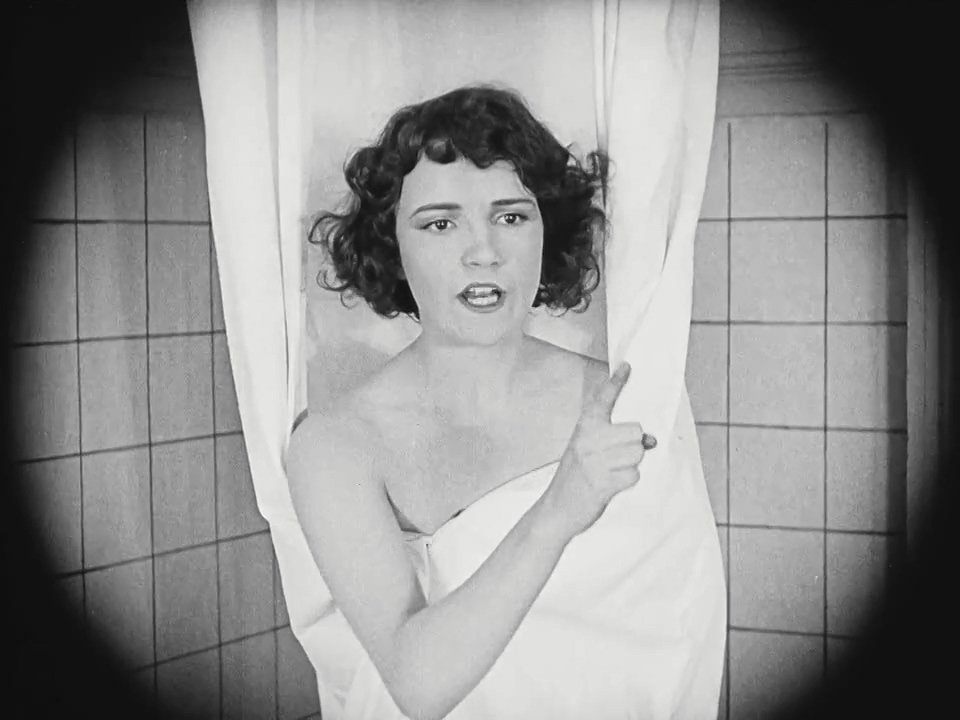
- Sybil Seely’s bathtub scene was censored… by a cat. Keaton added a cat walking across the camera to “protect modesty,” a cheeky workaround for early Hollywood decency rules.
- The film was shot in just 18 days. Keaton’s team worked at lightning speed, building and destroying sets in real time.
- It was Keaton’s first independent release. One Week marked the beginning of his creative control era — the period many consider his artistic peak.
- The train crash was 100% real. No effects, no dummies — Keaton used an actual locomotive to demolish the house in the finale.