














Trevor Noah Gets Candid About Fame, Family and Growing Up Under Apartheid
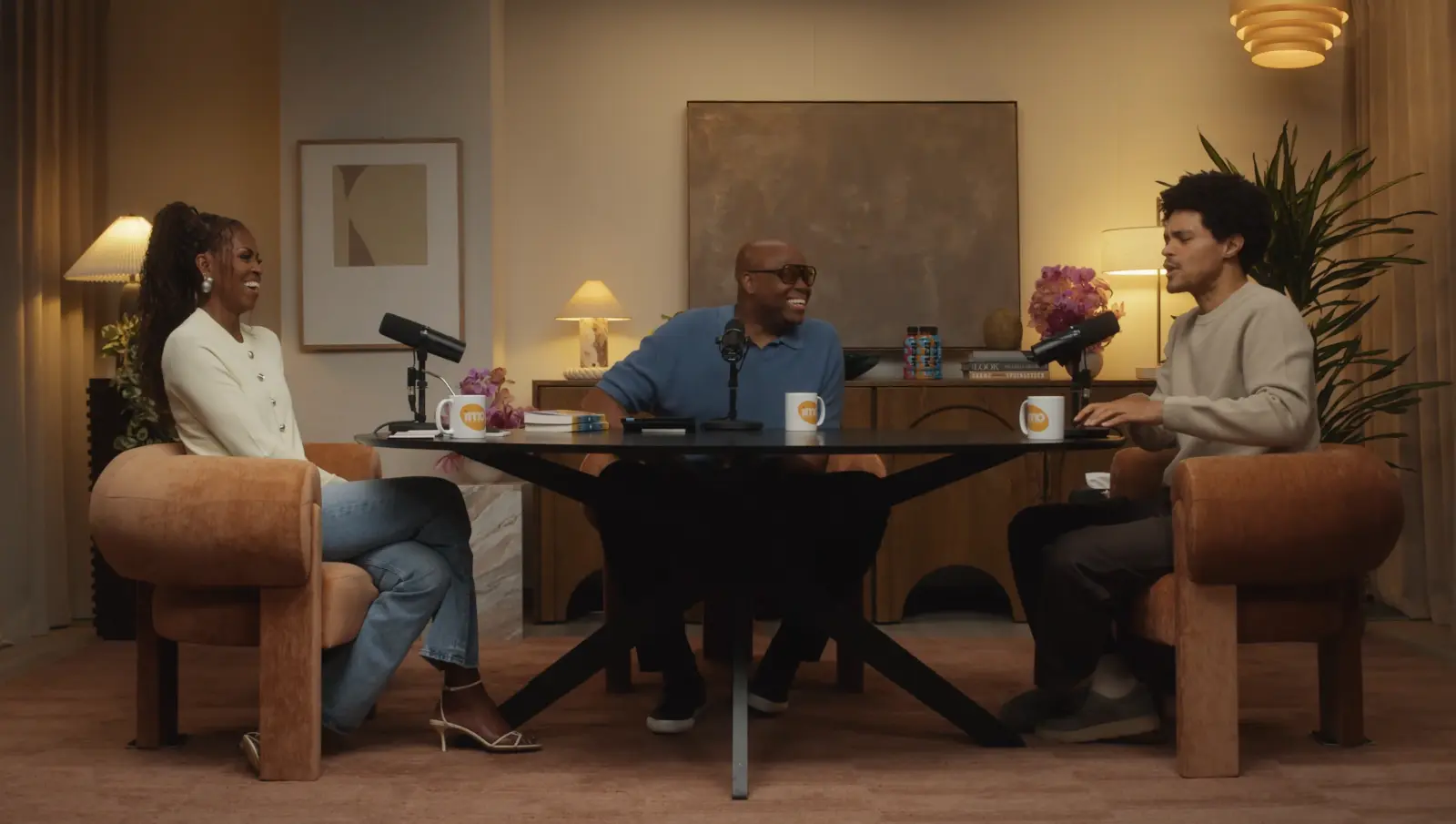
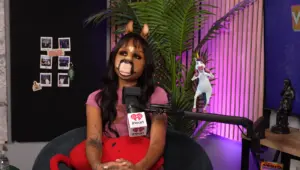
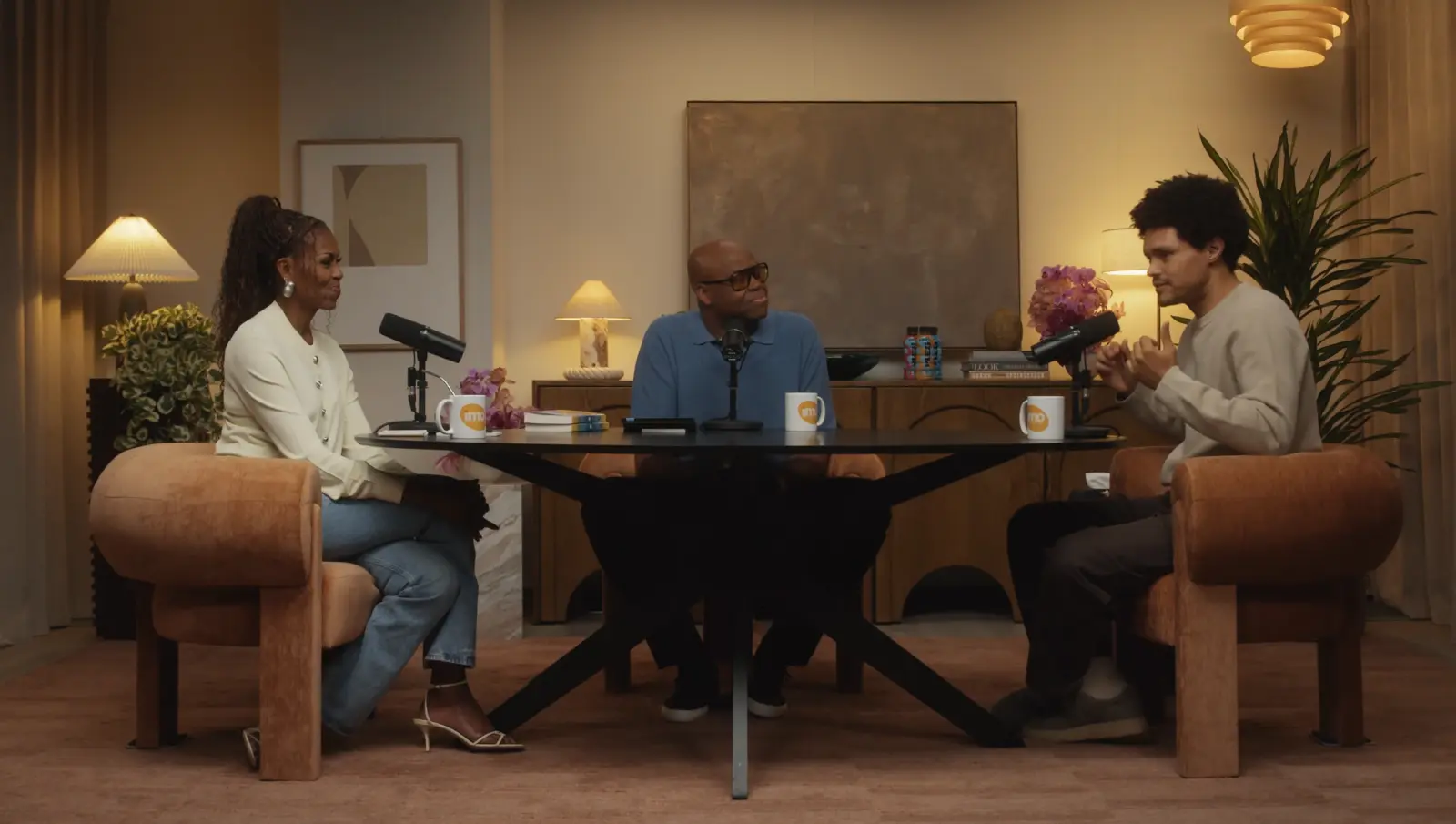
Trevor Noah visits Michelle Obama and Craig Robinson‘s stellar podcast IMO for a conversation that is as hilarious as it is unexpectedly revealing. The comedian, author and former Daily Show host is revisiting the South African childhood that inspired his 2016 bestselling memoir, Born a Crime, now celebrating its tenth anniversary. But the most fascinating moments are not simply the stories readers already know.
From the unlikely place his mother now turns for gardening advice to a surprisingly awkward encounter with a psychiatric questionnaire, Noah opens up about what growing older, becoming famous and finally understanding your parents can do to a person. And, yes, there are some seriously funny family tales in between.
Discover More
Trevor Noah: Beyond the Memoir
Explore the official source and related picks curated around this story.
Some links may be affiliate links. INYIM may earn from qualifying purchases.
His Mother Went From Rejecting AI to Using It in the Garden
At around the 23-minute mark, Noah shares a beautifully ordinary revelation about his extraordinary mother, Patricia. When he first introduced her to AI tools, she wanted nothing to do with them. Now, he says, she uses AI to help figure out why plants in her garden are struggling. Her change of heart came with a frank admission: part of her resistance was having to accept that her own son could teach her something new.
There is an even more tender role reversal. The Sunday outings Patricia once arranged for young Trevor are now outings he arranges for her. Watching her walk through a garden prompted him to reflect on how parents and their adult children can continue to grow, repair old wounds and meet one another in the middle. That generational shift may be one of the most affecting exchanges in the entire episode.
The Childhood Chore Disputes That Became Formal Letters
Noah also recalls arguments about household chores becoming so tangled in competing versions of what was said that he and his mother began putting instructions in writing. When he disagreed, he would send her wonderfully formal letters, sometimes beginning like a miniature legal complaint. It is classic Trevor: a childhood showdown turned into a comic exercise in precision.
Yet his point about the letters is surprisingly useful. Written words stripped away the facial expressions, defensive gestures and tones of voice that could send an ordinary disagreement spiraling. It is a small domestic story with a much bigger idea tucked inside: sometimes the best way to be heard is to stop arguing face-to-face for a moment.
How Fame Complicated an ADHD Evaluation
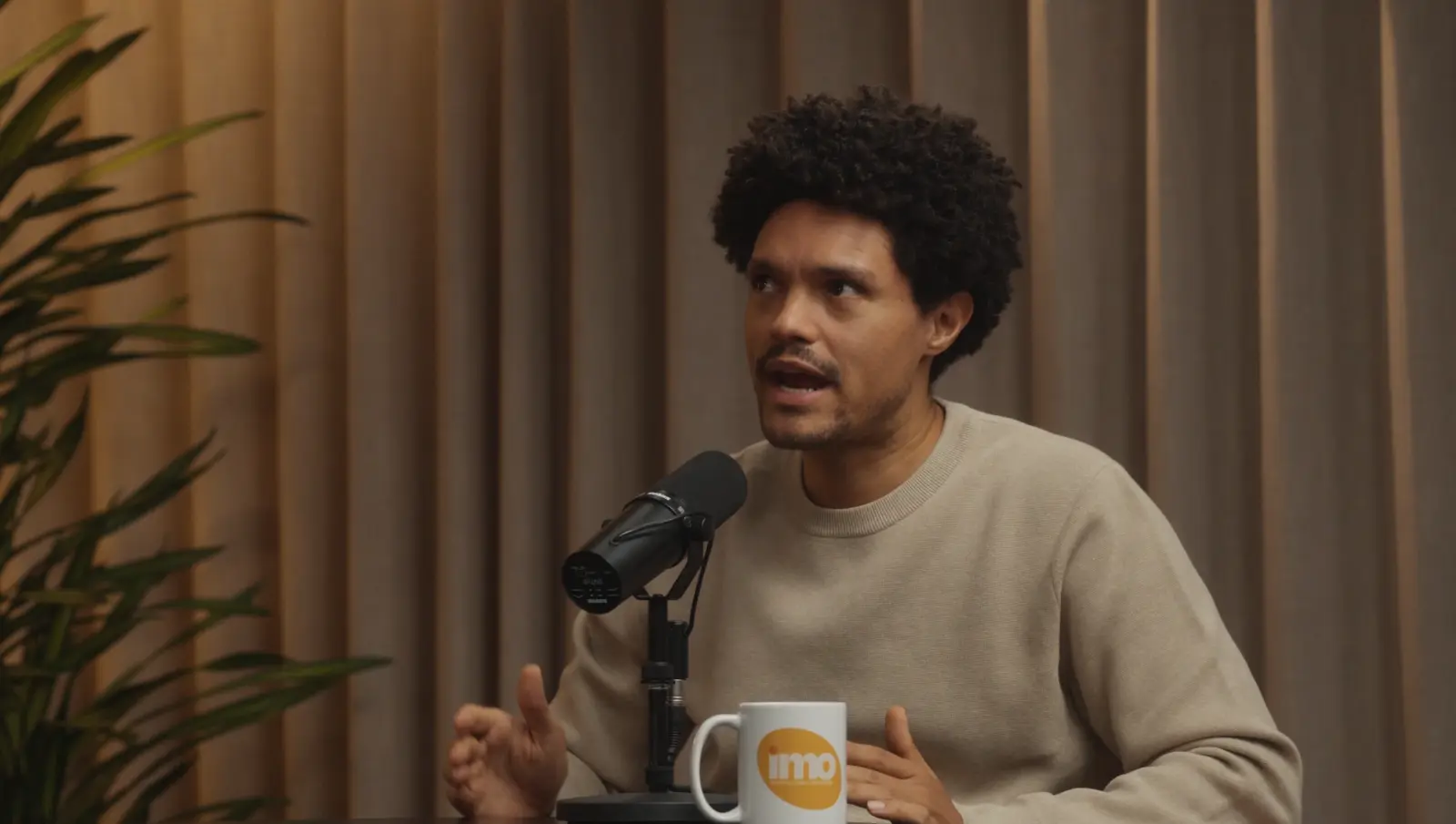
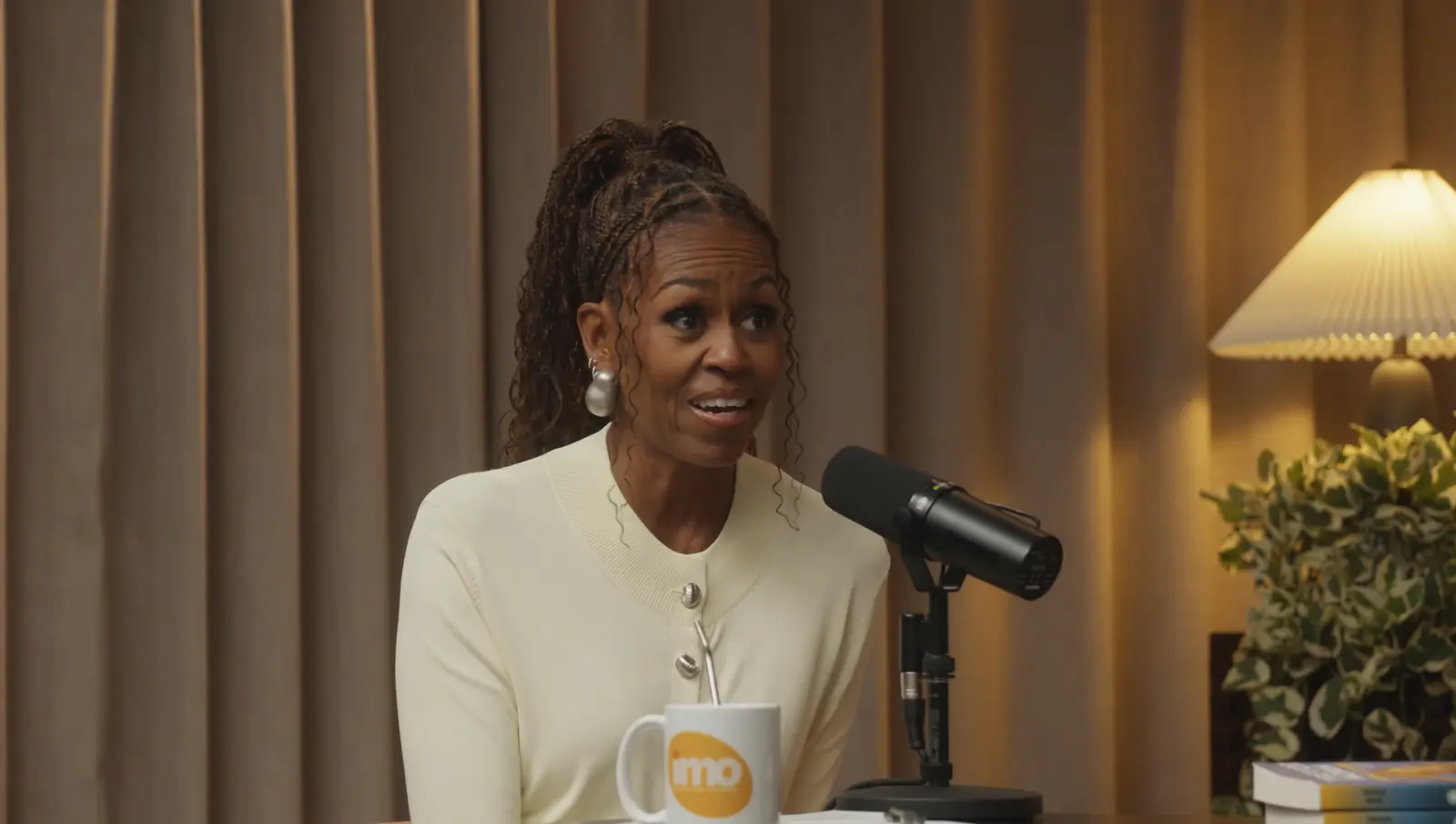
One of the most unusual exchanges arrives when Noah discusses seeking a professional ADHD assessment as an adult. He says he deliberately pursued a psychiatric evaluation rather than relying on online self-diagnosis. During the assessment, he encountered questions about whether people stared at him, whispered around him or discussed him after he left a room. From his perspective as a celebrity, he had good reason to answer yes.
The punchline arrived when he learned the questions were intended to screen for other psychiatric symptoms. Noah explains that, for someone in the public eye, being recognized, watched and discussed can be a literal part of ordinary life. It becomes a revealing observation about how celebrity distorts experiences that a questionnaire might otherwise take for granted—not a diagnosis of anything beyond the ADHD evaluation he described.
He also offers a personal theory about why creatives, comedians and certain athletes might appear disproportionately represented in conversations around ADHD: some professions reward an unusual mixture of intense focus and sensitivity to everything happening at once. He presents that as his own hypothesis, not a settled scientific finding.
The Lonely Side of Making People Laugh
There is a less glamorous side to becoming a working comic, too. Noah remembers cheap, exhausting travel between unfamiliar cities, sleeping in a different bed night after night and spending precious little time building a community. When audiences finally see the polished comedian onstage, they do not necessarily see the lonely person navigating the journey between shows.
His account of success is not a complaint about fame; it is a reminder that the freedom to move around anonymously can disappear as a career grows. That is why his parting advice to himself is to keep close friendships alive rather than letting isolation take over. Near the end, he makes a distinction between being on the road and staging a formal tour: he wants to keep discovering new cultures, developing comedy as he travels and perhaps even document that creative process on YouTube. As he puts it, “I don’t have an entourage, I have friends.”
A Fresh Look at Born a Crime and the Meaning of Hope
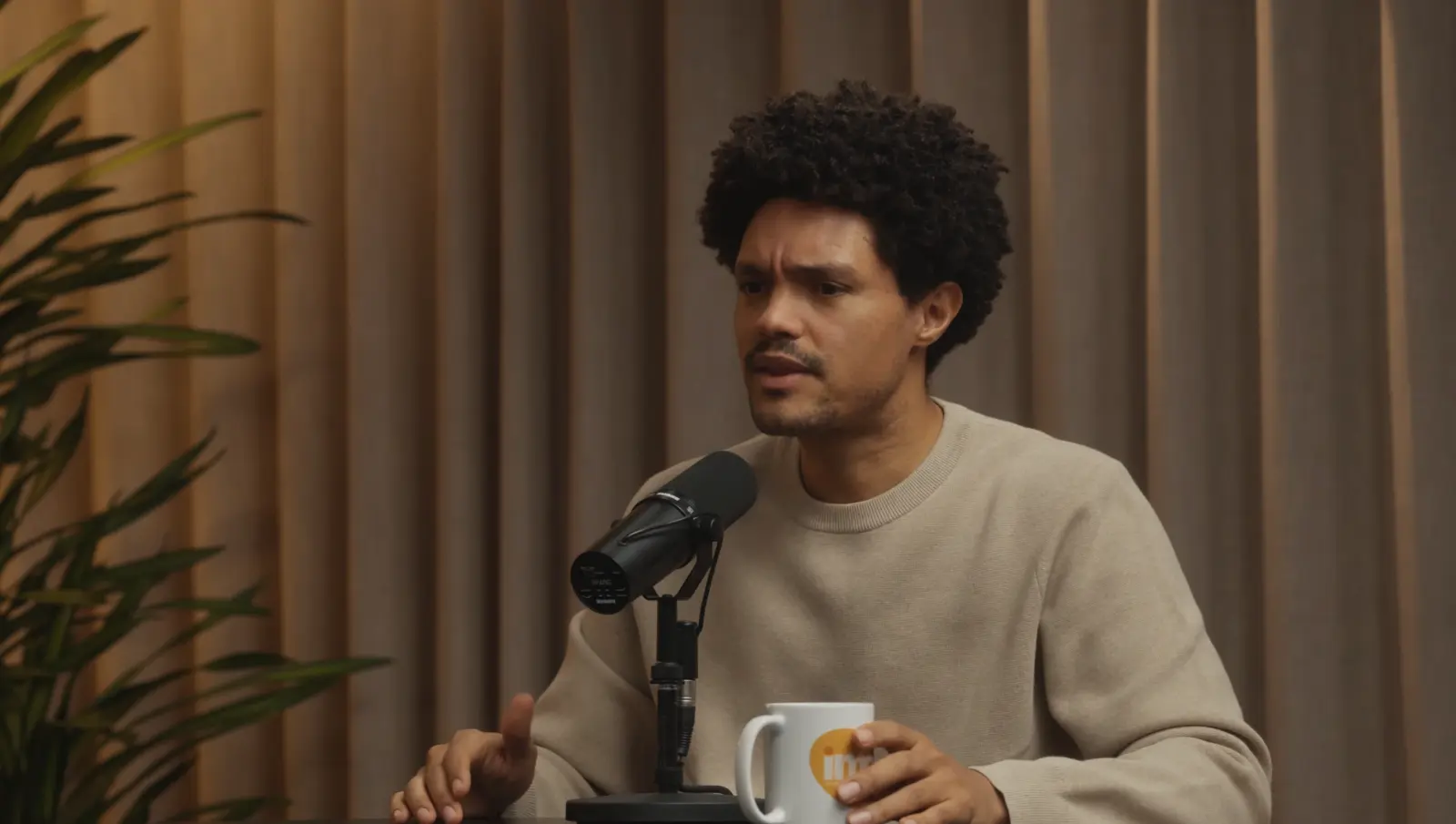
The interview never loses sight of apartheid South Africa. Noah explains how the system classified people by race and made his parents’ relationship illegal: his mother was a Black South African woman, while his father was a white Swiss man. Their son’s very existence challenged the rules of the country in which he was born. His stories carry plenty of humor, but they also expose how extraordinary cruelty can be built into supposedly ordinary law.
In discussing hope with Michelle and Craig, he moves beyond easy optimism. Greater access to information, he argues, can make a world that has improved in certain ways feel relentlessly worse because people now encounter so much suffering at once. His answer is not to pretend things are fine: it is to keep historical perspective and find a manageable part of a problem that can actually be changed. Not bad for a conversation that also finds time for mischievous childhood stories and a few spirited disagreements.
The ten-year anniversary of Born a Crime becomes something richer here: a look at the ways Trevor Noah and his mother have continued to change since the memoir first appeared. We love when a familiar celebrity interview manages to reveal something new, and this one has both thee laughs and the substance.
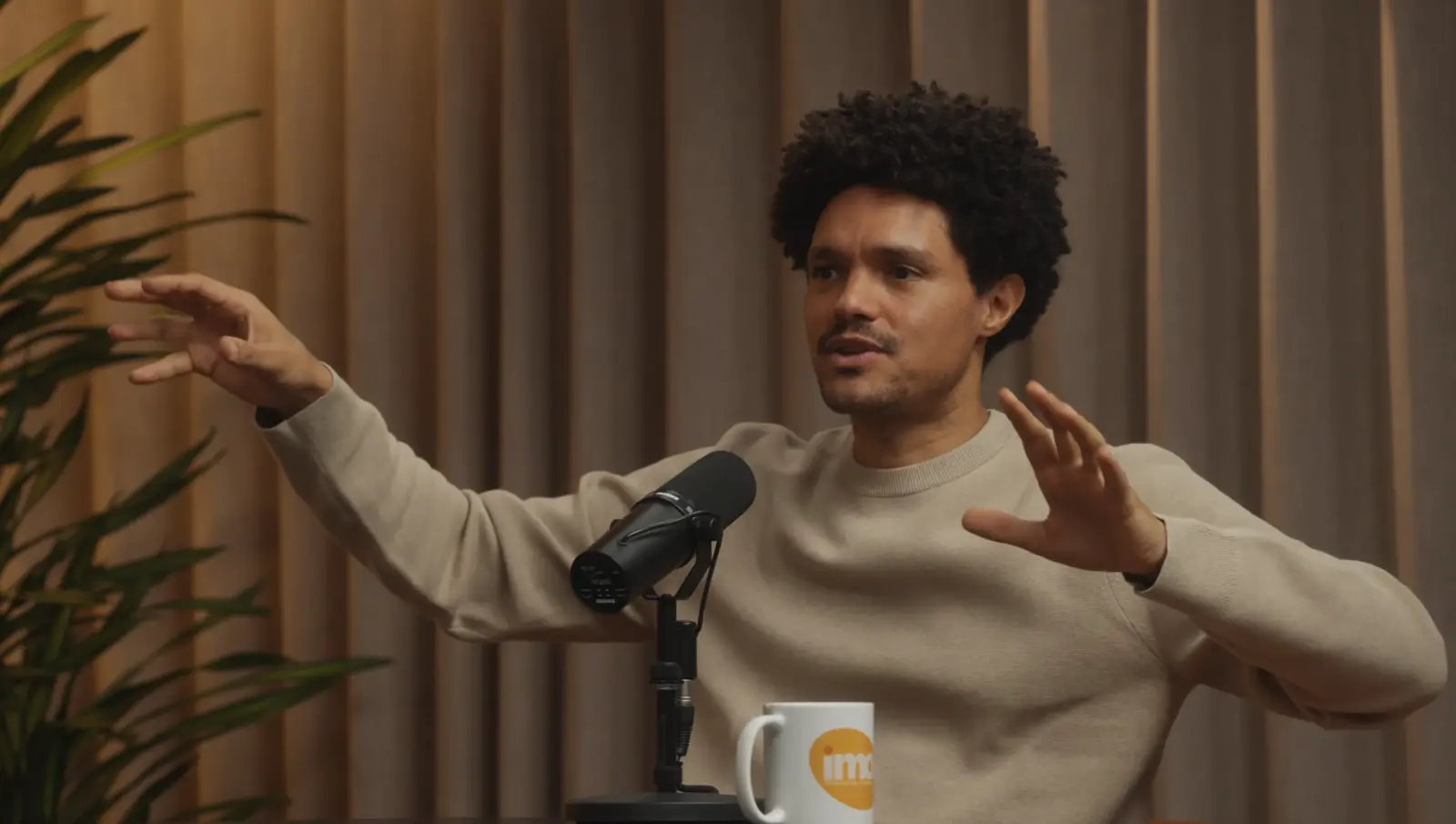
Trevor Noah on IMO — “Define Your Own Reality” Full Podcast Conversation
Sources: IMO with Michelle Obama and Craig Robinson (Higher Ground); IMO video conversation with Trevor Noah.