


















Truman Capote Knew the Best Writing Had to Hit Heart and Mind
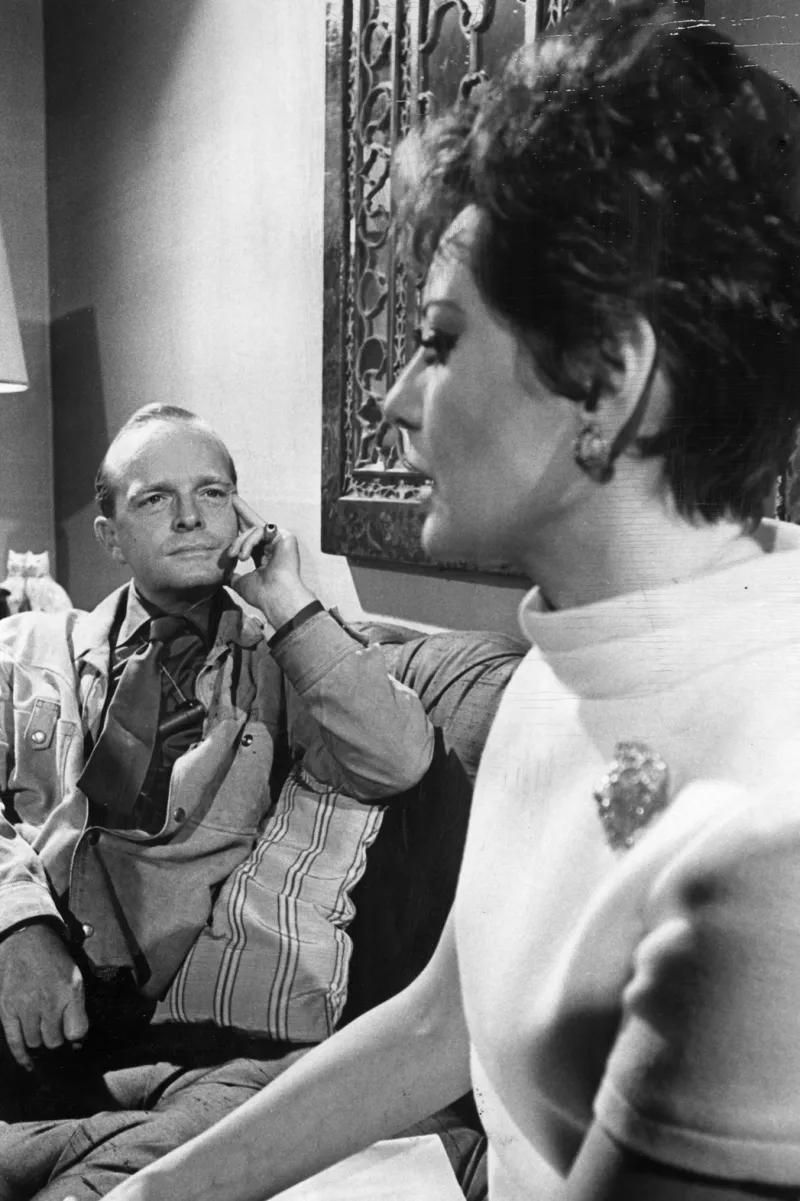
Monday Muse: legendary writer Truman Capote spilling such accuracy on the magic and emotion of thee art-making of journalism and poesim.
Interviewed by Barbara Walters for NBC’s Today in 1967, Capote was already several years into reshaping the idea of what reportage could do. In Cold Blood had arrived in book form the year before, after first appearing in The New Yorker, and Capote was still arguing for a form of nonfiction that could carry the immediacy of film, the factual force of journalism and the emotional depth of literature.
Discover More
Monday Muse: Truman Capote
Capote’s great obsession was making reportage feel as emotionally and artistically alive as fiction — without surrendering the discipline of fact.
Some links may be affiliate links. INYIM may earn from qualifying purchases.
That distinction mattered to him. Capote repeatedly described wanting journalism to do more than simply report surfaces — he wanted it to land with emotional and intellectual impact at the same time. In one mid-1960s interview about his method, he argued that reportage could be every bit as effective as fiction when it came to hitting both heart and mind.
And that is the part that still feels so precise now: facts alone do not automatically make a story memorable. The real magic comes from structure, rhythm, observation, restraint and knowing exactly when emotion belongs on the page — and when it needs to be exhausted before the writing can become clear.
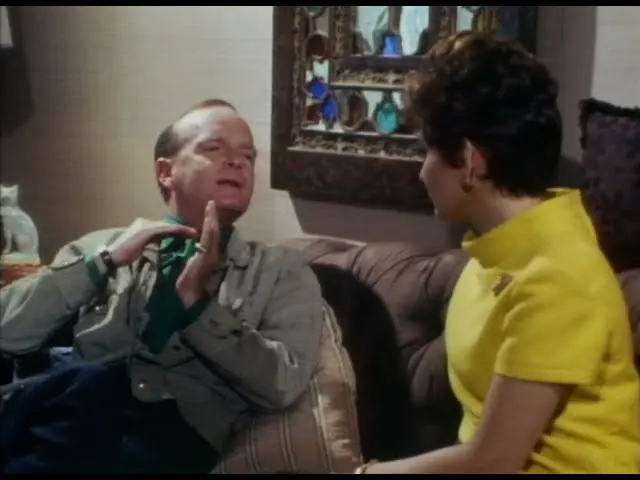
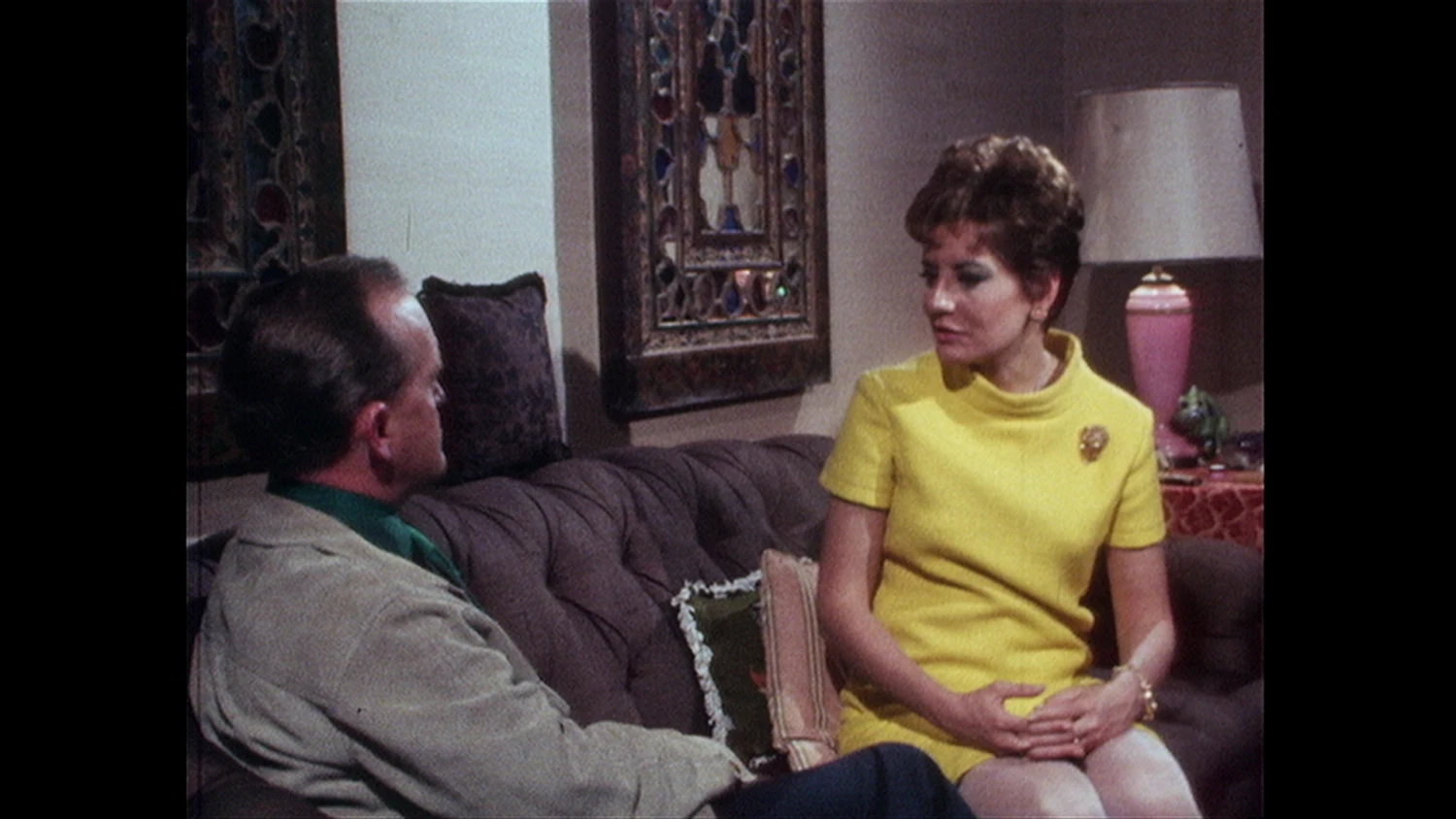
Walters’ interview came at an especially revealing point in Capote’s career. He was not just promoting a famous book; he was articulating the theory behind the work — the belief that nonfiction could borrow the techniques of the novel without giving up its responsibility to reality.
That balance is still the challenge. Journalism needs accuracy. Art needs feeling. Capote’s point was that the strongest work never had to choose between the two.
Watch Truman Capote Discuss Writing, Journalism and Emotion in 1967
INYIM revisits Capote’s 1967 conversation with Barbara Walters, when he was speaking with remarkable clarity about reportage, literary technique and the emotional charge behind the work.

Don’t have TikTok? Watch on Instagram.
Sources: NBC’s Today; Television Academy Interviews; The New Yorker; Los Angeles Times.