



















Thirty Years Later, Tidal Still Moves Like An Undertow

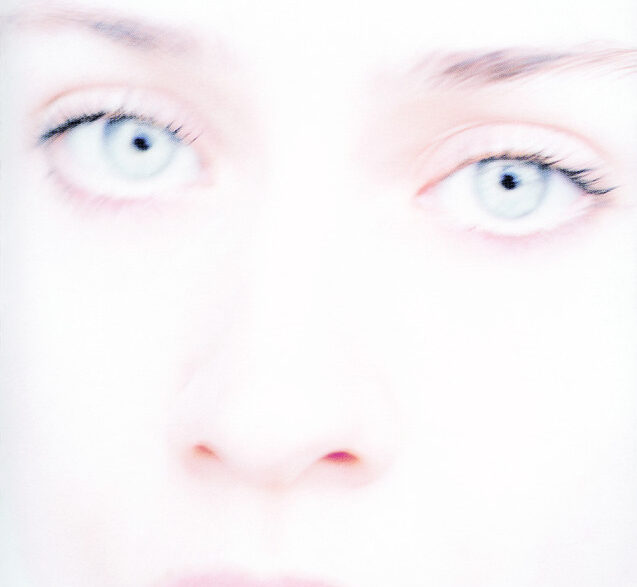
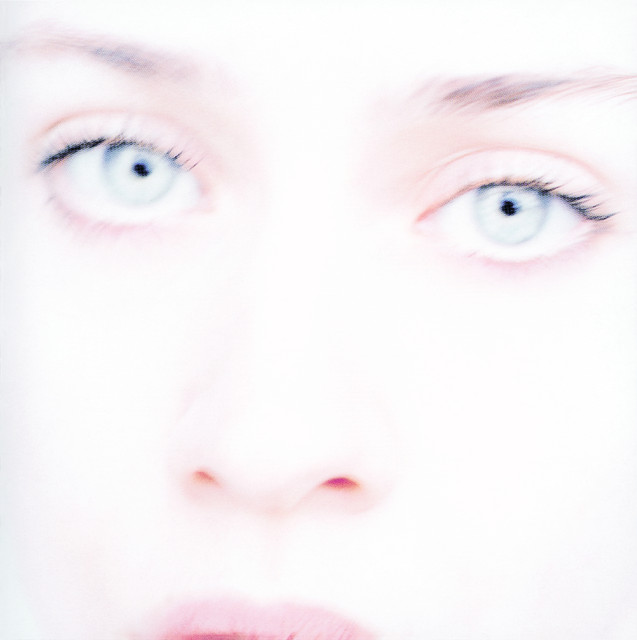
Zephyring 30 years, Fiona Apple’s landmark debut album Tidal still moves with the force of something newly released. The record arrived on July 23, 1996, introducing a songwriter whose voice, piano and emotional precision immediately sounded unlike anything else crowding alternative radio.
For those of us who met the album while our little tween music hearts were still forming, Tidal did more than provide a soundtrack. It showed that anger could be elegant, vulnerability could carry teeth and a young woman did not have to translate herself into something more comfortable for the room.
TIDAL AT 30
Fiona Apple’s Debut Still Pulls Us Under
Visit Sony Music’s official Tidal page, then revisit the album that introduced Fiona Apple’s fearless songwriting to the world.
Some links may be affiliate links. INYIM may earn from qualifying purchases.
An Eighteen-Year-Old Songwriter Arrived Fully Formed
Apple was just 18 when Tidal introduced her fiercely vulnerable, poetic and piano-driven writing. Released by The WORK Group and now held within the Epic Records catalog, the album paired her songs with arrangements that drew from jazz, chamber pop, alternative rock and the tension of a voice refusing to remain polite.
The opening run alone established the range. “Sleep to Dream” arrived with authority. “Sullen Girl” turned inward without losing its power. “Shadowboxer” made emotional conflict feel physical, as though every piano chord were circling an argument that refused to end.
Then came “Criminal,” the song that pushed Fiona Apple into the wider pop conversation. Its slinking rhythm, bruised confession and unmistakable vocal performance made it a breakthrough hit without sanding away any of the discomfort that made her compelling.
Tidal Made Vulnerability Sound Like Defiance
Much of the album’s lasting force comes from the way Apple refuses to separate fragility from strength. On “Never Is a Promise,” “The Child Is Gone” and “Pale September,” pain is not presented as a temporary obstacle waiting for a neat inspirational ending. It becomes material—something examined, shaped and played directly through the piano.
Her writing sounded older than her years because it did not underestimate the emotional intelligence of young listeners. Apple could be wounded, furious, seductive, suspicious and sharply self-aware inside the same song.
That complexity mattered in 1996, and it still matters now. The album gave listeners permission to feel contradictory things without arranging them into an easily marketable personality.

The Album’s Influence Never Needed A Loud Announcement
Tidal helped create space for generations of piano-led singer-songwriters who treated confession as craft rather than diary-page spectacle. Its influence can be heard whenever an artist chooses emotional specificity over a clean slogan or lets an arrangement remain strange enough to match the feeling inside it.
The album’s ten songs still feel remarkably self-contained. There is no unnecessary filler, no attempt to chase every 1996 trend and no hint that Apple was waiting for permission to become more difficult later.
She arrived difficult, brilliant and fully herself. Thirty years later, that remains the reason Tidal does not simply survive as a respected debut. It continues to find new listeners who hear their own private storms inside it.
Revisit Fiona Apple’s Tidal Era
Press play for a visual return to Fiona Apple’s breakthrough debut era and the songs that made Tidal a defining album of the 1990s.
INYIM Revisits The Album That Changed Our Tween Hearts
Our own anniversary reel remembers the moment Fiona Apple’s debut entered our world and permanently rearranged how vulnerability could sound.
Source: Sony Music and Fiona Apple’s official catalog. This INYIM anniversary feature includes our original social retrospective.