















Paul Anka Bought Back His Masters Before Artists Knew They Could
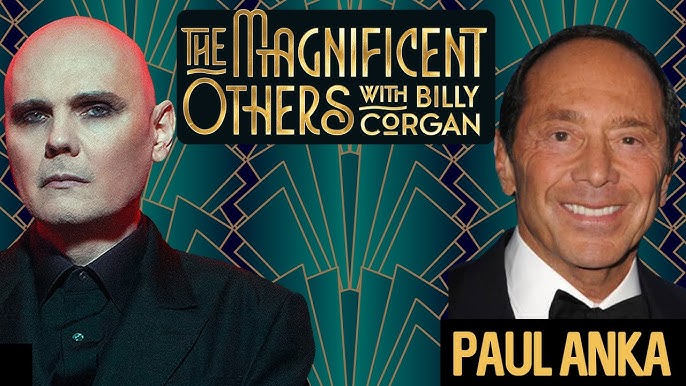
Paul Anka has enough stories to fill several lifetimes. He was a screaming-girls teen idol before that phrase had fully settled into popular culture, wrote songs that became standards and found himself moving through rooms occupied by Frank Sinatra, Sammy Davis Jr., Dean Martin, Elvis Presley, Ray Charles and the architects of modern show business.
But during his visit to The Magnificent Others with Billy Corgan, one revelation rose above even the celebrity lore: while still in his early twenties, Anka used his own money to buy back both his publishing and his master recordings.
That distinction matters. The masters are the original recordings; the publishing represents the underlying songs. Anka did not merely want his voice back. He wanted control of the writing, the recordings and the long-term value attached to both.
music
Paul Anka Knew The Catalog Was The Real Crown
Revisit the songs, memoirs and recordings behind one of pop music’s earliest teen idols—and one of its smartest catalog owners.
Some links may be affiliate links. INYIM may earn from qualifying purchases.
He Spent $300,000 To Buy Everything Back
Corgan arrived at the subject almost in disbelief, asking about Anka’s decision to reclaim his publishing around 1963. Anka immediately widened the correction: “I purchased everything back.”
At the time, Anka said he had roughly $250,000 to $300,000 in the bank. His label, ABC-Paramount, was losing faith as his youthful voice changed and executives questioned where his career could go next. Rather than wait for somebody else to decide his future, he put approximately $300,000 on the table and reclaimed the assets.
“I bought the publishing, the masters,” Anka told Corgan. “So I own all my masters and I own all my publishing.”
Today, artists publicly battle for their masters, rerecord catalogs and turn ownership into a central part of the conversation. Anka was making that move when the modern music industry was still being assembled around him. In his telling, artists simply were not doing it.
He had learned early that talent alone would not protect him. As a teenage performer traveling for roughly $200 a week, Anka watched promoters, managers, labels and distributors control the machinery. He partnered with promoter Irvin Feld, absorbed the business lessons around him and began thinking beyond the next hit.
That foresight did not stop with his own catalog. Anka recalled urging Ray Charles to do the same thing: “Own your masters. Own your masters.” According to Anka, Charles subsequently made a deal to gain control of his recordings.
Before Bieber Fever, There Was Paul Anka Mania
That hardheaded business instinct becomes even more remarkable when placed beside the chaos surrounding Anka’s youth. Corgan compared his teenage fame to Justin Bieber’s, describing archival footage in which dozens of girls cry and shake while meeting him.
Anka agreed that the level of idolatry existed in the same jet stream. He was still a kid when success overturned his life, suddenly giving him international travel, money, custom shirts, sharp suits and access to everything that once seemed beyond reach.
He credited his parents with keeping him grounded, particularly his mother, whom he lost when he was 18. Even while enjoying the hysteria, Anka said he remained afraid it could disappear if he became ungrateful or started believing too deeply in his own mythology.
He was also blunt about where he did indulge. Anka said the sexual freedom surrounding his fame became his primary form of excess as he toured the world at a remarkably young age. The confession arrives without much varnish—less a victory lap than an acknowledgment of what sudden fame placed in front of a teenager.
The larger point is that Anka was not simply a clean-cut singer standing behind a microphone. He was navigating a level of youthful celebrity now associated with social-media megastars, except there was no established playbook, no online feedback loop and very little protection for the young artists creating the culture.
Paul Anka In His Teen-Idol Prime
Before the catalog ownership and Rat Pack business lessons, Anka was living through the kind of global youth frenzy now associated with modern pop superstars.
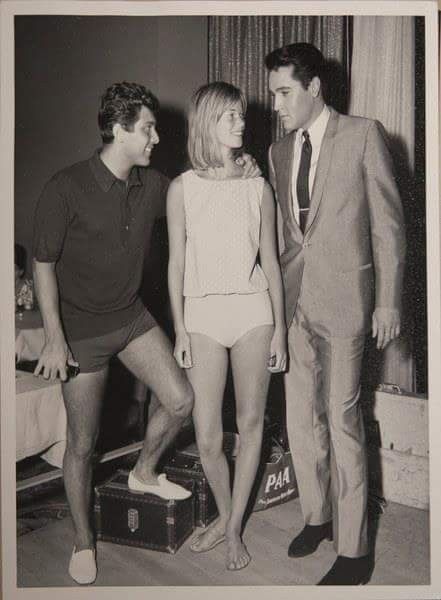
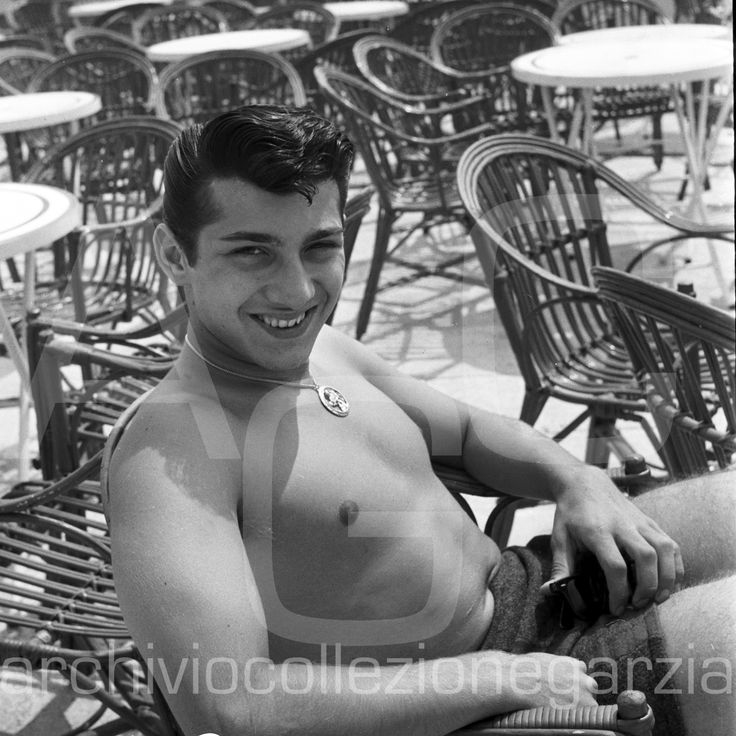
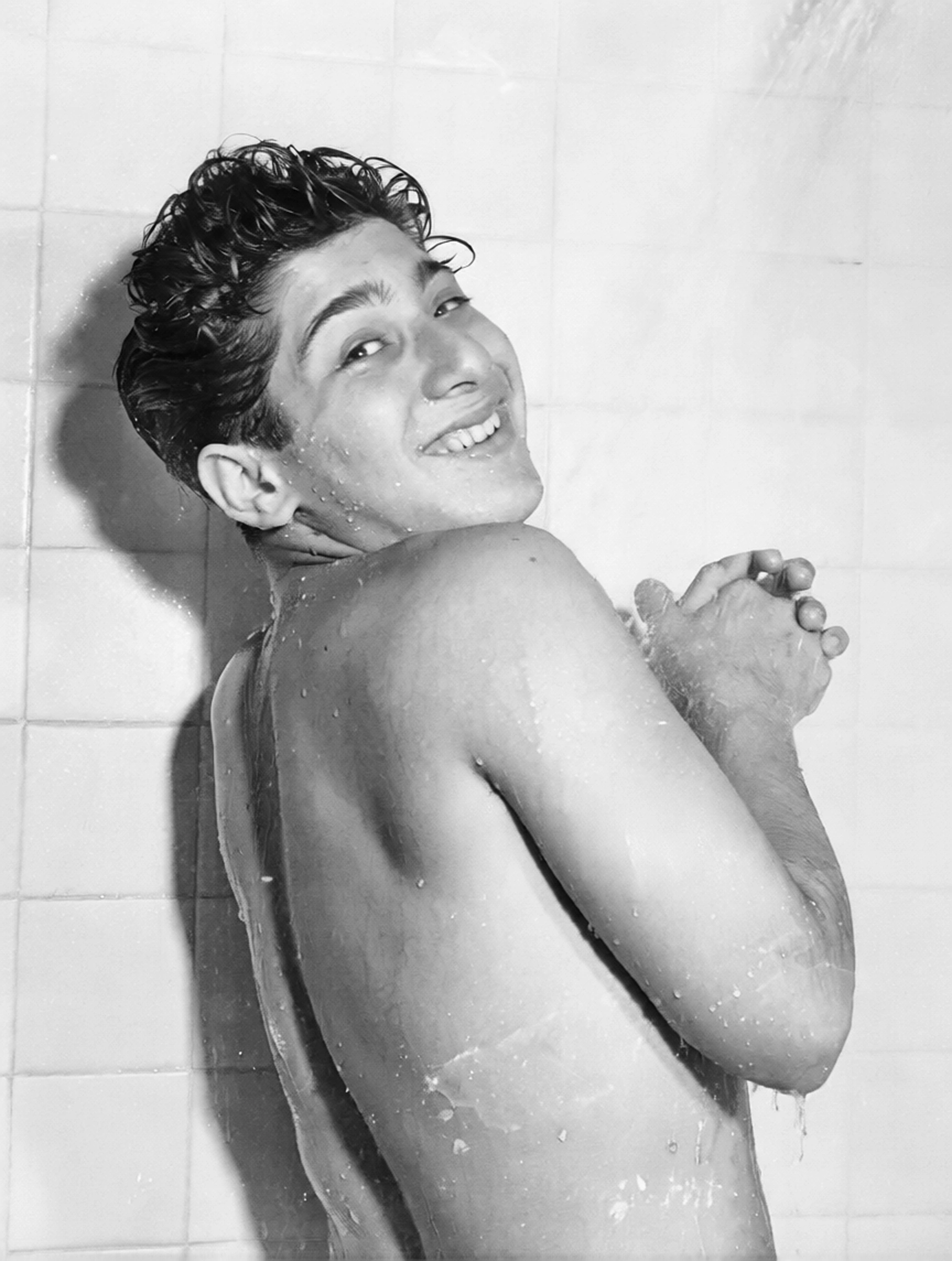
Paul Anka with Elvis Presley and during the height of his clean-cut teen-idol stardom. Archival images.
Then Came The Naked Steam Room With Sinatra
And then there is thee steam-room story.
While explaining his proximity to the old guard, Anka recalled being the young newcomer in a steam room with Sammy Davis Jr., Dean Martin and Frank Sinatra—all of them nude on slabs of marble while the conversation rolled on around him.
Anka was there listening, absorbing and, as he put it, “having trouble with eye contact.” One can own the room, own the masters and still encounter a professional situation for which absolutely no manager has prepared you.
The anecdote is funny, but it also captures the extraordinary bridge Anka crossed. He was young enough to inspire the same frenzy Corgan compared to Bieber, yet established enough to sit—clothed or otherwise—among Sinatra, Martin and Davis as they discussed an entertainment world they dominated.
Anka listened closely to those older power players, but he did not merely imitate their careers. He recognized that lasting power required more than access, celebrity or another hit single. It required songs, business knowledge and ownership.
The Teen Idol Who Refused To Become Disposable
That is the connective tissue running through the entire conversation. Anka knew the youthful voice would change. He knew hits could stop. He watched friends become one-hit wonders and understood that applause was not an asset unless something durable remained after it faded.
So he kept writing. He learned the business. He surrounded himself with people who knew more than he did. And when the company holding his work stopped believing in him, he bought the work back.
The naked steam room may be the story everyone repeats over dinner. The Bieber comparison explains the scale of his fame. But the master-ownership revelation is the part young artists should circle: Paul Anka understood unusually early that the person who owns the catalog can outlast the person on the poster.
Inside Paul Anka’s Conversation With Billy Corgan
The two songwriters move through ownership, longevity, celebrity and the hard-earned business lessons behind Anka’s extraordinary career.
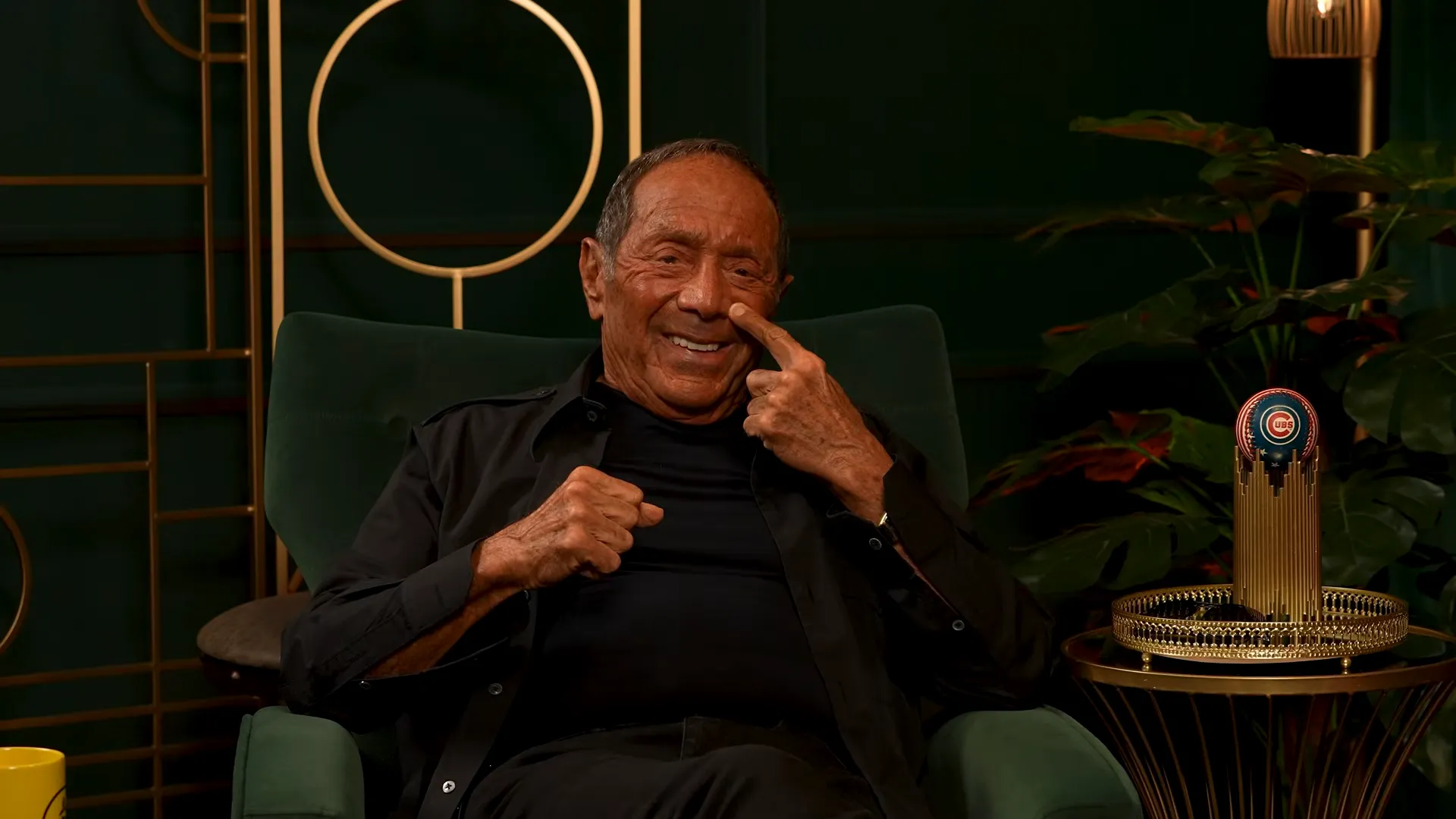
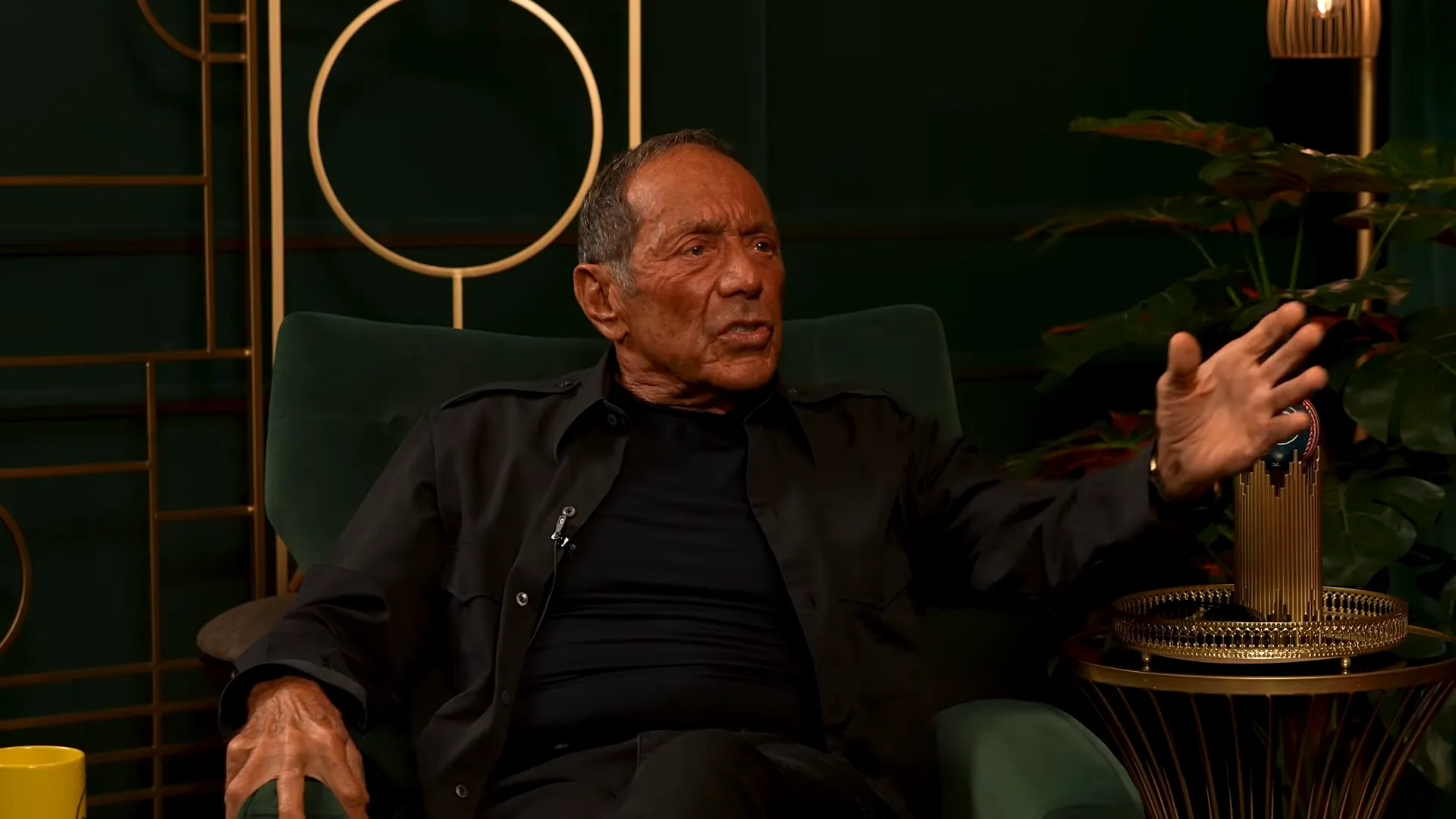
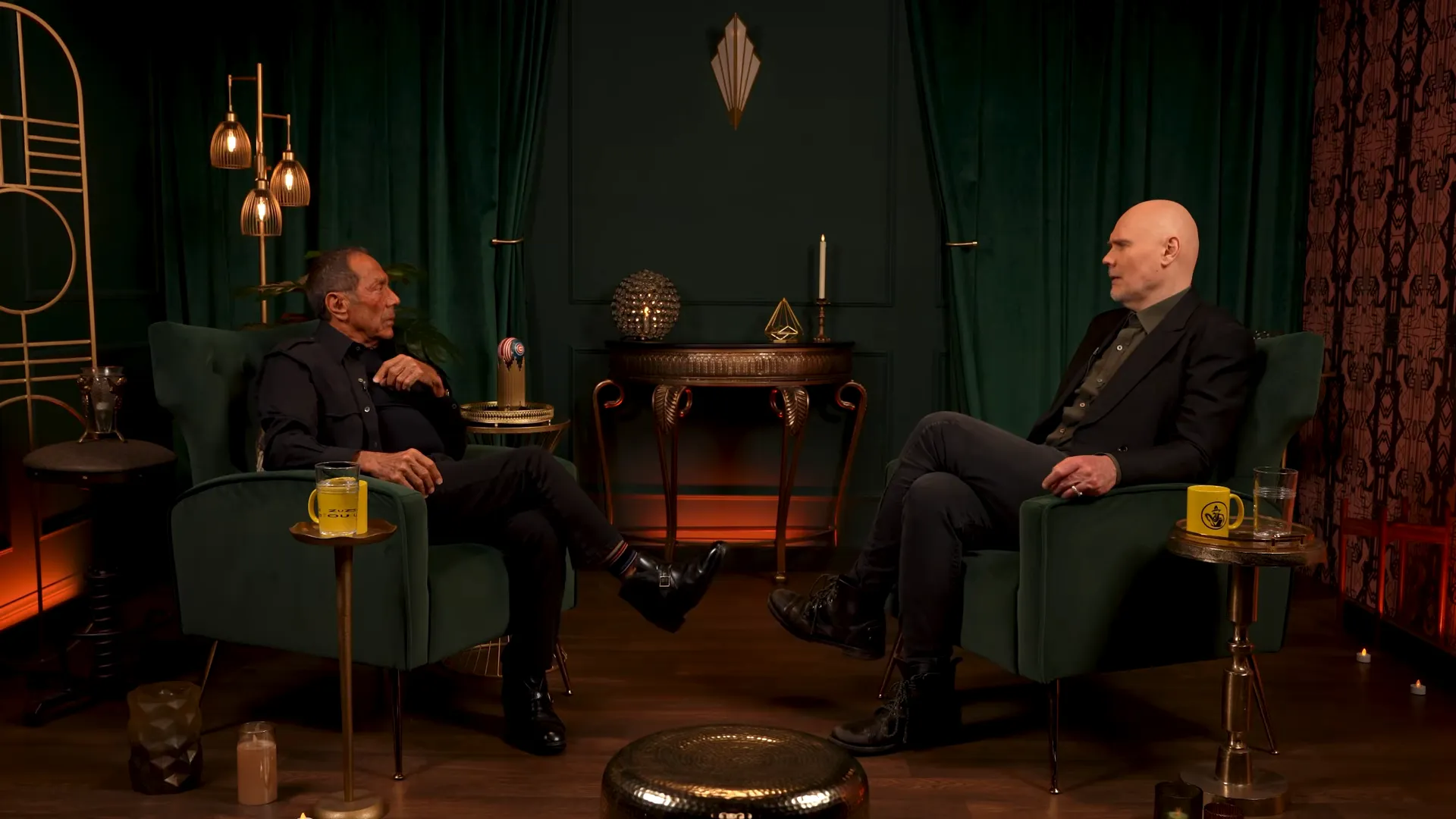
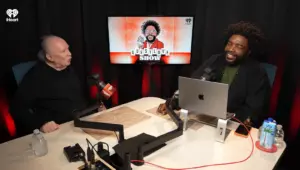
Paul Anka during his wide-ranging appearance on The Magnificent Others with Billy Corgan. Images via the podcast.
Watch Paul Anka’s Full Conversation With Billy Corgan
Anka revisits his teenage breakthrough, catalog ownership, encounters with Sinatra and Elvis, the craft of songwriting and the lessons that helped him survive more than seven decades in entertainment.
Source: The Magnificent Others with Billy Corgan.