











Jena Malone Built A Filmography Before Most Actors Find Their Voice
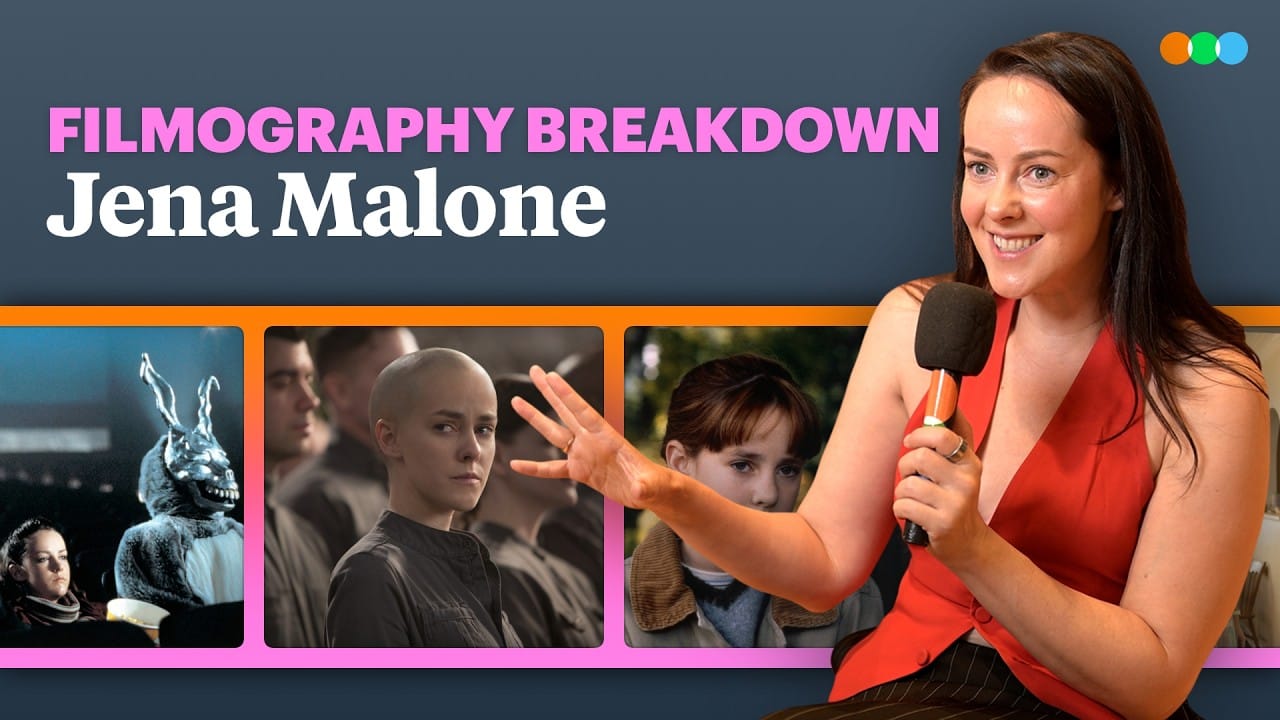
Jena Malone is one of thee great young Hollywood legends who never waited for the industry to decide what kind of actress she should become. She started working in the 1990s, moved easily between major studio films and challenging independent cinema, and somehow made every era of her career feel like it belonged to the same curious, fearless performer.
Now Malone sits down with Letterboxd to look back across that filmography—from the emotional weight of Stepmom and the cult electricity of Donnie Darko and Saved! to The Hunger Games: Catching Fire, Lovesong, Love Lies Bleeding and the many wonderfully difficult choices in between.
Discover More
A Jena Malone Movie Night Has Range
Her career can move from family drama to religious satire, time-bending cult cinema and dystopian rebellion without losing its nerve. Explore the complete filmography, then keep two essential favorites close.
Some links may be affiliate links. INYIM may earn from qualifying purchases.
Before any of those signature roles, Malone was already treating acting like serious craft. While playing the young Ellie Arroway in Contact, she faced one of her first technically demanding camera sequences: changing film speeds, a moving handheld frame and precise marks built around the famous mirror shot. Young Jena expected the finished moment to look like a giant action set piece. Instead, all that effort disappeared into something nearly effortless—and she remembers initially feeling disappointed that viewers could not see how hard it had been.
That moment now reads like a blueprint for her work: enormous concentration hiding inside a performance that never begs the audience to admire the machinery. Malone also credits Contact director Robert Zemeckis with shaping how she thinks about storytelling, while the film’s humane, nonviolent science fiction helped feed the “sci-fi folk” language of her own music decades later.
Her earliest projects also gave Malone a misleadingly hopeful introduction to women behind the camera. She worked with first-time female directors on Bastard Out of Carolina and Goldie Hawn’s Hope, leaving her young enough to assume women leading film sets was simply normal. It took years before she worked with another woman director. The industry corrected the illusion; Malone kept chasing the possibility.
For many of us, Malone arrived as Anna Harrison in 1998’s Stepmom, starring opposite Susan Sarandon, Julia Roberts and Ed Harris. Malone turned 13 during production, and says director Chris Columbus ran the enormous studio film with a kindness and structure that protected the people making it—including a firm 12-hour workday.
At an age when advice felt, in Malone’s words, like knives in the ear, the adults around her did not lecture. They led by example. She remembers watching Sarandon work with her shoulders relaxed and an ease that came from confidence rather than indifference. Malone now believes that set quietly built her “inner architecture”: how she behaves at work, how she treats people and how she wants a film set to feel.
Donnie Darko Gave Her A Romantic Role She Could Believe
By 16, Malone was being sent conventional girl-next-door and love-interest material that felt unrelated to her own experience of becoming a woman. Donnie Darko changed that. Gretchen Ross was technically a romantic role, but the connection was not built around looking or behaving like Hollywood’s approved teenage girl. It was about meeting somebody whose meaning becomes so charged that the bond turns romantic, sexual and potentially life-altering.
The soundtrack widened the experience. Director Richard Kelly gave cast members a burned CD of music he hoped to use, introducing Malone to sounds she had never encountered. She kept that disc inside a large CD binder in her car for years before eventually donating the collection to a thrift store. Somewhere in northeast Los Angeles, there may still be an original burned Donnie Darko soundtrack quietly sitting between somebody’s forgotten mixes.
Saved! Almost Involved Anne Hathaway And A Florida Briefcase
Then there is Saved!, the 2004 religious satire that has only grown more beloved. Malone recently watched it at Vidiots in Eagle Rock and found the audience treating it almost like The Rocky Horror Picture Show, anticipating lines and calling back to the screen. She also screened it for her 10-year-old son, who immediately decided it was cool. A film once considered sharp-edged provocation has become family viewing in the Malone household.
The version audiences know was not inevitable. Malone says Anne Hathaway was attached for a time to play Hilary Faye, while one early financing path involved producer Sandy Stern reportedly heading to Florida to collect a briefcase or envelope of money from people Malone describes as some kind of mob. That arrangement—mercifully—collapsed.
When the project returned and Mandy Moore began circling Hilary Faye, Malone briefly wanted that part for herself because the villain looked more interesting. Director Brian Dannelly insisted she had to play Mary, the film’s grounding force. He was right. Malone’s sincerity gave the satire a conscience, while Moore’s perfectly weaponized cheerfulness supplied the holy terror.
Three Early Roles That Built The Young Legend
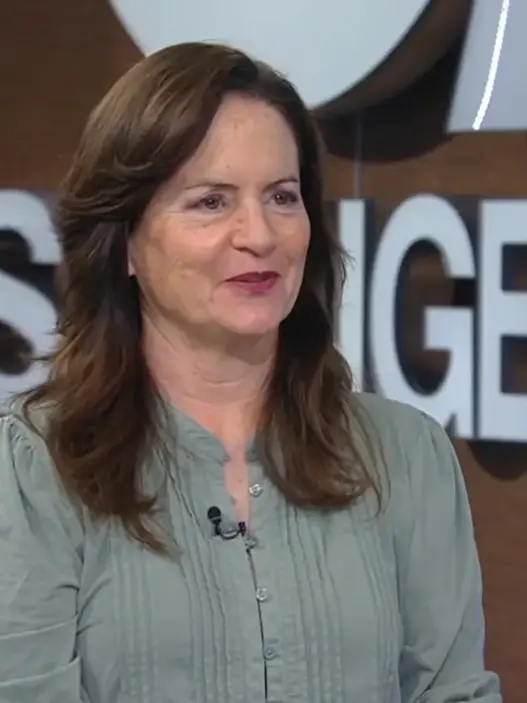
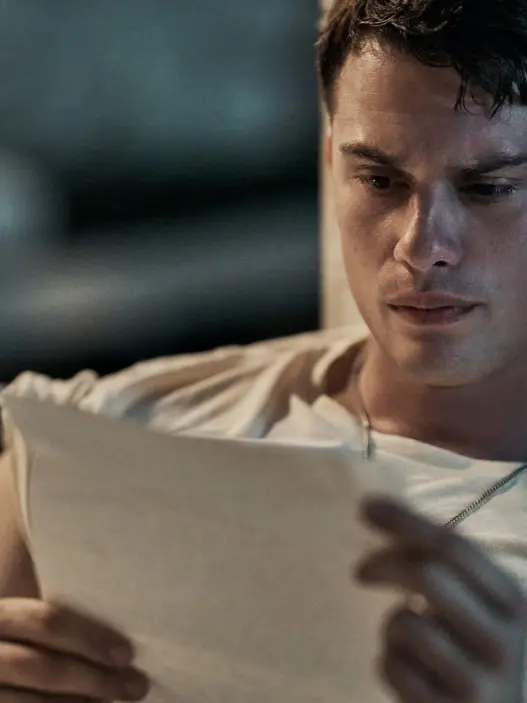
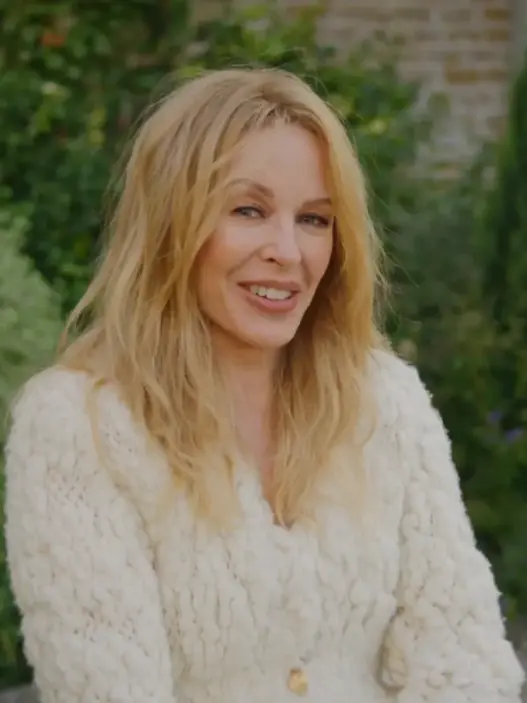
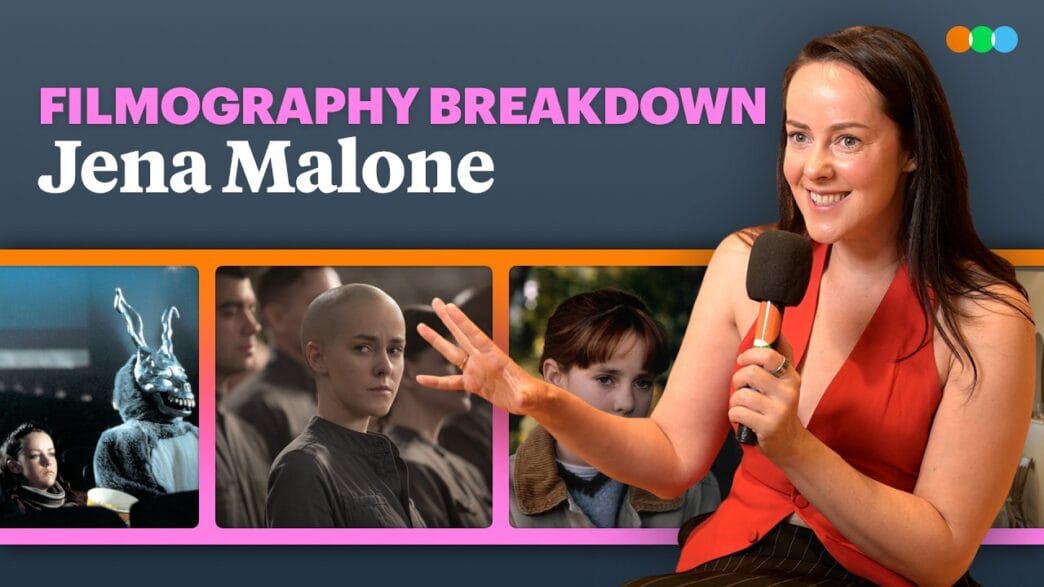
The added gallery captures Malone discussing the transition from child actor to young adult performer, including the lessons of Stepmom and the romantic possibilities she finally recognized in Donnie Darko.
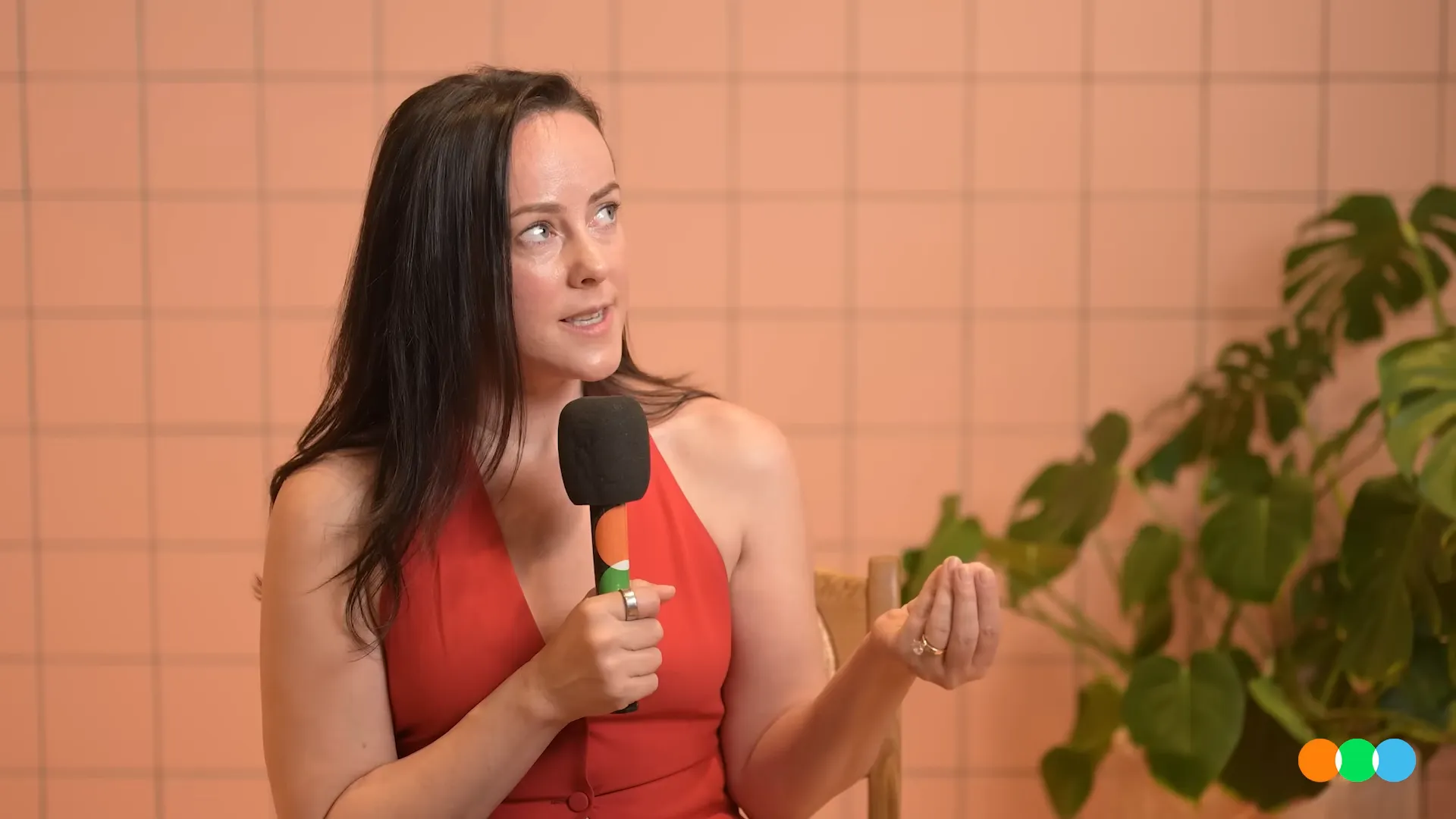
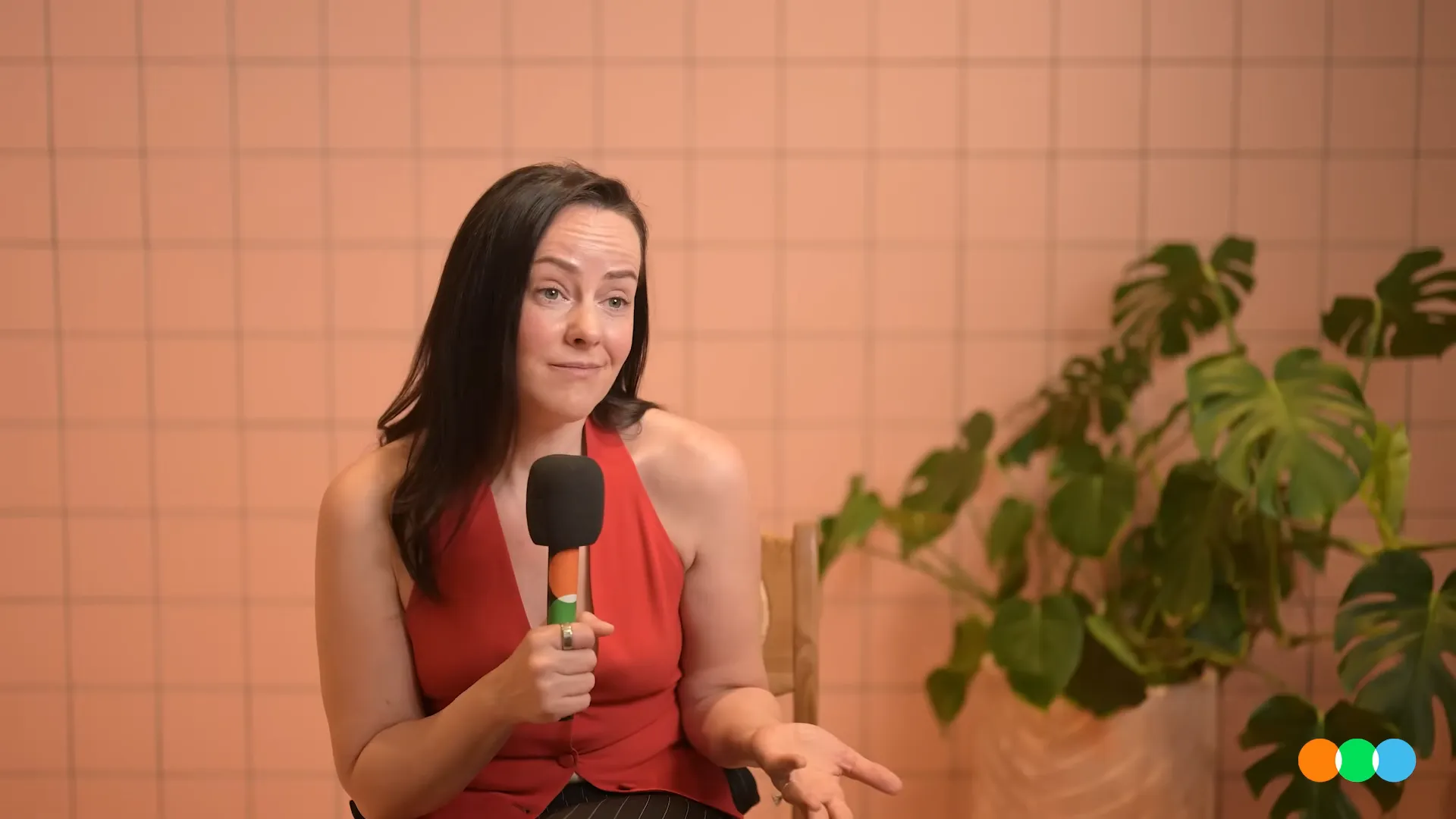
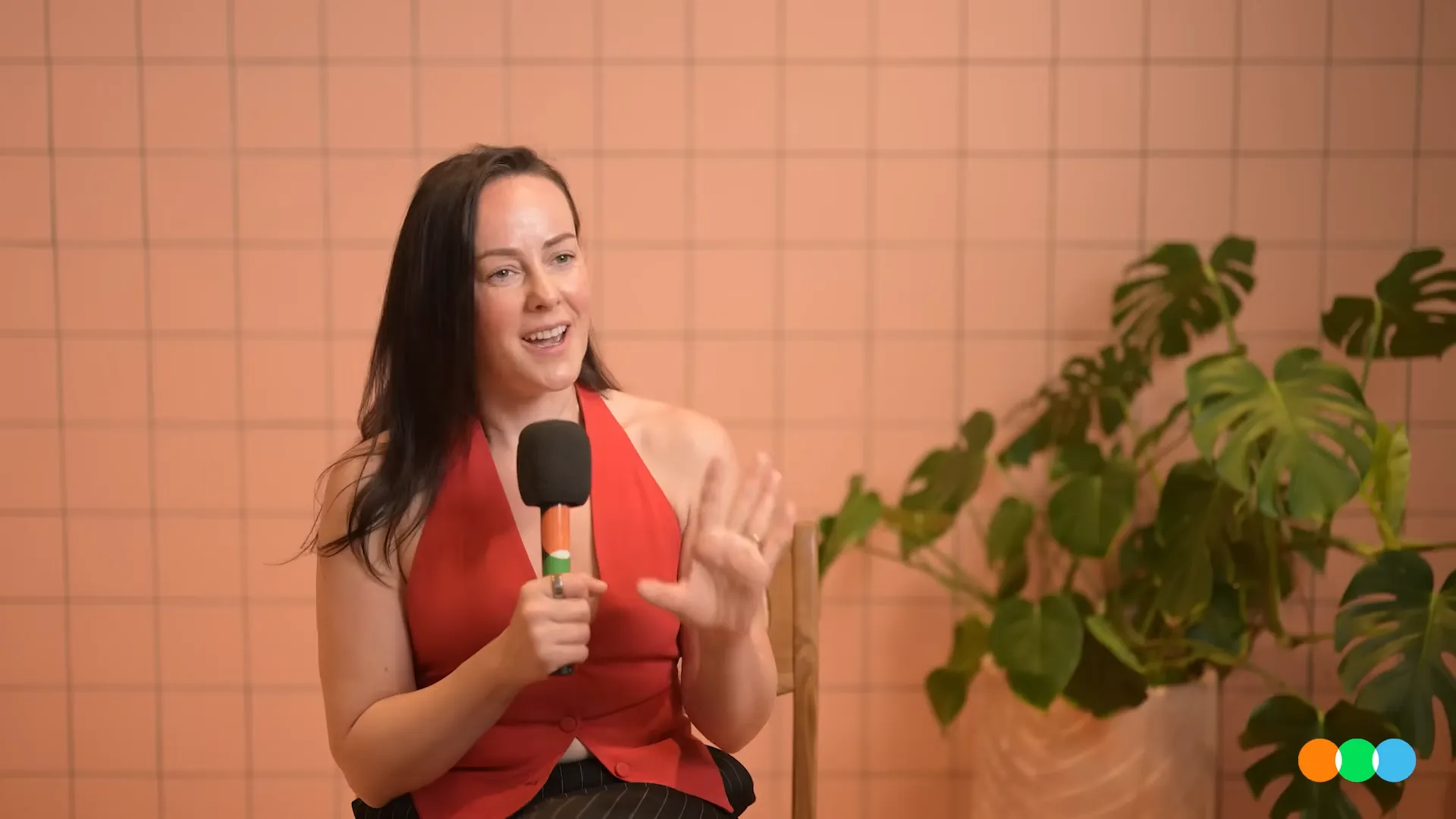
Video stills from Jena Malone’s official Letterboxd career retrospective.
Malone continued swerving away from any predictable lane. She joined Joe Wright’s Pride & Prejudice, wandered into the emotional wilderness of Into the Wild, faced body horror in The Ruins, entered Zack Snyder’s heightened fantasy world in Sucker Punch and kept choosing films where women were allowed to be unsettling, contradictory or impossible to reduce to one clean description.
Johanna Mason’s Elevator Scene Was Anything But Empowering
Malone nearly talked herself out of auditioning for Johanna Mason. She had read all of Suzanne Collins’ novels while recovering from wisdom-tooth surgery and called her sister to announce the plan. Her sister—speaking as a fan—said Malone was not right for the role and probably would not get it. That freed her. She spent the audition day deliberately letting everything irritate her, walked into the room radiating anger and barely greeted the famously kind Francis Lawrence before demanding they begin.
The risk worked, leading to one of The Hunger Games: Catching Fire’s most memorable introductions. But the elevator strip scene was not shot on a clean soundstage. Production used a real Marriott elevator and had only secured the lobby and one upper floor—not everything in between. The elevator malfunctioned, Jennifer Lawrence was dealing with food poisoning and the timing of the clothing removal repeatedly failed.
At one point, the doors opened on an unplanned floor while Malone was partially undressed and a hotel employee stood outside carrying Starbucks. Between the stuck clothes, limited camera angles, protective coverings and Malone waddling out with her trousers near her knees, nothing about filming the scene felt sexy. She is glad audiences enjoy it, but says it was intimidating rather than empowering.
That honesty adds something important to Johanna’s entrance. The finished scene looks effortless, predatory and perfectly controlled. Behind it was an actress solving a logistical disaster while protecting the character’s confidence. Once again, the work disappears so the moment can land.
Paul Thomas Anderson Made Three Days Feel Essential
Malone also discusses arriving for a small role in Inherent Vice feeling nervous and determined not to make a fuss. Paul Thomas Anderson refused to treat her contribution as disposable. In his world, she says, even an apple that nobody may notice receives the same attention as a leading actor’s close-up. The detail, trust and absurdity made three days of work feel like the most important scene in the film.
That experience connects to what Malone values in Lovesong. Director So Yong Kim brought her together with Riley Keough only a day before filming, working from an original script of roughly 30 pages that left space for silence, movement and experimentation. Malone describes silence as a “violent weapon” of education, empowerment and poetry—something cinema weakens every time it fills the air simply because it fears losing attention.
Her Latest Creative Obsession Is The Female Scumbag
That brings Malone to Love Lies Bleeding and filmmaker Rose Glass, whose willingness to take enormous swings gave Malone room to pursue one of her favorite underexplored archetypes: the female scumbag. Cinema spent much of the 1970s building its mythology around damaged, selfish, fascinating male antiheroes. Malone wants women to receive the same messy attention.
Her album Flowers for Men continues that investigation through music. Malone says the songs attempt to lift the masculine divine while simultaneously lifting the female toxic. It is a perfectly Jena Malone contradiction: not cleaning women up for approval, not flattening men into villains and not pretending personal growth needs to arrive in tasteful packaging.
We tried catching nearly every Jena Malone film because her name in the credits usually promised something worth following. From the daughter learning by observation on Stepmom to the believer questioning everything in Saved!, the doomed tenderness of Donnie Darko, Johanna Mason’s righteous fury and the quiet ache of Lovesong, Malone has never treated youth, womanhood or rebellion as one simple thing.
Young legend status: confirmed long ago. This interview simply lets Jena look back at the strange, difficult and occasionally mob-financed evidence.
Watch Jena Malone Revisit Her Career With Letterboxd
The full retrospective covers Contact, Stepmom, Donnie Darko, Saved!, The Hunger Games: Catching Fire, Inherent Vice, Lovesong, Love Lies Bleeding and Malone’s music.
Source: Official Letterboxd YouTube.