












A Little Animal‑Kingdom History for Your Daily Critter‑Creature Delight
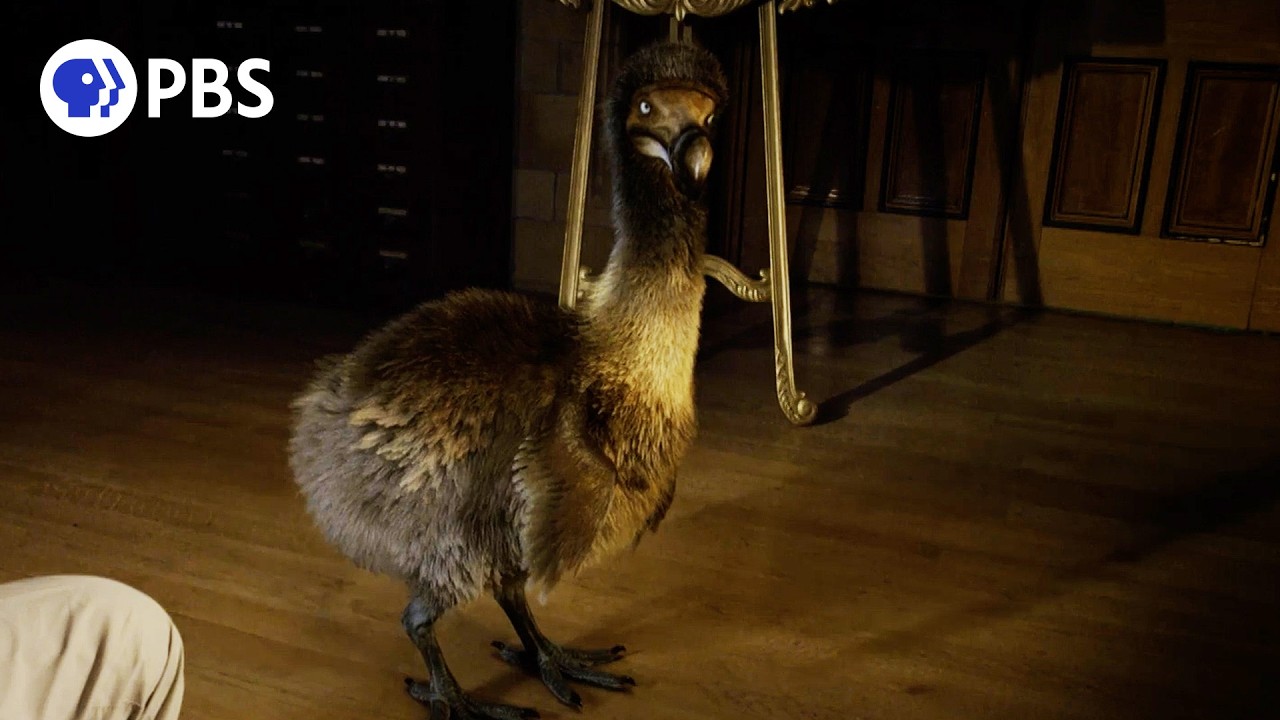
Here’s some animal kingdom history for your daily critter‑creature delight.
Since learning about the Dodo back in elementary school daze, we’ve always had a soft spot for it — it was the first animal driven to extinction by humans. We understand and empathize with that feeling. Being pillaged for living in truth and being ourselves on purpose. To those simply existing in a world that lives in contrived spaces and empty feelings.
The Dodo happened to be born different and extraordinary — beautiful, unique entities that kept to themselves, minding their own business, never intentionally hurting humans.
But did you ever wonder what the extinct Dodo Bird really actually looked like?
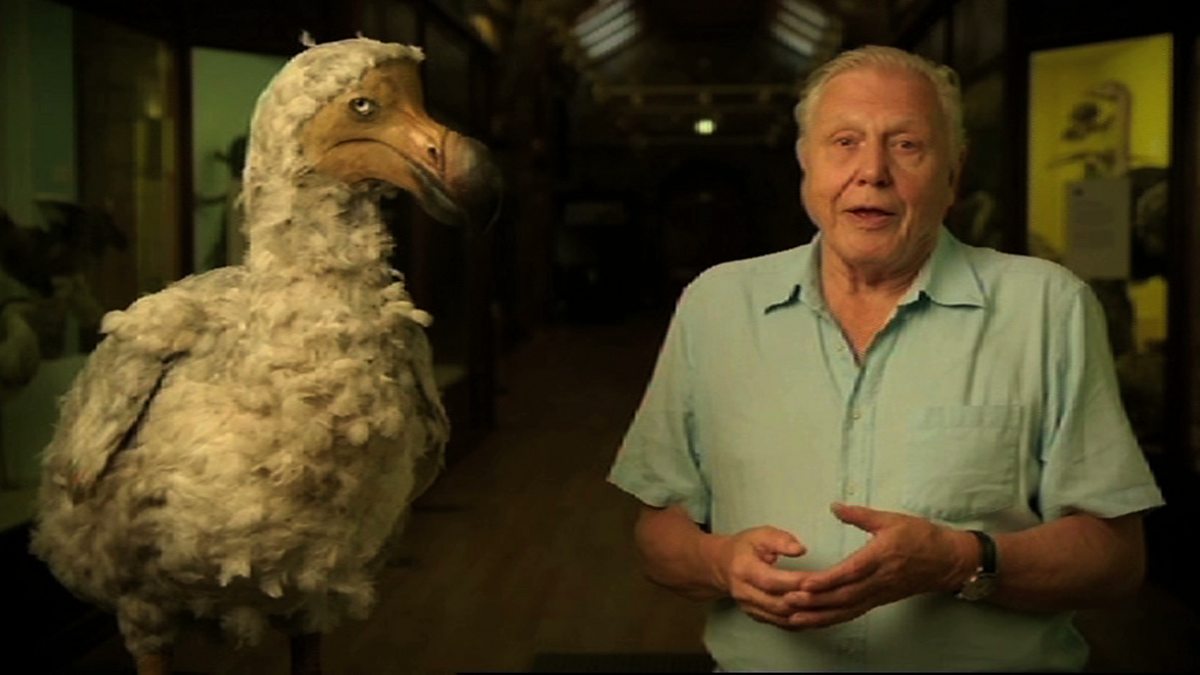
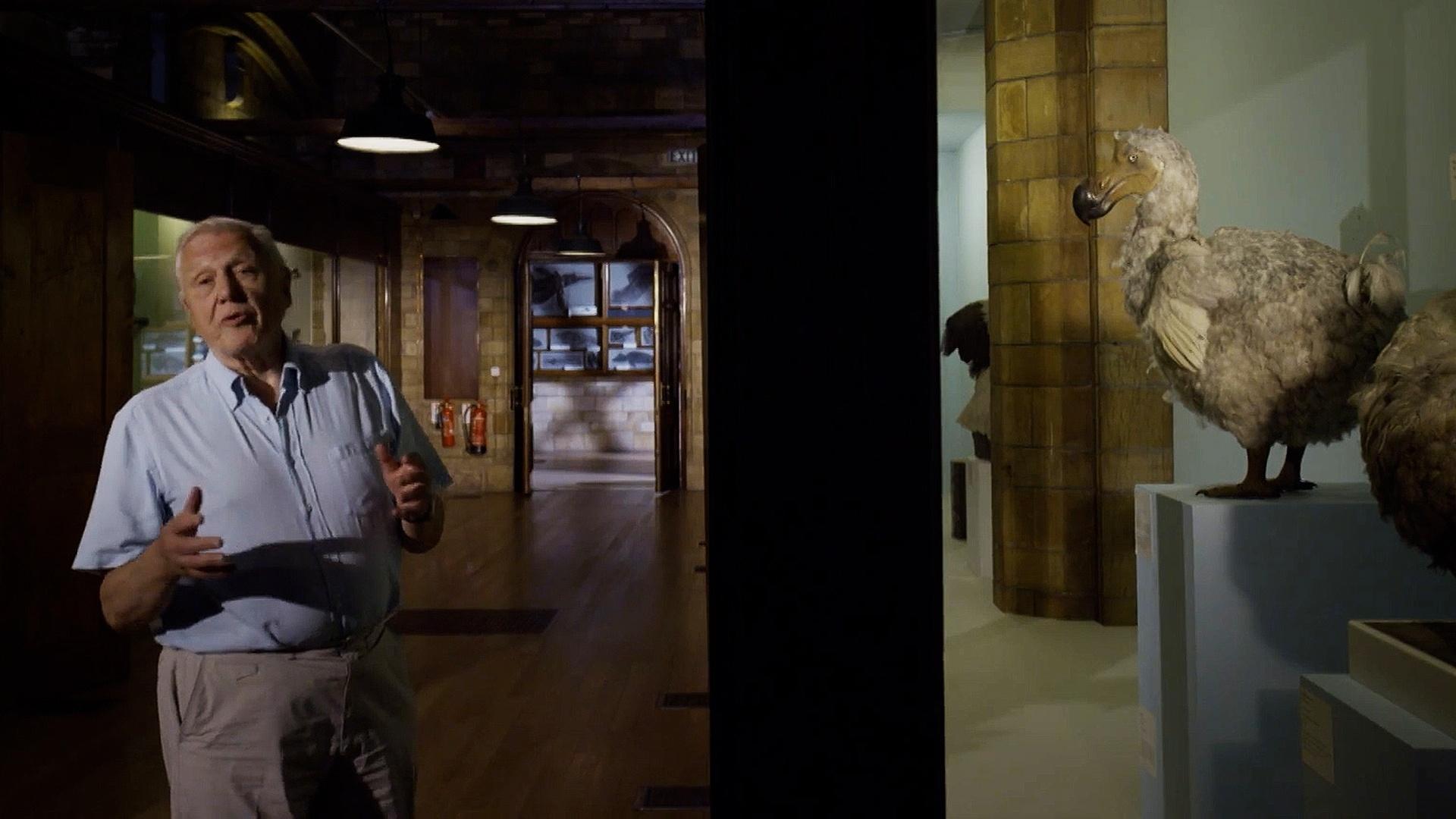
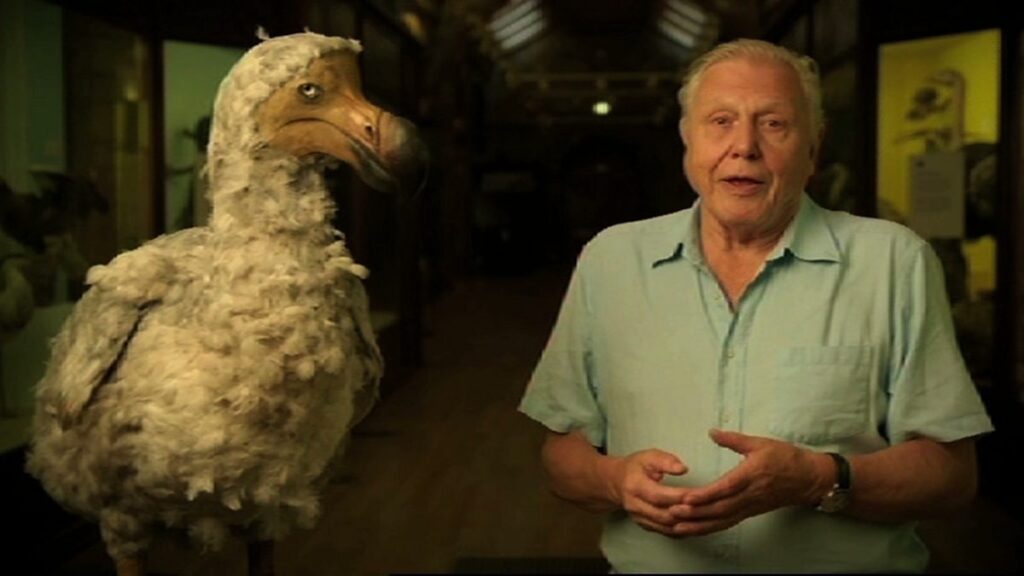
Sir David Attenborough steps in with a rare, deeply informed look — and immediately drops a truth bomb: that famous museum Dodo we’ve all seen? A fake. Its feathers came from a goose, its feet modeled on a turkey, and its beak likely plaster. No original skin or feathers survived, so early depictions were based on 17th‑century paintings by artists who never saw a living Dodo, relying only on sailors’ stories.
Attenborough admits he’s “often wondered whether dodos actually looked like that.” And now, with modern science and digital reconstruction, we finally get closer than ever.
He explains that the classic “dumpy” Dodo shape isn’t quite right. Studies of the bird’s skeleton — especially the way the thighs join the pelvis — show it actually stood much more upright. Its feathers were likely fluffier, and it was closely related to the pigeon, possibly even making a pigeon‑like call that inspired its name.
Attenborough even demonstrates how the Dodo may have fed: fruit was abundant on Mauritius, but its powerful beak suggests it could also crush shells and crustaceans for calcium. He notes the female’s presence may have influenced the male’s large beak — a little prehistoric show‑off moment during courtship.
All of this leads to the moment: Attenborough comes face‑to‑face with a digitally enhanced hologram of the Dodo — a super‑cool, science‑meets‑storytelling reveal that brings the bird back into view in a way we’ve never seen before.