















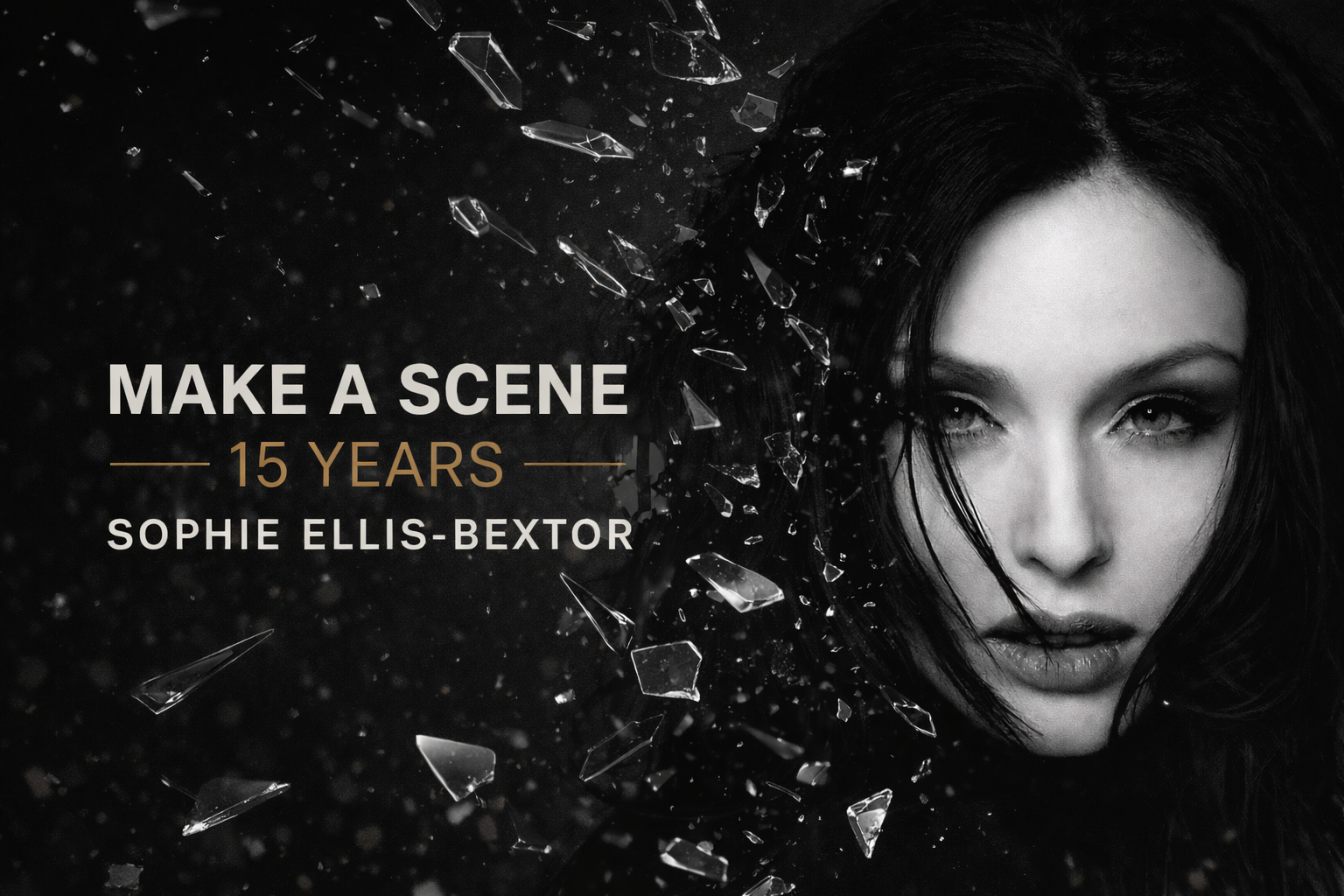
When Make a Scene arrived in 2011, Sophie Ellis-Bextor wasn’t chasing radio formats or American crossover appeal. Instead, she leaned fully into European club culture—building an album rooted in late-night spaces, DJ booths, and fashion-forward dance floors rather than daytime playlists. Fifteen years later, the record reads less like a side project and more like a deliberate statement that the U.S. market largely missed.
Make a Scene didn’t arrive quietly—it arrived sideways. After stepping away from the studio following Trip the Light Fantastic, Ellis-Bextor resurfaced with a project that ignored traditional rollout logic altogether. The album surfaced first in Russia in April 2011, then landed in the UK that June via her own EBGB’s imprint—a clear signal that she was steering the ship herself this time.
Listen: Sophie Ellis-Bextor — Make a Scene
If you’re hearing it again for the first time in years, press play and let the mood come back.
The U.S. didn’t get the record until later that summer, when Make a Scene finally arrived stateside in August 2011—long after the conversation it belonged to had already shifted. By then, American pop had moved toward louder, cleaner, more commercial versions of club music, leaving Ellis-Bextor’s cooler, more intentional vision slightly out of step with the moment. It wasn’t mistimed so much as misaligned—released into a market that no longer knew how to hear it.
Rather than positioning the album as a comeback or continuation, Make a Scene played like a reset. It wasn’t chasing radio adds or chart urgency. It was built for rooms, movement, and longevity in the dark—exactly where this kind of record was always meant to live.
An Album That Started as a Retrospective
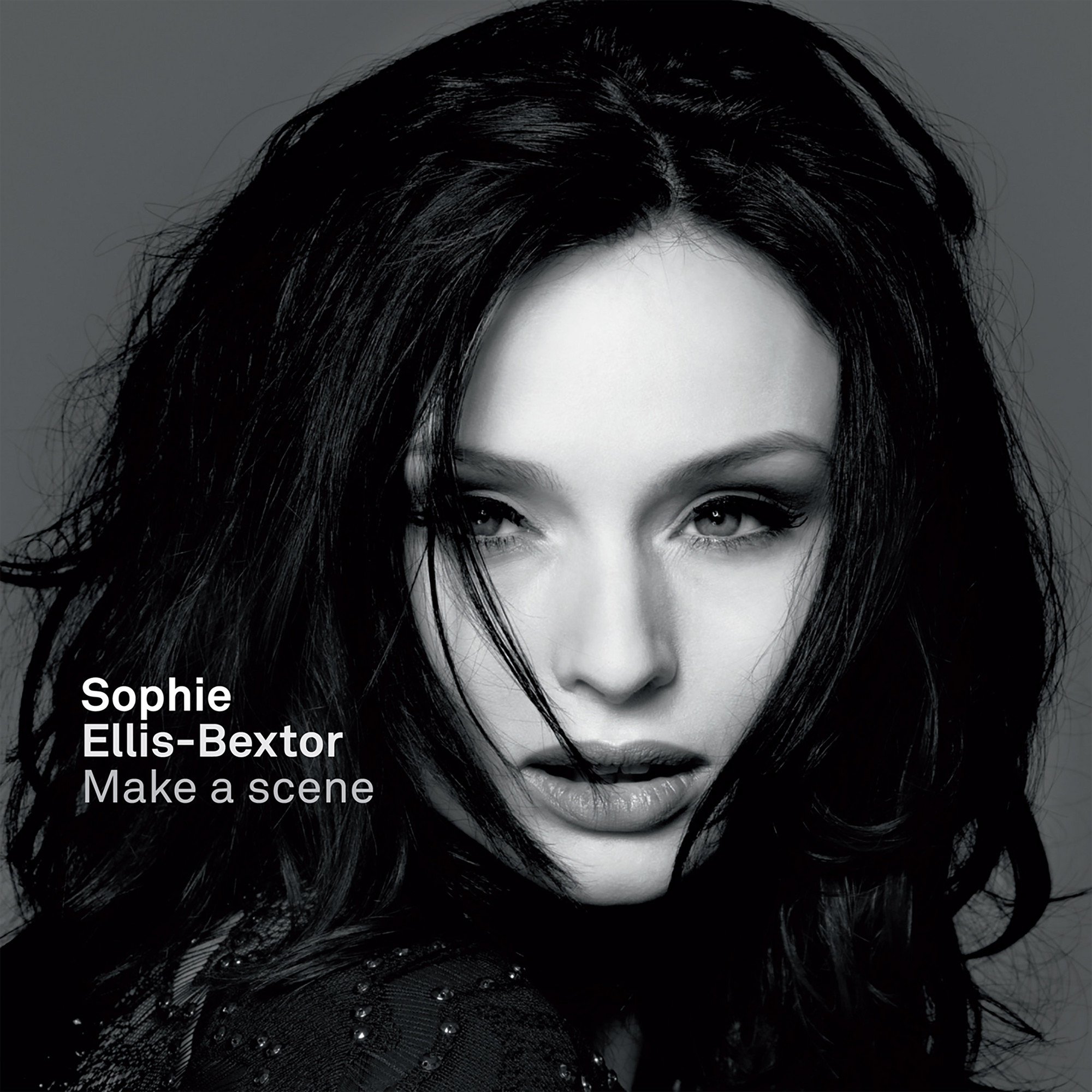
What makes Make a Scene especially unusual is how it came into existence. The project began during sessions for a greatest-hits album—work intended to look backward and refine. Instead, those recordings opened a new creative lane. The material quickly outgrew its original purpose and evolved into a fully realized studio album that pushed Ellis-Bextor forward rather than anchoring her to past successes.
That pivot is audible throughout the record. There’s confidence here, but also distance—an artist aware of her catalog and uninterested in repeating it. Make a Scene doesn’t feel nostalgic or transitional; it feels intentional.
Built for the Night, Not the Charts

Sonically, the album is unapologetically nightlife-driven. It favors atmosphere, pacing, and flow over obvious singles, unfolding like a carefully programmed DJ set rather than a radio-optimized pop record. That choice limited its exposure in the U.S. at the time, but it’s also why the album has aged so well.
Where many early-2010s pop releases feel locked to their moment, Make a Scene remains flexible and current. Its restraint, polish, and refusal to over-explain align naturally with how modern audiences now engage with dance-pop—on their own terms, in their own spaces.
The Producers—and the Intent Behind Them
The album’s cohesion is rooted in its collaborators. Contributions from Joseph Mount—the creative force behind Metronomy—bring an angular, distinctly European electronic sensibility. The title track, “Make a Scene,” pairs Ellis-Bextor with Mount to striking effect, resulting in one of the most refined dance records of the 2010s. Minimal without feeling empty, controlled without losing momentum, it remains a benchmark for electro-pop done right.
The Róisín Murphy Imprint—By Track
Several songs on Make a Scene trace directly back to Róisín Murphy. Written during sessions originally intended for Murphy, tracks including “Starlight” and “Off and On” were ultimately passed on as her own project moved toward a more fragmented, conceptual direction.
Watch / Listen: Róisín Murphy demo
The demo offers a glimpse into how the song’s phrasing and tension might have landed in a different voice.
That lineage still lingers. You can hear it in the phrasing, the rhythmic tension, and the cool emotional distance threaded through those tracks. Ellis-Bextor doesn’t erase that DNA—she reframes it. Where Murphy’s versions might have leaned toward abstraction, Ellis-Bextor grounds the material in structure and flow, shaping it for the dance floor rather than the gallery.
The Credits Tell the Real Story
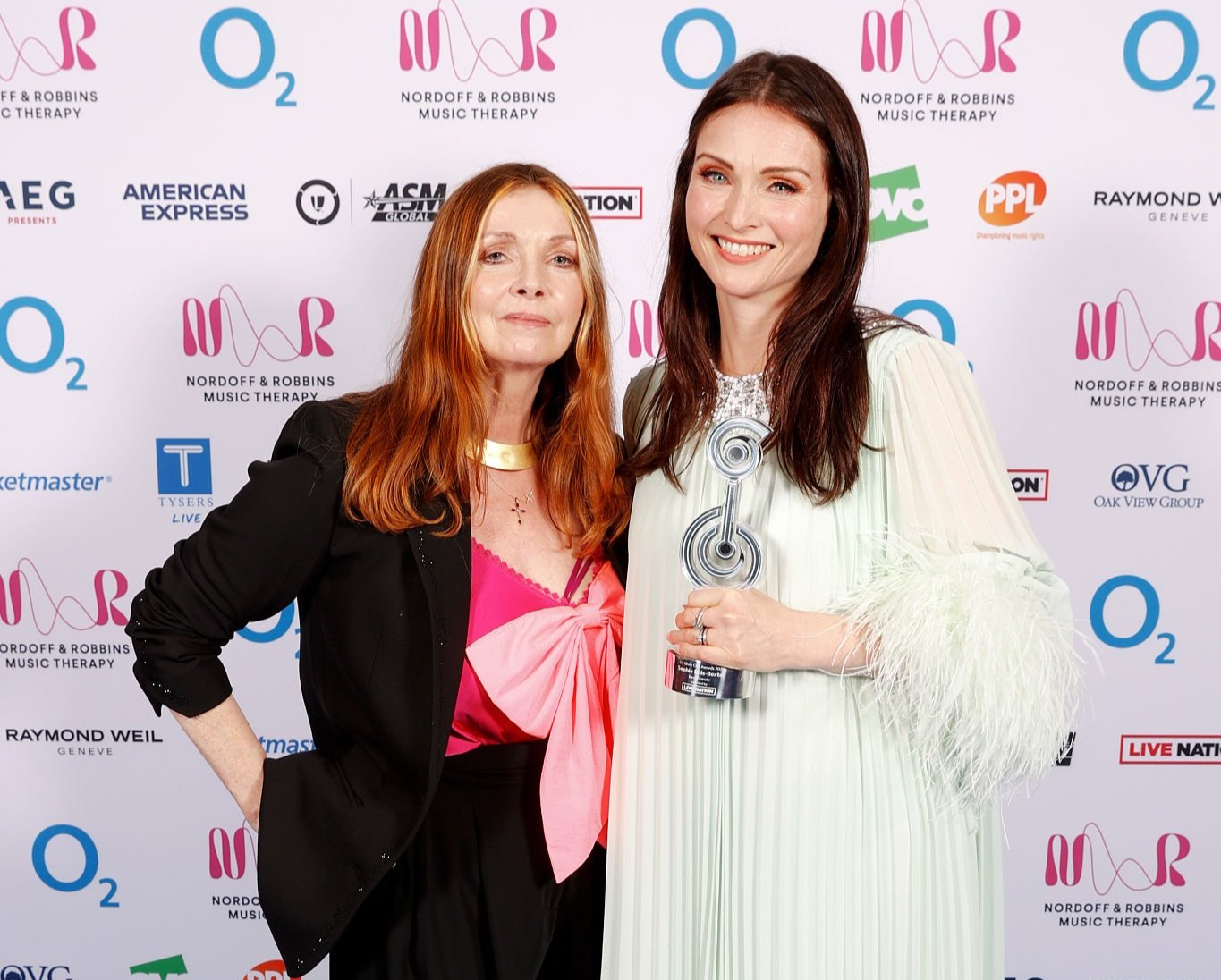
A closer look at the credits reveals just how quietly future-facing Make a Scene was. Among the contributors is Cathy Dennis, the late-’80s and early-’90s pop-dance icon whose songwriting helped define an era. Dennis contributes both lead and background vocals, anchoring the album in classic pop lineage while allowing it to move forward sonically.
That bridge between eras continues with Calvin Harris, who appears on the standout cut “Off and On.” At the time, Harris was still primarily known within indie-dance and club circles—most closely associated with early tracks like Acceptable in the 80s—rather than the global pop figure he would later become. “Off and On” captures him in that transitional phase: raw, club-focused, and rooted in dance-floor function.
Production duties also include work from Freemasons, while songwriting from Hannah Robinson—known for Ladyhawke’s “My Delirium” and Annie’s “Chewing Gum”—adds melodic clarity to the album’s electro framework.
The record also benefits from the sharp, minimalist instincts of Richard X, whose contribution “Magic” stands as another nightlife-ready electro cut that never received its full moment—an understated club classic that slipped past mainstream recognition.
Additional writing credits from Ed Harcourt and Greg Kurstin—who would later help send Adele global—underscore the album’s role as a crossroads moment for modern pop.
Timing Is Everything—and This Album Missed Its Crowd
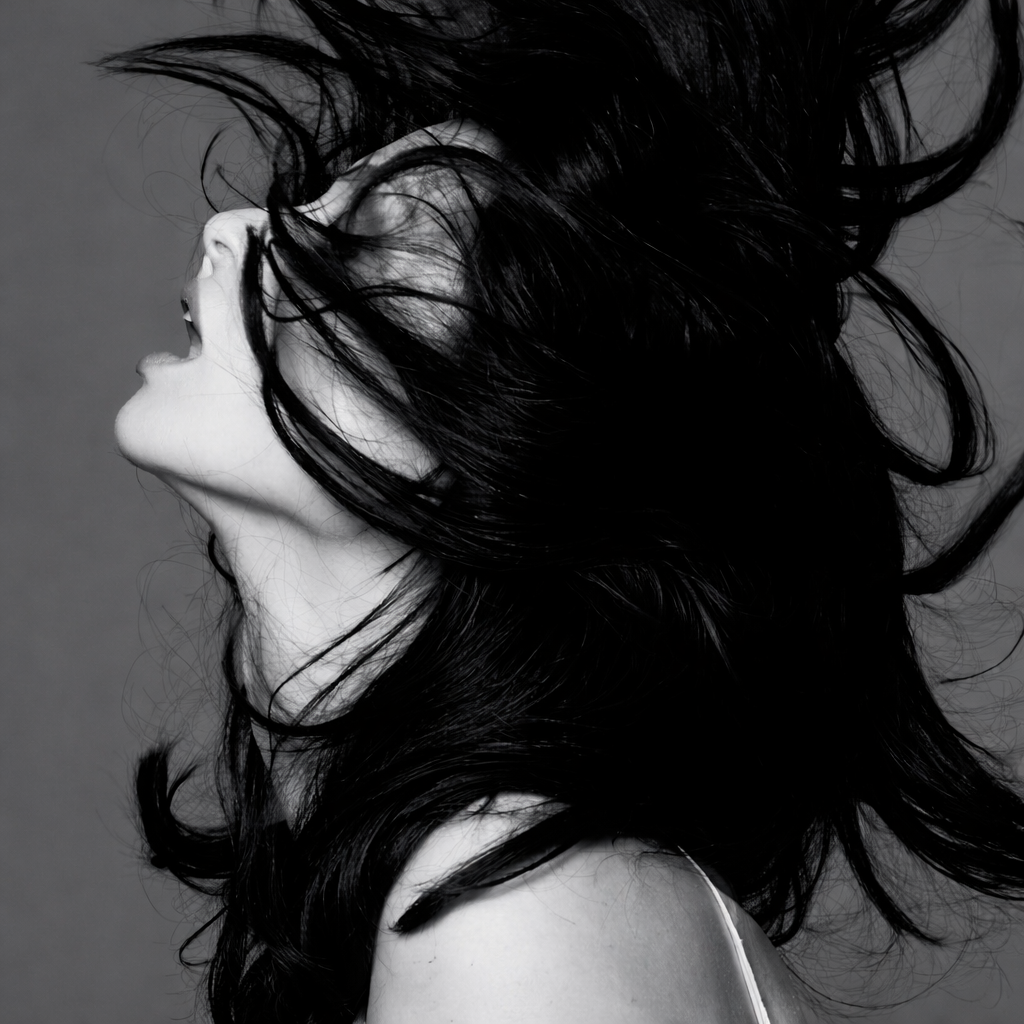
There’s a strong case that Make a Scene arrived just a few years too late for the audience that would have devoured it. Had it landed between the late 1990s and 2009, when club kids lived for electro, indie dance, and after-hours pop, it would have been absorbed instantly into rotation.
By 2011, that culture had shifted. The next generation was less interested in the dance floor than in bottle service, VIP ropes, and the uniform aesthetics of the era—flash photography, big rooms, and generic maxi dresses replacing sweat, movement, and sound systems. Club music became something to stand next to rather than disappear into.
Its ideas were absorbed, streamlined, and pushed into the mainstream by artists influenced by the scene—figures like Hilary Duff, The Pussycat Dolls, and Swedish House Mafia—polished, louder, and market-ready. For some of us, that wasn’t evolution; it was dilution.
We lived it. We DJed it. We know. And for those people, Make a Scene didn’t sound late—it sounded like continuity. Like the era never actually ended.
Fifteen Years Later—and the Dance Floor in Our Heads
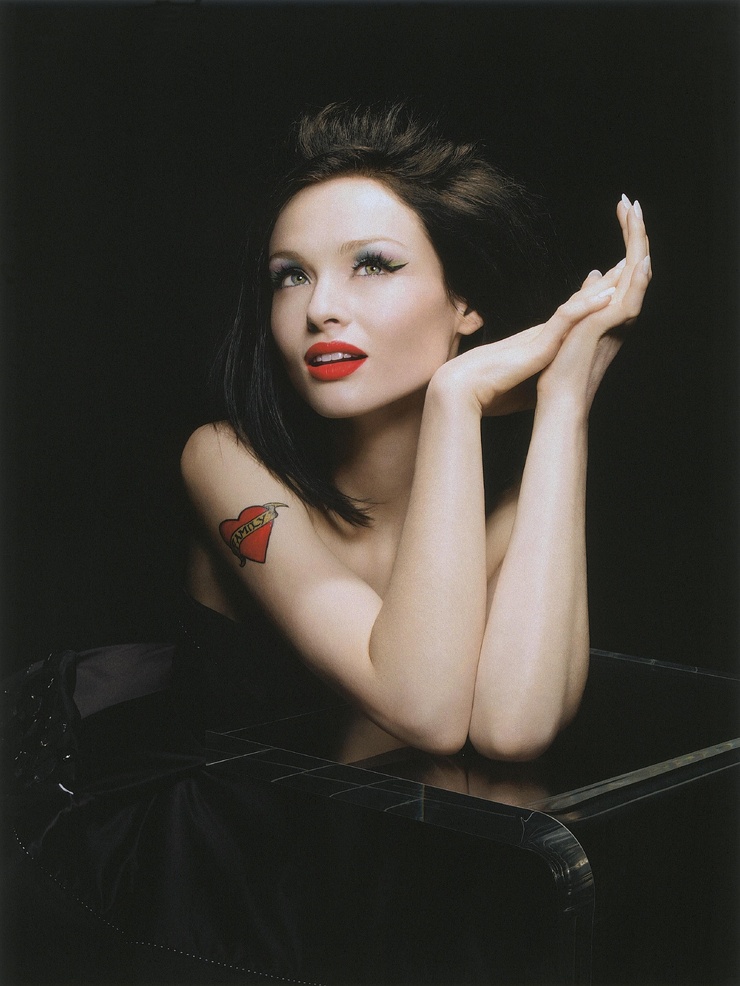
While Sophie may not give us an official 15-year anniversary, and many of the big-city dance floors that shaped this music have been demolished or sanitized beyond recognition, the movement didn’t disappear. We dance at home now—sometimes literally, sometimes in our heads—replaying the nights, the rooms, the feeling.
For some of us, the era never ended—Make a Scene was always on rotation.
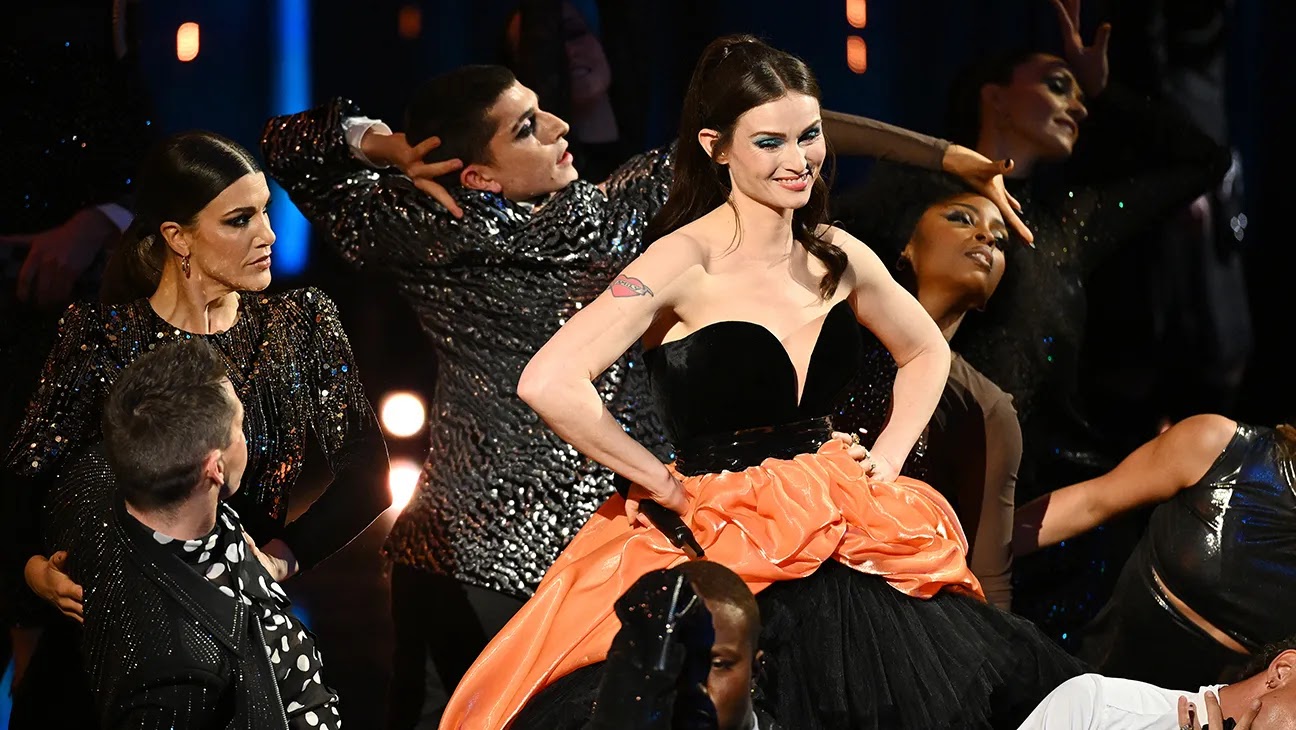
If Make a Scene were ever to get a live revival, it practically stages itself: a full synth-forward backing band, dancers, fashion-forward aesthetics, and real choreography—remember, Sophie competed on Strictly Come Dancing. This is an album built for bodies in motion—not static crowds.
And if that tour ever happens, you’ll find us up front—no bottle service, no ropes—dancing our asses off like the era never ended—because for some of us, it never did.
Were you there when Make a Scene first landed, or did you discover it later? Join the conversation below.
Make a Scene is still available on Amazon.
View on Amazon →As an Amazon Associate, INYIM may earn from qualifying purchases.