













Before Algorithms, Vera Moved Through Dance Floors.
In Past Blast Music, we revisit artists who created real musical electricity before the age of social media, streaming dashboards and viral choreography — artists whose work deserves to be heard, named and remembered beyond whatever the algorithm decides to surface this week.
Before playlists told people what mattered, before metrics became personality and before “discovery” became a button, records traveled through rooms, families, DJs, nightclubs and word of mouth. That is the world where Vera’s music lived, and that is the world we are stepping back into today.
This is Past Blast Music — and today, we celebrate Vera.
The Hi-NRG Foundation — And Beyond
To understand Vera, you have to understand the room her music was made for. Hi-NRG was not passive background music. It was pulsating disco rhythm pushed through electronic velocity: kinetic, urgent and engineered for bodies in motion. Dance floors across major U.S. gay cities, nightclubs in Mexico and Italy, and especially the French-Canadian disco circuit helped turn that energy into a language of its own.
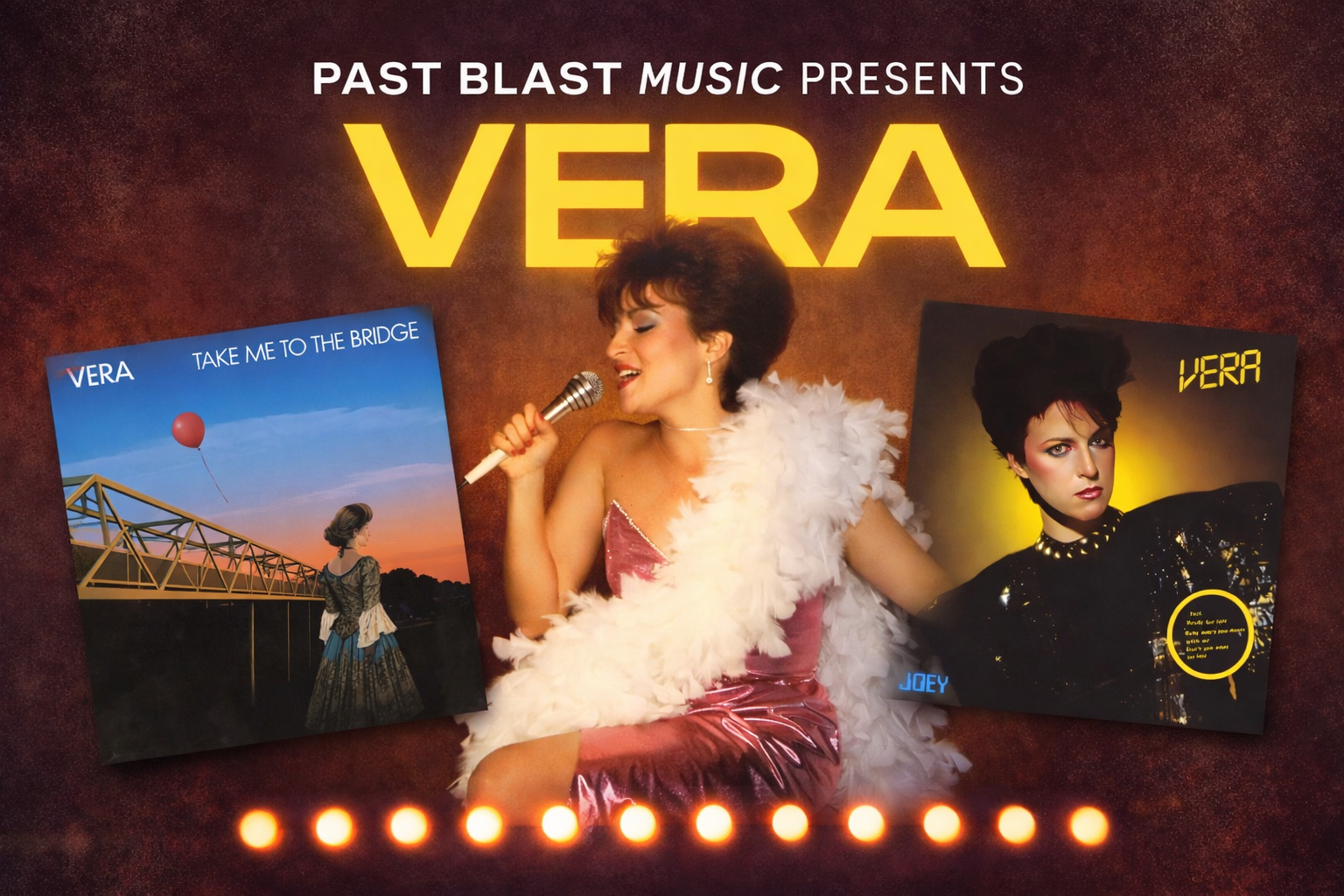
Vera’s recordings lived inside that movement, but they were never limited to one narrow lane. Across two essential albums — Joey and Take Me To The Bridge — the sound expands beyond strict Hi-NRG, pulling in funk and R&B undercurrents, New Wave texture and the kind of disco-pop architecture built for heat, repetition and release.
The result is music with captivating melodies, disciplined arrangements and a voice that keeps everything human. The production has shine and force, but it never swallows the singer. It leaves space for personality, which is exactly why these records still feel alive.
Some artists go viral. Others endure — powered by pure, undeniable talent.
The Producer And The Toronto Disco Lineage
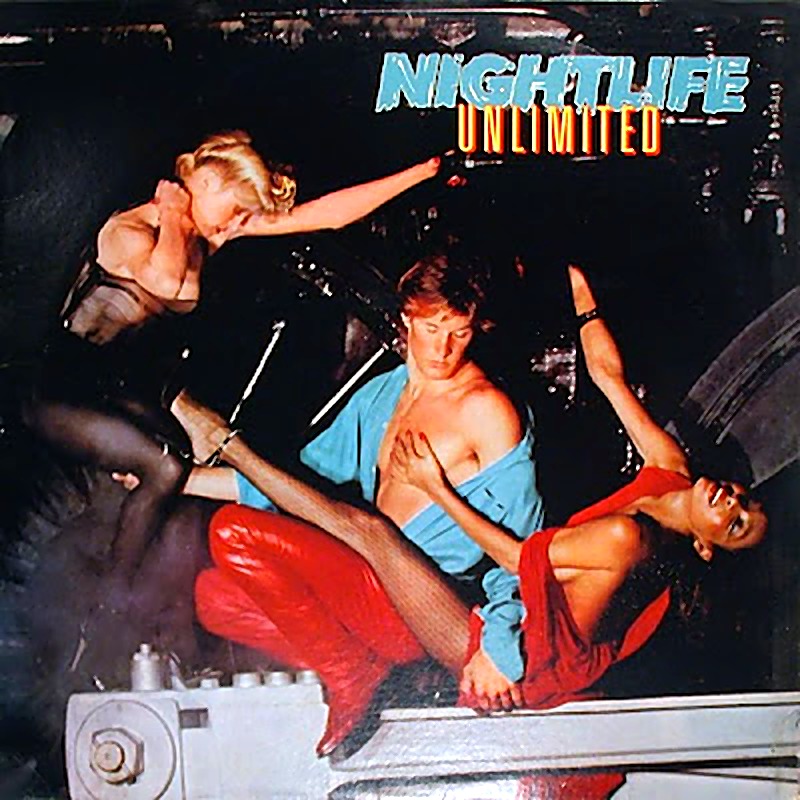
Vera was not just a solo act — it was a studio project built around an exceptional voice. Produced by Louis Toteda, whose roots in disco run deep, Vera emerged from a lineage of dance-floor engineering connected to Toronto’s late-disco pulse.
Toteda was the force behind Nightlife Unlimited, the late-’70s disco outfit known for club staples like Love Is In You and Dance Freak and Boogie. That pedigree matters because he understood rhythm architecture, momentum and the way a record has to function when a floor is already packed and waiting for the next lift.
With Vera, Toteda fused that disco foundation with the accelerating pulse of early-’80s Hi-NRG. The arrangements have polish, punch and nightclub intelligence, but it is Patti Masi’s voice that transforms production into presence. Producers can layer synths, polish percussion and engineer hooks that sparkle under club lights, but without an exceptional vocalist, the house has no reason to open its doors.
Production builds the house. The voice makes it worth stepping inside.
Two Albums. One Distinctive Voice.
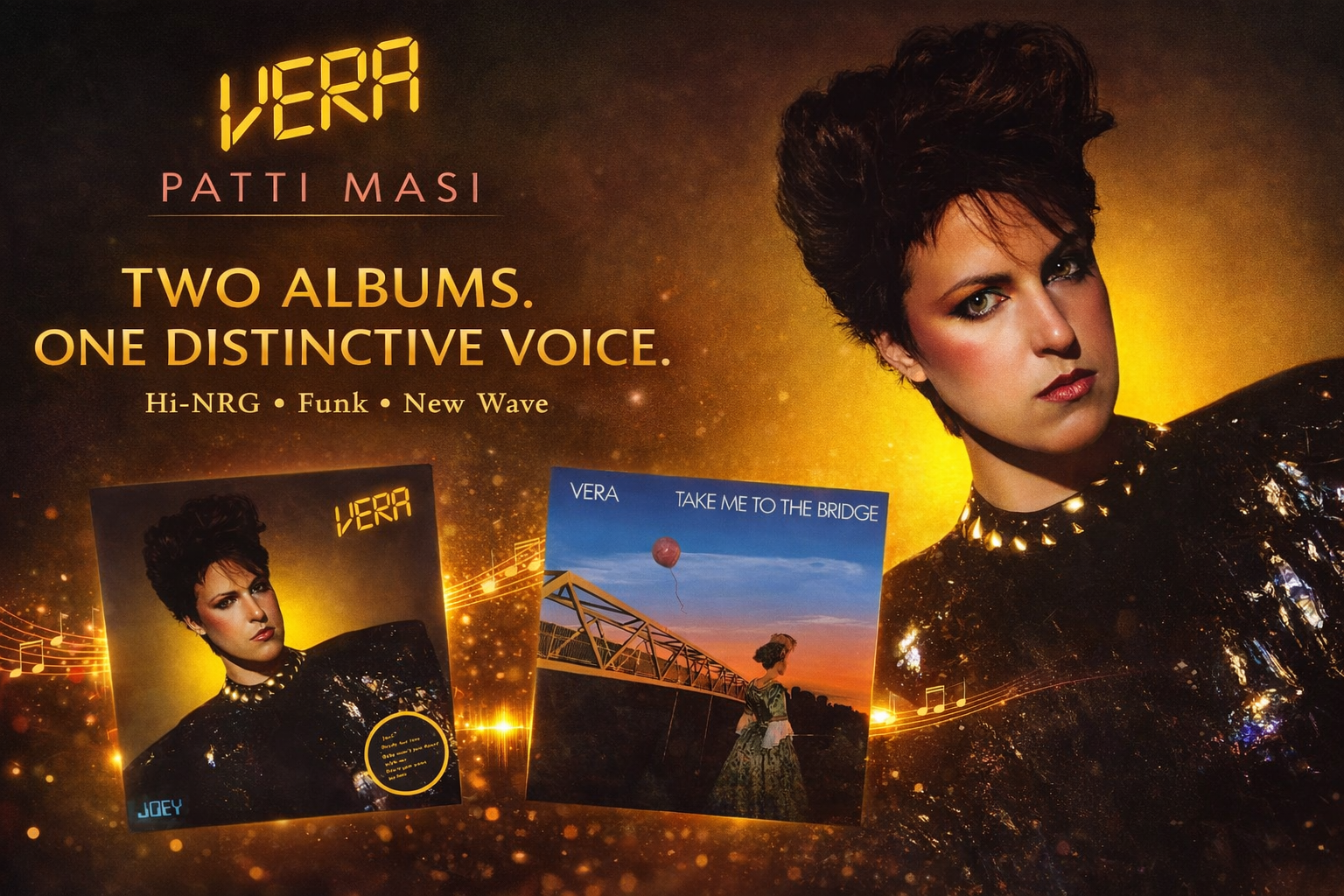
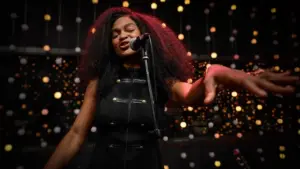
Across Joey and Take Me To The Bridge, Patti Masi delivers a vocal performance defined by control, clarity and emotional intelligence. Her tone sits forward in the mix — bright enough to cut through dense Hi-NRG instrumentation without sounding sharp, but warm enough to keep the performance from turning mechanical.
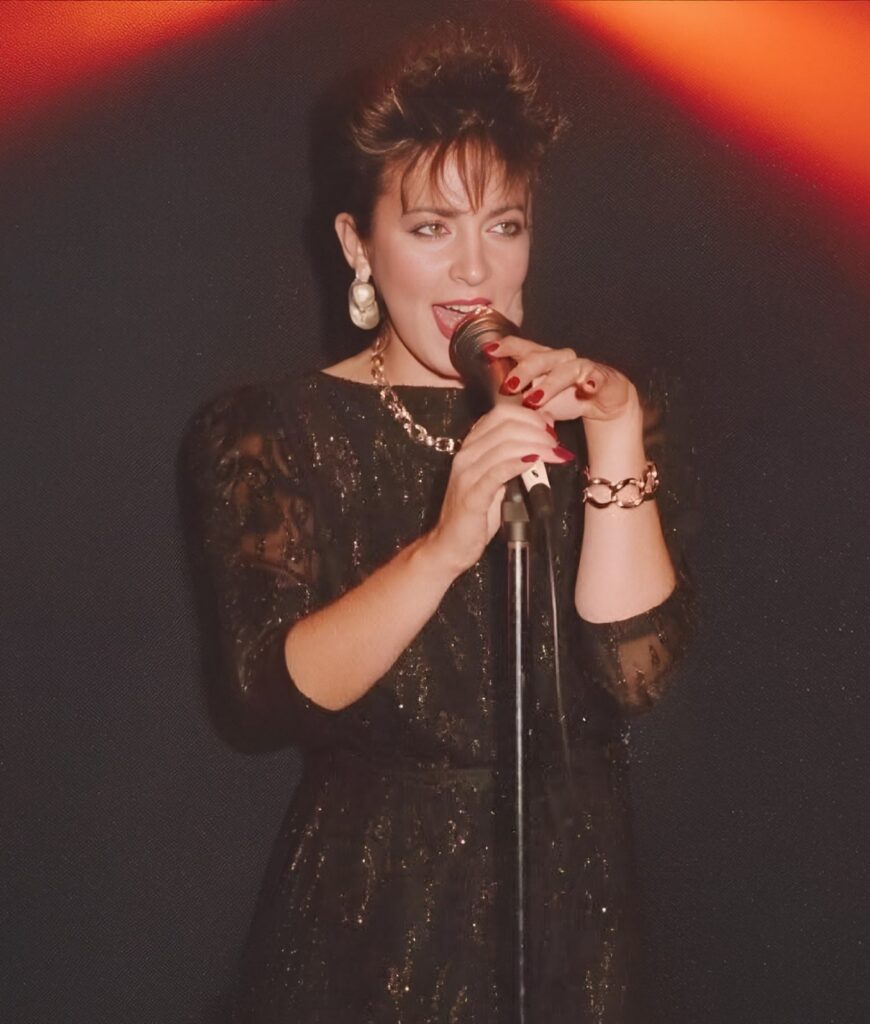
In higher passages, she transitions into a supported mix rather than pushing chest voice upward, keeping the lift powerful but controlled. Sustained notes remain centered, vibrato stays measured, and her phrasing locks into rhythm without losing warmth. In dance music, that balance is rare. Hi-NRG can become mechanical if the vocal lacks humanity, but Patti avoids that trap through subtle dynamic shading, clean articulation and enough tonal warmth to keep the performance grounded.
Stripped from production, the discipline becomes undeniable: no effects, no synth armor, just tone, breath and intention.
Hear The Voice Alone
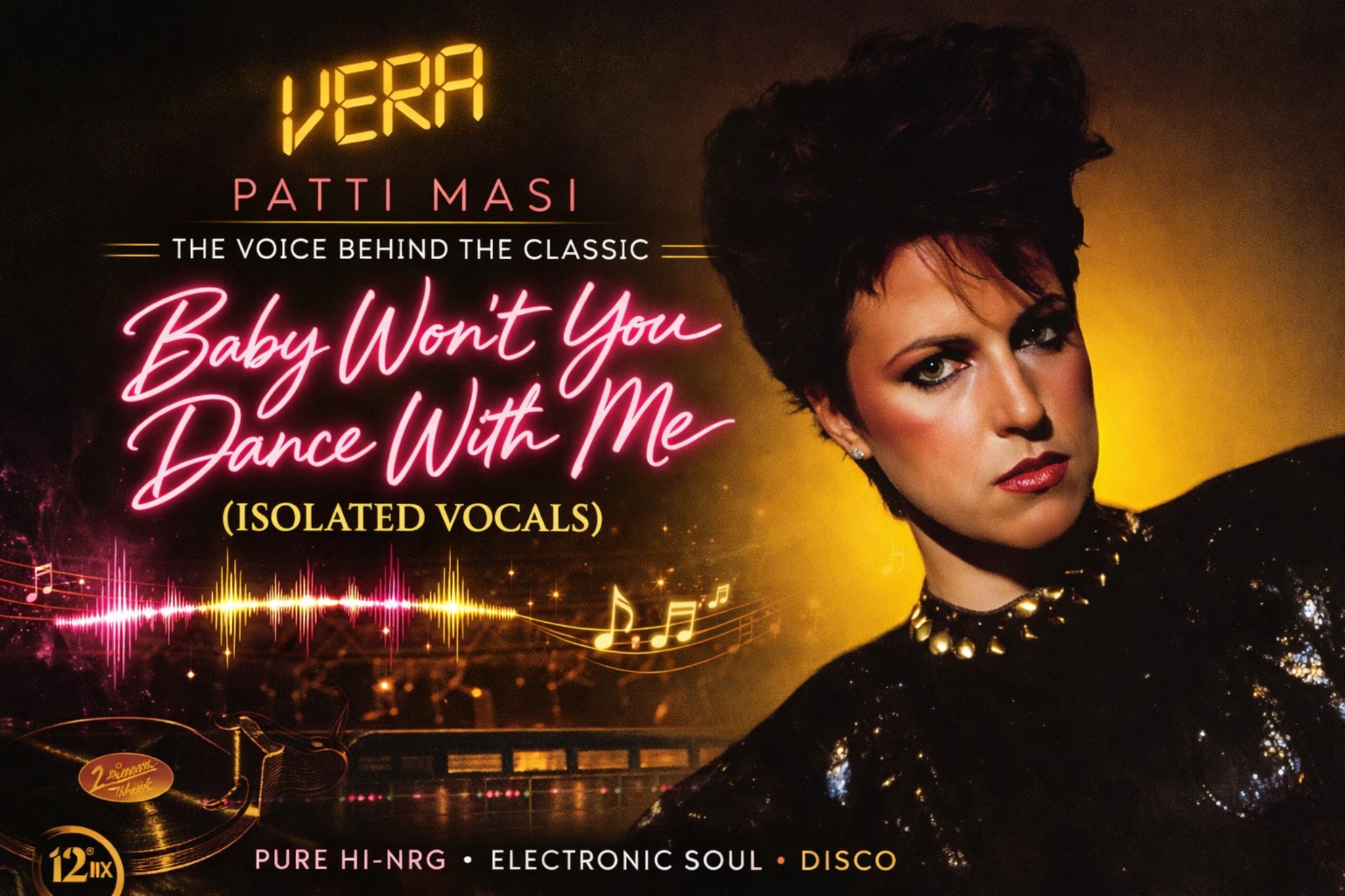
To truly appreciate Patti Masi’s vocal control, listen to the isolated vocal version of Baby Won’t You Dance With Me. Removed from the pulsating synths and four-on-the-floor rhythm, her tone, phrasing and breath support stand entirely on their own.
Where The Music Began For Us
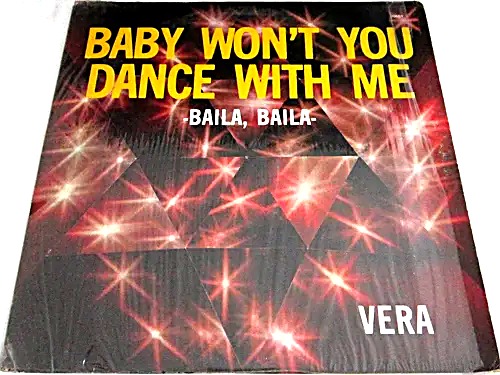
We did not discover Vera through streaming. We grew up with her. Her biggest club tracks echoed through our home from disco-dancing family members who requested her at legendary Los Angeles spots like Circus Disco and Fantasia Nightclub inside the Westin Bonaventure Hotel.
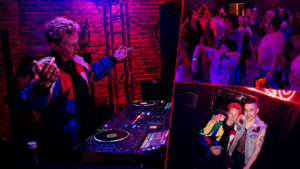
That is how music traveled then: not through algorithms, but through rooms. We learned to mix on vinyl from our uncle — crates open, turntables humming — and Vera was in that stack. The actual record, the worn sleeve, the ritual of dropping the needle. The voice has been with me since I can remember.
I started learning to DJ at eight years old, before waveforms, before metrics and before engagement dashboards. It was just rhythm, instinct and records moving from hand to hand. Vera was part of that foundation.
Related Story: Past Blast Music: Goldfrapp’s Number 1 Turns 20 — A Two-Decade Electro Classic
Patti Masi: The Woman Behind The Voice

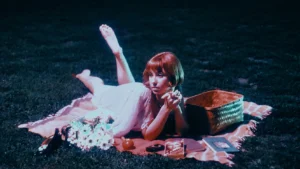
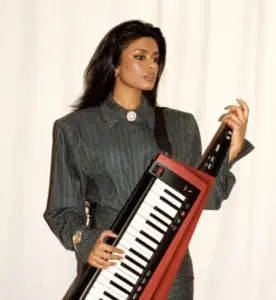
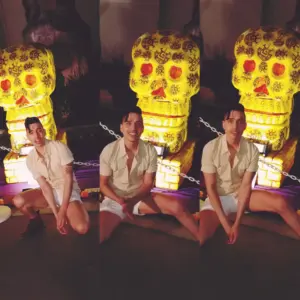
Vera’s real name is Patricia Masi. Over the years, we have shared our admiration for her voice across social platforms — not tagging for attention, not chasing metrics, just genuine appreciation for the work. When she responded, “I didn’t know I still had fans,” the line carried weight because it reminded us how many important voices can become hidden in plain sight.
Vera’s contributions may currently live underground, but they remain significant to the music scene. The Hi-NRG era may not dominate mainstream playlists today, yet its influence runs directly into modern electronic pop, dance-pop and club-minded production. Future generations will, and should, recognize and celebrate Patti Masi’s ethereal vocal talent.
Some artists go viral. Others endure because the work still carries pure natural talent.
Why These Albums Still Matter
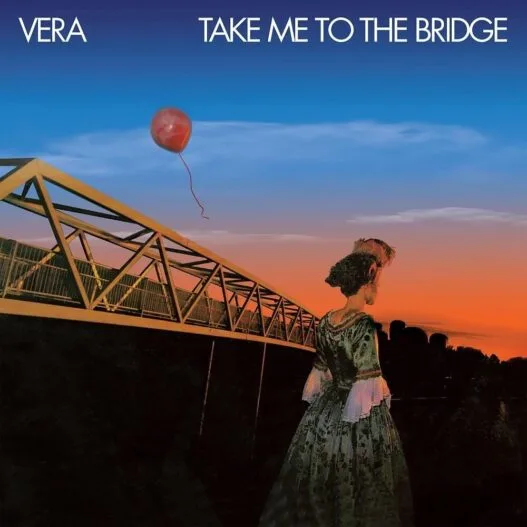
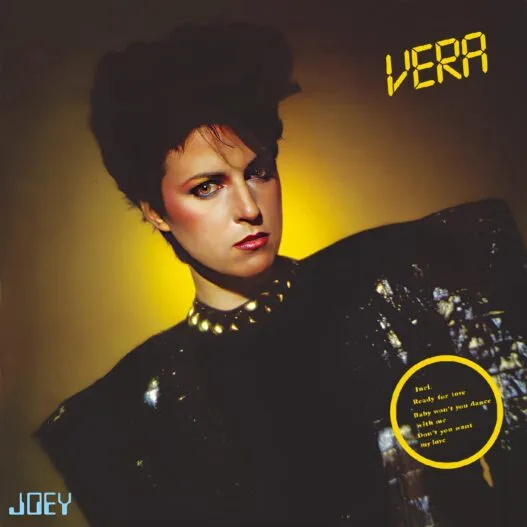
These albums still matter because they were built for dance floors, not dashboards. They fused Hi-NRG propulsion with funk elasticity and New Wave texture, documenting a moment when club culture was global, physical and communal.
At the center of it all — steady, controlled and unmistakable — was Patti Masi’s voice. Two albums. One distinctive voice. A legacy that still moves.
Two Vera Singles That Still Hit The Floor.
Single: “Baby Won’t You Dance With Me” 12-inch mix
Album: Joey
Artist / Vocals: Vera
Producers: Joe La Greca and Louis Toteda
Writers: Donald Robert Saunders and Louis Toteda
Publisher: Franmar Music
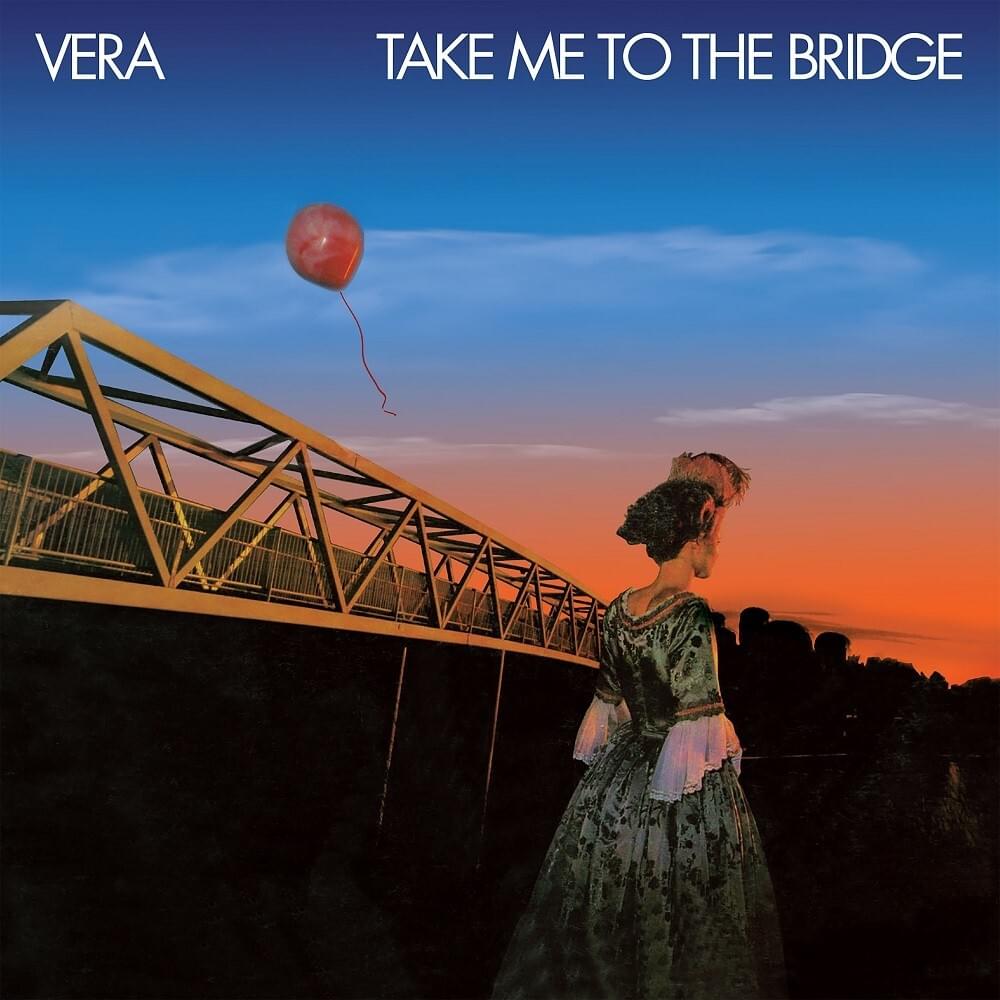
Single: “Take Me To The Bridge”
Album: Take Me To The Bridge
Artist / Vocals: Vera
Producer: Louis Toteda
Writers: Donald Robert Saunders and Louis Toteda
Publisher: Franmar Music
Rediscover Joey and Take Me To The Bridge on Spotify:
Are you rediscovering Vera for the first time — or have you been here since 1983? Drop your favorite memory or track below.
Sources: INYIM archive materials and restored media captions; Patti Masi / Facebook for credited personal images; YouTube embeds for Vera recordings and isolated vocal material; Spotify embed for album listening. INYIM archive note: Original feature updated with cleaner formatting, tightened editorial flow, restored image credits and source attribution.