
















A Caltech Robotics Genius Gets Real About AI, Robot Dogs, and the Future of Machines

Meet robotic specialist Aaron Ames, professor of mechanical engineering at the California Institute of Technology, and one of the sharpest minds in modern robotics. He joins WIRED to tackle the internet’s most chaotic, curious, and occasionally unhinged questions about robots — and his answers are surprisingly human.
One user asks about a “Terminator future,” and Aaron doesn’t sugarcoat it. He explains that AI can absolutely make bad decisions if we hand it too much control — especially without guardrails. But he also clarifies that sentient AI isn’t real, and today’s systems are just “pattern matching at a scale we’ve never seen before.”
Another viewer wants to know why some robots walk while others roll. Aaron breaks it down: legs thrive where wheels fail — uneven terrain, stairs, ladders, disaster zones. Wheels are efficient, but legs are adaptable. “The world,” he reminds us, “is not as flat as you think.”
Robot dogs? He’s honest. The hardware is incredible, but real‑world use cases are still thin. They’re great for inspections and disaster response, but we’re not at the “robot dog nanny” stage yet.
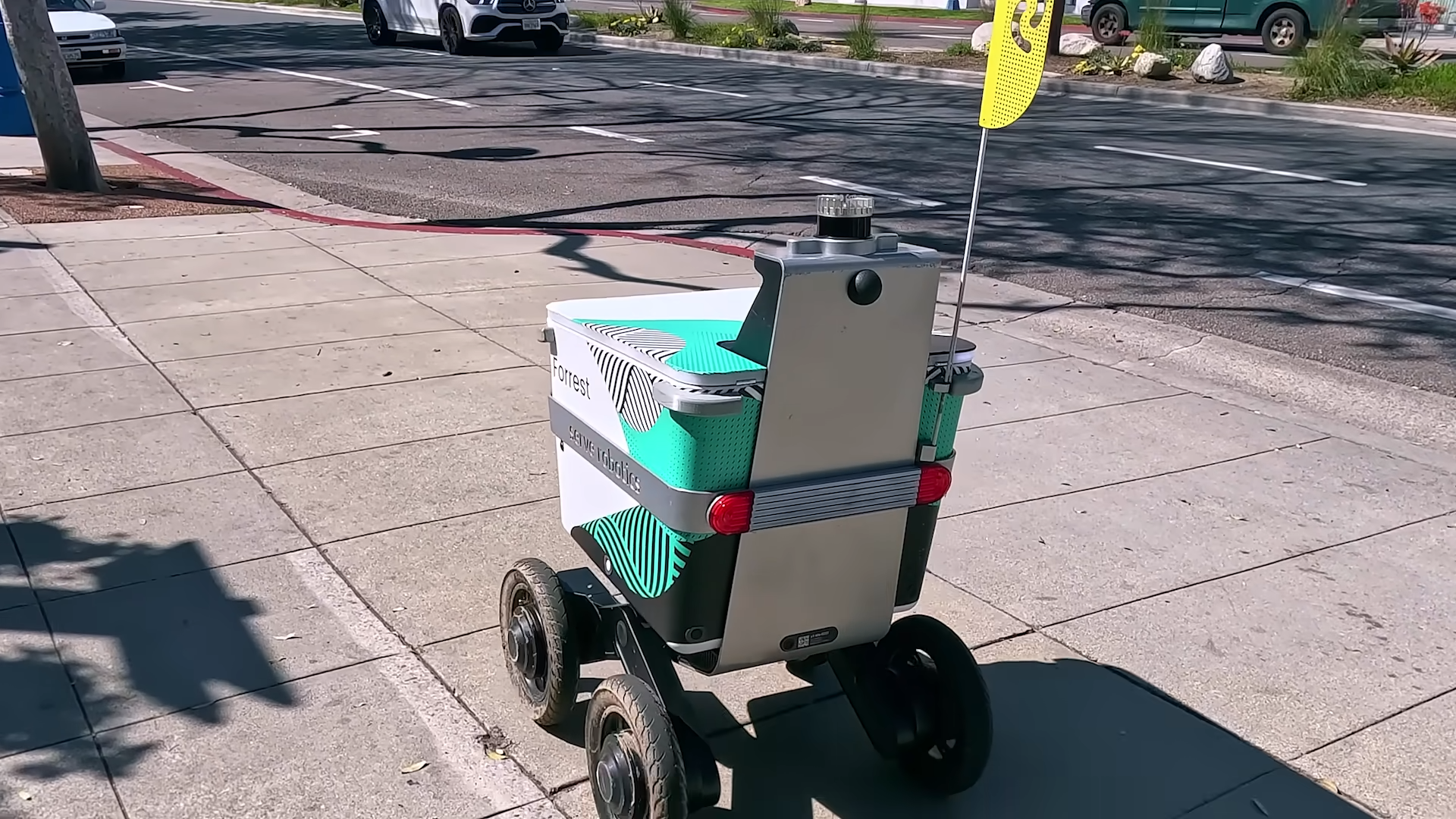
Then there’s the big one: autonomous cars. Aaron calls them “one of the most advanced robots on Earth,” but stresses that the industry had to learn the hard way — crashes, failures, and a decade of safety overhauls. Today’s systems are far safer, but still not perfect.

He also defends LiDAR, calling it “awesome” for safety‑critical robotics. While some companies rely on cameras alone, Aaron argues that using every sensor available is the smartest path forward.
And when someone asks what he’d build with unlimited funding, Aaron doesn’t hesitate: a robotic exoskeleton that could eliminate the need for wheelchairs. A billion‑dollar dream — but one he believes is possible.
Even the humble clothes‑folding robot gets a moment. The problem? Fabric is chaos. It moves, wrinkles, collapses, and refuses to behave. Teaching a robot to fold laundry is, hilariously, one of the hardest challenges in robotics.
Aaron Ames makes one thing clear: robots are brilliant, flawed, evolving, and nowhere near done surprising us.