
















On the latest episode of CBC’s Legacy Lounge, hosts Stephan James, K‑os, and Shamier Anderson welcome the one and only pop‑rock trailblazer herself — Fefe Dobson — for a conversation that goes everywhere, touches everything, and leaves nothing on the table.
From her Scarborough roots to her genre‑bending rise, Fefe opens up about the early industry confusion around her sound. As she puts it:
“I was too pop for rock and too rock for pop. And that created a problem.”
A problem the industry didn’t know how to process.
K‑os jumps in with one of the sharpest breakdowns of her career arc — explaining how audiences claim they want something raw, but only after it’s been refined, packaged, and made “digestible.” He even calls Fefe the OG Rihanna, noting how her sound was ahead of its time, too bold and too unfiltered for the machine to understand.
He compares it to sugar cane: People want the sweetness, but not the raw stalk. They want the art — but only after it’s been processed.
And then came the moment that changed everything.
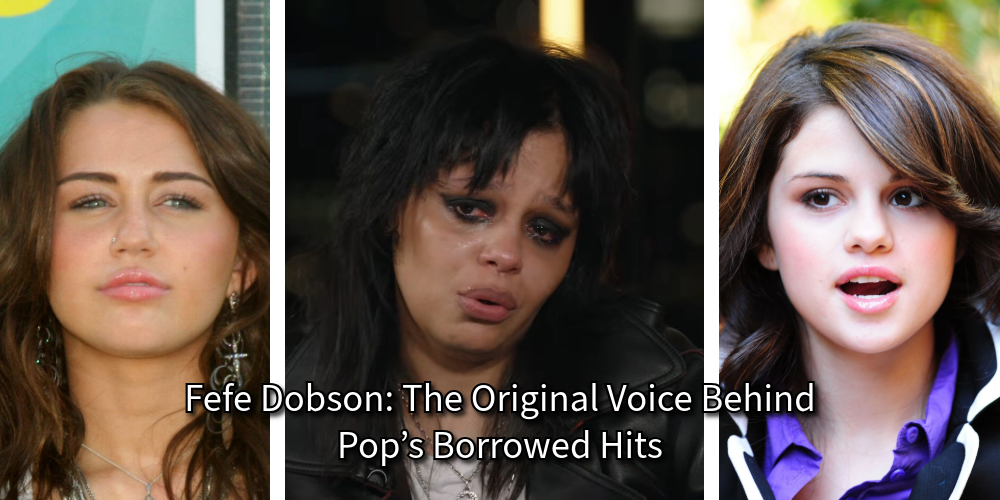
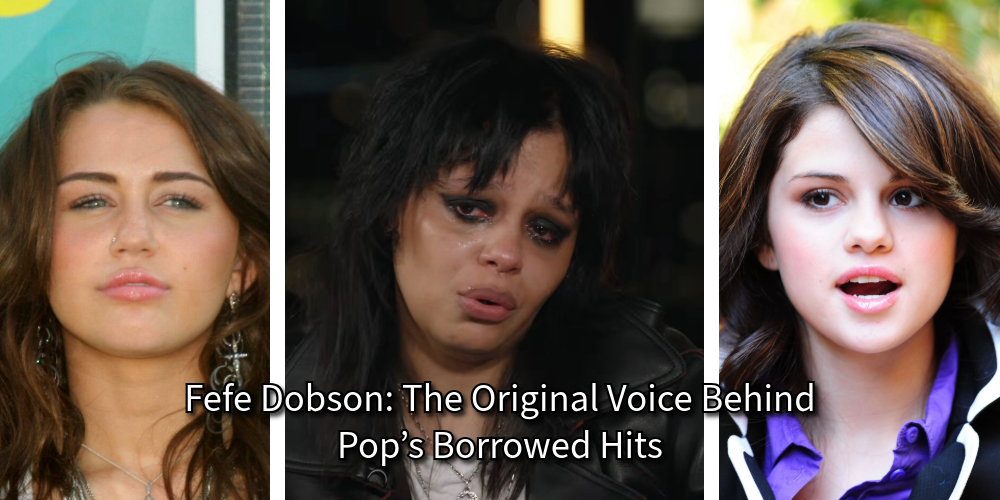
After her album was shelved and she was dropped, Fefe went home to Toronto — crying, drinking wine, calling her mom, thinking her career was over. Then she heard a voice on TV singing a song that sounded… familiar.
It was Miley Cyrus. Singing “Start All Over.” A song Fefe wrote. A song meant for her shelved album.
She remembers standing there, stunned:
“I thought my career was done… then I heard the song and went, wait — I think I wrote that.”
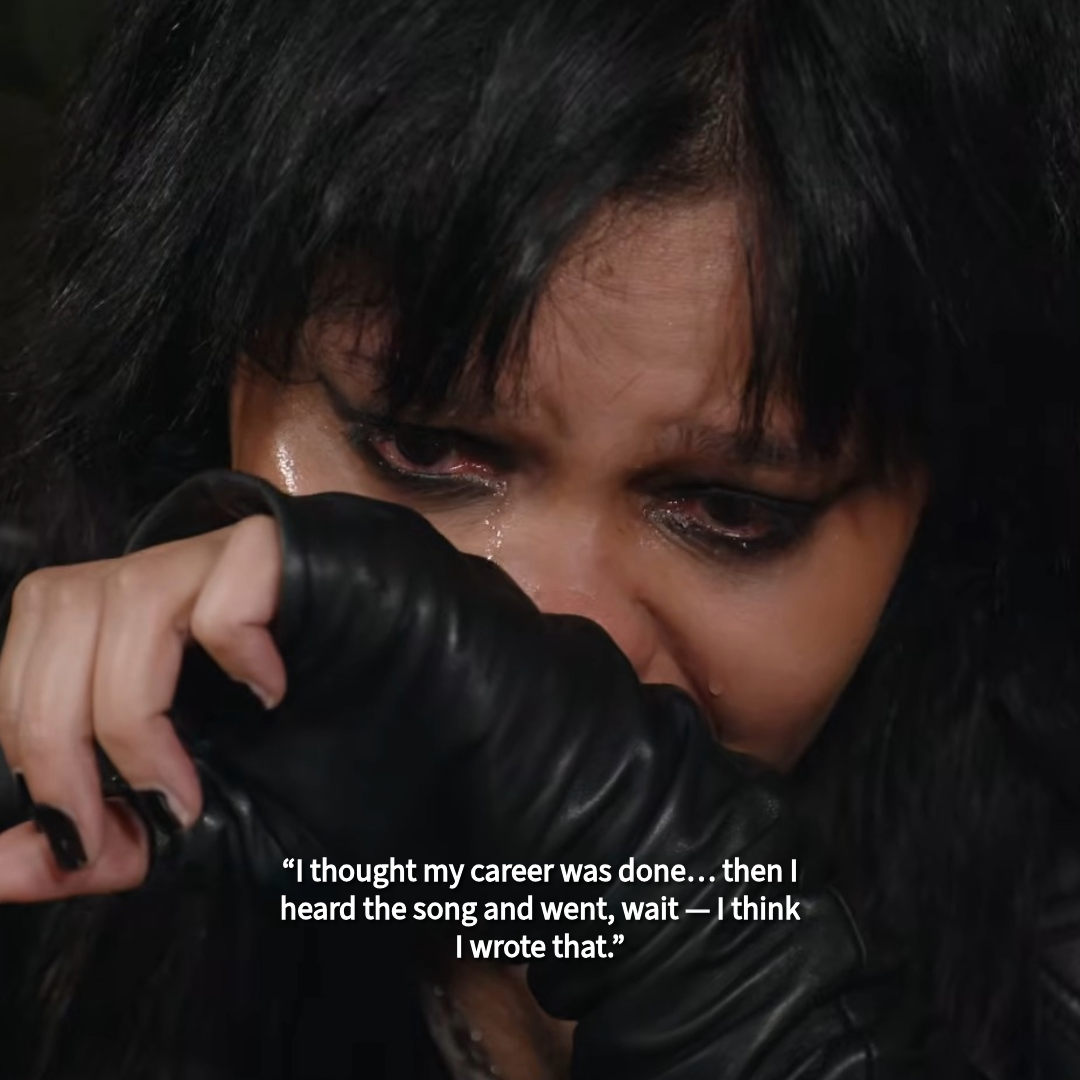
That moment snapped her back into herself. It got her writing again. It got her back in the studio.
Then came Selena Gomez, recording “As a Blonde,” another track originally meant for Fefe’s Sunday Love album. Suddenly, the songs that were “too confusing” for her were perfectly acceptable — even celebrated — when sung by others.
K‑os nails the irony:
“It was confusing when Fefe was doing it before anybody else. But then you put Selena or Miley on it… and it’s not confusing anymore.”
Fefe doesn’t hold bitterness — only clarity. “It wasn’t my time yet,” she says. “But what I loved was that it was all females who took it and killed it.”
And for us here at INYIM, this conversation hits even deeper.
We spent many late nights crossing paths with Fefe back when we worked at the legendary Kitchen 24 on Cahuenga Blvd in Hollywood. She’d slip in after the after‑hours crowd had cleared out — quiet, exhausted, grabbing a bite after long studio sessions. She always looked disappointed, guarded, not approachable… and we gave her space.
But as longtime fans, we knew exactly what she was carrying. We knew the weight. We knew the fight.
Hearing her now — openly talking about that era, the heartbreak, the confusion, the resilience — it’s a full‑circle moment. Hard as hell, but it all worked out for her. She really was the original creator of a sound that others later diluted, softened, and made “acceptable.”
Fefe Dobson didn’t just carve her own lane — she built it, paved it, and left the industry scrambling to catch up.
Legacy Lounge continues its mission of honoring influential Black Canadian figures shaping contemporary culture — and Fefe’s legacy remains loud, electric, and impossible to process into anything but the truth.
Dig into the full emotional and real episode Below!
Fefe’s raw era hits different — what moment from her journey sticks with you most?