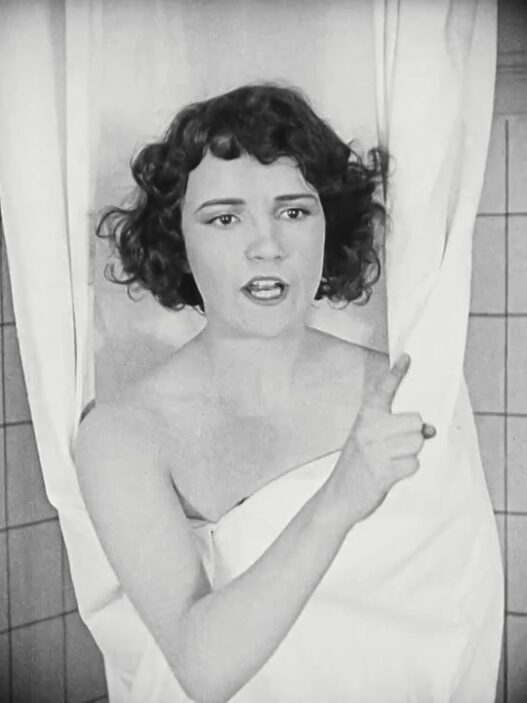










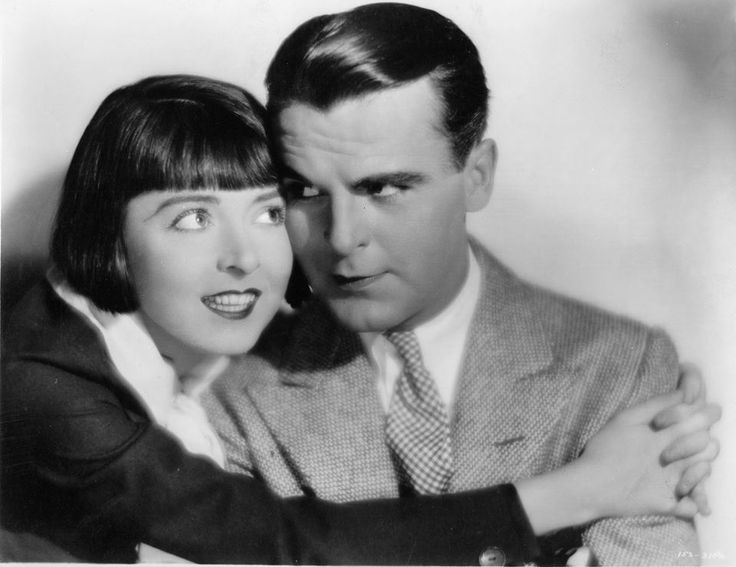
Produced by First National Films in 1929, Why Be Good isn’t your typical silent flick. Nope—this one had a little extra kick. The film used the Vitaphone synchronized sound playback system for music, sound effects, and even some singing.
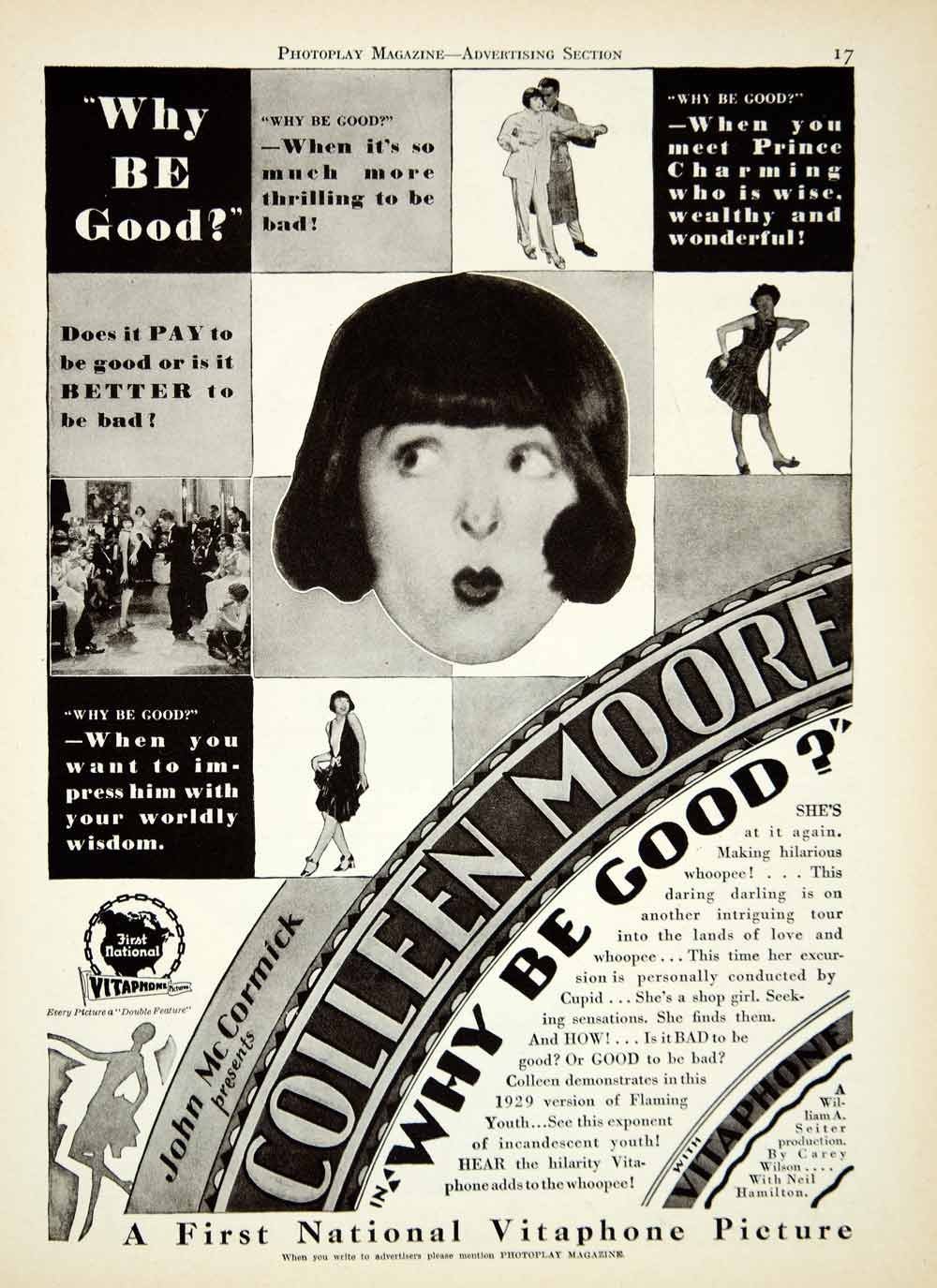
The Vitaphone setup? Giant record discs spinning in sync with the projector. A wild experiment at the time, bridging the gap between silent cinema and the talkies. (Think of it as Hollywood’s transitional mixtape.)

Colleen Moore, already a major star of the Jazz Age, brought her signature sparkle to the screen here. The film dropped right as the industry was shifting gears—Vitaphone would soon be replaced by the modern sound-on-film method, making Why Be Good a fascinating time capsule of that in-between era.
INYIM Did You Know? 🎬✨
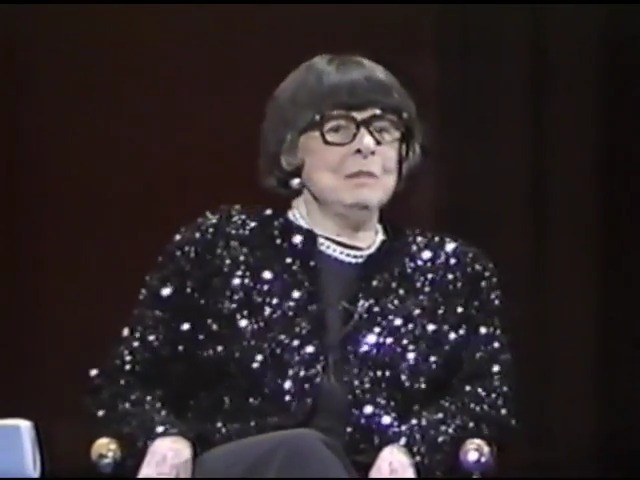
- Born Kathleen Morrison in 1899
- Popularized the bobbed haircut
- One of Hollywood’s highest-paid actresses in the 1920s
- Starred in over 60 films
- Breakout role in Flaming Youth (1923)
- Partnered with Merrill Lynch as an investor
- Created the Colleen Moore Dollhouse in Chicago’s Museum of Science and Industry
- Donated surviving films to the Museum of Modern Art
- Passed away in 1988 at age 88
Colleen Moore fans—what’s your take on this transitional gem? Drop your thoughts below and let’s talk classic cinema.